Knee pain when kneeling usually comes from the front of the knee: the bursa over the kneecap (prepatellar bursitis), the joint behind the kneecap, the patellar tendon, or, in teenagers, the bump below the kneecap where the tendon attaches. Kneeling is also commonly uncomfortable for months after knee replacement or an ACL reconstruction using the patellar tendon. A swollen, hot, red kneecap with fever needs a doctor first; otherwise an independent physical therapist near Carmel can find the source.
Last reviewed By the Monon Therapy Collective editorial team
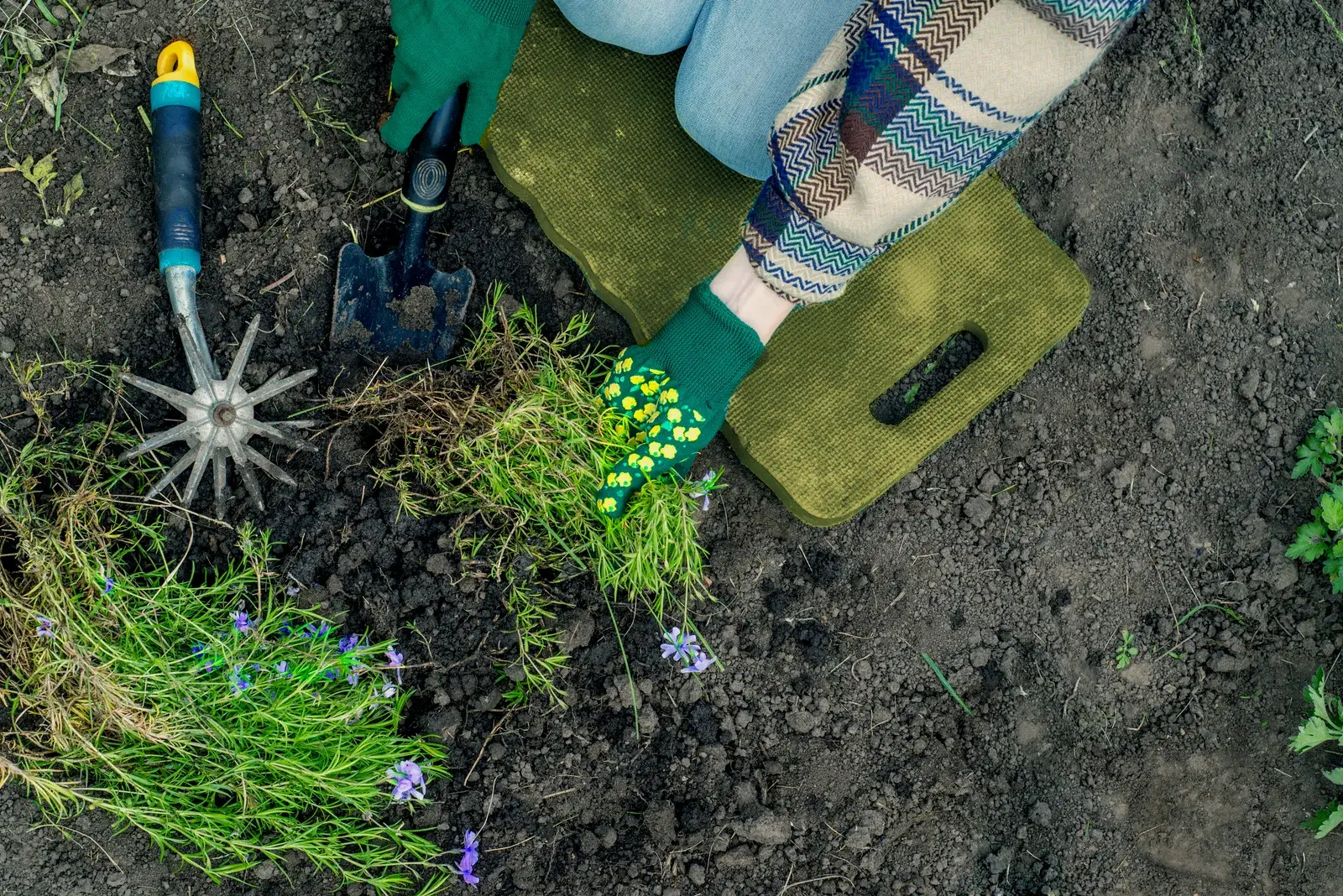
Why does putting weight on the kneecap hurt?
Kneeling puts body weight directly on the kneecap, the tendon below it and the small fluid sacs that cushion them, and when the knee is bent the kneecap is also pressed hard into the thigh bone. Any of those tissues, if irritated, can make kneeling the one position you cannot tolerate.
Where you feel it tells you a lot. Pain on the kneecap surface, especially with a soft swelling, suggests the bursa. Pain just below the kneecap suggests the tendon or, in growing teens, the tendon’s attachment. A deep ache behind the kneecap that also shows up on stairs and squats points to the joint between kneecap and thigh bone.
What are the likely causes of pain when you kneel?
The table lists the usual causes. Some people have two, for instance a sensitive kneecap joint plus a bursa irritated by work on hard floors.
| Possible cause | What it tends to feel like | Read more |
|---|---|---|
| Prepatellar bursitis | Soft, sometimes rapid swelling on the front of the kneecap, tender to kneel on | Knee bursitis |
| Kneecap joint pain | Ache behind the kneecap with kneeling, squats, stairs and long sitting | Runner’s knee |
| Patellar tendon pain | Sharp spot just below the kneecap, worse with jumping | Patellar tendinitis |
| Osgood-Schlatter disease | Tender, enlarged bump below the kneecap in an active teen | Osgood-Schlatter disease |
| Knee osteoarthritis | General ache and stiffness, kneeling and rising both hard | Knee osteoarthritis |
Who gets bursitis from kneeling, and how do kneepads help?
AAOS OrthoInfo names plumbers, roofers, carpet layers and gardeners among the people at higher risk of prepatellar bursitis, because constant kneeling irritates the sac over the kneecap; a direct blow can also cause it. OrthoInfo recommends kneepads for anyone who works on their knees, plus regular breaks and changing tasks.
OrthoInfo also notes that this bursitis usually hurts with activity rather than at night, and that an infected bursa, which can start from a small cut or scrape, causes redness, fever and chills and needs urgent medical treatment. The gardening without back pain guide has more on kneeling pads and changing positions, and physical therapy for tradespeople covers work demands.
Is it normal for kneeling to hurt after knee surgery?
Yes, it is common. Kneeling is often one of the last things to feel normal after a total knee replacement, and a patellar tendon graft for ACL reconstruction can leave the front of the knee tender to kneel on for months. The scar and the numb patch of skin beside it add to the odd sensation.
Ask your surgeon when kneeling is allowed, then practise gradually on a thick cushion. A therapist can build tolerance with partial kneeling and strength work. The total knee replacement rehab guide covers the wider recovery.
How does a physical therapist assess pain with kneeling?
A therapist looks and feels for bursal swelling, checks kneecap movement and tracking, tests the patellar tendon with single-leg squats or a decline squat, measures quadriceps and hip strength, and asks how much kneeling your work, hobbies or faith practice involve. They will send you to a doctor if the bursa looks infected.
Plans often combine load management (kneepads, a garden kneeler with handles, fewer hours kneeling at a stretch) with quadriceps and hip strengthening. The Spanish squat is one exercise therapists may use for tendon and kneecap pain. Begin with the knee questionnaire.
See a doctor promptly if your kneeling pain comes with
- Redness, heat and swelling over the kneecap, especially after a cut or scrape.
- Fever or chills.
- Swelling after a fall onto the kneecap, or you cannot straighten the leg.
- Red, warm or draining skin near a surgical scar.
If you think it is an emergency, call 911.
