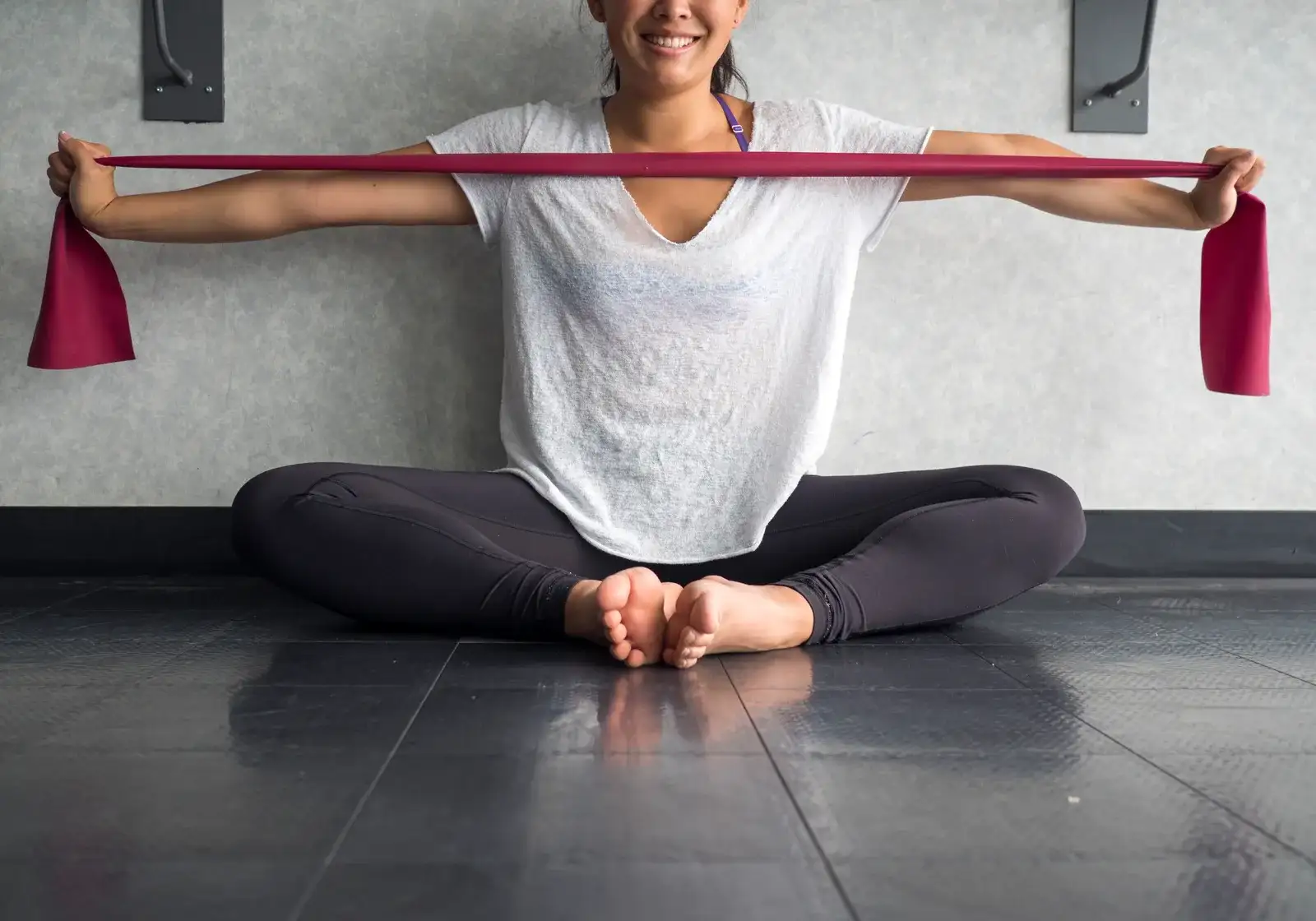
Tennis elbow physical therapy in Carmel, Indiana
Tennis elbow, or lateral elbow tendinopathy, is pain on the outside of the elbow where the forearm muscles that lift the wrist attach, and it usually comes from gripping loads the tendon was not ready for. Physical therapy for tennis elbow in Carmel, delivered one-on-one by the therapist you are matched with, centers on education, smart changes to aggravating activity, and progressive forearm and grip strengthening, with manual therapy as an adjunct. Many people notice real improvement within 6 to 12 weeks, although long-standing cases can take several months.
At a glance
Common signs of tennis elbow
Also called: Lateral epicondylitis, Lateral elbow tendinopathy, Lateral epicondylalgia, Pickleball elbow.
What is tennis elbow, and why do people who never play tennis get it?
Tennis elbow is an overload problem of the common extensor tendon, which anchors the muscles that lift your wrist and fingers to the lateral epicondyle, the bony bump on the outside of the elbow. The clinical name is lateral elbow tendinopathy. Despite the older term epicondylitis, it is understood today less as inflammation and more as a tendon whose capacity has been exceeded.
Anything that combines firm gripping with a working wrist can do it, which is why racquet players are a minority of cases. A jump in pickleball play when outdoor courts around Carmel fill up again in spring, a backhand hit late, a new paddle or grip size, long hours on a mouse, a weekend of pruning, painting or driving screws: each asks more of the tendon than it was prepared for.
Golfer’s elbow is the inner-elbow cousin. It affects the tendons of the muscles that bend the wrist and turn the palm down, where they attach to the medial epicondyle on the inside of the elbow. The principles of care are similar, but the exercises load the opposite side of the forearm, so it is worth getting the right label.
How does a physical therapist confirm tennis elbow and rule out look-alikes?
Tennis elbow is usually identified with a clinical exam, without scans. Your therapist will press on the lateral epicondyle, resist your wrist and middle finger as you lift them, and compare grip on both sides, noting the point at which pain begins. Reproducing your familiar pain with these tests, in the expected spot, points toward lateral elbow tendinopathy.
Look-alikes matter. An irritated nerve in the neck or a compressed radial nerve in the forearm can send pain to the same area, and joint problems inside the elbow can cause catching or locking. Expect your neck, shoulder and wrist to be checked too. A weak or stiff shoulder often pushes extra work onto the forearm, a link explored on our shoulder pain physical therapy page.
The conversation is as useful as the testing. Paddle or racquet weight, grip size, string tension, how often you play, your desk and mouse setup, and the tools you use at work all shape the plan. You can list these details in the physical therapy assessment so the matching team has them before your first conversation.
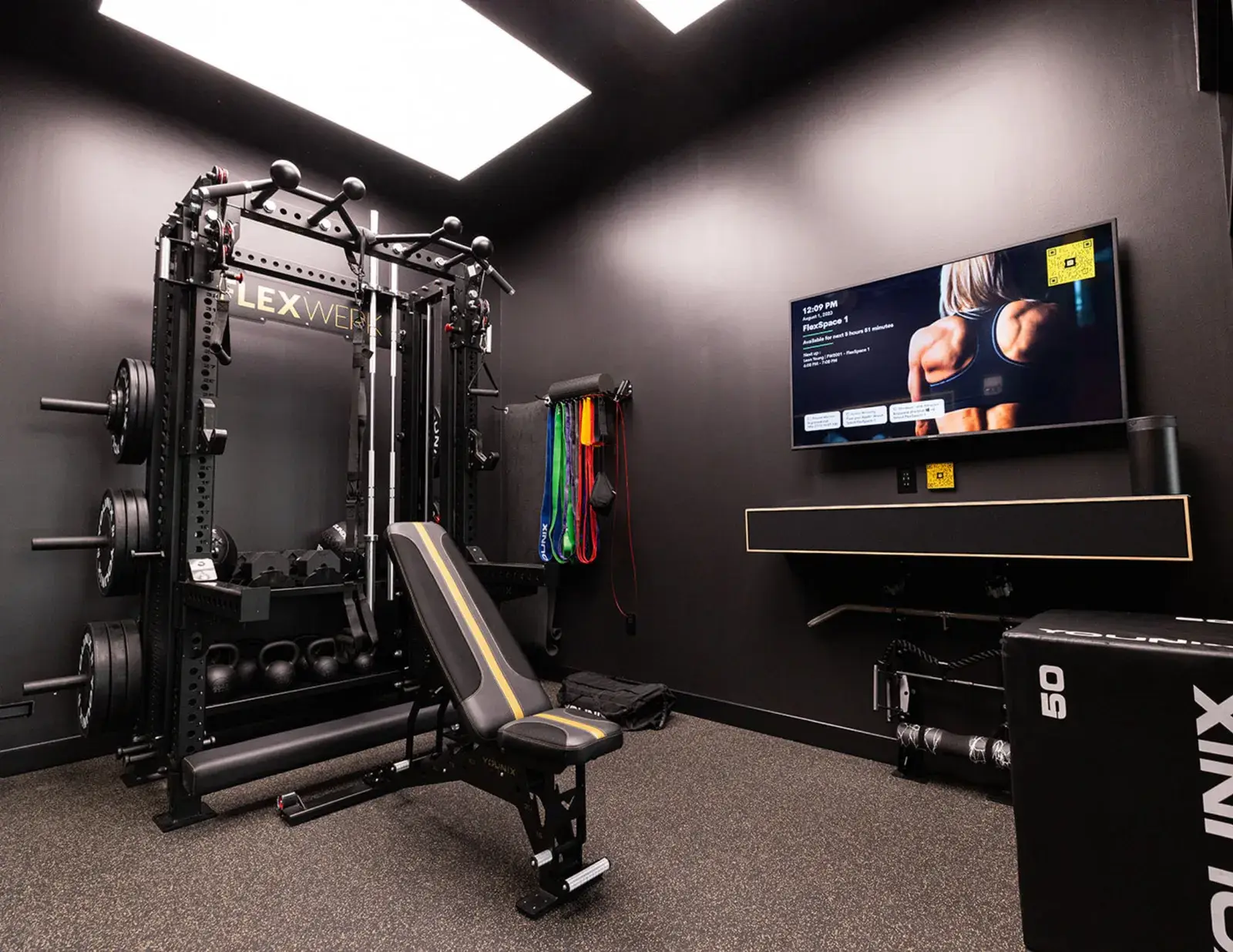
What does tennis elbow rehab look like in a private suite at FlexWerk?
Tennis elbow rehab is built on progressive tendon loading, and every session is one-on-one with a licensed physical therapist in the network, in a private suite at FlexWerk. The tendon needs load to recover, but in the right dose. Your therapist teaches you how to read your symptoms, trims the activities that spike pain, and starts strengthening at a level the elbow tolerates.
Hands-on treatment for the elbow and forearm can ease pain in the short term and is used as an adjunct. A counterforce strap may make gripping more comfortable for some people during activity. You may have heard of injections or shockwave treatment for stubborn cases. Those are decisions for a physician, and they do not replace rebuilding the tendon’s capacity.
For racquet, paddle and golf athletes, the later stages overlap with sports physical therapy: technique cues, equipment tweaks and a graded return to full play. If you later want coaching for general strength, it helps to know the difference between a physical therapist and a personal trainer.
- Isometric wrist extension holds, which some people find ease pain while keeping the tendon working
- Slow wrist extension lifts and lowers with a dumbbell, with weight added gradually
- Grip, forearm rotation and shoulder strengthening to share the load along the arm
- Faster, sport or job-specific work such as backhand drills, tool use or lifting with the palm down
How long does tennis elbow take to heal?
Tendons adapt slowly, so tennis elbow recovery is measured in weeks and months, not days. Many people notice meaningful improvement in grip and daily tasks within 6 to 12 weeks of consistent loading. Cases that have dragged on for many months before treatment can take 3 to 6 months, occasionally longer, to settle fully.
Two things predict a smoother course: keeping the tendon working at a tolerable level, and avoiding sudden spikes such as a weekend tournament after weeks off. Mild discomfort during exercise that fades within a day is generally acceptable. Pain that lingers or ramps up the next morning is a sign to reduce the dose, and your therapist will help you calibrate that.
What can I change today to take pressure off a sore elbow?
The quickest relief usually comes from changing how you grip and lift, not from stopping everything. Lifting with the palm facing up or with the thumb on top shifts work away from the sore tendon. Loosening your grip on the paddle, club, mouse or steering wheel helps as well, since many people squeeze far harder than the task requires.
Equipment and workstation tweaks are worth a look. A grip that is too small, a heavy paddle or a stiff string bed can raise the load on the forearm, and a mouse used with the wrist cocked back for hours does the same. Complete rest is tempting, but tendons that are fully rested tend to be just as sore when activity resumes.
- Lift pans, bags and weights with the palm up or thumb up for now
- Support the forearm on the desk and keep the wrist level while using a mouse
- Shorten playing sessions and cut back on hard backhands instead of quitting entirely
- Choose tools with padded or larger handles, and take regular breaks
- Avoid repeated gripping through sharp pain, and avoid long layoffs followed by a sudden return
When to see a physician or go to the ER first
Physical therapy is the right start for most tennis elbow. These symptoms are different and need medical attention before, or instead of, a physical therapy visit:
- Elbow pain after a fall or direct blow, with swelling, deformity or an elbow you cannot straighten
- A hot, red, swollen elbow, especially with fever or a break in the skin
- A sudden pop at the front of the elbow followed by bruising and weakness
- Numbness, tingling or weakness in the hand or fingers, particularly with neck pain
- An elbow that locks, catches or gets stuck
- Constant pain at rest or at night that is unrelated to arm use
If you think it is an emergency, call 911.
Two-minute assessment
Get your tennis elbow looked at
Tell us how your tennis elbow started, how long it has been going on and what it is stopping you from doing. The matching team proposes a therapist in the network who focuses on it, and you hear back, usually within one business day.
- No referral needed to start in Indiana (first 42 days)
- We check which therapists work with your plan before you book
- One-on-one care in a private suite at Carmel City Center
How therapists treat it
Kinds of care used for tennis elbow
- Sports physical therapyRehab for active adults that goes past pain relief to the strength, power and movement your sport actually demands.
- Orthopedic physical therapyExercise-led care for back, neck, shoulder, hip, knee and ankle problems, delivered one-on-one in a private suite.
- Post-rehab strength trainingThe bridge from discharge to lasting strength: a written handoff from your therapist to a FlexWerk coach in the same building.
Questions
Tennis elbow: what people ask
Information on this website is general education, not medical advice, a diagnosis or a treatment plan. Only a licensed clinician who examines you can advise on your condition. If you may be having a medical emergency, call 911.
Something we did not cover? Ask the matching team or ring (888) 353-9975.
Should I wear a tennis elbow strap or brace?
A counterforce strap worn just below the elbow can reduce pain during gripping for some people, and it is reasonable to try one. It does not strengthen the tendon, so think of it as a comfort aid alongside a loading program.
Can I keep playing pickleball or tennis with tennis elbow?
Usually yes, in a reduced dose. Shorter sessions, fewer hard backhands and a check of paddle weight and grip size often let you keep playing while rehab builds the tendon back up.
What is the difference between tennis elbow and golfer’s elbow?
Tennis elbow hurts on the outside of the elbow and involves the tendons that lift the wrist. Golfer’s elbow hurts on the inside and involves the tendons that bend the wrist and grip, and golfers can develop either one.
Do I need a referral or a scan to start physical therapy for tennis elbow in Indiana?
Neither is usually required to begin. Tennis elbow is typically identified by clinical exam, and Indiana’s direct access law permits up to 42 calendar days of treatment without a referral, although some insurance plans ask for one. Our guide to Indiana physical therapy referral rules has the details.
Is a cortisone shot a good idea for tennis elbow?
That is a decision to make with your physician. An injection may ease pain for a while, but relief is often temporary and it does nothing to rebuild tendon strength, so discuss the trade-offs and keep a loading program in the picture.
Google reviews
What guests say about FlexWerk
These are live Google reviews of FlexWerk at Carmel City Center, the private-suite facility where therapists in the network practise.
Related
Conditions that travel together
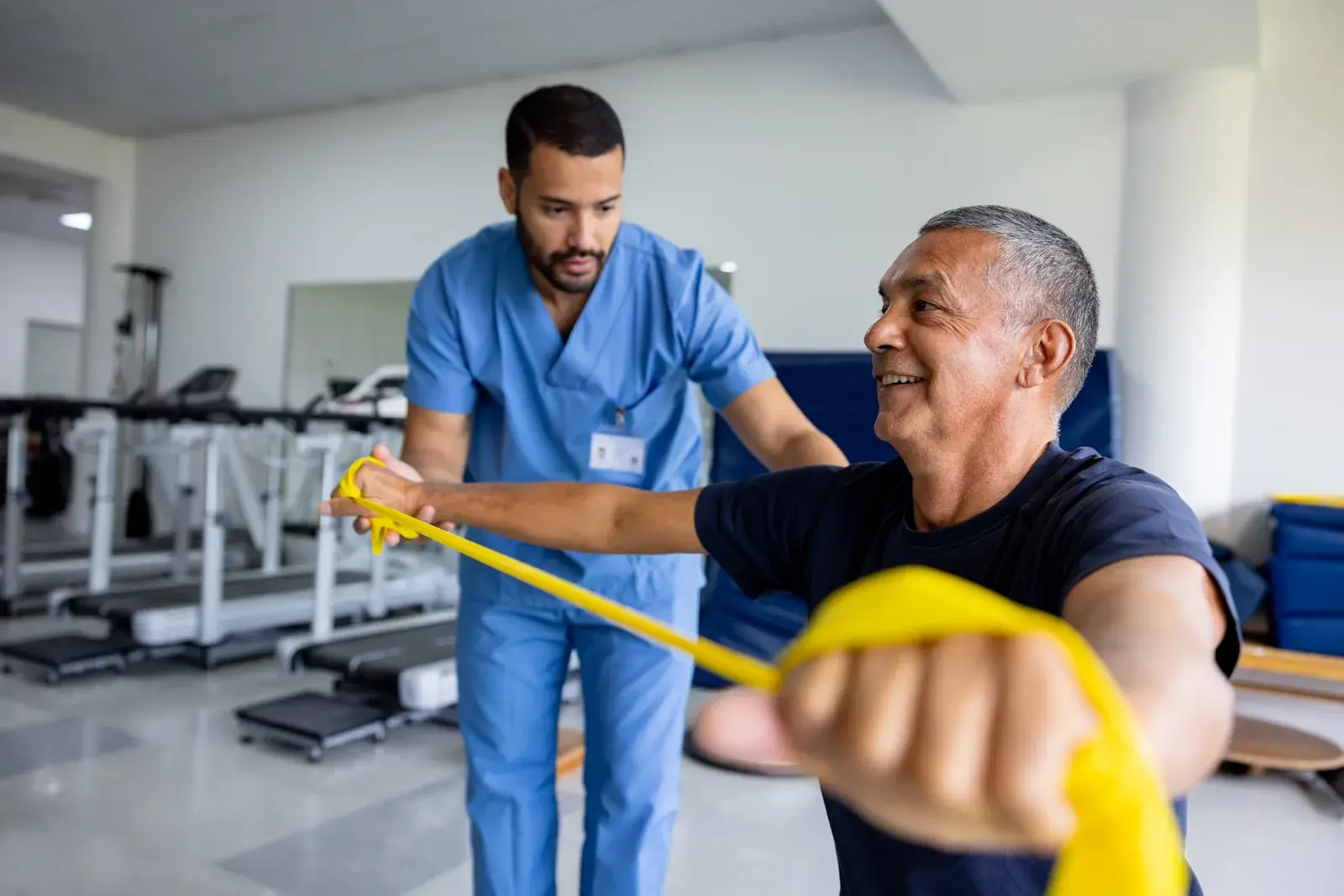 Shoulder painOne-on-one care for impingement-type pain, frozen shoulder, instability and overhead sport shoulders.
 Neck painHelp for stiff, aching necks, neck-related headaches and arm symptoms that start at the neck.
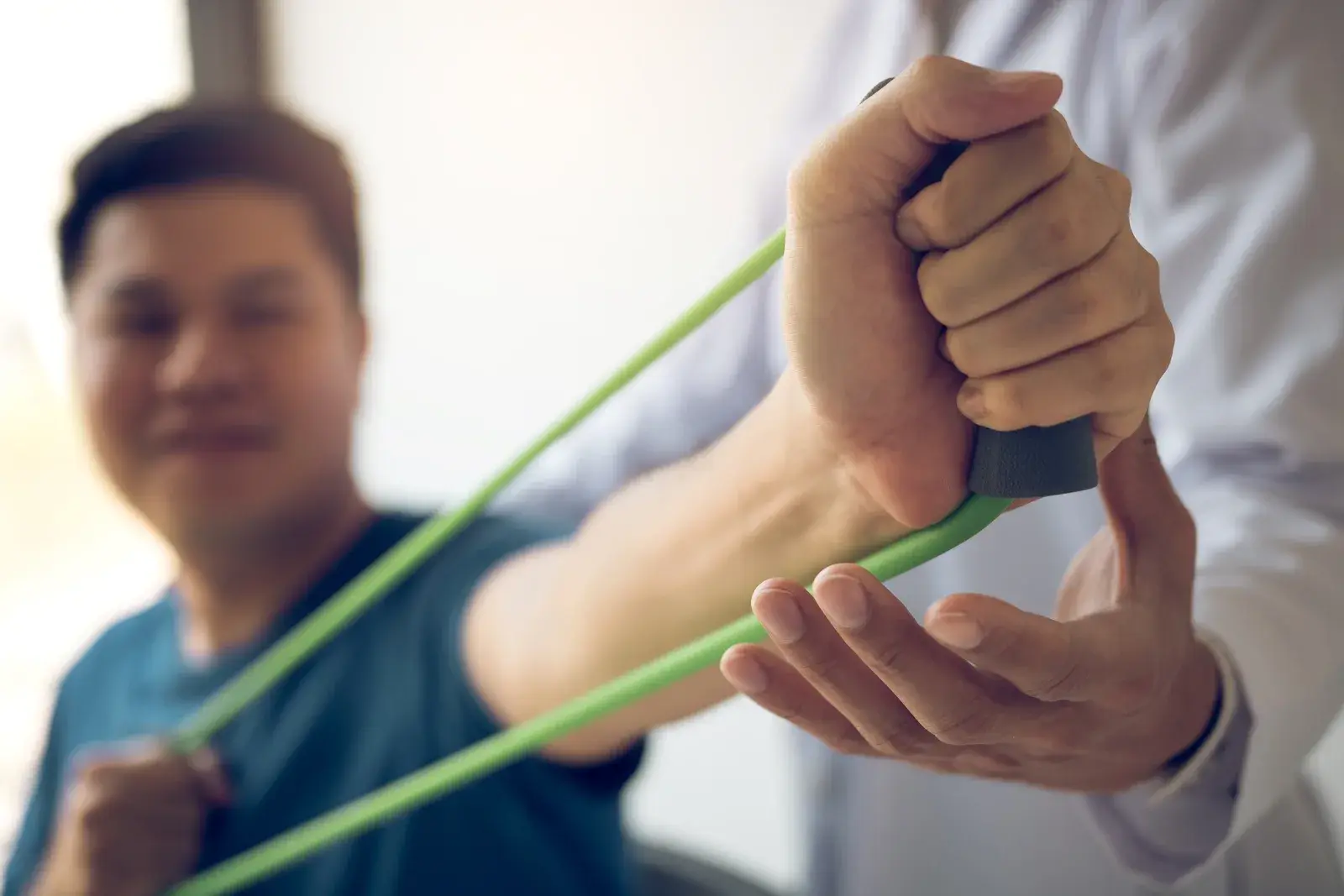 Rotator cuff injuryProgressive loading for cuff tendinopathy and tears, plus protocol-led rehab after surgical repair.
Page reviewed By the Monon Therapy Collective editorial team

Carmel City Center · Carmel, Indiana
Start with a conversation
Tell us what hurts and what you want to get back to. We will tell you honestly whether a therapist in the network is likely a good fit for what you describe, and match you with an independent, licensed therapist who is. Only that therapist can assess what will help.
885 Monon Green Blvd, Suite 120, Carmel, IN 46032 · Monday to Friday 5 AM to 9 PM · Saturday and Sunday 7 AM to 4 PM