
Running injury physical therapy in Carmel, Indiana
Running injury physical therapy identifies why a running injury developed, usually a mix of training load, strength deficits and running mechanics, and addresses it while keeping you running as much as is safe. The private suites sit steps from the Monon Trail in Carmel, Indiana, where the licensed physical therapist you are matched with reviews your training, tests your strength one-on-one and watches you run on the indoor turf corridor. Most plans combine an adjusted running schedule with progressive strength work, not complete rest.
Common running injuries and why they happen
Most running injuries are overuse injuries, which means a tissue was asked to do more than it had been prepared for. The usual trigger is a change: mileage that climbed too quickly, a sudden block of speed work or hills, new shoes, a new surface, or a return after time off at the old pace. Strength deficits and running mechanics can add to the load on one particular spot.
Carmel runners have a recognizable calendar. Mileage builds through late winter for spring races such as the Carmel Marathon and the Indy Mini, often on cold pavement or a treadmill, and then jumps when the weather turns. The Monon Trail is flat, straight and paved, which is kind in some ways and repetitive in others. Your therapist asks about all of this, because the training story usually explains problems such as knee pain or plantar fasciitis.
- Pain around or behind the kneecap, often called runner’s knee
- Iliotibial band pain on the outside of the knee
- Shin pain, including medial tibial stress syndrome, commonly called shin splints
- Achilles tendon pain and calf strains
- Plantar fasciitis, felt as heel pain with the first steps of the morning
- Hip and gluteal tendon pain, and hamstring tendon pain near the sit bone
What a running assessment looks like at FlexWerk
A running assessment with a therapist in the network has three parts: your training history, a physical examination and a look at how you run. One licensed physical therapist stays with you from start to finish. Bring your running shoes, and your training log or watch data if you keep it, because weekly mileage, long-run length and recent changes are often the most useful information in the room.
The examination takes place in a private suite and covers the painful area plus the joints above and below it. Expect single-leg squats, calf raise counts, hopping when appropriate, hip and ankle mobility checks, and strength testing with the cable system and dumbbells. Runners are often surprised by a side-to-side difference they had never noticed.
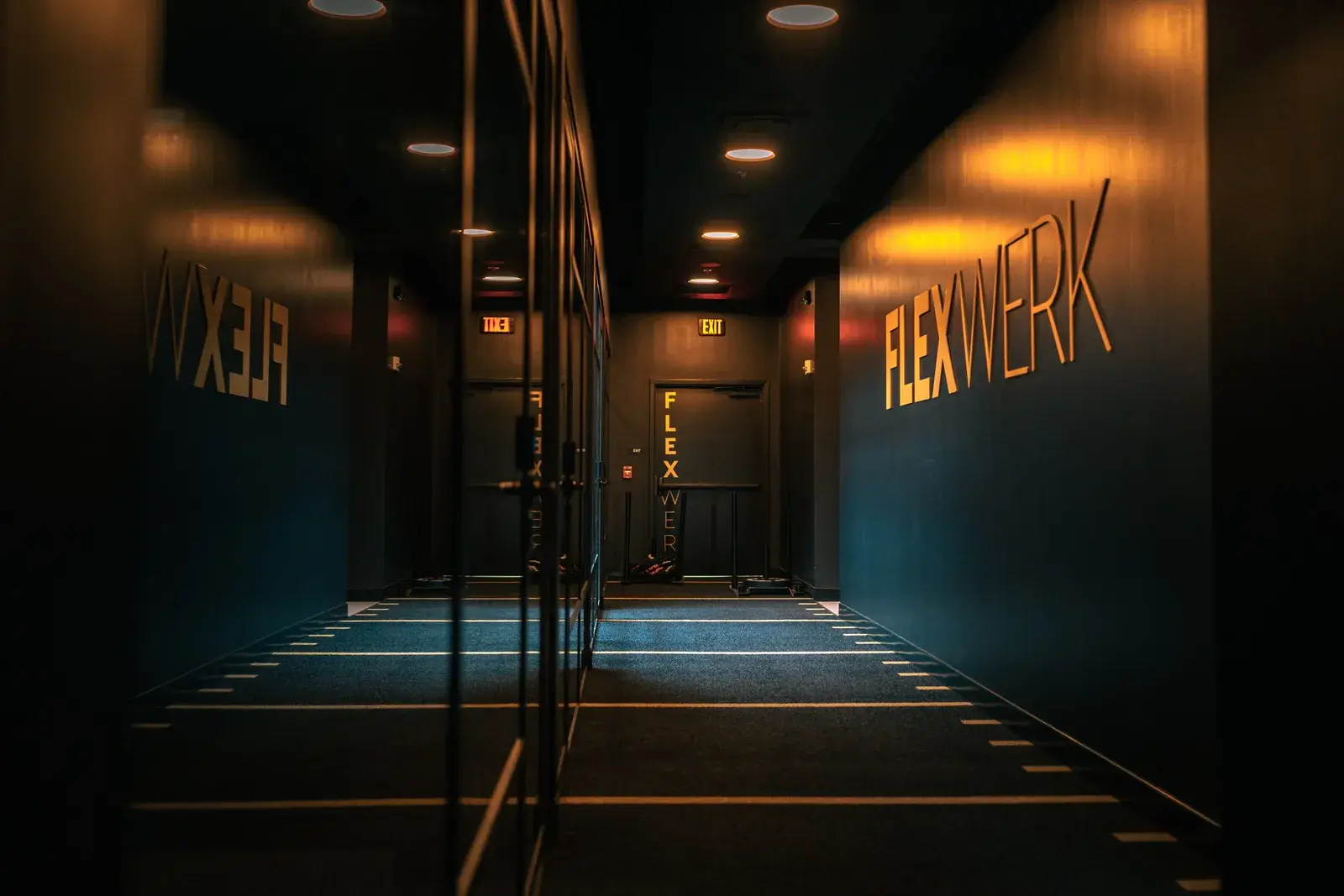
For the running itself, your therapist watches you run short passes on the indoor turf corridor outside the suites, from the front, back and side. This is skilled observation over short distances, not a treadmill video gait laboratory. It is enough to spot patterns that commonly matter, such as overstriding, a heavy heel strike far in front of the body, a low step rate or a hip that drops with each step.
The return-to-running plan, stage by stage
A return-to-running plan adjusts your running to a level the injured tissue can tolerate, strengthens what is weak, then builds mileage back in planned steps. Complete rest is rarely the first choice. Many tendon and kneecap problems settle over 6 to 12 weeks of consistent work, while a bone stress injury takes longer and needs a physician’s oversight. Every timeline depends on how long the problem has been present and how easily it flares.
Your therapist gives you simple rules for judging pain during and after runs, so you can make day-to-day decisions without guessing. If small changes to your form are worth trying, such as a slightly quicker step rate, they are introduced in short doses. Cross-training on a bike, elliptical or rowing machine can hold your fitness while running volume is reduced.
- Settle: reduce weekly volume, intensity or hills to a level that keeps pain mild and short-lived.
- Strengthen: progressive loading for calves, quadriceps, hips and feet, two to three times a week.
- Rebuild: walk-run intervals or shorter easy runs, increased gradually with planned easier weeks.
- Sharpen: bring back speed work, hills and long runs one at a time.
- Race: a taper and race-day plan if you have an event on the calendar.
Which runners this helps, and when pain needs a physician
This service helps runners at every level, from someone finishing a first couch-to-5K program on the Monon to a marathoner chasing a qualifying time. It also suits walkers and hikers with similar overuse problems. Pain that warms up and eases during a run, or that appears at a predictable distance, is typical of the conditions running rehab addresses.
Some symptoms point toward a bone stress injury or another problem that needs a physician, and possibly imaging, before rehab. See a doctor first if you have pinpoint pain on a bone that worsens as you run, pain at night or at rest, pain with simple walking or hopping, noticeable swelling over the shin or foot, or calf pain with swelling and warmth. Chest pain, fainting or unusual breathlessness during exercise needs prompt medical attention.
If your exam suggests any of these, your therapist will tell you plainly and help you work out which kind of appointment to make. Catching a bone stress injury early usually means a shorter layoff than running on it until it forces you to stop.
Beyond the injury: strength, testing and staying on the road
Strength work is a core part of running rehab, and this is where the FlexWerk setup helps. Each private suite has a lifting rack, cable system, dumbbells and a bench, so your program can include the heavy calf, quadriceps and hip training that running tissues respond to, not only light exercises on a mat.
If your injury followed surgery or a long layoff, return-to-sport testing can confirm you are ready for full training. Once you are discharged, you can keep lifting in the same building under an independent FlexWerk coach, which is what post-rehab strength training is for. FlexWerk coaches are personal trainers, not clinicians, and they work from your therapist’s written notes.
The suites are at 885 Monon Green Blvd, Suite 120, in Carmel City Center, so the trail many local runners train on is right outside. Tell the matching team about your injury, your weekly mileage and your next race in the online assessment. A call or text follows, and the therapist’s office sets up a first visit from there.
Who it helps
Running injury physical therapy is for runners who
- Have pain that returns at the same point in every run
- Are building toward the Carmel Marathon, the Indy Mini or another race and want to avoid a long layoff
- Rested for weeks, felt better, then had the pain return on the first run back
- Keep getting injured each time mileage passes a certain level
- Are returning to running after a long break or surgery and want a structured plan
- Want a strength program built around their running schedule
Conditions
Problems this kind of care treats
 Plantar fasciitisHeel pain and first-step morning pain treated with calf and foot loading, footwear advice and load management.
 Knee painHelp for runner’s knee, meniscus irritation, tendon pain and arthritis flares, built on progressive strength work.
 Hip painCare for outer hip pain often called bursitis, hip impingement, hip osteoarthritis and hip flexor strains.
 Ankle sprainRehab for fresh sprains and ankles that keep rolling: strength, balance retraining and a tested return to sport.
Two-minute assessment
Not sure which therapist is right for you?
Answer a few questions about what hurts, how long it has been going on and what you want to get back to. Our matching team reads every answer and proposes a licensed physical therapist in the network whose focus, schedule and coverage fit. Two minutes, no obligation.
- No referral needed to start in Indiana (first 42 days)
- We check which therapists work with your plan before you book
- One-on-one care in a private suite at Carmel City Center
Questions
About running injury physical therapy
Information on this website is general education, not medical advice, a diagnosis or a treatment plan. Only a licensed clinician who examines you can advise on your condition. If you may be having a medical emergency, call 911.
Something we did not cover? Ask the matching team or ring (888) 353-9975.
Do I have to stop running during physical therapy?
Usually not completely. Most runners can continue at a reduced volume or intensity that keeps symptoms mild, and total rest is reserved for problems such as suspected bone stress injuries. Your therapist will give you clear limits.
Do you do video gait analysis on a treadmill?
The assessment described here uses direct observation of your running on the indoor turf corridor, combined with strength and mobility testing. It is not a treadmill video gait laboratory. For most overuse injuries, training load and strength findings guide the plan more than fine details of form.
Should I change my running shoes?
Sometimes, but shoes are rarely the whole answer. Bring your current pair so your therapist can look at the wear pattern and ask how they feel. Comfort is a reasonable guide when choosing a new pair.
Can I still run my race if I am injured now?
It depends on the injury, how far away the race is and how you respond to the first weeks of treatment. Your therapist will give you an honest view and, if racing is realistic, a plan to reach the start line with the least risk.
Is running bad for my knees?
For most people, no. Recreational running is generally considered safe for healthy knees, and knee pain in runners usually relates to training load and strength, both of which can be changed.
Google reviews
What guests say about FlexWerk
These are live Google reviews of FlexWerk at Carmel City Center, the private-suite facility where therapists in the network practise.
Continue
Related services
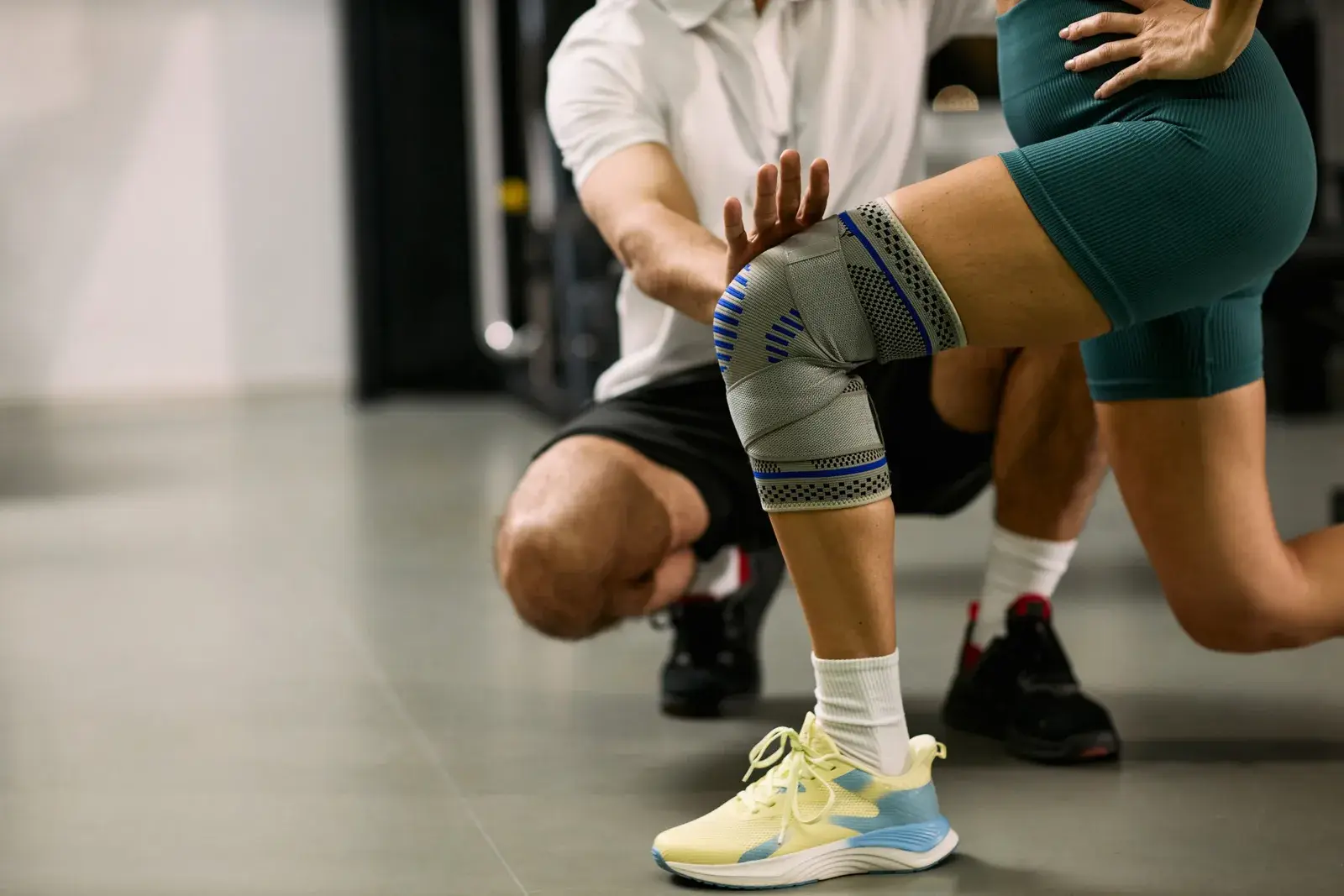 Sports physical therapyRehab for active adults that goes past pain relief to the strength, power and movement your sport actually demands.
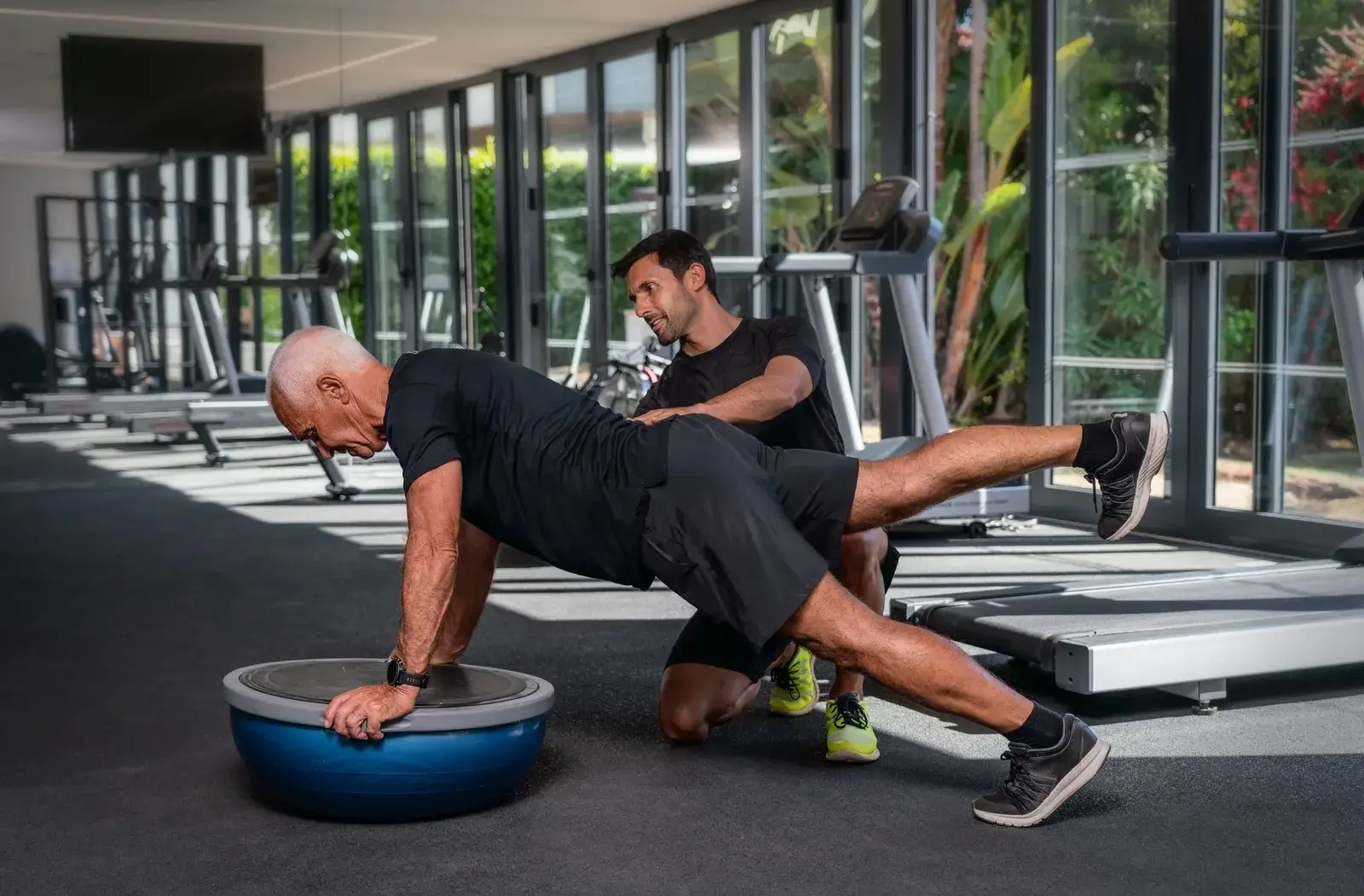 Return-to-sport testingCriteria-based testing of strength, hopping, movement and confidence, so your return to sport rests on evidence, not the calendar.
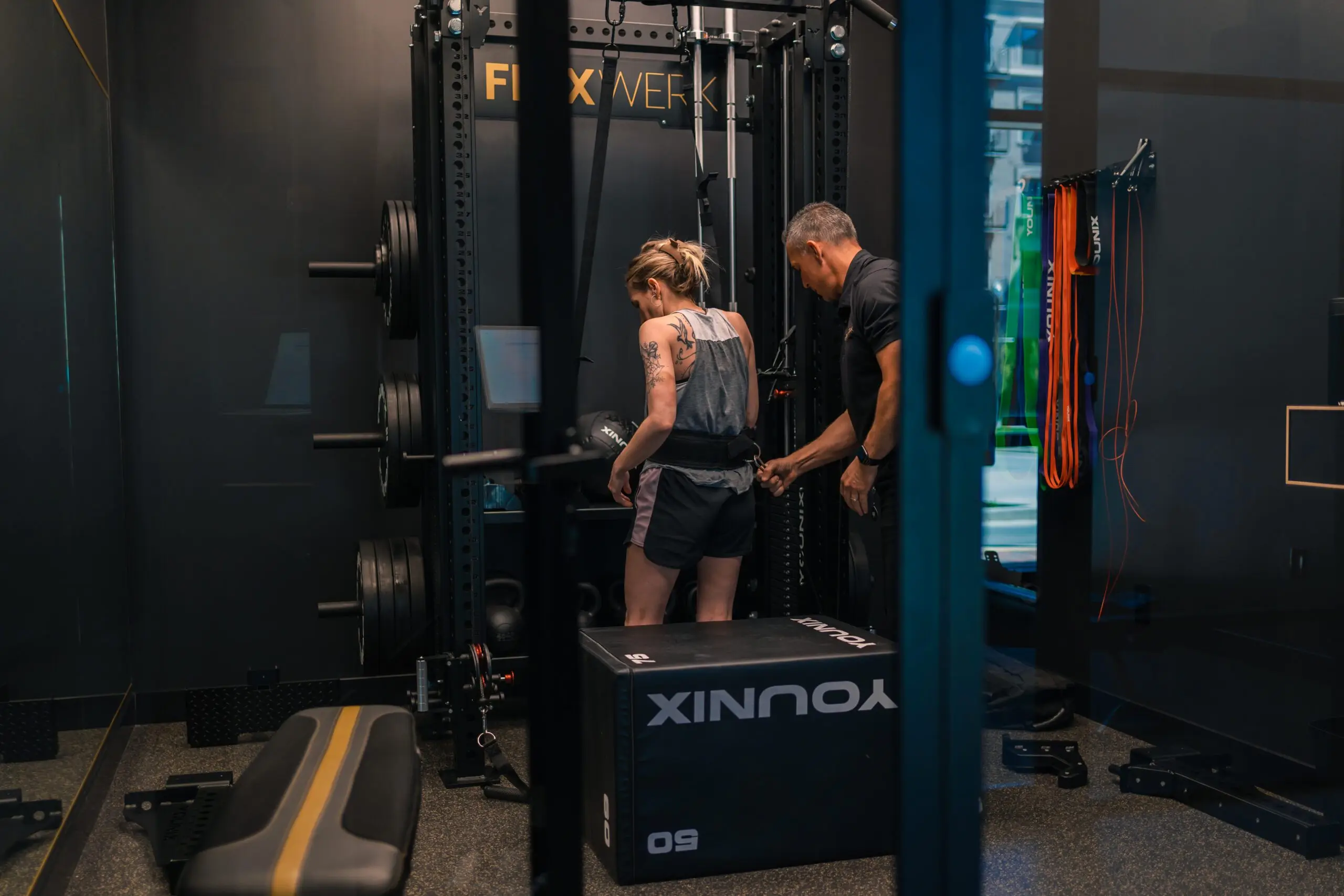 Post-rehab strength trainingThe bridge from discharge to lasting strength: a written handoff from your therapist to a FlexWerk coach in the same building.
Page reviewed By the Monon Therapy Collective editorial team

Carmel City Center · Carmel, Indiana
Start with a conversation
Tell us what hurts and what you want to get back to. We will tell you honestly whether a therapist in the network is likely a good fit for what you describe, and match you with an independent, licensed therapist who is. Only that therapist can assess what will help.
885 Monon Green Blvd, Suite 120, Carmel, IN 46032 · Monday to Friday 5 AM to 9 PM · Saturday and Sunday 7 AM to 4 PM