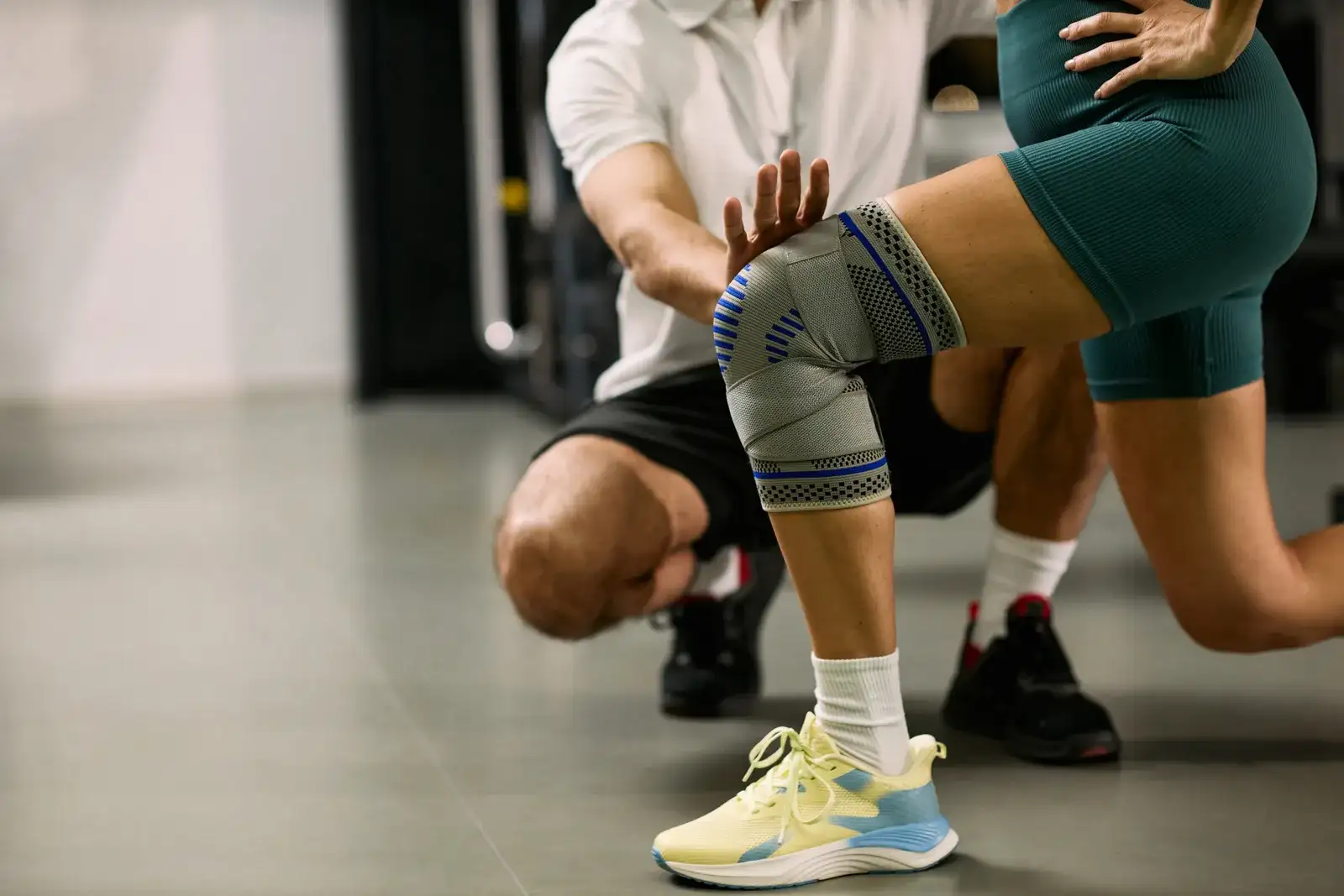
ACL injury physical therapy in Carmel, Indiana
ACL rehabilitation is a long, staged process, and physical therapy is central to it whether or not you have surgery. In Carmel, the licensed physical therapist you are matched with can guide prehab before reconstruction, rehab afterward or a non-surgical program, one-on-one in a private suite. Return to cutting and pivoting sports is decided by strength and hop testing, not the calendar alone, and typically takes 9 to 12 months after surgery.
At a glance
Common signs of acl injury
Also called: ACL tear, Anterior cruciate ligament injury, ACL reconstruction rehab, Torn ACL.
What is an ACL injury and how does it usually happen?
The anterior cruciate ligament, or ACL, is a strong band inside the knee that stops the shin bone from sliding forward and rotating under the thigh bone. It is most often injured without any contact at all: a sudden stop, a cut, or an awkward landing from a jump with the knee collapsing inward. People commonly describe a pop, fast swelling and a knee that no longer feels trustworthy.
Soccer, basketball, lacrosse, football and skiing account for many of these injuries, which is why they are a familiar story on the sidelines at Grand Park in Westfield and in adult recreational leagues around Hamilton County. For athletes who are still growing, surgical timing and rehabilitation differ from adult care, and a pediatric sports medicine team should lead those decisions.
An ACL tear is diagnosed by a physician, usually with a physical examination and an MRI, which also shows whether the meniscus, cartilage or other ligaments were hurt at the same time. Those associated injuries matter, because they shape both the surgical decision and the pace of rehabilitation.
Does every torn ACL need surgery?
No. Some people return to a full life without reconstruction, particularly if their activities involve straight-line movement such as running, cycling and lifting, and if the knee does not give way. Others, especially those heading back to cutting and pivoting sports or whose knee keeps buckling, are usually advised to have the ligament reconstructed. That decision belongs to you and an orthopedic surgeon.
Physical therapy has a role on both paths. Before surgery, prehab aims for a quiet knee: swelling down, full straightening restored, walking normally and the quadriceps switched back on. Going into an operation with a calm, strong knee tends to make the early weeks afterward easier. If you choose the non-surgical route, the same program simply continues into heavier strength, balance and agility work, with regular checks for episodes of giving way.
If you are still weighing the options, our answer on whether physical therapy can help you avoid surgery sets out how that choice is usually made, where rehabilitation alone falls short, and which questions are worth bringing to your surgeon before you commit either way.
What does ACL rehab look like after reconstruction?
Rehab after reconstruction moves through stages, and you advance when your knee meets the goals of each stage, not simply because a certain number of weeks have passed. As described on the post-surgical rehabilitation page, your physical therapist follows your surgeon’s protocol throughout, including any limits tied to the graft used or to a meniscus repair done during the same operation.
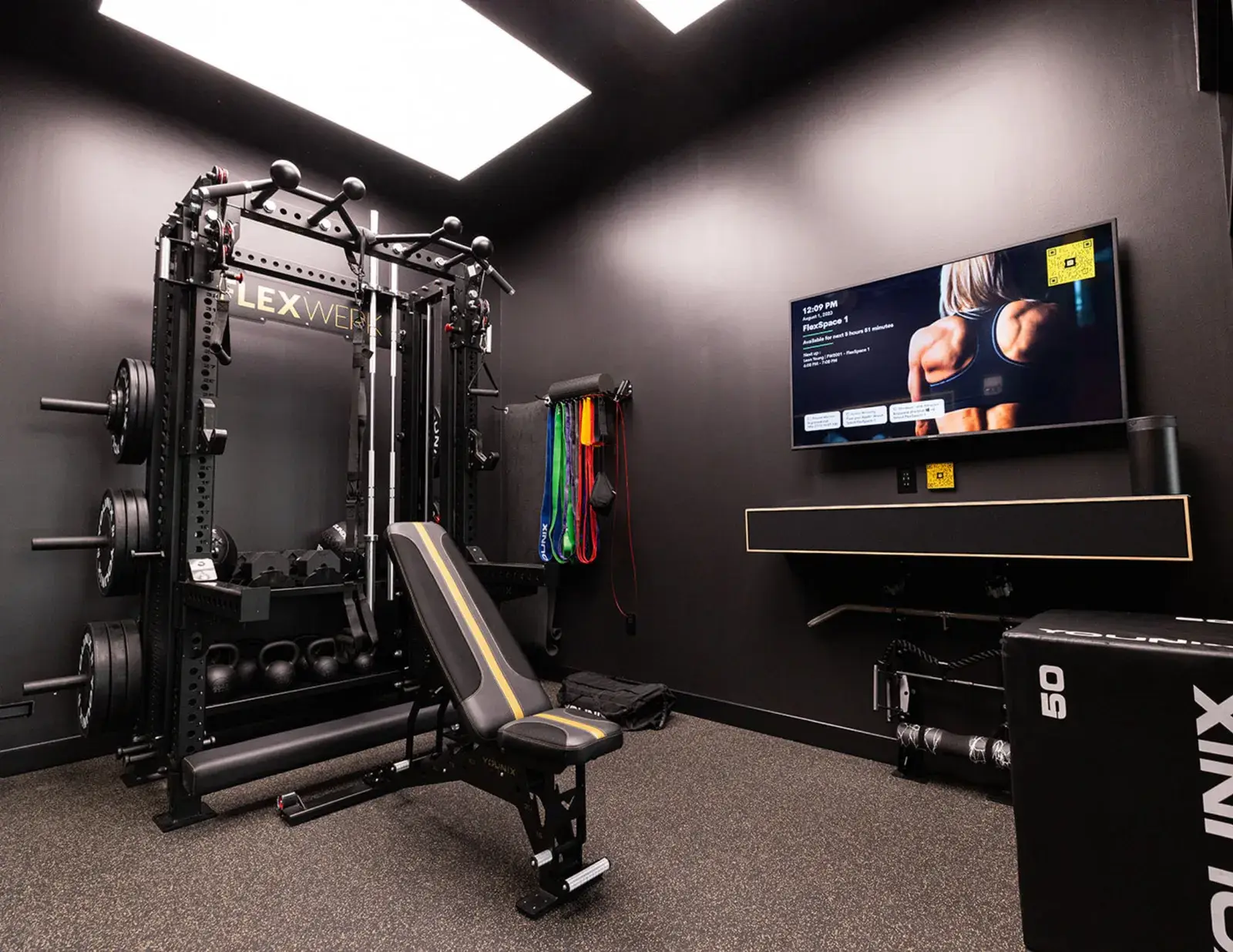
In a private suite at FlexWerk the work can progress from table exercises to a lifting rack, cable system and plyo box without changing rooms, and the indoor turf corridor outside gives space for running drills and changes of direction. The usual sequence is set out below.
- Settle the knee: control swelling, regain full straightening, wake up the quadriceps and walk without a limp.
- Build strength: progressive leg press, squats, step-downs, hamstring and calf work, plus single-leg balance.
- Return to running: begins once strength, swelling and movement quality meet set criteria, often a few months in.
- Jumping and landing: two-leg then single-leg hops, with attention to how the knee tracks on landing.
- Agility and sport drills: cutting, deceleration and reaction work that mirrors your sport.
- Testing and clearance: strength and hop tests compared with the other leg, shared with your surgeon.
When can I play sports again after an ACL injury?
For sports that involve cutting, pivoting and jumping, unrestricted return typically takes 9 to 12 months after reconstruction, and some people need longer. Going back too early is widely thought to raise the chance of a second injury, which is why time alone is never the only test. Daily life recovers much sooner: many people walk comfortably within weeks and are jogging within a few months.
Clearance is criteria-based. Through return to sport testing, a physical therapist compares quadriceps and hamstring strength, single-leg hop distance and landing control against your uninjured leg, and asks how confident you feel in the knee. Results go to your surgeon, who gives the final medical clearance. Recovery speed varies with graft type, associated injuries, age and how consistently you train, so treat any timeline as an estimate.
Once formal rehab ends, the knee still benefits from a year or more of continued strength work. At FlexWerk you can keep training in the same building with an independent coach through post-rehab strength training. Coaches are personal trainers, not clinicians, so they build on the plan your therapist hands over instead of treating the injury.
What should I do in the first days after a suspected ACL injury?
See a physician promptly, because a knee that popped, swelled quickly and feels unstable needs a medical diagnosis before rehabilitation starts. Until then, protect the knee without freezing it: use crutches if walking is painful, elevate and compress the leg to manage swelling, and gently bend and straighten the knee within comfort several times a day.
Avoid returning to sport on a knee that gives way, since each buckling episode can injure the meniscus and cartilage. Skip the urge to rest for weeks in a brace unless a physician has told you to, because stiffness and thigh weakness set in fast.
Once you have a diagnosis, or if surgery is already booked and you want to begin prehab, send us the online physical therapy assessment and expect a call or text from the matching team so we can propose a therapist who can work around your surgeon’s timeline. While you wait for appointments, the simple habits below keep the knee moving and the thigh muscle working.
- Tighten the thigh muscle with the knee straight, holding for a few seconds, several times a day
- Rest the heel on a rolled towel to encourage full straightening
- Keep walking short distances if it is comfortable and the knee feels stable
- Write down how the injury happened and what the knee has done since
When to see a physician or go to the ER first
Physical therapy is the right start for most acl injury. These symptoms are different and need medical attention before, or instead of, a physical therapy visit:
- You cannot bear weight on the leg or take four steps after the injury
- The knee looks deformed, or the kneecap appears out of place
- The knee is stuck and cannot be straightened, which can mean a trapped meniscus
- Numbness, tingling, or a cold, pale foot after the injury
- Calf pain, swelling and warmth, especially after surgery, which may indicate a blood clot
- After surgery: fever, spreading redness, or drainage from the incision
If you think it is an emergency, call 911.
Two-minute assessment
Get your acl injury looked at
Tell us how your acl injury started, how long it has been going on and what it is stopping you from doing. The matching team proposes a therapist in the network who focuses on it, and you hear back, usually within one business day.
- No referral needed to start in Indiana (first 42 days)
- We check which therapists work with your plan before you book
- One-on-one care in a private suite at Carmel City Center
How therapists treat it
Kinds of care used for acl injury
- Post-surgical rehabilitationProtocol-led rehab after joint replacement, ligament, tendon and spine surgery, in a quiet private room instead of a crowded gym.
- Return-to-sport testingCriteria-based testing of strength, hopping, movement and confidence, so your return to sport rests on evidence, not the calendar.
- Sports physical therapyRehab for active adults that goes past pain relief to the strength, power and movement your sport actually demands.
Questions
ACL injury: what people ask
Information on this website is general education, not medical advice, a diagnosis or a treatment plan. Only a licensed clinician who examines you can advise on your condition. If you may be having a medical emergency, call 911.
Something we did not cover? Ask the matching team or ring (888) 353-9975.
Do I need a referral for physical therapy after ACL surgery?
In practice, yes. Indiana’s direct access window is 42 calendar days from the first treatment, but ACL rehab runs far longer than that, and your therapist needs the surgeon’s protocol anyway. Bring the referral and your operative details to the first visit.
Will insurance cover nine or more months of ACL rehab?
Many plans cover post-surgical physical therapy, but visit limits, authorizations and referral rules differ from plan to plan. Before you book, we check which therapists in the network work with your plan, and the therapist’s office confirms your benefits before your first visit. Our cost and insurance page explains how pricing works.
How soon after ACL surgery does physical therapy start?
Most surgeons want rehab to begin within the first week or so, and some within days, to control swelling and restore straightening early. Follow the timing your own surgeon gives you.
How often will I need physical therapy during ACL rehab?
Visits are usually more frequent in the first couple of months and then taper as you take on more independent gym work. Our answer on how often to go to physical therapy explains how frequency is decided.
Can I reduce the chance of tearing my ACL again?
Nothing removes the risk, but three steps are consistently recommended: reach your strength and hop-test targets before returning, allow enough time, and keep up a landing and cutting warm-up program once you are back.
Google reviews
What guests say about FlexWerk
These are live Google reviews of FlexWerk at Carmel City Center, the private-suite facility where therapists in the network practise.
Related
Conditions that travel together
 Knee painHelp for runner’s knee, meniscus irritation, tendon pain and arthritis flares, built on progressive strength work.
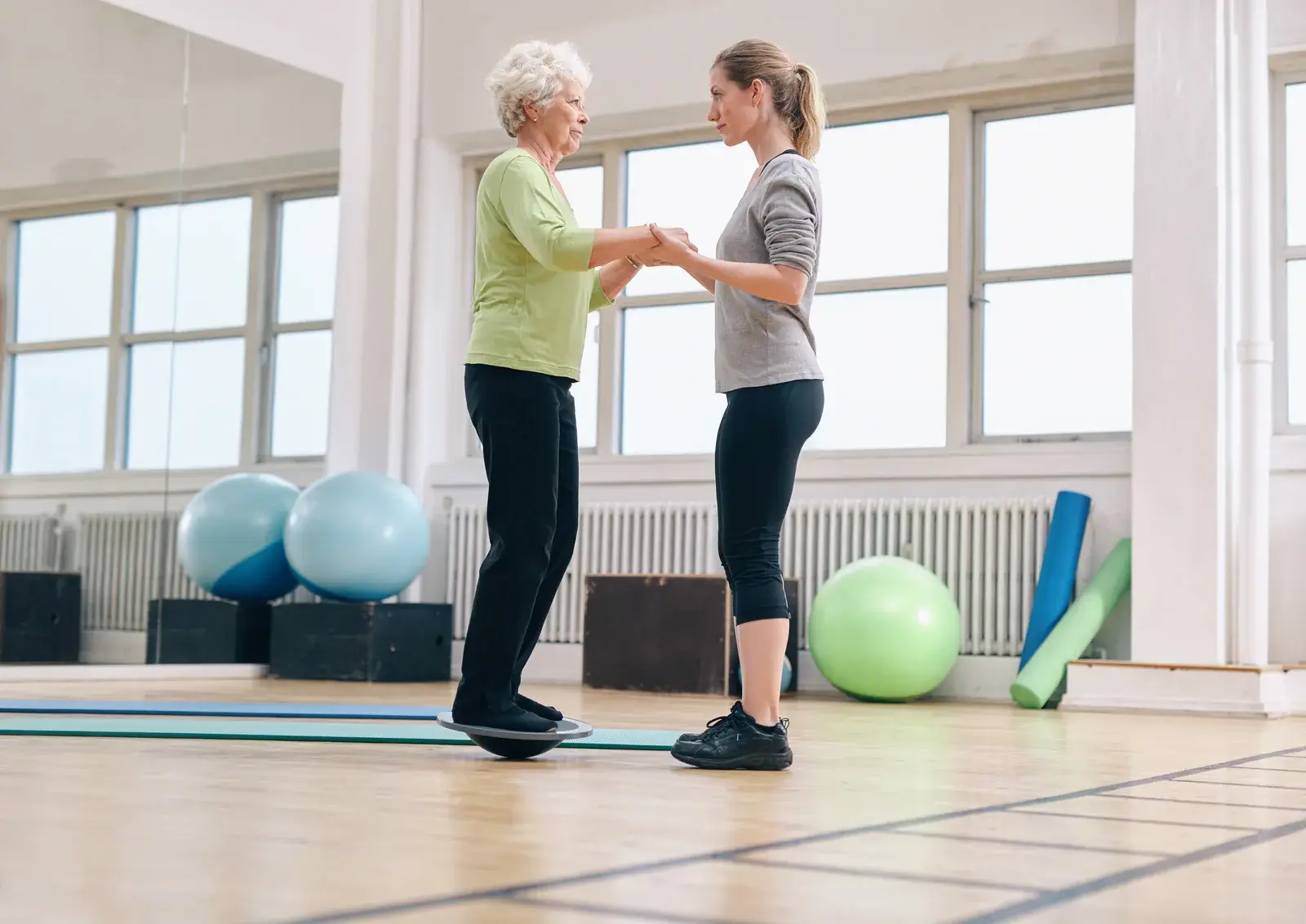 Ankle sprainRehab for fresh sprains and ankles that keep rolling: strength, balance retraining and a tested return to sport.
Page reviewed By the Monon Therapy Collective editorial team

Carmel City Center · Carmel, Indiana
Start with a conversation
Tell us what hurts and what you want to get back to. We will tell you honestly whether a therapist in the network is likely a good fit for what you describe, and match you with an independent, licensed therapist who is. Only that therapist can assess what will help.
885 Monon Green Blvd, Suite 120, Carmel, IN 46032 · Monday to Friday 5 AM to 9 PM · Saturday and Sunday 7 AM to 4 PM