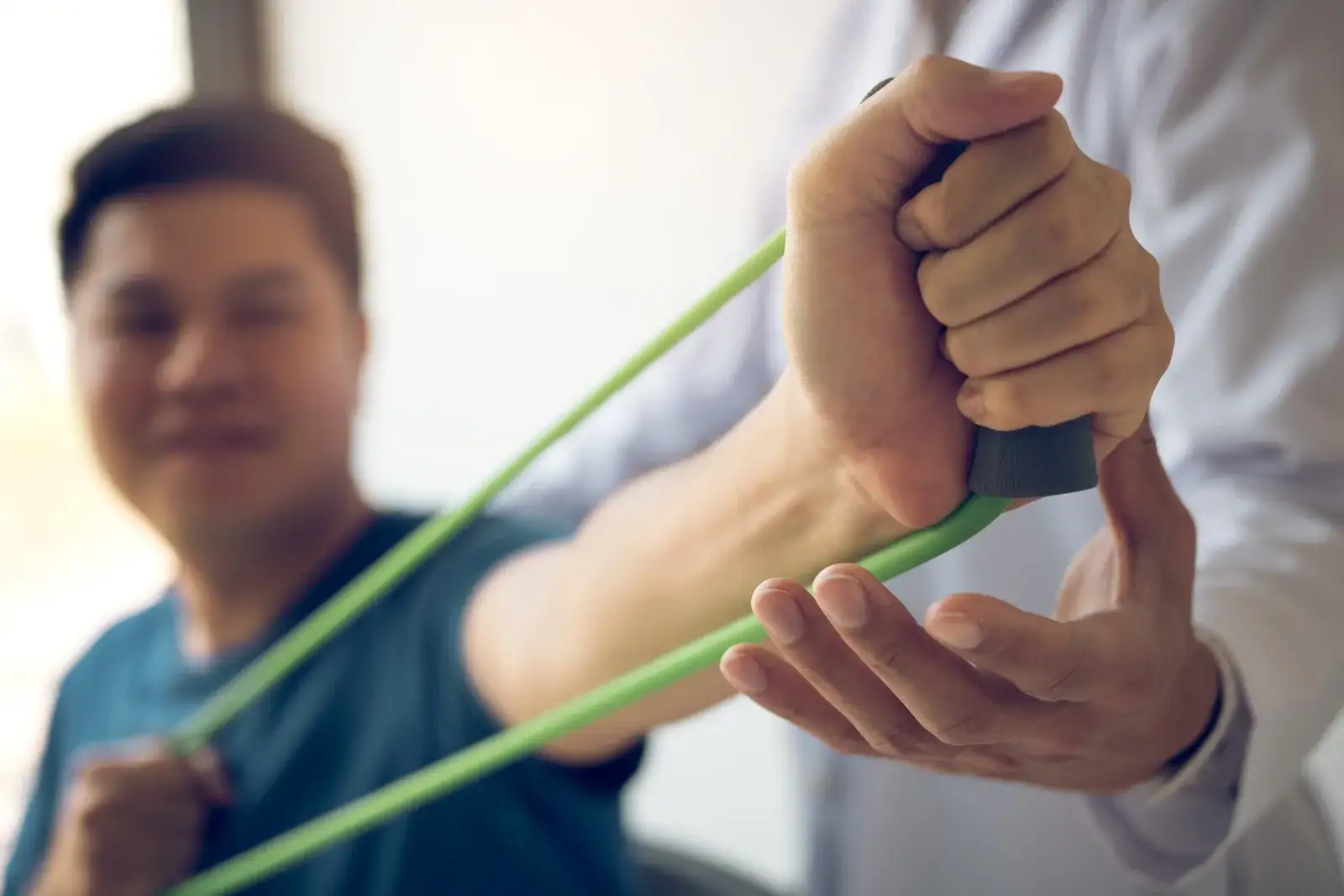
Rotator cuff injury physical therapy in Carmel, Indiana
Rotator cuff injuries range from tendinopathy, an irritable and weakened tendon, to partial and full-thickness tears, and many of them are first treated with physical therapy instead of surgery. In Carmel, you work one-on-one with the licensed physical therapist you are matched with to settle pain, progressively load the cuff and rebuild overhead strength, or to follow your surgeon’s protocol after a repair, always in a private suite at FlexWerk. Non-surgical programs commonly run about 12 weeks, and recovery after surgical repair usually takes several months.
At a glance
Common signs of rotator cuff injury
Also called: Rotator cuff tear, Rotator cuff tendinopathy, Rotator cuff tendinitis, Torn rotator cuff.
What is the rotator cuff, and how does it get injured?
The rotator cuff is a group of four muscles and their tendons, the supraspinatus, infraspinatus, teres minor and subscapularis, that wrap around the top of the arm bone. Together they hold the ball centered in the socket while the larger muscles move the arm. Injury happens when a tendon is overloaded, gradually wears, or is torn by a sudden force.
Clinicians describe a spectrum. Tendinopathy means the tendon is painful and less tolerant of load, but intact. A partial-thickness tear involves some of the tendon’s fibers. A full-thickness tear goes all the way through, and may be small or large. Tears can be traumatic, from a fall on an outstretched arm or a heavy lift, or degenerative, developing slowly with age.
Age-related cuff tears are common, and imaging often finds them in older adults whose shoulders feel perfectly fine. That matters for decision-making: the presence of a tear on a scan does not automatically explain your pain or mean you need an operation. How the shoulder functions, and how it responds to loading, usually guides the next step.
How is a suspected rotator cuff tear assessed without a scan?
A physical therapist assesses a suspected cuff injury by testing the strength of each cuff muscle, comparing active and passive movement, and listening to how the problem began. Pain with reasonable strength points toward tendinopathy. Marked weakness, or an arm that cannot hold a position the therapist places it in, raises suspicion of a larger tear.
The history carries a lot of weight. Gradual onset in a 60-year-old gardener is a different situation from sudden weakness in a 45-year-old who slipped on the ice in January. A traumatic tear with new, obvious weakness deserves a prompt orthopedic opinion, because timing can affect surgical options, and your therapist will recommend that referral instead of starting routine rehab.
For everyone else, a careful clinical exam is a sound basis for starting care. You can describe your shoulder history in the online assessment before the matching team calls you back. If you are unsure whether your symptoms fit the cuff at all, the broader page on shoulder pain physical therapy covers stiffness, instability and other patterns.
How does a therapist in the network treat rotator cuff tendinopathy and tears without surgery?
Non-surgical rotator cuff care from a licensed physical therapist in the network is a progressive loading program, supervised one-on-one in a private suite. Tendons get stronger when they are loaded in steadily increasing doses, so the plan begins at a level your shoulder tolerates and moves forward in stages. For many tendinopathies and degenerative tears, a trial of this kind is the usual first step before surgery is discussed, a question explored in can physical therapy help me avoid surgery.
When a full-thickness tear is present, the torn tendon itself is not expected to reattach through exercise. What rehab can do is strengthen the remaining cuff, the deltoid and the shoulder blade muscles so the joint is controlled well enough for comfortable daily use. Manual therapy may be added to ease pain or stiffness, as a complement to the loading work.
- Settle: adjust aggravating loads and begin isometric holds, where the muscle works without the joint moving
- Load: slow, controlled external rotation and arm elevation with bands, cables and light dumbbells
- Build: heavier rows, presses and carries, plus shoulder blade and trunk strength
- Return: overhead, fast or sport-specific work such as serving, throwing or lifting at your job
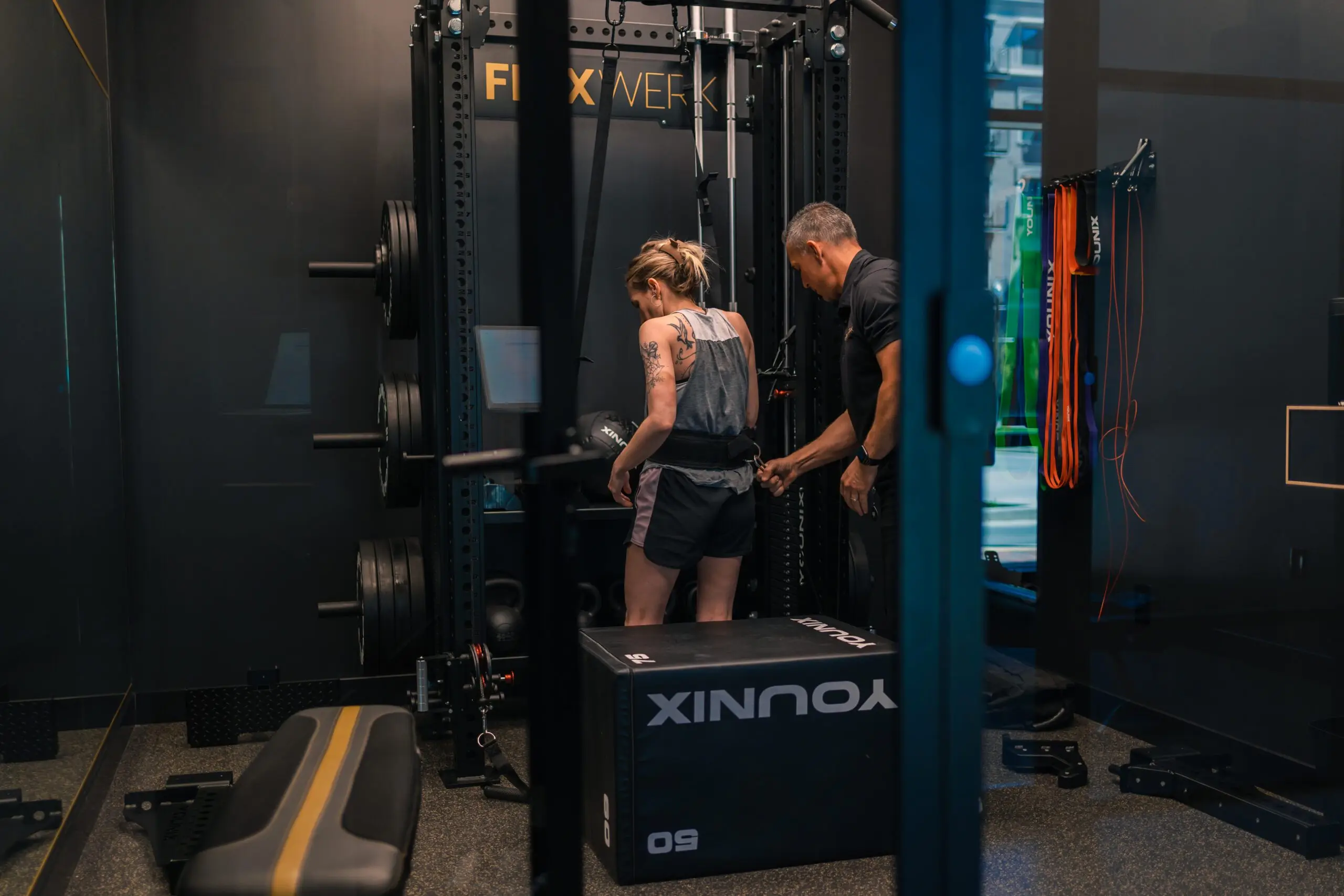
What does rehab after rotator cuff repair look like, and how long does recovery take?
After a surgical repair, rehab follows your surgeon’s protocol, and it is deliberately slow at first because the repaired tendon needs time to heal to bone. A typical sequence is a period in a sling with gentle passive motion, then assisted and active movement, with resisted strengthening often delayed until around the three-month mark. Exact timing depends on tear size, tissue quality and your surgeon’s preferences.
Many people are managing everyday tasks comfortably by 4 to 6 months, while heavy labor and overhead sport often take 6 to 12 months. Non-surgical programs are usually judged over about 12 weeks, and tendinopathy often turns a corner in 8 to 12 weeks. Every one of these figures is a typical range, and individual recovery can be faster or slower. Our post-surgical rehabilitation page explains how rehab after an operation is structured.
Strength keeps improving long after formal therapy ends. Once you are discharged, you can keep training under the same roof with an independent FlexWerk coach through post-rehab strength training. Coaches are personal trainers and not clinicians, so your therapist sets the guardrails before that handoff.
What should I avoid with a rotator cuff injury, and what is safe to keep doing?
With a sore rotator cuff, it is generally safe to keep using the arm for light tasks between waist and chest height, and sensible to pause the loads that provoke it. The usual culprits are lifting with the arm held far from the body, sudden jerking movements such as starting a mower or catching a falling object, and repeated overhead work.
Do not wait and see if the shoulder became weak suddenly after an injury. That situation calls for a physician visit soon. For gradual-onset pain, a couple of weeks of sensible activity changes is reasonable, and if things are not trending better, an assessment can set a clear direction. Questions about visit frequency are answered in how often should I go to physical therapy.
- Carry loads close to your side instead of at arm’s length
- Keep the elbow below shoulder height for repetitive tasks when possible
- Sleep on your back or the other side with the arm supported on a pillow
- Avoid complete rest, which weakens the cuff further
- After surgery, follow your sling and lifting restrictions exactly
When to see a physician or go to the ER first
Physical therapy is the right start for most rotator cuff injury. These symptoms are different and need medical attention before, or instead of, a physical therapy visit:
- Sudden inability to raise the arm after a fall, a heavy lift or a dislocation
- Obvious deformity, rapid swelling or severe bruising around the shoulder after an injury
- After surgery: spreading redness, drainage from the incision, fever or chills
- After surgery: calf pain or swelling, chest pain or shortness of breath (seek emergency care)
- Numbness, tingling or weakness running the length of the arm into the hand
- Shoulder pain that comes with chest tightness, breathlessness or lightheadedness (call 911)
If you think it is an emergency, call 911.
Two-minute assessment
Get your rotator cuff injury looked at
Tell us how your rotator cuff injury started, how long it has been going on and what it is stopping you from doing. The matching team proposes a therapist in the network who focuses on it, and you hear back, usually within one business day.
- No referral needed to start in Indiana (first 42 days)
- We check which therapists work with your plan before you book
- One-on-one care in a private suite at Carmel City Center
How therapists treat it
Kinds of care used for rotator cuff injury
- Post-surgical rehabilitationProtocol-led rehab after joint replacement, ligament, tendon and spine surgery, in a quiet private room instead of a crowded gym.
- Orthopedic physical therapyExercise-led care for back, neck, shoulder, hip, knee and ankle problems, delivered one-on-one in a private suite.
- Post-rehab strength trainingThe bridge from discharge to lasting strength: a written handoff from your therapist to a FlexWerk coach in the same building.
Questions
Rotator cuff injury: what people ask
Information on this website is general education, not medical advice, a diagnosis or a treatment plan. Only a licensed clinician who examines you can advise on your condition. If you may be having a medical emergency, call 911.
Something we did not cover? Ask the matching team or ring (888) 353-9975.
Do I need an MRI to find out if my rotator cuff is torn before starting physical therapy?
Often you do not. A clinical exam can guide early treatment, and a physician typically orders an MRI or ultrasound when a significant tear is suspected, after a traumatic injury with marked weakness, or when progress stalls and surgery is on the table.
Can a torn rotator cuff heal without surgery?
A full-thickness tear does not usually knit back together by itself, but many people regain comfortable, useful function through strengthening because the surrounding muscles take up the work. Tendinopathy and many partial tears respond well to progressive loading.
How soon after rotator cuff repair does physical therapy start?
That is set by your surgeon. Some protocols begin gentle passive motion within the first week or two, while others wait longer for larger repairs, and your therapist follows the written protocol you are given.
Which gym exercises tend to irritate a rotator cuff injury?
There is no universal banned list, but behind-the-neck presses, upright rows, deep dips and very wide-grip bench pressing are common aggravators. Your therapist can modify range, grip and load so you keep training while the tendon calms down.
How many times a week will I need physical therapy for a rotator cuff injury?
It varies with the injury and stage. Many plans start with one or two visits a week supported by a home program, then taper as you become independent, while post-surgical schedules follow your surgeon’s protocol.
Google reviews
What guests say about FlexWerk
These are live Google reviews of FlexWerk at Carmel City Center, the private-suite facility where therapists in the network practise.
Related
Conditions that travel together
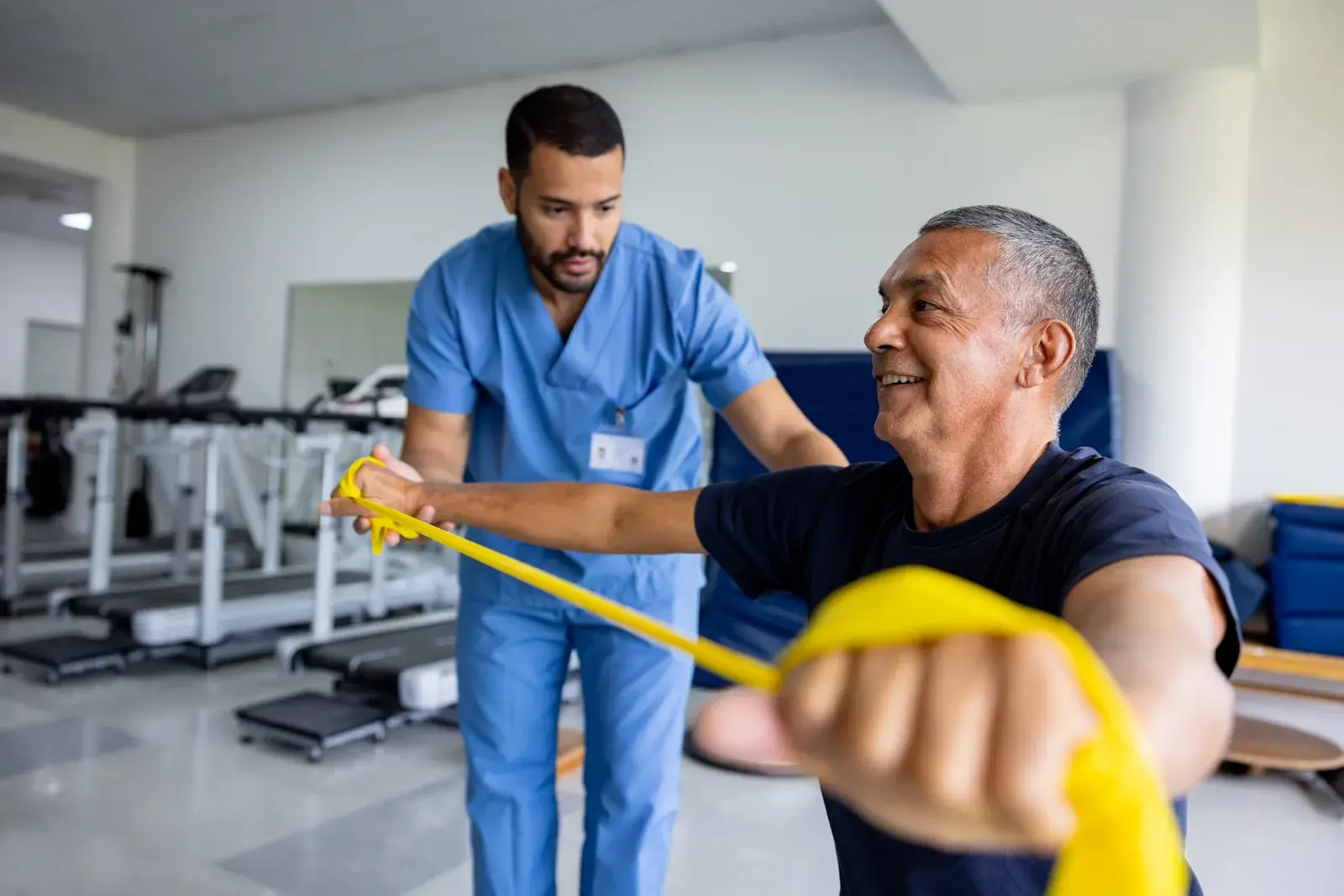 Shoulder painOne-on-one care for impingement-type pain, frozen shoulder, instability and overhead sport shoulders.
 Neck painHelp for stiff, aching necks, neck-related headaches and arm symptoms that start at the neck.
Page reviewed By the Monon Therapy Collective editorial team
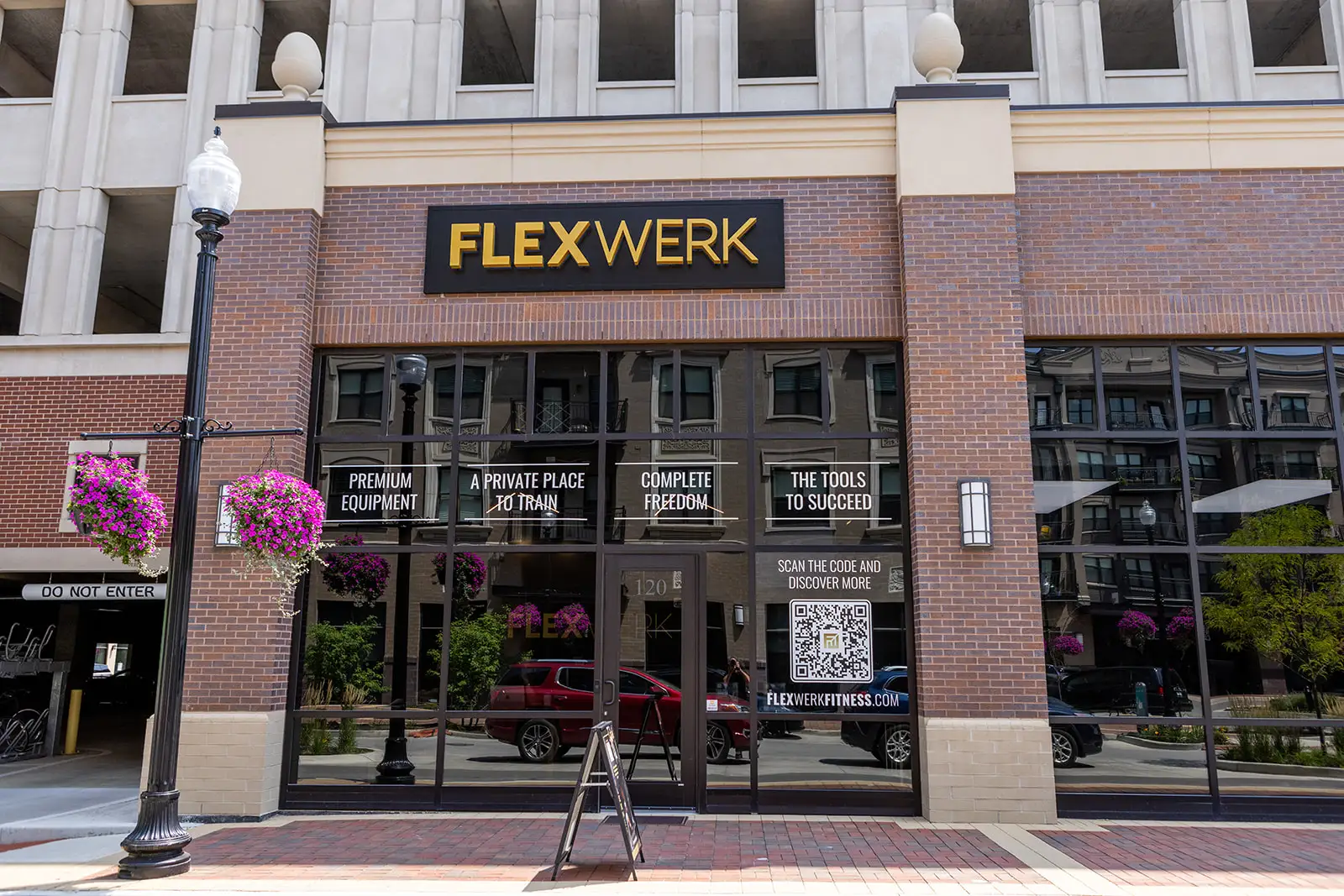
Carmel City Center · Carmel, Indiana
Start with a conversation
Tell us what hurts and what you want to get back to. We will tell you honestly whether a therapist in the network is likely a good fit for what you describe, and match you with an independent, licensed therapist who is. Only that therapist can assess what will help.
885 Monon Green Blvd, Suite 120, Carmel, IN 46032 · Monday to Friday 5 AM to 9 PM · Saturday and Sunday 7 AM to 4 PM