
Knee pain physical therapy in Carmel, Indiana
Physical therapy is a first-line treatment for most knee pain that does not involve a fracture or a major ligament tear. In Carmel, the licensed physical therapist you are matched with tests how your knee moves and tolerates load, then builds a progressive strengthening plan around the stairs, runs or sports you want back. Every visit is one-on-one in a private suite at Carmel City Center.
At a glance
Common signs of knee pain
Also called: Runner’s knee, Patellofemoral pain syndrome, Anterior knee pain, Knee tendinopathy.
Why does my knee hurt when I never really injured it?
Knee pain that creeps in without a fall or a collision usually comes from tissue being asked to do more than it is currently prepared for. A sudden jump in running mileage, a new pickleball habit, a weekend of yard work on a slope, or a quick return after a long layoff can all push the joint past its present capacity. In that situation pain tends to reflect sensitivity and overload, not lasting damage.
A knee that gave way with a pop during a pivot, swelled within a few hours and now feels unstable is a different situation. That pattern points toward a ligament injury, which we cover on our ACL injury physical therapy page.
Four patterns explain much of the gradual knee pain a physical therapist sees in adults. The labels help you follow the conversation at a first visit, but only an examination can say which one fits your knee, and two of them often overlap.
- Patellofemoral pain (runner’s knee): an ache around or behind the kneecap that flares on stairs, hills, squats and after long periods of sitting.
- Meniscus irritation: pain along the inner or outer joint line with twisting or deep bending. The menisci are two rubbery cartilage pads that cushion the joint.
- Tendon pain (tendinopathy): a focused sore spot just below or above the kneecap that complains during jumping, landing or heavy squatting.
- Osteoarthritis flare: a stiff, achy, sometimes puffy knee after a busier week than usual, in a joint with age-related cartilage change.
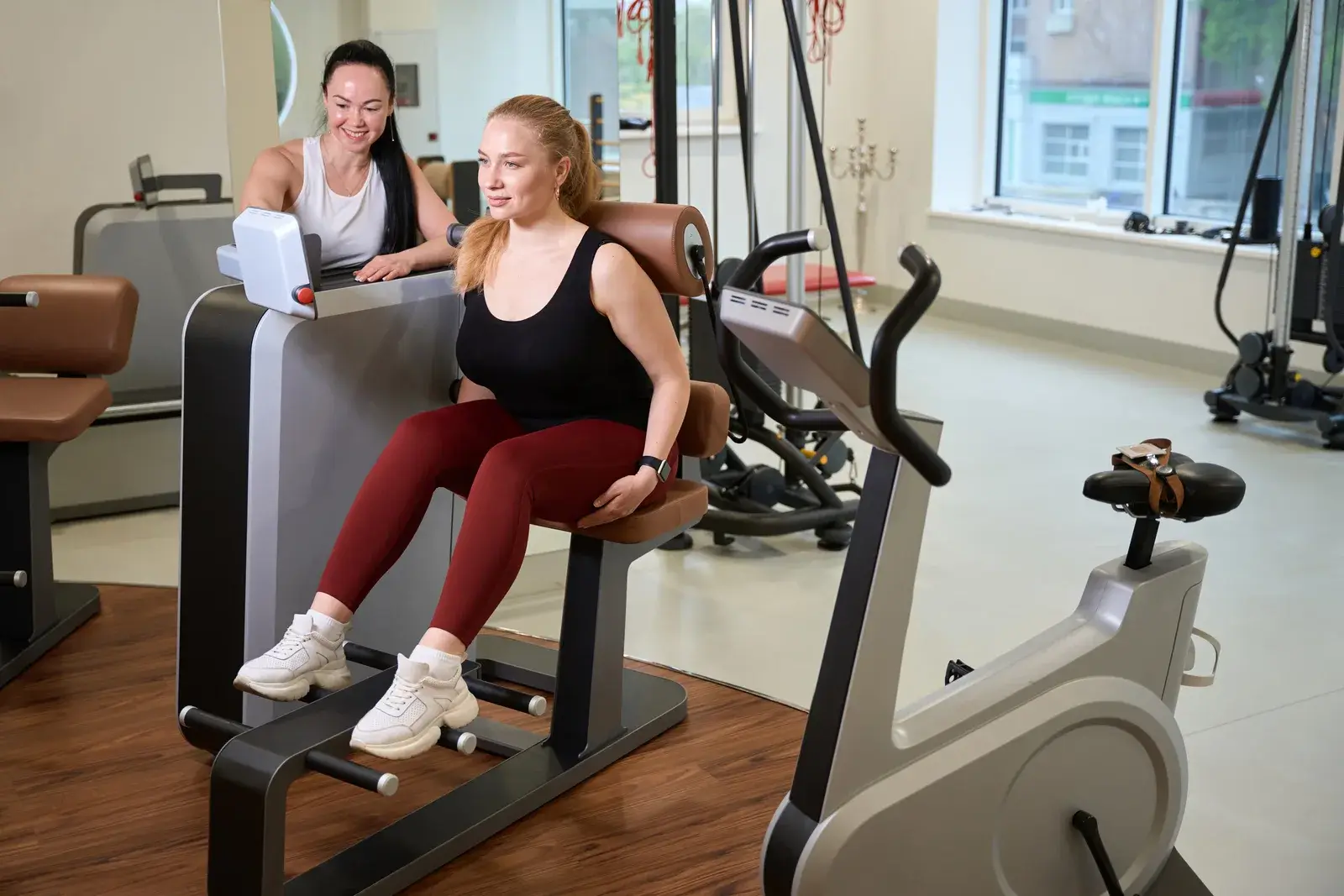
How does a physical therapist work out where knee pain is coming from?
A physical therapist works it out by combining your story with a movement and strength examination, not by relying on a scan. Expect questions about when the pain started, what changed in your training or routine beforehand, which activities provoke it, and whether the knee has ever locked, swelled or given way.
The physical part usually includes watching you walk, squat and step down from a box, measuring how far the knee bends and straightens, checking for swelling, pressing along the joint line and tendons, and testing the ligaments for stability. Quadriceps, hamstring, calf and hip strength are compared side to side, because a weak hip or a stiff ankle often changes how force travels through the knee.
By the end of the first visit you should hear a plain-language explanation of the most likely source, what that means for the weeks ahead, and whether anything suggests you need a physician or imaging first. Our first visit guide explains how that appointment runs.
What does knee pain treatment involve in a private suite at FlexWerk?
Treatment centers on progressive loading: strengthening the muscles around the knee and hip in steps, so the joint can gradually tolerate more. Sessions are one-on-one with a licensed physical therapist in a private suite with a lifting rack, cable system, dumbbells and a bench, which means real strength work is possible from the start instead of only band exercises on a table.
Your plan is adjusted to the pattern found in the assessment. Kneecap pain often responds to quadriceps and hip strengthening in ranges that stay comfortable. Tendon pain generally needs slow, heavy, patient loading. An irritated meniscus or an arthritic flare usually calls for calming things down first, then rebuilding. Hands-on techniques described on the manual therapy page may be used to ease stiffness, as a supplement to exercise and never a replacement for it.
Across a typical course of care the ingredients stay fairly constant while the proportions change. Early visits lean toward education and finding exercise the knee tolerates. Later visits lean toward heavier strength work and rehearsal of the exact tasks you care about, whether that is carrying laundry downstairs or ten miles on the Monon Trail. A plan usually draws on the elements below.
- Education on which activities to keep, modify or pause for now
- Graded squats, step-downs, leg presses and hip strengthening
- Mobility work for a stiff knee, ankle or hip
- Balance and single-leg control drills
- A planned return to running, court sports or golf
- A short home program you can realistically finish
How long does knee pain take to improve with physical therapy?
Many people with gradual-onset knee pain notice meaningful change within 6 to 12 weeks of consistent strengthening, though the range is wide. An irritated knee after one overambitious weekend may settle in a few weeks. Long-standing kneecap pain or tendon pain often needs three months or more, because tendon and muscle adapt slowly.
Progress depends on how long the problem has been present, how irritable the knee is, your general health, and how regularly you do the home exercises. Flare-ups along the way are normal and rarely mean you have gone backwards. Your therapist cannot promise a result or a date, and will tell you honestly if your knee is not responding as expected. For broader context, read how long physical therapy takes.
What can I do for a sore knee right now, and what should I avoid?
The most useful thing you can do today is stay active within tolerable limits instead of resting completely. A workable rule is that mild discomfort during activity that settles by the next morning is acceptable, while pain that builds, lingers into the next day or brings swelling means you did too much. Trim the volume, not the whole activity.
Avoid testing the knee repeatedly with the movement that hurts most, such as deep squats or downhill running, and do not push through a knee that is swelling. Be cautious about concluding too much from a scan report as well, since findings like meniscus changes and cartilage thinning are common in adults whose knees feel fine.
If the pain has lasted more than a couple of weeks or keeps returning, a short online physical therapy assessment tells the matching team what is going on, and we will call or text you back to talk through next steps. In the meantime, these small changes often take the edge off.
- Swap some running or court time for cycling, swimming or flat walking
- Shorten your stride and slow down on downhill stretches
- Break up long periods of sitting with a short walk
- Use ice or heat if either one makes the knee feel better
When to see a physician or go to the ER first
Physical therapy is the right start for most knee pain. These symptoms are different and need medical attention before, or instead of, a physical therapy visit:
- You cannot put weight through the leg after a fall, twist or blow
- The knee or lower leg looks deformed or out of place
- The knee is locked and will not fully straighten or bend
- A hot, red, swollen knee together with fever or feeling unwell
- Calf swelling, warmth and tenderness, which can signal a blood clot
- Rapid swelling within a few hours of a pop or a twisting injury
If you think it is an emergency, call 911.
Two-minute assessment
Get your knee pain looked at
Tell us how your knee pain started, how long it has been going on and what it is stopping you from doing. The matching team proposes a therapist in the network who focuses on it, and you hear back, usually within one business day.
- No referral needed to start in Indiana (first 42 days)
- We check which therapists work with your plan before you book
- One-on-one care in a private suite at Carmel City Center
How therapists treat it
Kinds of care used for knee pain
- Orthopedic physical therapyExercise-led care for back, neck, shoulder, hip, knee and ankle problems, delivered one-on-one in a private suite.
- Running injury physical therapyFor Monon Trail regulars and race trainees: load management, strength and gait observation that keep you running while you heal.
- Post-rehab strength trainingThe bridge from discharge to lasting strength: a written handoff from your therapist to a FlexWerk coach in the same building.
Questions
Knee pain: what people ask
Information on this website is general education, not medical advice, a diagnosis or a treatment plan. Only a licensed clinician who examines you can advise on your condition. If you may be having a medical emergency, call 911.
Something we did not cover? Ask the matching team or ring (888) 353-9975.
Do I need a referral or an MRI before starting physical therapy for knee pain?
Usually neither. Indiana allows a physical therapist to evaluate and treat you without a referral for up to 42 calendar days from the first treatment, though some insurance plans still ask for one for coverage, and imaging is generally reserved for trauma, locking or a knee that is not responding. Details are in our Indiana referral guide.
Is it safe to keep running with runner’s knee?
Often yes, at a reduced volume. Many runners do well by cutting mileage, avoiding hills for a while and keeping pain mild during and after runs while strength work catches up. The running injury physical therapy page covers this in depth.
Can a meniscus tear heal without surgery?
Many meniscus problems, especially the gradual, age-related kind, settle with exercise-based rehabilitation even though the tear itself may remain. Surgery is usually considered when the knee truly locks or fails to improve, and an orthopedic physician makes that call.
Should I wear a knee brace or sleeve?
A simple sleeve can make a sore knee feel more secure and is reasonable for short-term comfort. It does not replace strengthening, and a rigid brace is normally something a physician or surgeon prescribes for a specific injury.
Why does my knee click or crack when I squat?
Painless clicking and cracking is very common and is not, by itself, a sign of damage. Noise that comes with pain, swelling, catching or locking is worth having assessed.
Google reviews
What guests say about FlexWerk
These are live Google reviews of FlexWerk at Carmel City Center, the private-suite facility where therapists in the network practise.
Related
Conditions that travel together
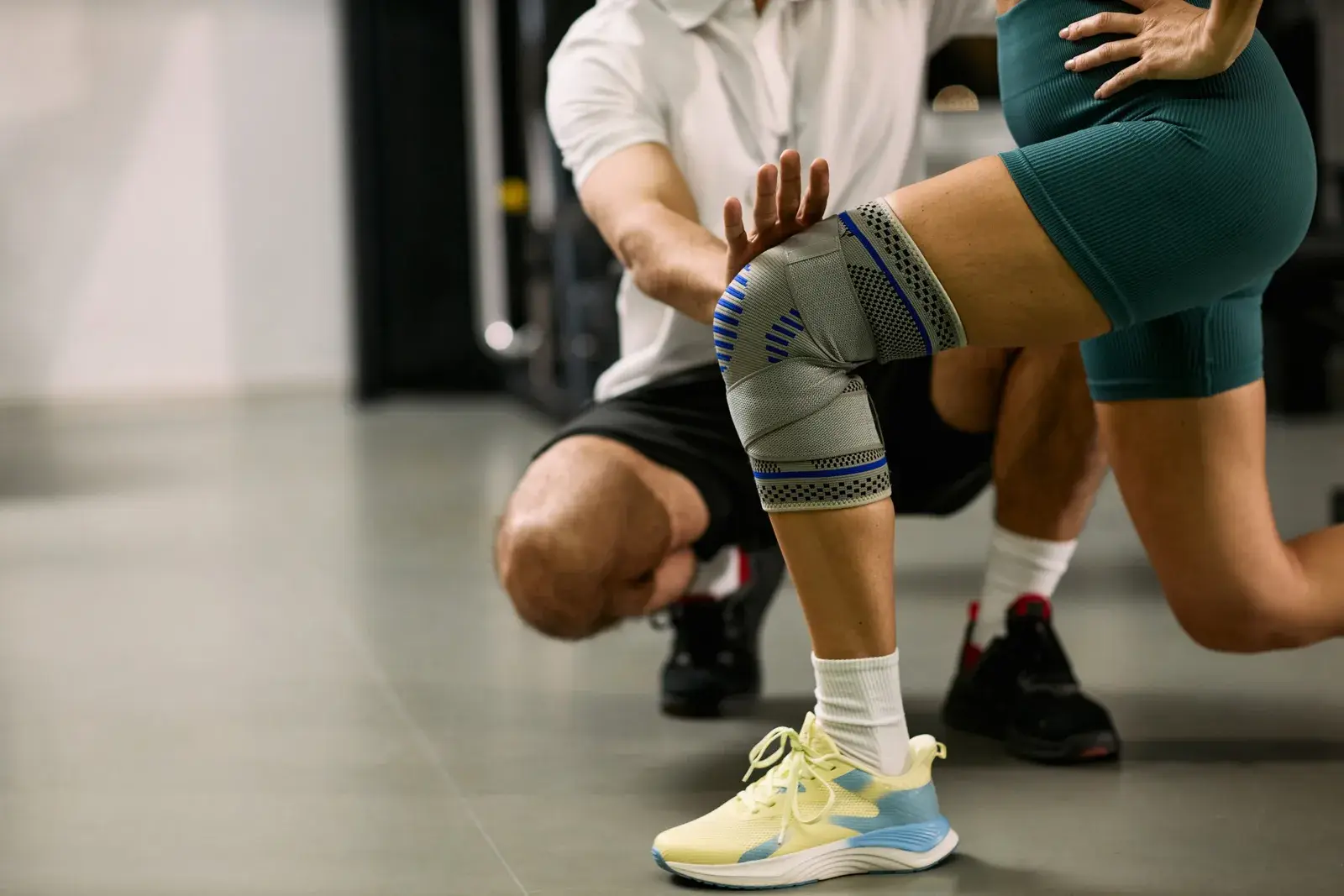 ACL injuryPrehab, post-reconstruction rehab and criteria-based return to sport for ACL injuries, one-on-one in a private suite.
 OsteoarthritisStrength, pacing and joint-friendly exercise for knee and hip osteoarthritis, including preparation for joint replacement.
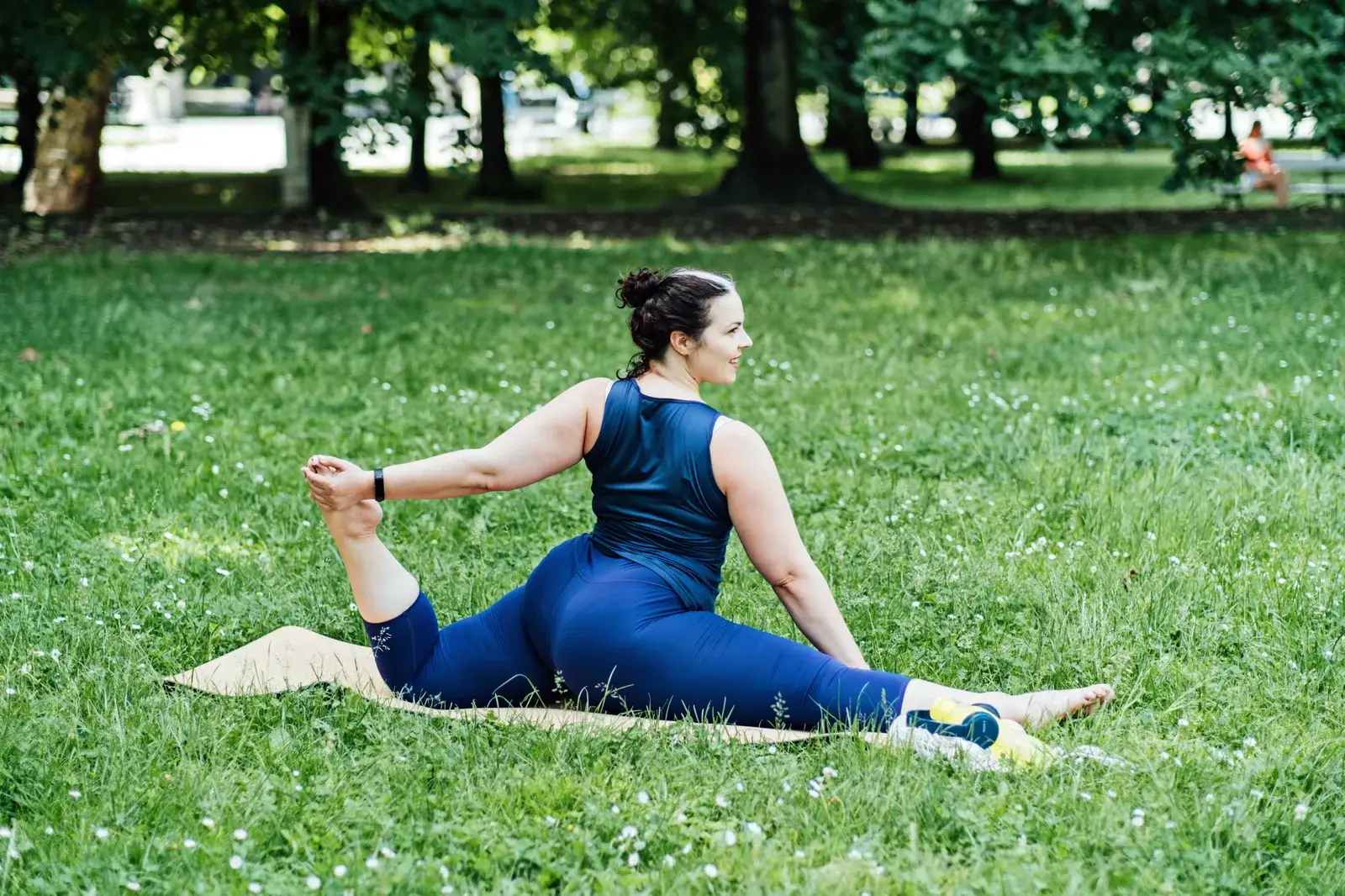 Hip painCare for outer hip pain often called bursitis, hip impingement, hip osteoarthritis and hip flexor strains.
Page reviewed By the Monon Therapy Collective editorial team

Carmel City Center · Carmel, Indiana
Start with a conversation
Tell us what hurts and what you want to get back to. We will tell you honestly whether a therapist in the network is likely a good fit for what you describe, and match you with an independent, licensed therapist who is. Only that therapist can assess what will help.
885 Monon Green Blvd, Suite 120, Carmel, IN 46032 · Monday to Friday 5 AM to 9 PM · Saturday and Sunday 7 AM to 4 PM