
Manual therapy in Carmel, Indiana
Manual therapy is skilled hands-on treatment, such as joint mobilization, soft-tissue techniques and assisted stretching, that a physical therapist uses to reduce pain and improve movement. In Carmel, Indiana, therapists in the network use it as an adjunct to exercise, not a stand-alone treatment: hands-on work opens a window of easier movement, and strengthening keeps it open. Spinal manipulation is not part of this service, and Indiana requires an order or referral before a physical therapist may perform it.
What manual therapy is and which problems it helps
Manual therapy is the hands-on part of physical therapy. The therapist uses their hands to move a joint, apply pressure to muscle and connective tissue, or guide a stretch further than you could comfortably take it alone. The purpose is to reduce pain and stiffness enough that you can move and exercise more normally.
Clinical practice guidelines for common problems such as neck pain, low back pain and hip or knee osteoarthritis generally place manual therapy alongside exercise, not in place of it. The relief it provides is often short-lived on its own. Paired with strengthening and movement practice, it can help you get past a sticking point sooner.
- Joint mobilization: slow, graded, repeated movements of a stiff joint within a comfortable range
- Soft-tissue mobilization: sustained or moving pressure on tight or tender muscle
- Assisted stretching: the therapist supports the limb and guides it into a longer position
- Contract-relax stretching: you gently push against resistance, relax, then move further
- Assisted movement: the therapist guides a joint while you actively move it
How hands-on treatment fits into a private suite session
In a typical session with your therapist, manual therapy usually takes a portion of the visit, and the rest is active. A typical order is to test a movement that is limited or painful, apply a hands-on technique for a few minutes, then test the movement again. If it improved, you go straight into exercises that use the new range while it is available.
All of this happens behind a closed door in a private suite, with one licensed physical therapist and no one else in the room. Hands-on treatment can involve positions that feel awkward in public, such as lying on your side while a hip is stretched, so a room with a door and lighting you control makes it easier to relax. Relaxed muscles respond better to this kind of work.
Your therapist explains each technique before using it, asks for your consent, and respects a no. Pressure should feel like a strong stretch or a tolerable ache, never sharp. Wear clothing that lets the therapist reach the area being treated, a point covered in what to wear to physical therapy.

Why manual therapy is paired with exercise over a plan of care
Manual therapy is front-loaded: it tends to feature most in the first few weeks of a plan, when pain and stiffness are the main barriers, and fades as strength work takes over. A plan that was still mostly hands-on after a month or two would be a sign to reassess, because lasting change comes from what your body learns to do for itself.
You will also learn self-treatment, such as stretches and mobility drills, that reproduces some of the effect at home. The aim is independence: leaving therapy knowing how to manage a stiff morning or a flare-up without needing someone else’s hands each time, and with enough strength that flare-ups become less frequent.
- Early visits: hands-on work to ease pain and free movement, plus one or two simple exercises.
- Middle weeks: shorter hands-on segments, more loaded strengthening and mobility drills.
- Later weeks: exercise-led sessions, with manual techniques only if a specific restriction remains.
Who manual therapy suits and when it is not appropriate
Manual therapy suits people whose main complaint is stiffness or movement that is blocked by pain: a neck that will not turn when checking a blind spot, a shoulder that lost range after a period of guarding, a stiff ankle after a sprain, or an arthritic hip that resists putting on socks. It is less useful when the main problem is weakness or poor load tolerance, which need training.
Hands-on techniques are not appropriate in every situation. Your therapist asks about your medical history before touching the area, and will avoid or modify a technique, or refer you to a physician first, if any of the following apply. None of these rules out physical therapy altogether, but each one changes what is safe to do with the hands.
- A suspected or recent fracture, or significant osteoporosis in the area
- An active infection, open wound or unexplained swelling and heat in a joint
- Cancer in or near the region, or unexplained weight loss with constant pain
- Signs of nerve compression that are worsening, such as spreading numbness or weakness
- Blood-thinning medication or a clotting disorder, which calls for lighter pressure
- Recent surgery, where the surgeon’s restrictions come first
Manual therapy, spinal manipulation and other approaches
The manual therapy described here does not include spinal manipulation, the quick, small thrust to a spinal joint that often produces a popping sound. Indiana requires an order or referral before a physical therapist may perform spinal manipulation, and it is not part of this service. You may also have heard of dry needling, which is a separate technique and is not part of the hands-on care described on this page.
People often ask how this differs from chiropractic care or massage. A physical therapist uses hands-on work as one tool inside a broader plan of assessment, exercise and education, with the goal of making you self-sufficient. The comparison is covered in more depth in physical therapy vs chiropractor.
Manual therapy is usually delivered as part of a full therapy session, not as a stand-alone appointment. It is built into orthopedic physical therapy and post-surgical rehabilitation when your evaluation shows it would help. To find out whether it suits your problem, complete the online assessment and describe where you feel stiff or restricted.
Who it helps
Manual therapy may help if
- A joint feels stiff or blocked, not only sore
- Pain stops you from starting the exercises that would help
- Your neck, back or hip loosens with movement but tightens again quickly
- You lost range of motion after an injury, a sling or a long period of guarding
- You have osteoarthritis and want help moving more freely
- You want hands-on care that is combined with a plan to keep the gains
Conditions
Problems this kind of care treats
 Neck painHelp for stiff, aching necks, neck-related headaches and arm symptoms that start at the neck.
 Low back painActive, one-on-one care for new or long-running low back pain, from first flare-up to confident lifting.
 Shoulder painOne-on-one care for impingement-type pain, frozen shoulder, instability and overhead sport shoulders.
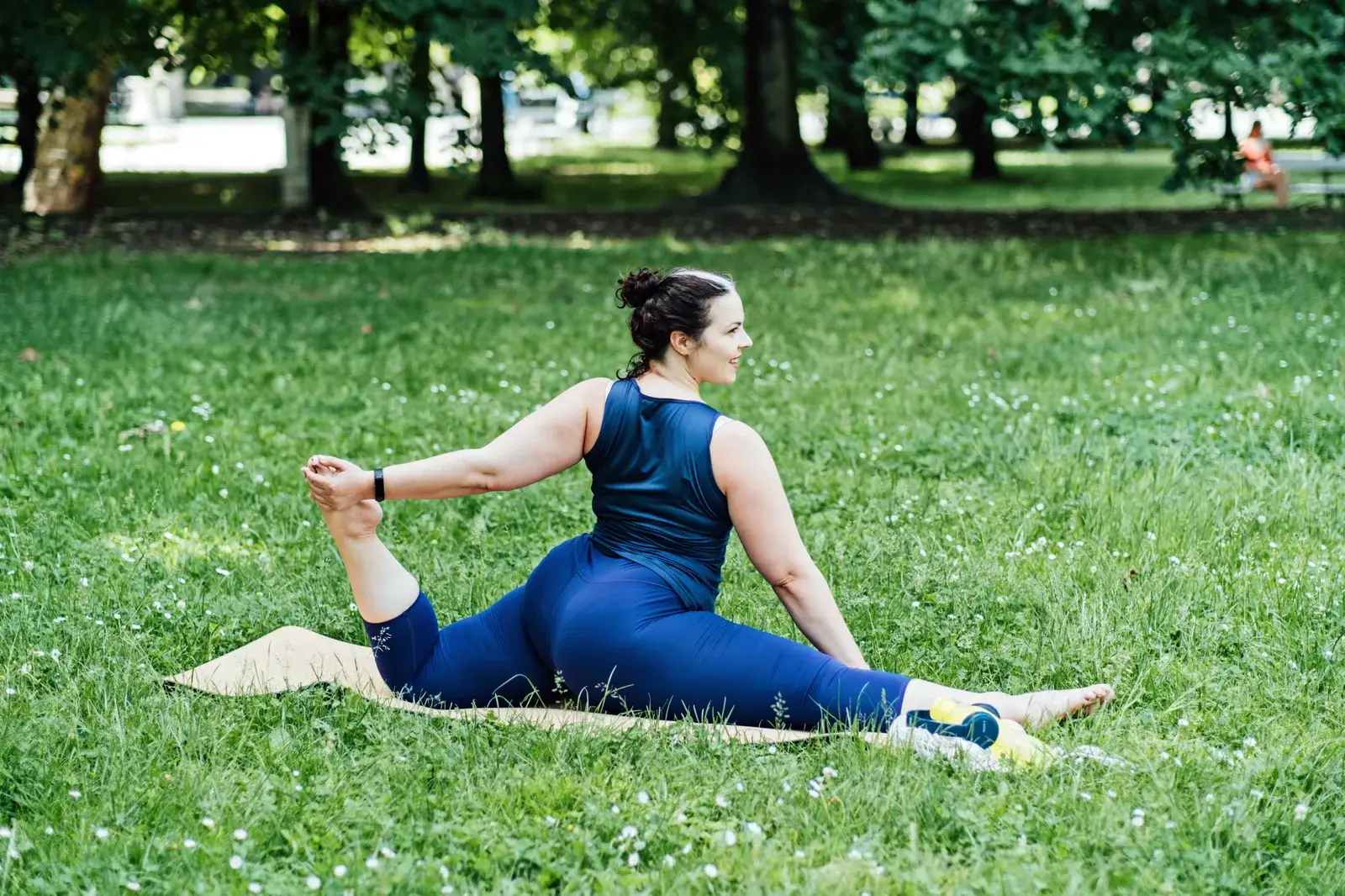 Hip painCare for outer hip pain often called bursitis, hip impingement, hip osteoarthritis and hip flexor strains.
Two-minute assessment
Not sure which therapist is right for you?
Answer a few questions about what hurts, how long it has been going on and what you want to get back to. Our matching team reads every answer and proposes a licensed physical therapist in the network whose focus, schedule and coverage fit. Two minutes, no obligation.
- No referral needed to start in Indiana (first 42 days)
- We check which therapists work with your plan before you book
- One-on-one care in a private suite at Carmel City Center
Questions
About manual therapy
Information on this website is general education, not medical advice, a diagnosis or a treatment plan. Only a licensed clinician who examines you can advise on your condition. If you may be having a medical emergency, call 911.
Something we did not cover? Ask the matching team or ring (888) 353-9975.
Does manual therapy hurt?
It should not be sharply painful. Most techniques feel like firm pressure or a strong stretch, and mild soreness for a day afterward is common. Tell your therapist right away if anything feels wrong, and the technique will be changed or stopped.
Is manual therapy the same as a massage?
No. Soft-tissue work can feel similar, but a physical therapist applies it to a specific finding from your evaluation and follows it with exercise. The goal is improved movement, not general relaxation.
Will a physical therapist crack my back?
Not as part of this service. The quick thrust technique known as spinal manipulation requires an order or referral in Indiana, and the hands-on care described here uses slower, graded techniques instead.
How long do the effects of manual therapy last?
Relief from a single treatment may last hours to a few days. That is why it is paired with exercise, which is what turns a temporary improvement into a lasting one.
Can I have manual therapy without doing exercises?
It is not recommended. Hands-on treatment alone tends to give short-term relief, and current guidelines favor combining it with active exercise. Expect your therapist’s plan to include something for you to do.
Google reviews
What guests say about FlexWerk
These are live Google reviews of FlexWerk at Carmel City Center, the private-suite facility where therapists in the network practise.
Continue
Related services
- Orthopedic physical therapyExercise-led care for back, neck, shoulder, hip, knee and ankle problems, delivered one-on-one in a private suite.
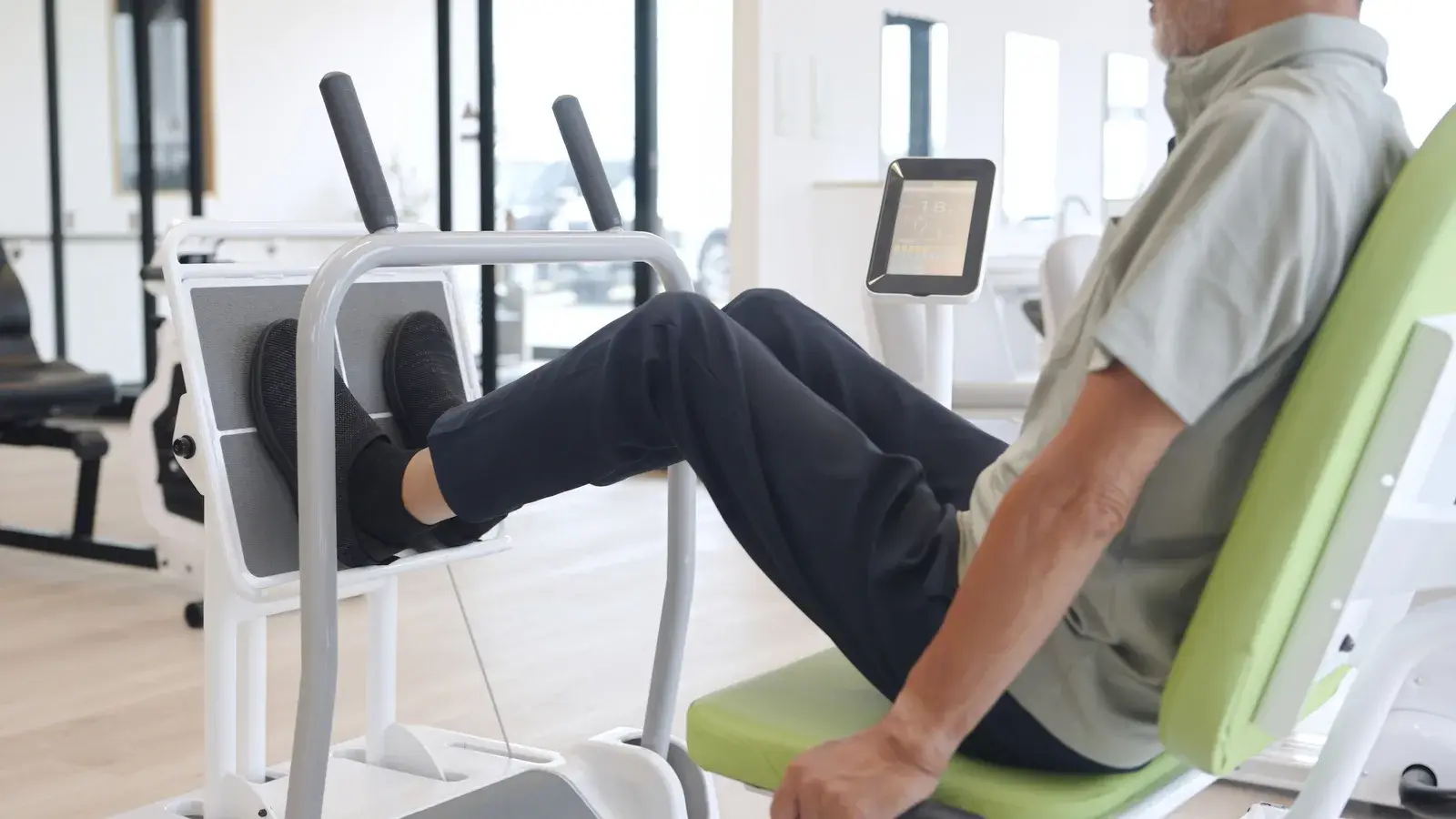 Post-surgical rehabilitationProtocol-led rehab after joint replacement, ligament, tendon and spine surgery, in a quiet private room instead of a crowded gym.
 Sports physical therapyRehab for active adults that goes past pain relief to the strength, power and movement your sport actually demands.
Page reviewed By the Monon Therapy Collective editorial team

Carmel City Center · Carmel, Indiana
Start with a conversation
Tell us what hurts and what you want to get back to. We will tell you honestly whether a therapist in the network is likely a good fit for what you describe, and match you with an independent, licensed therapist who is. Only that therapist can assess what will help.
885 Monon Green Blvd, Suite 120, Carmel, IN 46032 · Monday to Friday 5 AM to 9 PM · Saturday and Sunday 7 AM to 4 PM