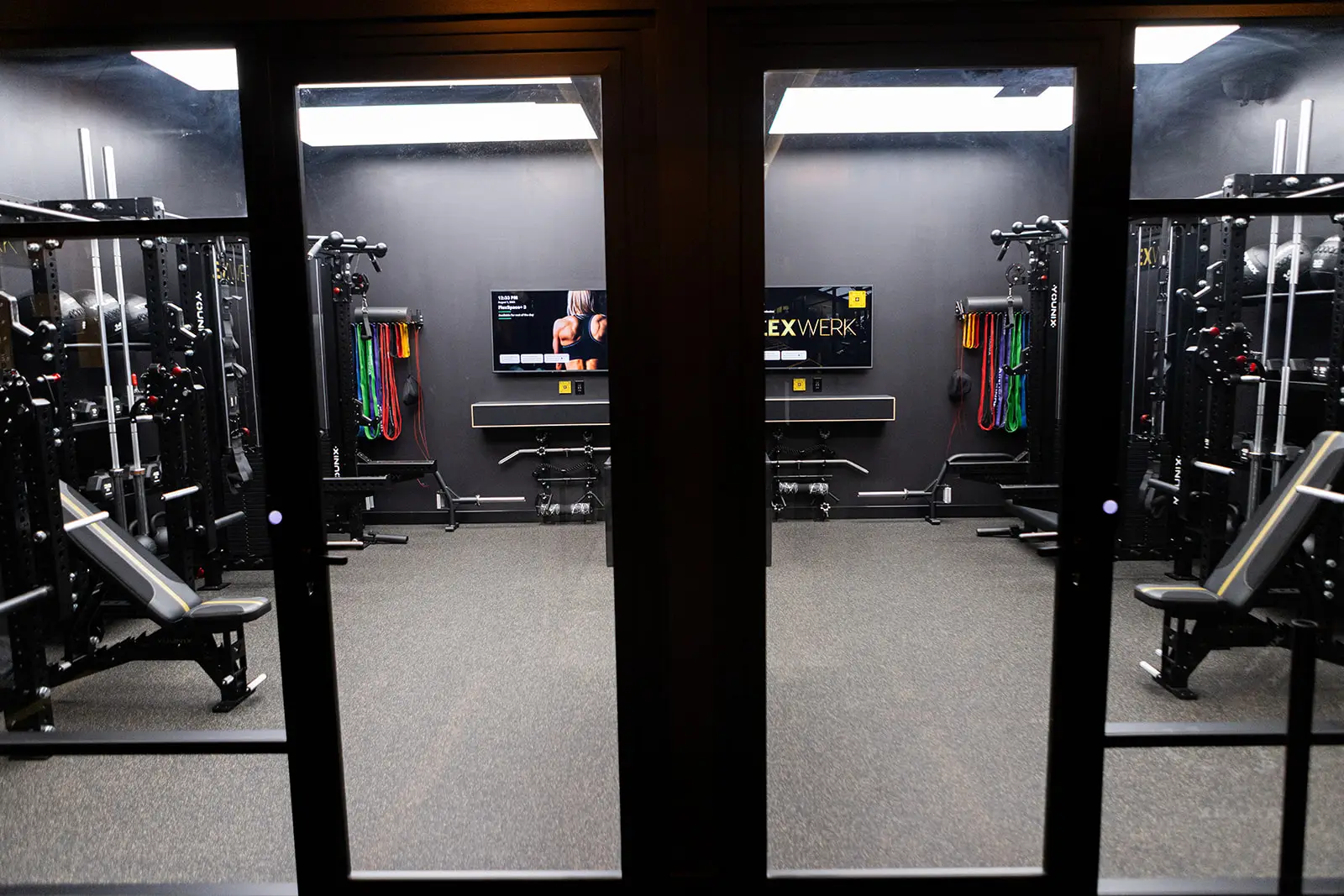
Wear comfortable athletic clothing that lets you move and lets the therapist see the area being treated: shorts for a knee or hip problem, a tank top or loose T-shirt for a shoulder or neck problem, and the athletic shoes you actually use. If running is the problem, bring your running shoes. Therapists in the network in Carmel treat in private suites, so there is no open gym floor audience.
Last reviewed By the Monon Therapy Collective editorial team
What should I wear for the body part being treated?
Dress so the therapist can see and move the area in question, and so you can exercise comfortably. For most people that means ordinary gym clothes. Your therapist needs to watch how the joint moves, compare it with the other side and sometimes place hands on it, which is hard to do through denim or a dress shirt.
If you are unsure, layers solve most problems: a tank top under a long-sleeved shirt, or shorts under track pants. Our pages on shoulder pain and hip pain describe how those areas are assessed, which makes the clothing advice easier to picture.
- Knee or hip: shorts, or loose pants that pull up well above the knee.
- Ankle or foot: shorts or pants that roll up, plus socks you can remove.
- Shoulder or neck: a tank top, sports bra or loose T-shirt that lets the shoulder blade be seen.
- Low back: a T-shirt that lifts easily and pants with a stretchy waistband.
- Elbow, wrist or hand: short sleeves and no tight cuffs.
- Balance or walking concerns: comfortable clothes and the supportive shoes you wear most days.
What shoes should I wear to physical therapy?
Wear the athletic shoes you actually use, not a new pair bought for the occasion. Your everyday trainers show your therapist what your feet live in, and they let you squat, step and balance safely. Avoid sandals, heels, slippers and heavy boots, which change how you move and can be unsafe on exercise equipment.
If running is the problem, bring your running shoes, even if you arrive in something else. Your therapist may want to look at them and watch you move in them. The same goes for whatever is relevant to your complaint: work boots if your feet hurt on the job, golf shoes if the pain shows up on the course, court shoes for pickleball. Monon Trail regulars can read more on our running injury physical therapy page.
What should I bring to my first appointment?
Bring anything that helps your therapist understand the problem quickly. None of it is required to be seen, since Indiana allows up to 42 days of treatment without a referral, but complete paperwork saves time and avoids repeating tests. Reports matter more than images: the written radiology report is usually more useful than a disc of pictures.
The last item on the list is more valuable than it sounds. Goals such as walking the Monon Trail without stopping or carrying a grandchild upstairs shape the whole plan. Our first visit guide explains what happens during the evaluation, and the cost and insurance page covers how the therapist’s office confirms your benefits beforehand.
- A referral or prescription, if you have one
- Imaging reports such as X-ray or MRI results
- A current list of medications and supplements
- Your insurance card and a photo ID
- Any brace, sling, splint or orthotics you use
- Your surgeon’s protocol or operative report, if you have had surgery
- A short list of the activities you most want to get back to
What should I avoid wearing to physical therapy?
Avoid anything stiff, tight or hard to adjust. Jeans, belts, dresses, skirts, tights and button-up shirts all limit movement or make it awkward to examine a joint. None of this will stop your appointment from going ahead, but it can limit what your therapist is able to test on the day.
Indiana winters add a practical wrinkle. Boots and a heavy coat are sensible for an icy walk from the parking garage, so carry your athletic shoes and change into them when you arrive. Dry soles also grip far better than ones carrying slush and road salt.
- Jeans, dress pants and anything with a rigid waistband
- Dresses, skirts and one-piece outfits
- Long necklaces, bracelets and large rings that can catch on bands or handles
- Heavy lotion or oil on the area, which stops tape from sticking
- Strong perfume or cologne in a closed room
Will other people see me during my session at FlexWerk?
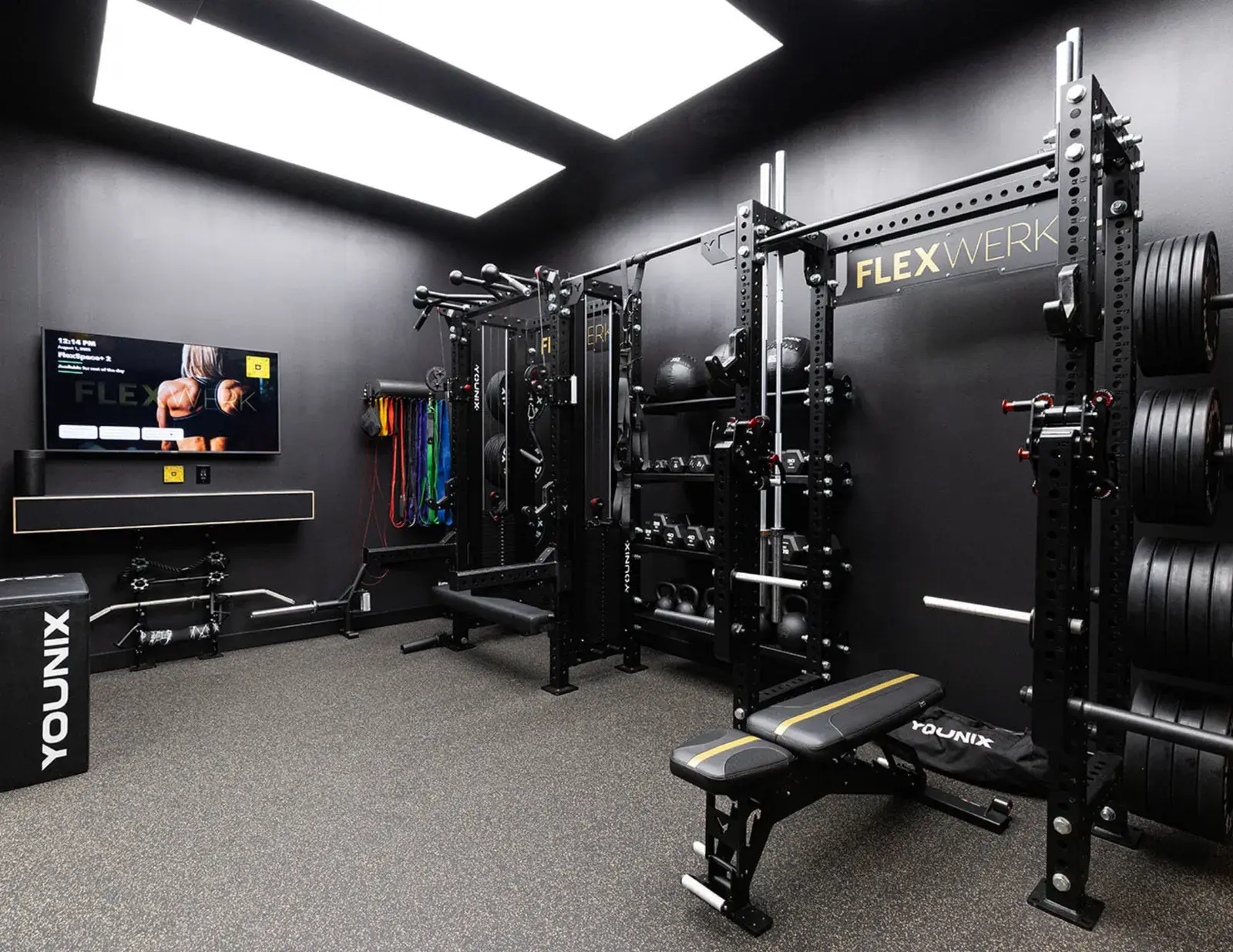
No. Every session with a therapist in the network takes place in a private suite at Carmel City Center, which is a closed room with its own equipment and not a curtained bay beside an open gym floor. There is no audience, so you can wear whatever suits the examination without feeling self-conscious, and the lighting and music can be adjusted.
Privacy changes what people are willing to wear and say. Shorts for a hip examination or a tank top for a shoulder feel different when only you and your therapist are in the room. If you have preferences or concerns about clothing, modesty or draping, mention them in the online assessment or when we call, and your therapist will plan around them.
Related questions
Can I wear jeans to physical therapy?
It is better not to. Denim restricts hip and knee movement and hides the joint, so bring shorts or stretchy pants to change into if you are coming from work.
Do I need to buy special clothes for physical therapy?
No. Ordinary gym clothes or anything loose and comfortable is fine, and nothing needs to be new or branded.
Should I wear my brace or sling to the appointment?
Yes. Wear it as your physician or surgeon instructed and keep it on until your therapist advises otherwise. They will check the fit and explain when it can come off for exercise.
Can I wear leggings to physical therapy?
For most problems, yes. For a knee or lower leg problem, shorts work better because the therapist can see and feel the joint directly.
Should I remove jewelry or my watch?
A watch or fitness tracker is fine for most sessions. Take off rings, bracelets or necklaces that press on the treated area or could catch on bands and cable handles.
Keep reading
- Do I need a referral for physical therapy in Indiana?
- Does physical therapy hurt?
- When should I see a physical therapist?
- What to expect at your first visit to FlexWerk
- Running injury physical therapy in Carmel
- Directions and parking at Carmel City Center
This page is general education, not medical advice. A physical therapist can only advise on your situation after an examination.