Physical therapy should not be an ordeal. Some soreness during or after exercise is normal, much like the day after a new workout, but sharp, escalating or lingering pain is a signal to adjust the plan, not something to push through. A common guide therapists use is that mild discomfort that settles within about a day is acceptable. You control the pace, and a careful therapist changes the exercise the moment you say it is too much.
Last reviewed By the Monon Therapy Collective editorial team
Is it normal to be sore after physical therapy?
Yes, mild soreness is normal, especially after the first few sessions. Muscles that have not worked hard for a while respond to new exercise with a dull, achy stiffness that peaks a day or two later and then fades. It feels like the day after a new workout and is a sign of adaptation, not damage.
Your usual symptoms may also be stirred up a little by testing and exercise. A common guide therapists use is that mild, short-lived discomfort that settles within about a day is acceptable. If yours behaves that way, the dose was about right. Simple measures help it along.
- Keep moving gently instead of resting completely
- Take an easy walk, for example a flat stretch of the Monon Trail
- Use heat or ice for comfort, whichever you prefer
- Sleep well and drink enough water
- Tell your therapist at the next visit so the dose can be fine-tuned
How do I tell expected soreness from warning pain?
Expected soreness is dull, spread across a muscle, and improving by the next day or two. Warning pain is different in quality and behavior: it is sharp, it builds as you continue, or it hangs on long after the session ends. The first kind means carry on. The second kind means the exercise, the load or the range needs to change.
Reporting these signs is not complaining; it is the information your therapist needs. Many clinicians use a simple 0 to 10 scale and keep exercise discomfort in the low range, adjusting for the condition. Some problems, such as tendon pain, tolerate a little discomfort during loading. Others, such as an irritated nerve in sciatica, call for a gentler approach.
- Sharp, stabbing or catching pain during a movement
- Pain that climbs with each repetition instead of easing as you warm up
- Pain that is still clearly worse two days later
- New numbness, tingling or pain spreading down an arm or leg
- Swelling, warmth or a joint that gives way
- Pain that wakes you at night when it did not before
Does hands-on treatment or stretching have to hurt to work?
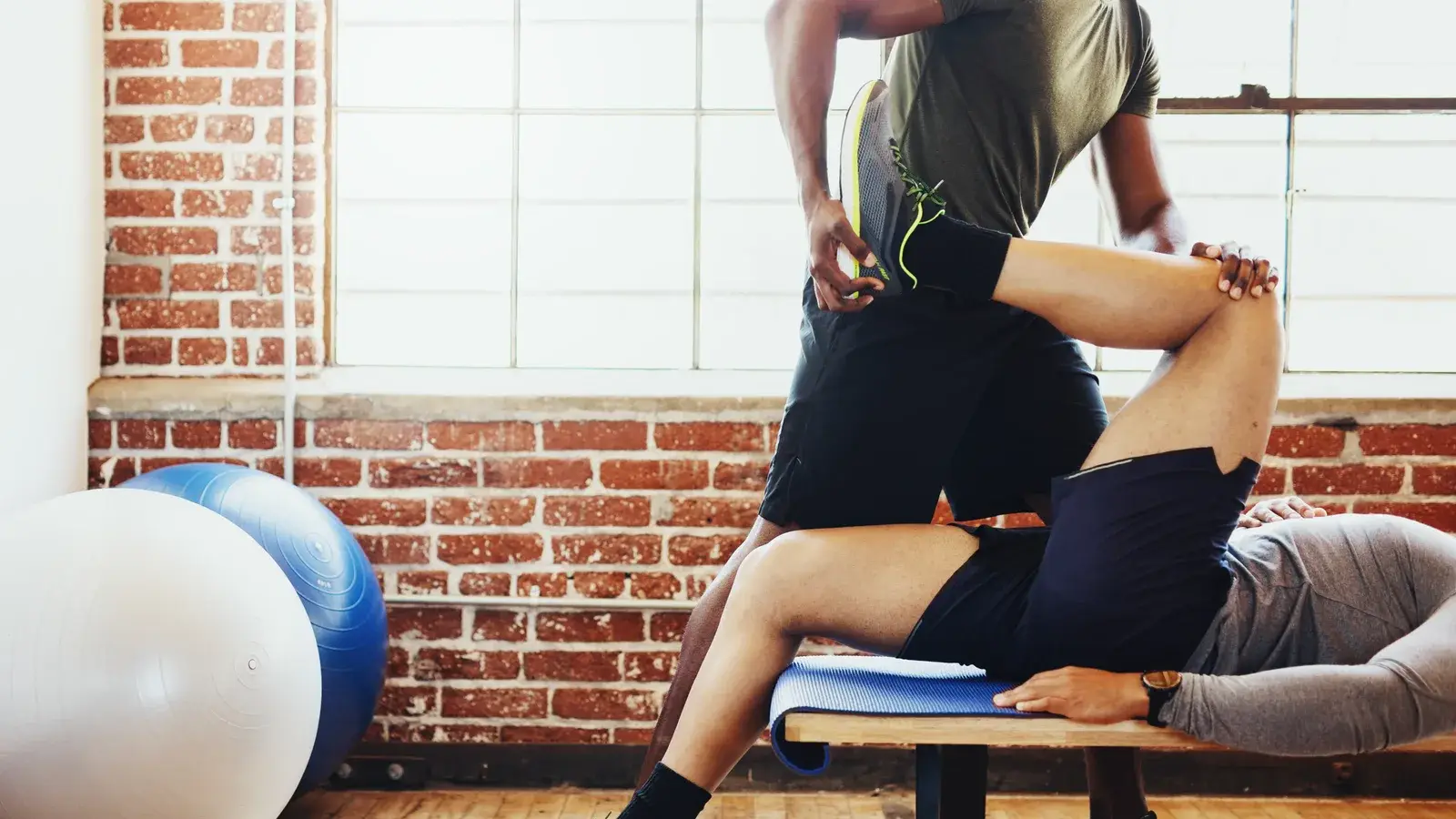
No. The idea of “no pain, no gain” does not apply to rehabilitation. Hands-on techniques and stretching can feel firm or intense, but they should stay within what you can breathe through and relax into. Forcing a painful joint or gritting your teeth through a stretch tends to make muscles guard, which works against the goal.
Some situations are genuinely uncomfortable, and honesty helps. Regaining knee bend after a joint replacement or working on a very stiff shoulder often involves sustained stretching that is not pleasant. Even then, the discomfort should be planned, explained and under your control. In modern practice, manual therapy supports an exercise program; it is not a test of toughness.
What if I am afraid movement will make things worse?
That fear is common and reasonable, and a thoughtful therapist takes it seriously. It helps to know that hurt does not always mean harm. Pain is a protective alarm, and after weeks or months of trouble the alarm can become oversensitive, firing at movements that are perfectly safe for the tissue.
The answer is graded exposure, which means starting with a version of the movement you can tolerate and building up in small steps. Someone with low back pain might begin with supported bending long before lifting anything from the floor. Each successful step teaches the nervous system that the movement is safe, and confidence returns alongside strength.
How does a private, one-on-one session at FlexWerk change this?
It means someone is watching every repetition and can change the plan in seconds. In Carmel, the therapist you are matched with works with you alone in a private suite and is not dividing attention between several patients. If an exercise bites, it is modified on the spot.
Privacy also makes it easier to be honest. In a closed room at Carmel City Center there is nobody to perform for, which makes it simpler to say “that one hurts” or to admit you are nervous. You can note your pain levels and worries in the online assessment, so the first session starts at the right intensity.
Related questions
Should I take pain medication before physical therapy?
Follow the advice of your physician, surgeon or pharmacist, especially after an operation. Tell your therapist what you have taken, because medication can mask symptoms that would otherwise guide the session.
Why do I feel worse after my first physical therapy session?
An evaluation deliberately tests the movements that provoke your symptoms, so a temporary flare is common. It typically settles within a day or two, and your therapist will want to hear about it.
Is ice or heat better after a session?
Use whichever feels more soothing. Both are comfort measures, so apply them for short periods with a layer of cloth to protect your skin.
Is physical therapy painful after surgery?
It is often uncomfortable in the early weeks, particularly when regaining range of motion after a joint replacement. The work is paced within your surgeon’s protocol, and you can always ask for a pause.
Can physical therapy make an injury worse?
Appropriately dosed therapy rarely causes harm. Temporary flare-ups do happen and are not the same as damage, but symptoms that escalate or persist should be reported promptly.
Keep reading
- How often should I go to physical therapy?
- What should I wear to physical therapy?
- How long does physical therapy take?
- Manual therapy in Carmel and how it is used
- Physical therapy for low back pain
- What your first session involves
This page is general education, not medical advice. A physical therapist can only advise on your situation after an examination.