
Balance and fall prevention therapy in Carmel, Indiana
Balance and fall prevention therapy is a program of leg strengthening, walking practice and progressively harder balance exercises that lowers the chance of falling and rebuilds confidence on your feet. In Carmel, Indiana, the licensed physical therapist you are matched with assesses your strength, gait and balance one-on-one in a private suite, and training then targets the specific gaps found. If your unsteadiness comes with dizziness or a spinning sensation, see a physician first, because that needs a medical evaluation before exercise-based therapy.
What balance and fall prevention therapy involves
Balance and fall prevention therapy trains the three things that keep you upright: leg and hip strength, the quality of your walking, and your ability to recover when something tips you off center. Balance is a skill that responds to practice at any age. The work is simply chosen more carefully and supervised more closely than general exercise.
The CDC describes falls as a leading cause of injury among adults 65 and older, and it also stresses that falling is not an inevitable part of aging. Many of the contributors can be changed, including weak legs, a slow or shuffling gait, stiff ankles, poor footwear and the fear of falling itself, which leads people to move less and lose more strength.
- Leg strength, often with a timed sit-to-stand test from a chair or bench
- Walking speed, step length and how you turn
- Standing balance with feet together, in a stride stance and on one leg
- Ankle and hip mobility, and sensation in your feet
- Your fall history, footwear, and the places at home where you feel least steady

How a balance session works in a private suite
A balance session in one of the private suites is one-on-one for the entire visit, with a licensed physical therapist within arm’s reach whenever you are being challenged. That closeness is the point. Balance only improves when an exercise is hard enough to make you wobble, and it is only safe to wobble when someone is ready to steady you.
The private suite removes the things that make open gyms stressful for unsteady people: crowds, equipment left on the floor, noise and the feeling of being watched. Lighting and music are under your control. The rack uprights and the bench give sturdy handholds and a seat between exercises, and the indoor turf corridor outside offers a straight, clear path for walking practice.
Sessions usually blend strengthening, such as sit-to-stands, step-ups and calf raises, with balance tasks that get gradually harder: narrower stances, head turns, reaching, stepping over objects, and walking while carrying something or holding a conversation. Everyday life rarely asks you to balance while doing nothing else, so practice should not either.
What a fall prevention program looks like across several weeks
Most fall prevention programs run for roughly 8 to 12 weeks, because strength and balance take that long to change in a lasting way, though the length varies with your starting point and your health. Visits are often once or twice a week, supported by a short daily home routine that is matched to what you can do safely on your own.
Getting up from the floor deserves a special mention. Many people who fall are not badly hurt but cannot get up, and practicing a reliable method in a safe setting takes away a large part of the fear. Indiana winters add their own hazard, so before the cold season your therapist also works on strategies for ice, wet entryways and bulky boots, such as shorter steps and planning where your hands can go.
- Assessment: baseline tests of strength, walking and balance, plus a talk about your fall history and goals.
- Foundation: leg and hip strengthening and steady standing balance with support close by.
- Challenge: moving balance, turning, stepping and dual-task practice with less hand support.
- Real life: curbs, uneven ground, carrying loads, and getting down to and up from the floor.
- Re-test and maintain: repeat the baseline tests and set a long-term exercise plan.
Who should start with balance therapy and who needs a physician first
Balance therapy is a good starting point for older adults who feel unsteady, have had a fall or a near miss, have started avoiding stairs or outings, or use furniture and walls for support at home. It also suits people returning from a hospital stay or a long illness who have lost leg strength.
Some causes of unsteadiness are medical and need a physician before exercise-based therapy. Dizziness, lightheadedness when you stand, or vertigo, which is a false sense of spinning, should be evaluated by your doctor first. The program described here is strength, gait and balance training, not vestibular rehabilitation for inner ear conditions. Call 911 for sudden loss of balance with facial droop, arm weakness, slurred speech or a severe headache, which can be signs of a stroke.
Bring a list of your medications to the first visit. Some medicines and combinations affect balance or blood pressure, and your therapist may suggest asking your doctor or pharmacist for a review. The symptoms below are the main ones that call for a medical appointment before, or alongside, a balance program.
- Dizziness, vertigo or a spinning sensation
- Fainting, blackouts or lightheadedness on standing
- A fall with a blow to the head, especially if you take blood thinners
- New numbness in the feet, new weakness, or a sudden change in walking
- Several falls in a short period without an obvious cause
- Sudden changes in vision
How balance training ties into other care in the network
Balance problems rarely travel alone, so this program connects to the other care described on this site. Arthritic knees and hips, an old ankle injury or a recent joint replacement often sit underneath unsteadiness, and your therapist can treat them in the same plan through orthopedic physical therapy or post-surgical rehabilitation. The page on physical therapy for arthritis explains how joint pain and strength interact.
Strength fades if it is not used, so the end of therapy should not be the end of training. Some people carry on at the same address with an independent FlexWerk coach, working from a written plan supplied by their therapist. A coach is a personal trainer and not a clinician, and the job at that stage is safe, progressive strength work that holds on to what therapy built.
If you are covered by Medicare, its rules require a physician or qualified provider to certify the plan of care. Before you book, the matching team checks which therapists in the network work with your plan, and the therapist’s office confirms your benefits. See cost and insurance for how that works. To get started, you or a family member can complete the online assessment and choose balance as the area of concern.
Who it helps
Balance and fall prevention therapy is worth considering if
- You have fallen, or nearly fallen, in the past year
- You feel unsteady on stairs, curbs, grass or in the dark
- You hold on to furniture or walls as you move around the house
- Getting up from a low chair or the floor has become difficult
- Fear of falling has made you give up walks, travel or social events
- You are rebuilding strength after illness, a hospital stay or joint surgery
- A spouse or adult child has noticed changes in how you walk
Conditions
Problems this kind of care treats
 OsteoarthritisStrength, pacing and joint-friendly exercise for knee and hip osteoarthritis, including preparation for joint replacement.
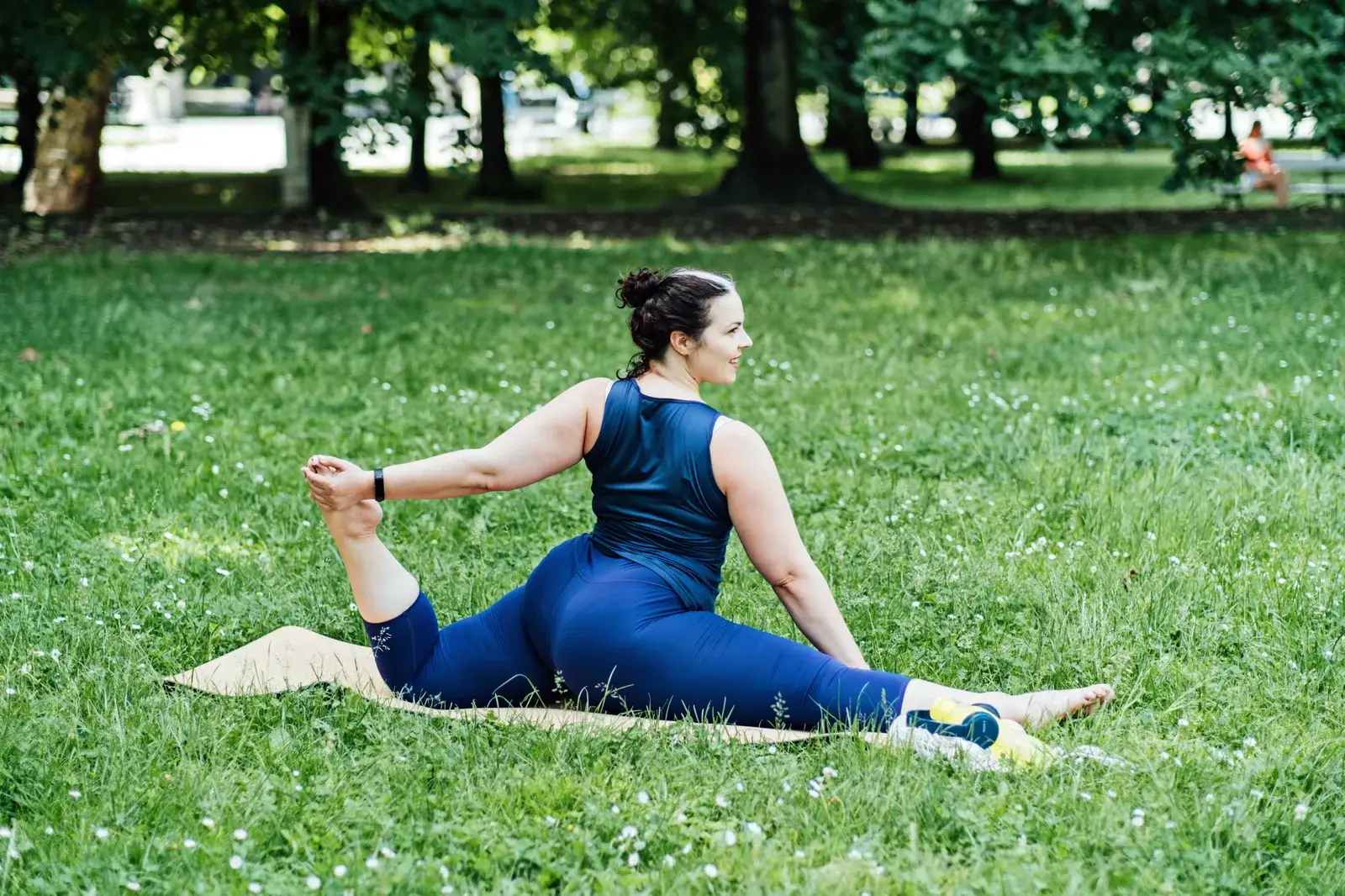 Hip painCare for outer hip pain often called bursitis, hip impingement, hip osteoarthritis and hip flexor strains.
 Knee painHelp for runner’s knee, meniscus irritation, tendon pain and arthritis flares, built on progressive strength work.
- Ankle sprainRehab for fresh sprains and ankles that keep rolling: strength, balance retraining and a tested return to sport.
Two-minute assessment
Not sure which therapist is right for you?
Answer a few questions about what hurts, how long it has been going on and what you want to get back to. Our matching team reads every answer and proposes a licensed physical therapist in the network whose focus, schedule and coverage fit. Two minutes, no obligation.
- No referral needed to start in Indiana (first 42 days)
- We check which therapists work with your plan before you book
- One-on-one care in a private suite at Carmel City Center
Questions
About balance and fall prevention
Information on this website is general education, not medical advice, a diagnosis or a treatment plan. Only a licensed clinician who examines you can advise on your condition. If you may be having a medical emergency, call 911.
Something we did not cover? Ask the matching team or ring (888) 353-9975.
Am I too old to improve my balance?
No. Strength and balance respond to training at every age, including the eighties and nineties. Progress may be slower than it would be for a younger person, but it is still worthwhile.
Do you treat vertigo or BPPV?
The program on this page is strength, gait and balance training, and it is not a treatment for vertigo or inner ear conditions. If you have spinning sensations or dizziness, see your physician first for a medical evaluation.
Can a family member come to balance sessions?
Yes, and it often helps. A spouse or adult child can learn how to assist safely and how to support the home exercises. Because the suite is private, a companion is never in anyone else’s way.
Should I bring my cane or walker?
Yes. Bring whatever you normally use, along with the shoes you wear most days. Your therapist will check that the device is the right height and that you are using it in the way that gives the most support.
What can I do at home to lower my risk of falling?
Common steps include removing loose rugs, improving lighting on stairs and in hallways, adding grab bars in the bathroom and wearing supportive shoes indoors. Your therapist can go through a home safety checklist with you.
Google reviews
What guests say about FlexWerk
These are live Google reviews of FlexWerk at Carmel City Center, the private-suite facility where therapists in the network practise.
Continue
Related services
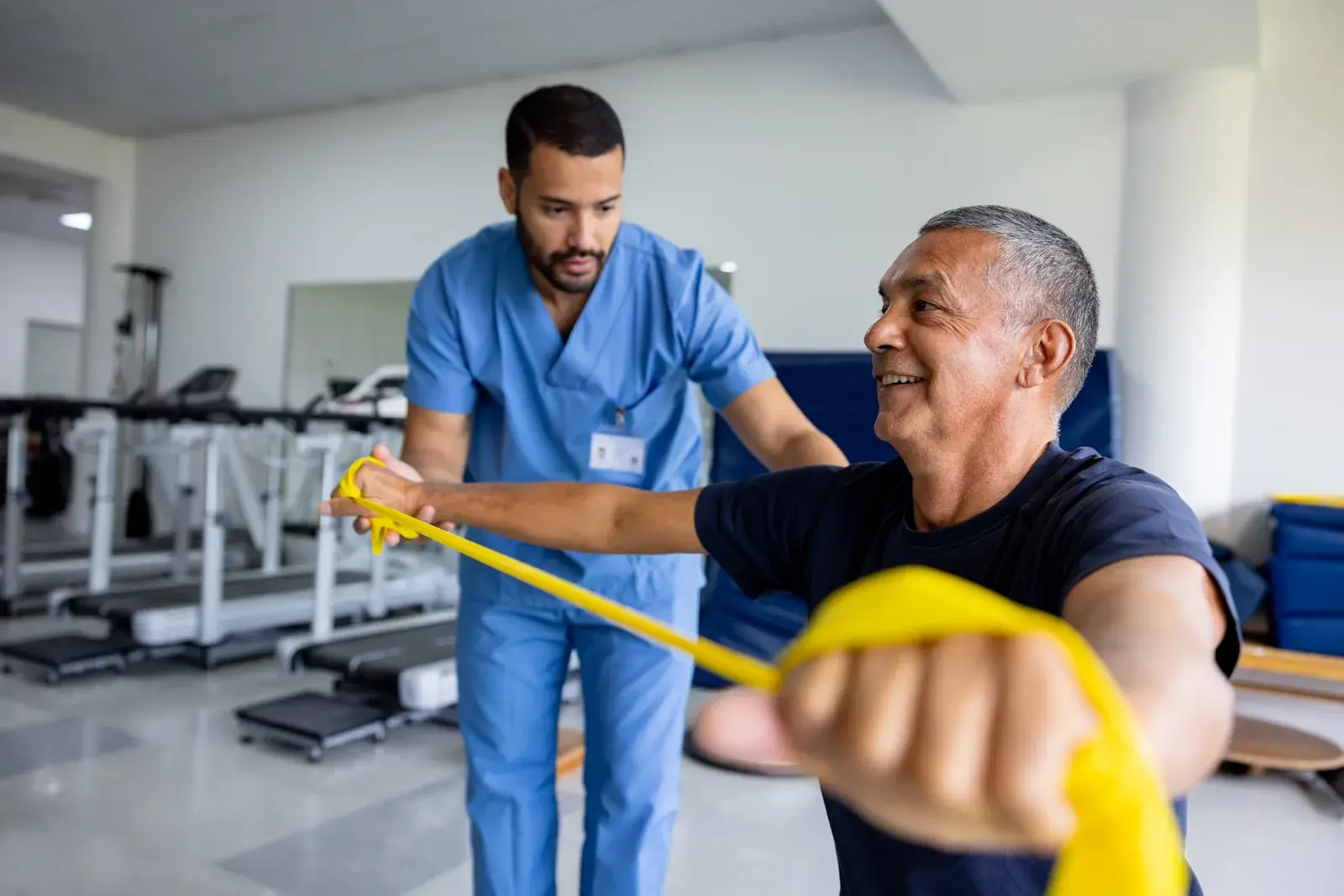 Orthopedic physical therapyExercise-led care for back, neck, shoulder, hip, knee and ankle problems, delivered one-on-one in a private suite.
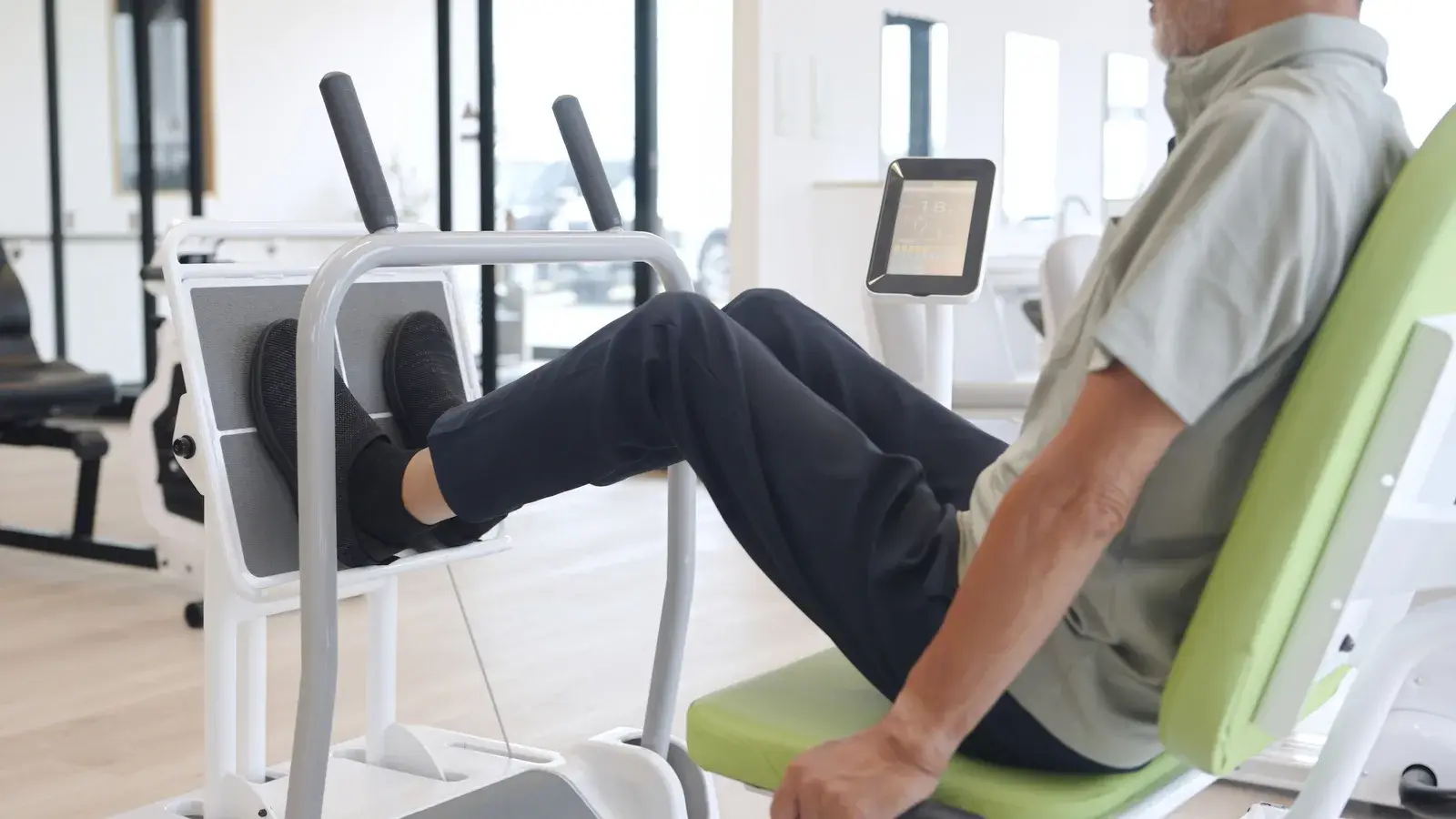 Post-surgical rehabilitationProtocol-led rehab after joint replacement, ligament, tendon and spine surgery, in a quiet private room instead of a crowded gym.
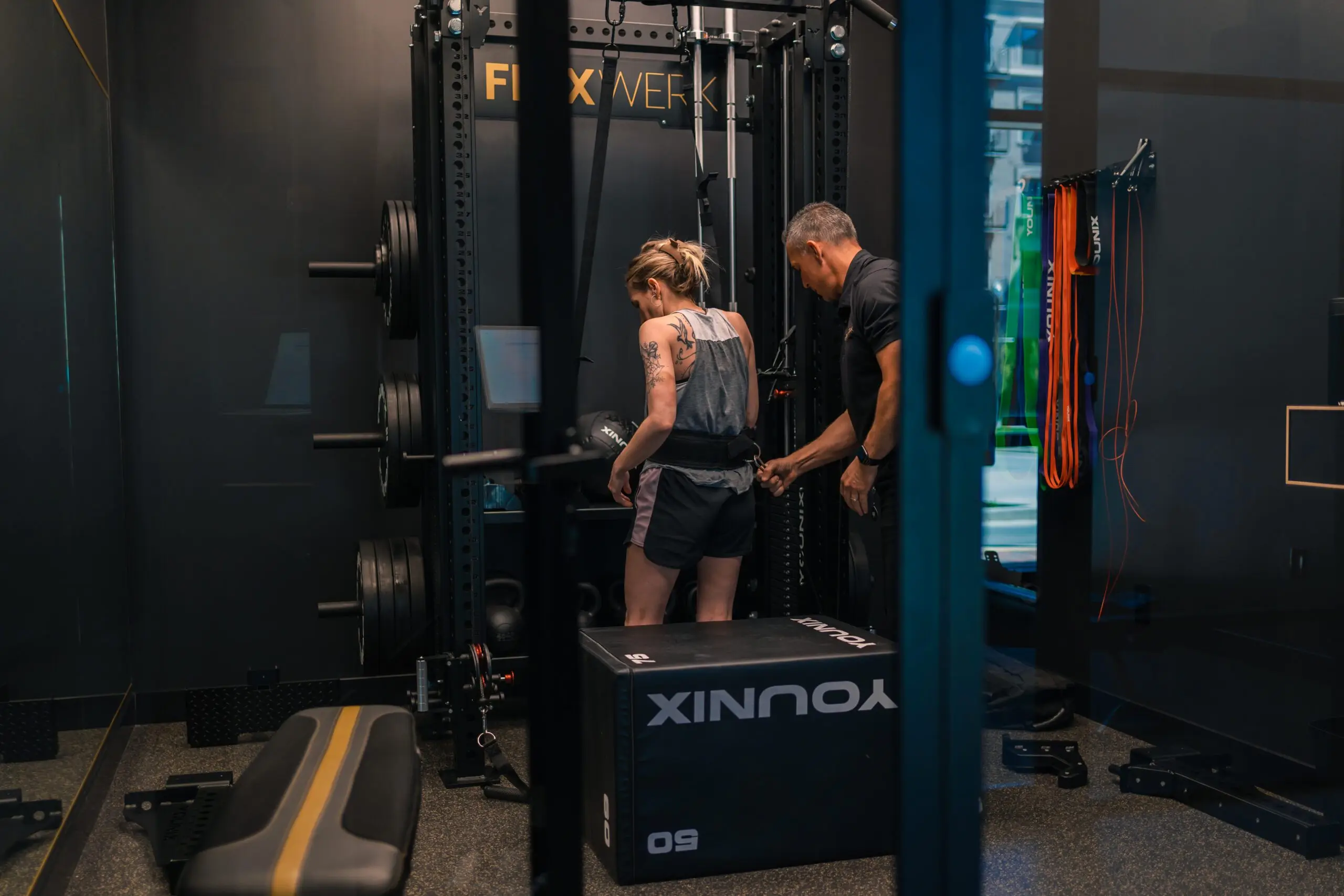 Post-rehab strength trainingThe bridge from discharge to lasting strength: a written handoff from your therapist to a FlexWerk coach in the same building.
Page reviewed By the Monon Therapy Collective editorial team

Carmel City Center · Carmel, Indiana
Start with a conversation
Tell us what hurts and what you want to get back to. We will tell you honestly whether a therapist in the network is likely a good fit for what you describe, and match you with an independent, licensed therapist who is. Only that therapist can assess what will help.
885 Monon Green Blvd, Suite 120, Carmel, IN 46032 · Monday to Friday 5 AM to 9 PM · Saturday and Sunday 7 AM to 4 PM