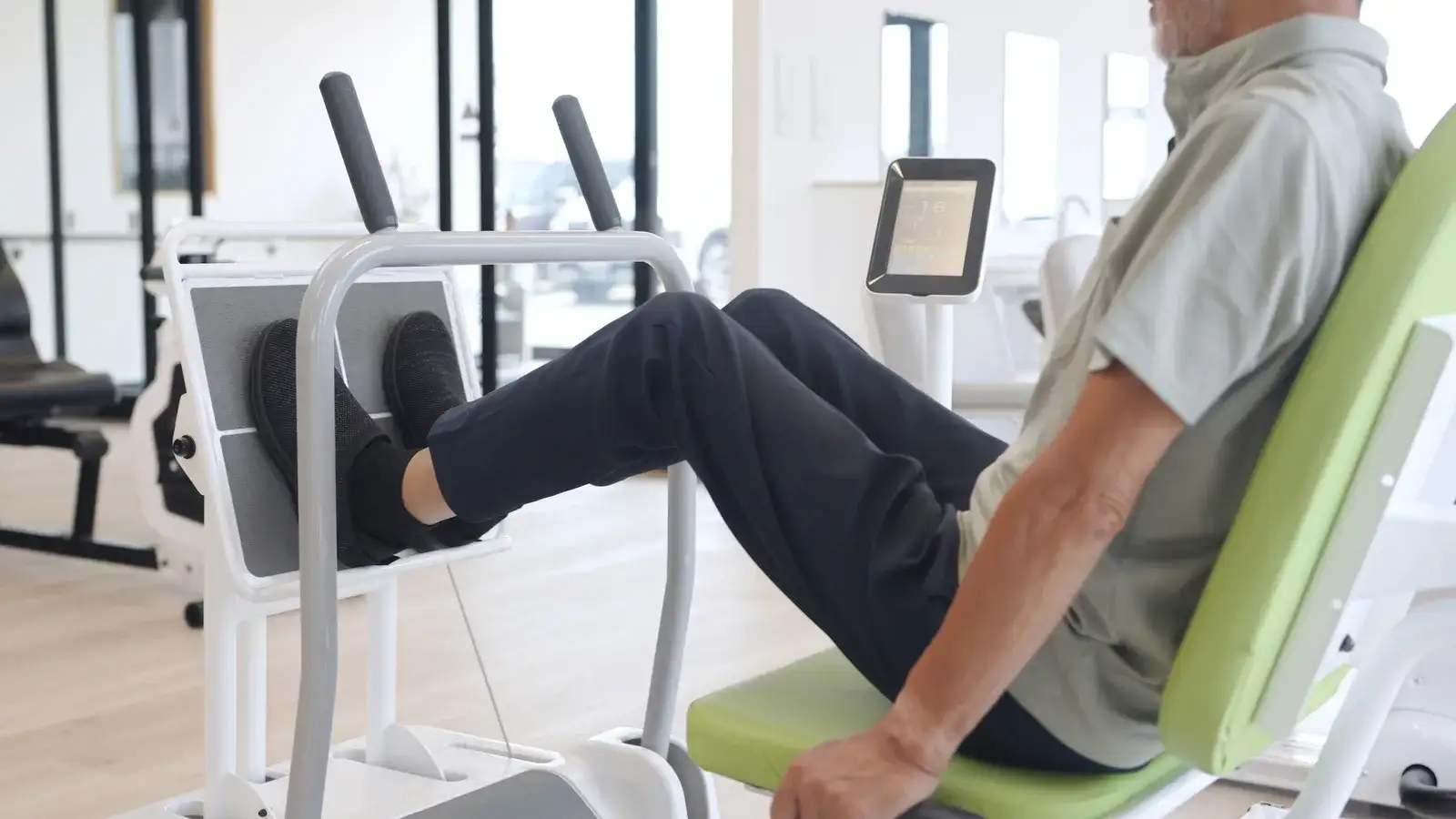
Post-surgical rehabilitation in Carmel, Indiana
Post-surgical rehabilitation is physical therapy that restores motion, strength and function after an orthopedic operation while protecting the surgical repair. In Carmel, Indiana, the licensed physical therapist you are matched with follows your surgeon’s protocol, with every visit spent one-on-one in a private suite, from the early protected weeks through full strengthening. Recovery time depends on the procedure, and your therapist will explain what is typical for yours at the first visit.
What post-surgical rehabilitation covers
Post-surgical rehabilitation covers the physical therapy you need after an orthopedic operation, from the first careful movements to the point where the repaired area is strong enough for normal life. Surgery fixes a structure. Rehab teaches the joint and the muscles around it to work again, and it does so in an order that respects how tissue heals.
Your therapist works from the protocol your surgeon provides. A protocol is the surgeon’s written set of rules for your recovery: how much weight you may put on the limb, which motions are restricted and when each restriction lifts. If something in your progress does not match the expected course, your therapist checks with the surgeon’s office instead of guessing.
- Total knee and total hip replacement
- ACL reconstruction and meniscus repair
- Rotator cuff repair and other shoulder surgery
- Ankle, wrist or other fracture fixation, once the surgeon clears movement
- Lumbar and cervical spine surgery, when the surgeon orders therapy
- Tendon repairs, such as the Achilles
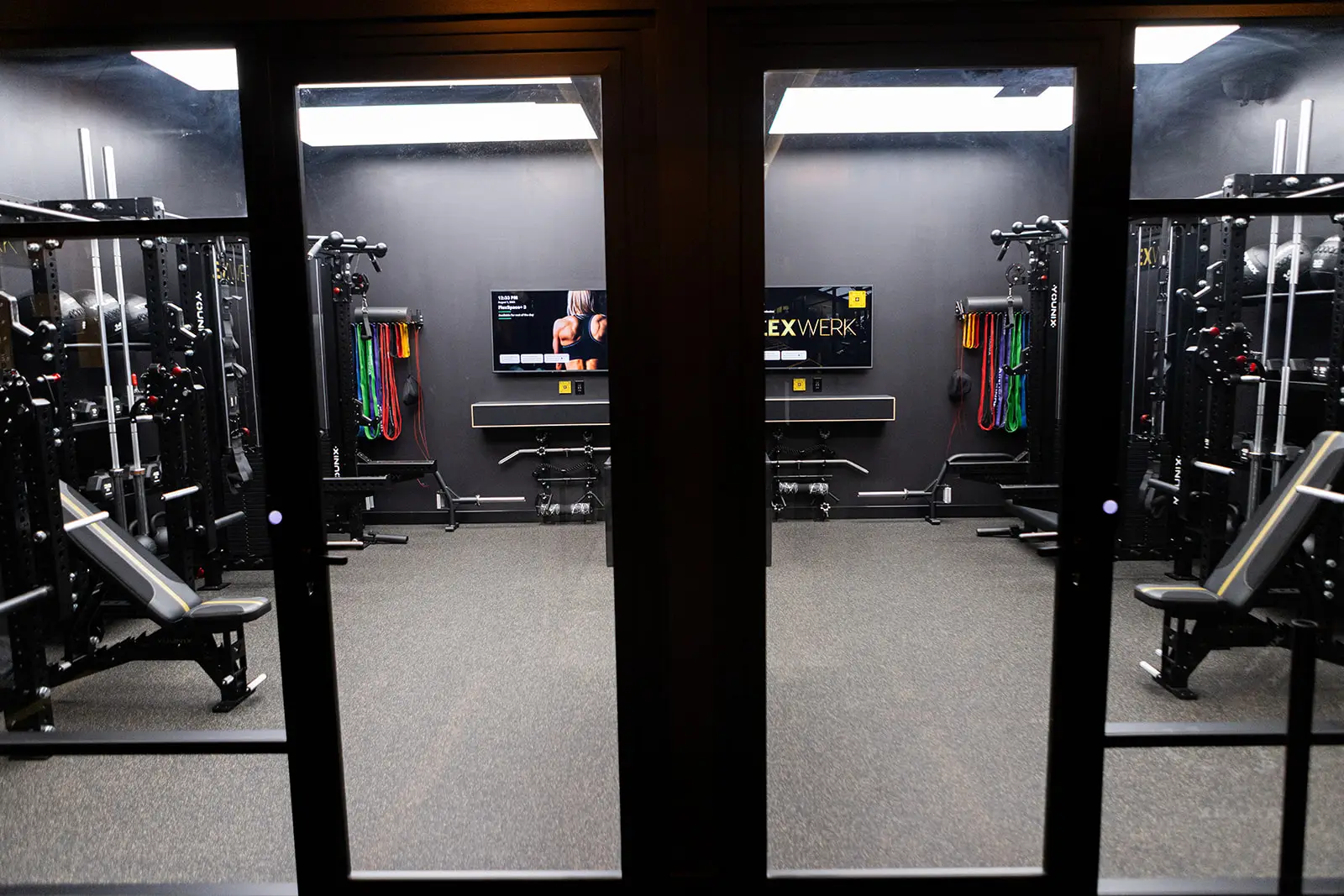
A post-surgical session in a private suite at FlexWerk
A post-surgical session in one of the private suites is one-on-one with a licensed physical therapist for the whole visit, inside a closed room. That matters after an operation. You may be on crutches, in a sling or a brace, moving slowly and not feeling like yourself, and a quiet room with a door is easier than a busy floor where people brush past.
Early sessions focus on the basics: checking the incision area and swelling, restoring motion within the limits your surgeon set, waking up muscles that have switched off, and practicing walking, stairs or getting dressed. Your therapist also reviews the home program, because short, frequent practice between visits does much of the work in the first weeks.
As restrictions lift, the same room becomes a strength room. The rack, cable system, dumbbells and bench allow a gradual climb from body weight to real resistance, which is the stage where recovery is often cut short. If you would like to know how arrival and paperwork are handled, the first visit page walks through it.
Typical recovery phases after orthopedic surgery
Recovery after surgery follows phases set by tissue healing and by your surgeon’s protocol, and the calendar differs by operation. As broad guides, many people manage daily activities with growing ease by around 6 to 12 weeks after a hip or knee replacement, with strength improving for months beyond that. Rotator cuff repairs often need four to six months. ACL reconstruction commonly takes nine months or more before pivoting sports.
Visits are usually most frequent in the first weeks and taper as you take over more of the work at home. Your therapist measures range of motion, strength and walking or lifting tasks at regular points so that you, and your surgeon if they ask, can see objective progress. Healing cannot be rushed, but lost time from doing too little is just as real as a setback from doing too much.
- Protection phase: control pain and swelling, protect the repair and begin the gentle motion you are permitted.
- Motion phase: work toward full range of motion and normal walking or arm use.
- Strength phase: progressive resistance for the operated limb and the rest of the body.
- Function phase: job tasks, recreation or sport drills, and a long-term exercise plan.
Who benefits, and warning signs that need your surgeon first
Post-surgical rehab is appropriate for adults whose surgeon has cleared them to begin therapy, whether the operation was last week or last year. If you finished a short course elsewhere and still feel weak, stiff or unsure, a fresh evaluation can pick up where that left off. Strengthening before a planned operation, sometimes called prehab, is also worth asking about.
Certain symptoms after surgery need your surgeon or emergency care, not a therapy visit. Call your surgeon’s office promptly, or 911 where noted, for anything on the list below. Your therapist looks for these signs at every early visit and will stop a session to get you the right help if one appears.
- Fever, chills, or an incision that is increasingly red, hot, swollen or draining
- Calf pain, swelling, warmth or tenderness, which can signal a blood clot
- Chest pain or sudden shortness of breath: call 911
- Sudden severe pain, a pop, or a new deformity in the operated area
- New numbness, weakness or loss of bladder or bowel control after spine surgery
Referrals, insurance and life after surgical rehab
Most people arrive after surgery with a therapy order from their surgeon, and that order is useful. Indiana’s direct access window is 42 calendar days, counted from your first treatment, and surgical rehab usually lasts longer than that, so a referral is needed to continue. Many insurance plans also want one for coverage. Medicare requires a physician or qualified provider to certify the plan of care. The therapist’s office confirms your benefits before the first appointment, as described on the cost and insurance page.
When formal rehab ends, the operated limb is often functional but not yet as strong as the other side. That gap is what post-rehab strength training addresses: continued training alongside an independent FlexWerk coach, without leaving the building, guided by a written handoff from your therapist. A coach is a personal trainer, not a clinician, which is why the handoff spells out your restrictions. Athletes can add return-to-sport testing before they compete again.
If you have a surgery date, or have already had your operation, fill out the online assessment and tell the matching team the procedure and the date. Expect a call or text to propose a therapist, and the therapist’s office will time your first visit around your surgeon’s instructions.
Who it helps
Post-surgical rehabilitation is for you if
- You have a joint replacement, ligament, tendon or spine operation scheduled or recently completed
- Your surgeon has given you a therapy order or protocol
- You would rather recover in a private room than on an open clinic floor
- You finished therapy elsewhere and still lack strength, motion or confidence
- You want to build strength before a planned operation
- You intend to return to golf, pickleball, hiking or another activity after surgery
Conditions
Problems this kind of care treats
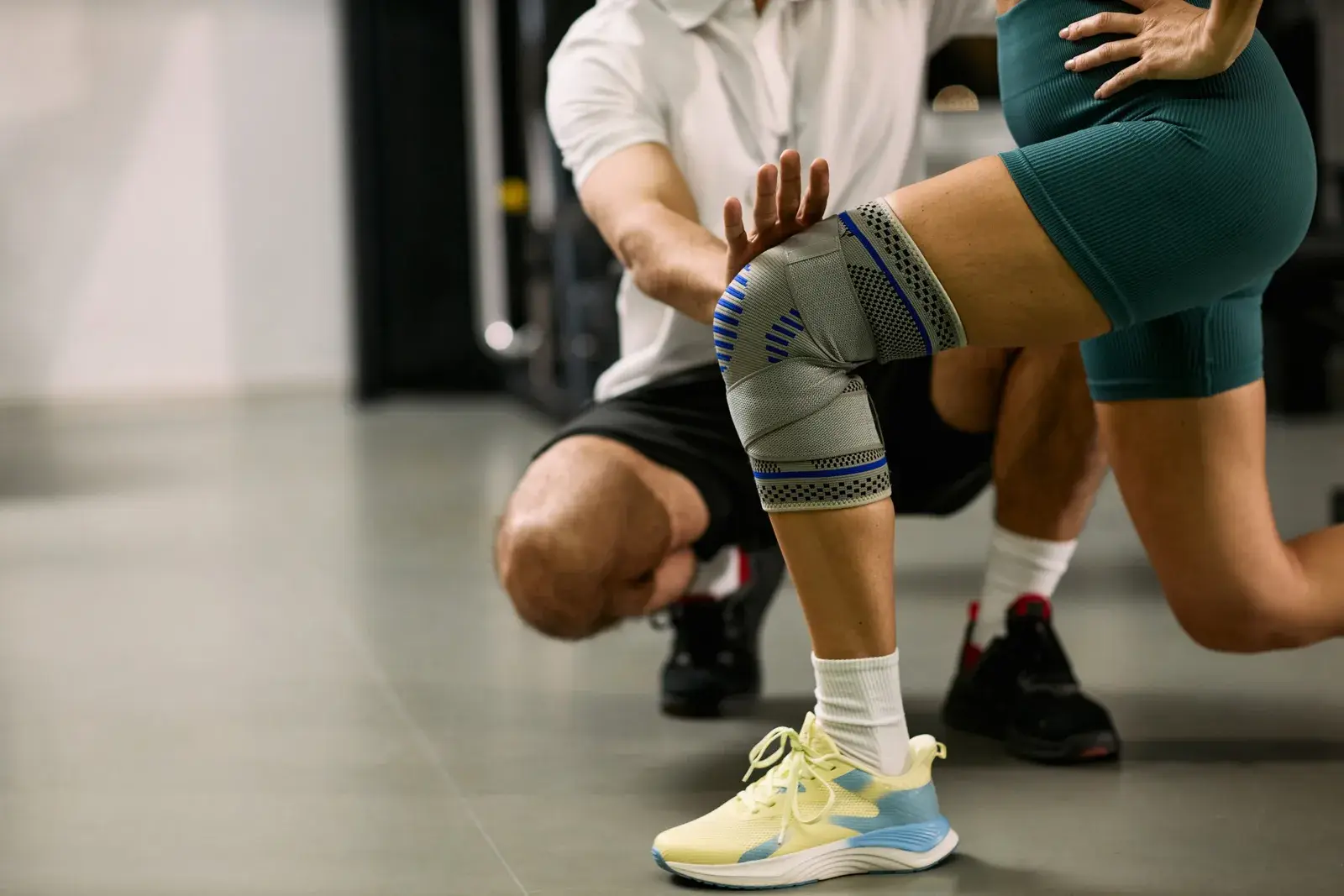 ACL injuryPrehab, post-reconstruction rehab and criteria-based return to sport for ACL injuries, one-on-one in a private suite.
 Rotator cuff injuryProgressive loading for cuff tendinopathy and tears, plus protocol-led rehab after surgical repair.
 Knee painHelp for runner’s knee, meniscus irritation, tendon pain and arthritis flares, built on progressive strength work.
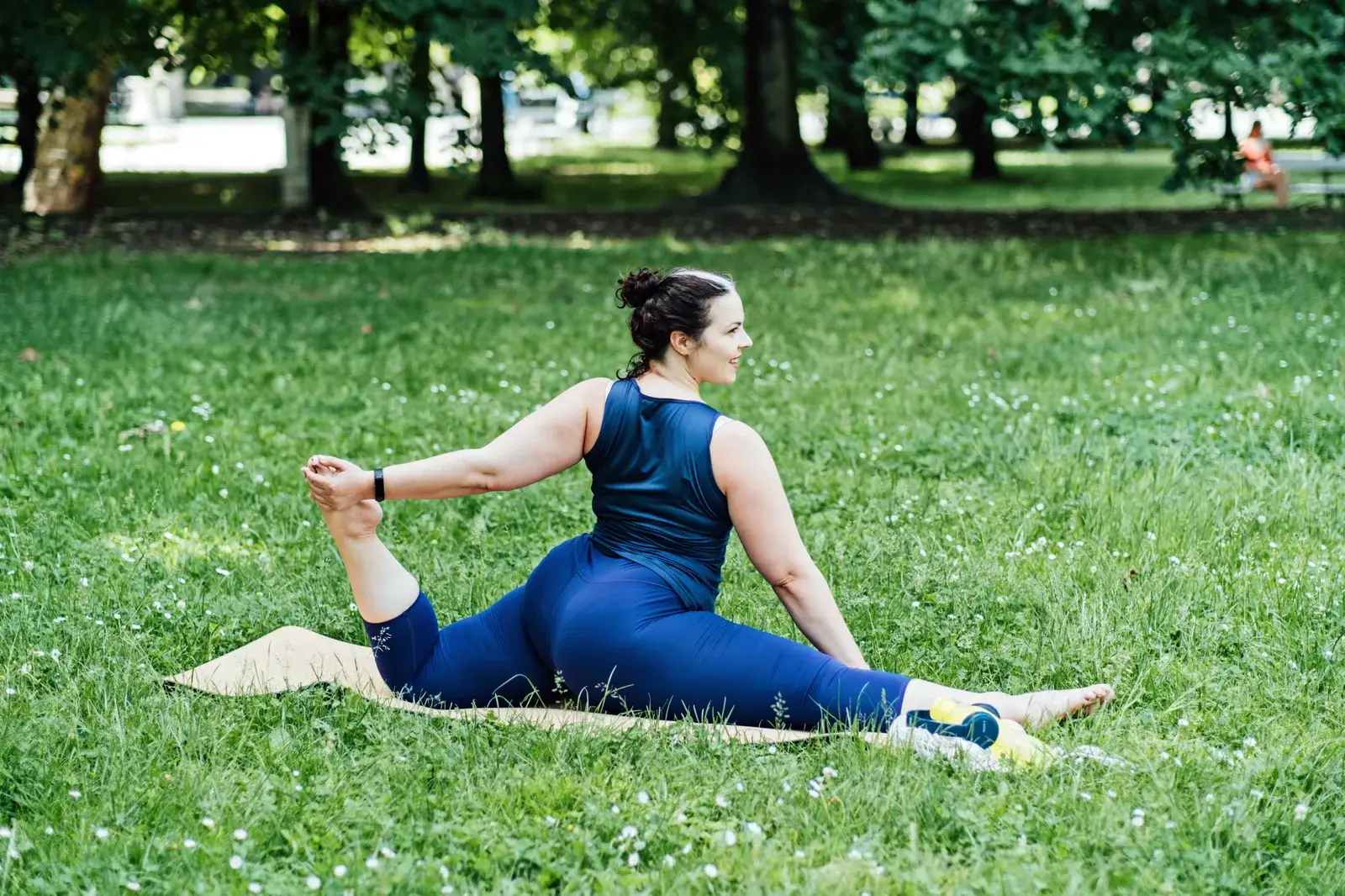 Hip painCare for outer hip pain often called bursitis, hip impingement, hip osteoarthritis and hip flexor strains.
Two-minute assessment
Not sure which therapist is right for you?
Answer a few questions about what hurts, how long it has been going on and what you want to get back to. Our matching team reads every answer and proposes a licensed physical therapist in the network whose focus, schedule and coverage fit. Two minutes, no obligation.
- No referral needed to start in Indiana (first 42 days)
- We check which therapists work with your plan before you book
- One-on-one care in a private suite at Carmel City Center
Questions
About post-surgical rehabilitation
Information on this website is general education, not medical advice, a diagnosis or a treatment plan. Only a licensed clinician who examines you can advise on your condition. If you may be having a medical emergency, call 911.
Something we did not cover? Ask the matching team or ring (888) 353-9975.
When should I start physical therapy after surgery?
Your surgeon decides. Some procedures begin therapy within days, while others need weeks of protection first. Complete the questionnaire once you know your surgery date so the matching team can propose a therapist and the first visit lines up with the protocol.
Do you follow my surgeon’s protocol?
Your therapist will. Bring the protocol or the therapy order to your first visit, and they will plan around its restrictions and timelines. If none was provided, your therapist asks the surgeon’s office for guidance before progressing.
Can I do physical therapy before my operation?
Often, yes. A short block of strengthening and motion work before a planned surgery can make the early days afterward easier to manage. Ask your surgeon whether it is appropriate for your procedure.
How long will I need therapy after a knee or hip replacement?
Many people attend for roughly two to three months and then continue exercising on their own. The length varies with your health before surgery, your goals and how the joint responds.
Is post-surgical rehab painful?
Expect some discomfort, particularly when working on motion in the early weeks, but it should be tolerable and should settle after the session. Tell your therapist how you feel so the pace can be adjusted. Sharp or escalating pain is a reason to pause and reassess.
Google reviews
What guests say about FlexWerk
These are live Google reviews of FlexWerk at Carmel City Center, the private-suite facility where therapists in the network practise.
Continue
Related services
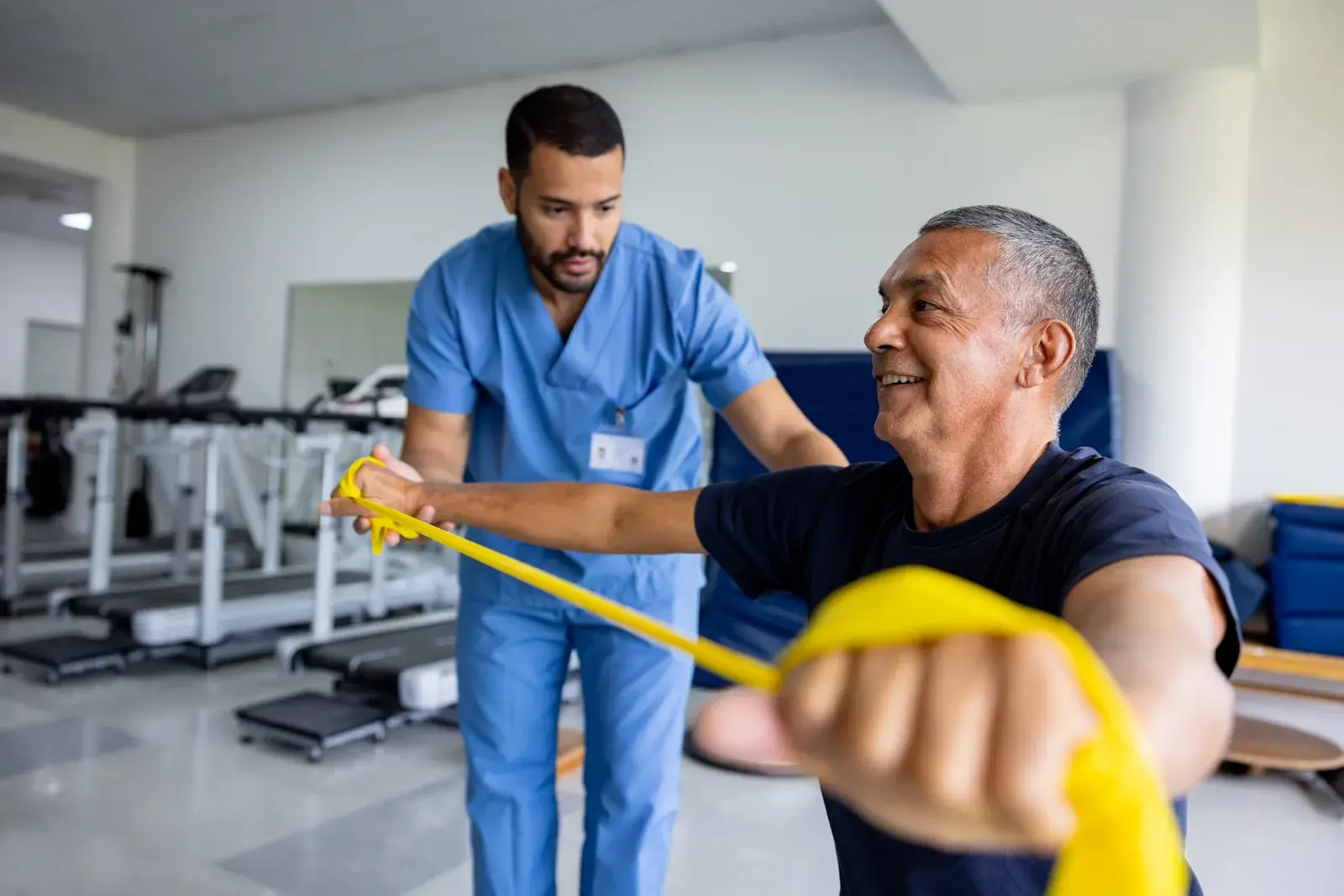 Orthopedic physical therapyExercise-led care for back, neck, shoulder, hip, knee and ankle problems, delivered one-on-one in a private suite.
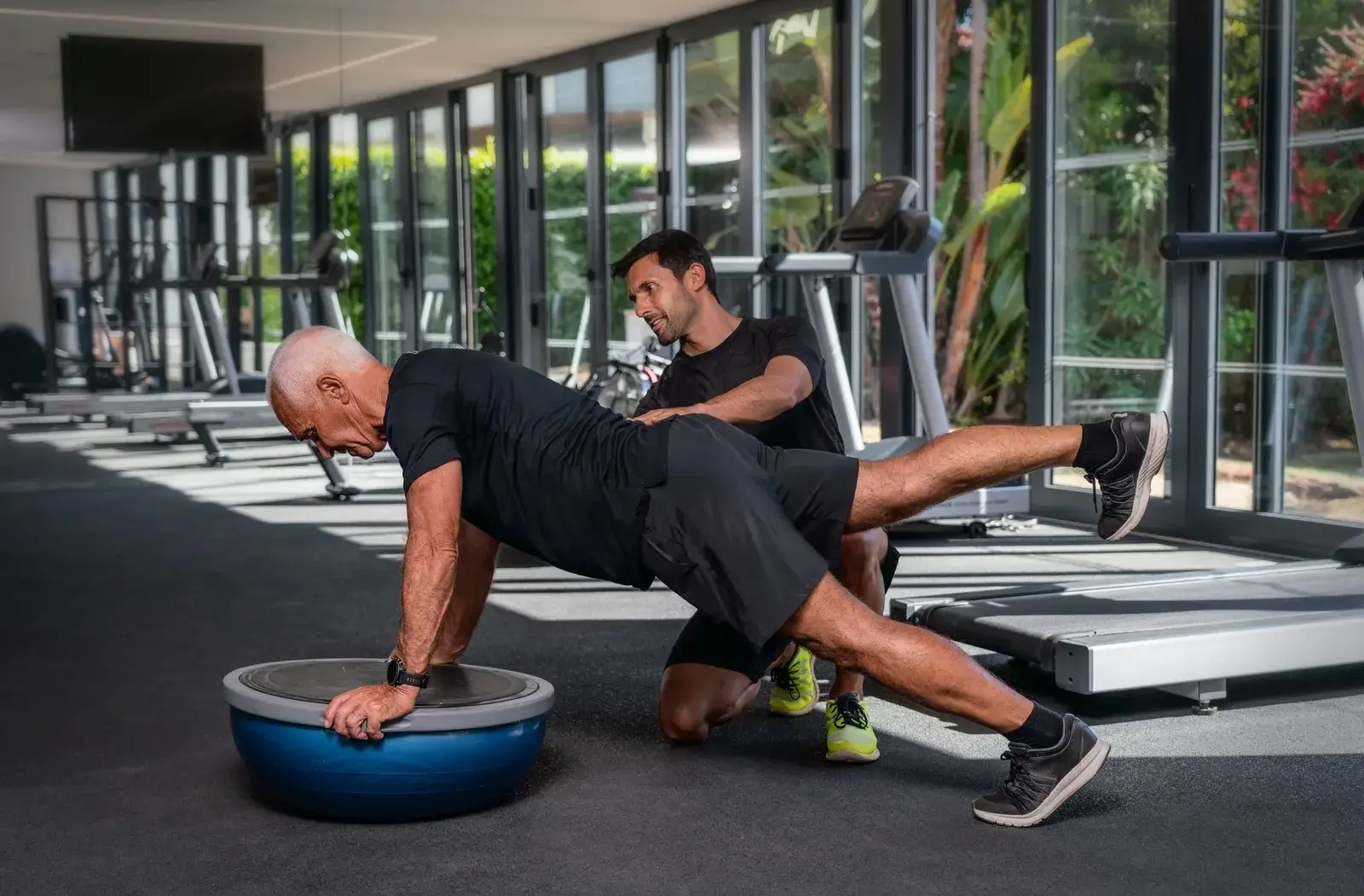 Return-to-sport testingCriteria-based testing of strength, hopping, movement and confidence, so your return to sport rests on evidence, not the calendar.
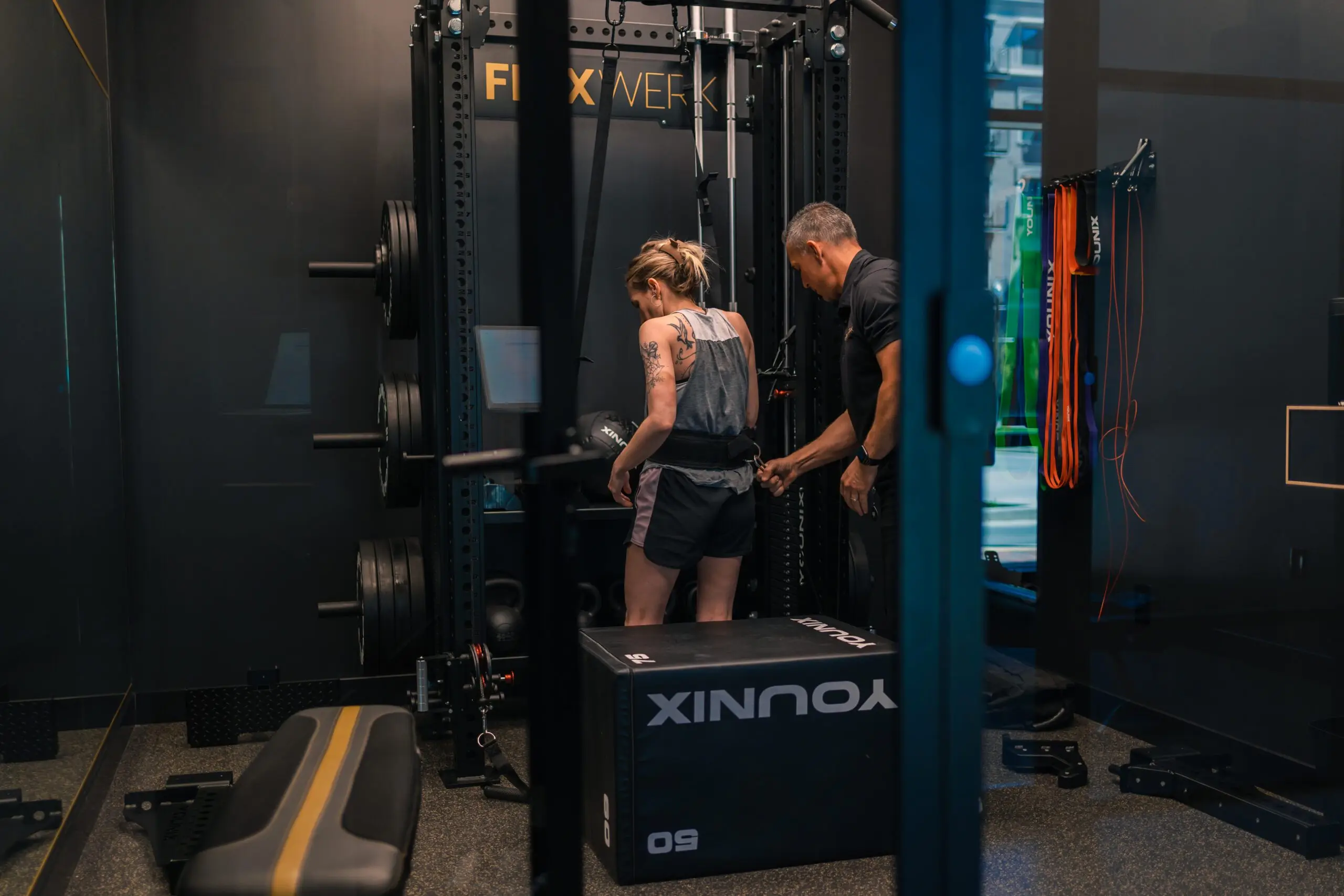 Post-rehab strength trainingThe bridge from discharge to lasting strength: a written handoff from your therapist to a FlexWerk coach in the same building.
Page reviewed By the Monon Therapy Collective editorial team

Carmel City Center · Carmel, Indiana
Start with a conversation
Tell us what hurts and what you want to get back to. We will tell you honestly whether a therapist in the network is likely a good fit for what you describe, and match you with an independent, licensed therapist who is. Only that therapist can assess what will help.
885 Monon Green Blvd, Suite 120, Carmel, IN 46032 · Monday to Friday 5 AM to 9 PM · Saturday and Sunday 7 AM to 4 PM