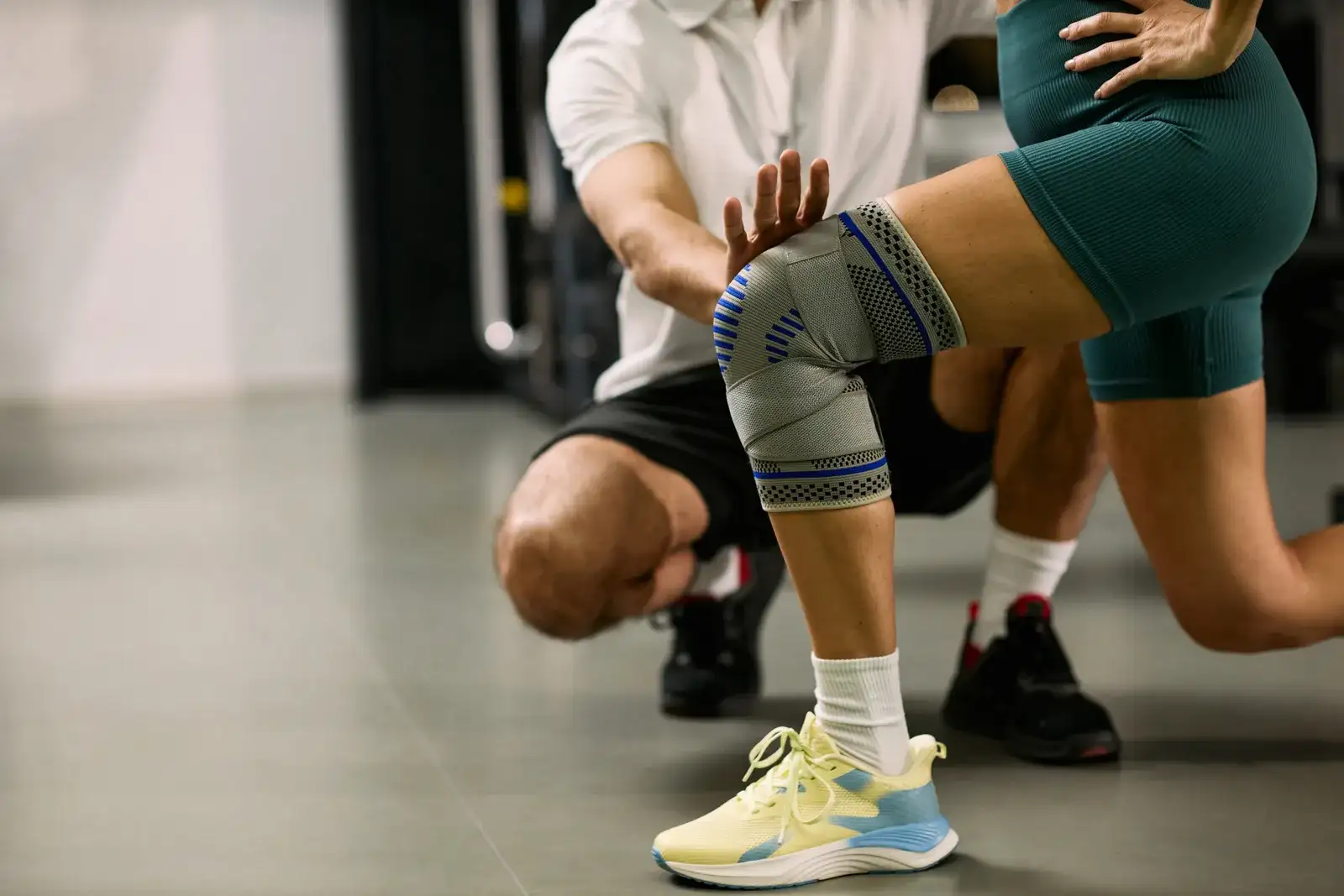
Sports physical therapy in Carmel, Indiana
Sports physical therapy is rehabilitation for active adults who were hurt playing or training, planned around getting back to a specific sport instead of only getting out of pain. Through the network you are matched with one licensed physical therapist, who treats you in a private suite at Carmel City Center in Carmel, Indiana, equipped with a rack, cable system and dumbbells, so rehab can be loaded like real training. Plans progress from protecting the injury, to rebuilding strength and power, to sport-specific drills and objective testing before you return.
Which sports injuries a physical therapist treats
Sports physical therapy treats the sprains, strains, tendon problems and overuse injuries that come from training and competition, along with rehab after sports surgery. The difference from general rehab is the finish line. Walking without pain is a milestone, not the goal. The goal is cutting, jumping, swinging, lifting or sprinting with confidence at the level your sport asks of you.
Around Carmel the mix is familiar: pickleball players with calf strains, sore elbows and rolled ankles, golfers with stiff backs and hips, lifters with irritable shoulders, and adult league soccer, basketball and hockey players with knee and groin trouble. Two of the most common reasons people call are ankle sprains that never felt stable again and ACL injuries, with or without surgery.
- Ankle sprains, including ankles that keep giving way
- ACL, other knee ligament and meniscus injuries
- Hamstring, calf, quadriceps and groin muscle strains
- Patellar, Achilles and gluteal tendon pain
- Tennis elbow from racquet and paddle sports, and golfer’s elbow
- Shoulder pain in throwers, swimmers, lifters and racquet sport players
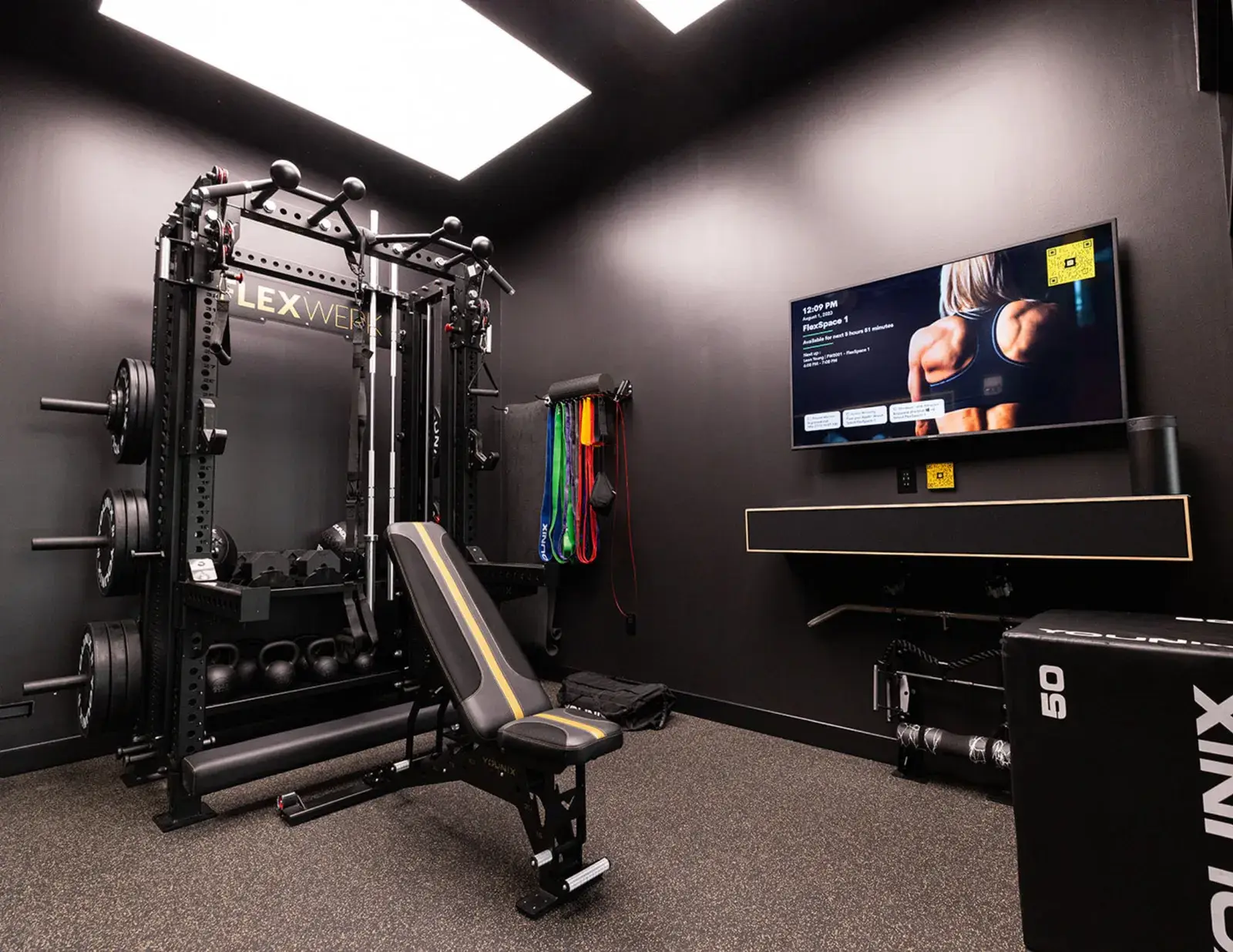
Inside a sports rehab session in a private suite
A sports rehab session in one of the private suites looks more like coached training than a typical clinic visit, with one licensed physical therapist and one athlete in a closed room. After a brief check of how the injury responded to the last session, most of the visit goes to work: targeted strengthening, controlled loading of the injured tissue, and drills that rebuild the movement your sport needs.
Because each suite has its own lifting rack, cable system, dumbbells and bench, there is no waiting for equipment, and loads can keep rising as you do. Squats, deadlift variations, split squats, presses, rows and rotational cable work are all available from the start if your injury allows. Just outside the suites, an indoor turf corridor gives room for footwork, acceleration, deceleration and change of direction.
Privacy helps with the awkward middle of rehab, when you are testing a movement you do not yet trust. Nobody is watching except the person coaching you. If you are new to therapy, what to wear to physical therapy covers the basics, and for sports rehab it is worth bringing the shoes you train or compete in.
From injury to full play: how the weeks unfold
Sports rehab moves through stages that are earned by meeting criteria, not by counting days. Timelines vary widely with the injury. A mild ankle sprain or muscle strain often needs a few weeks, tendon pain commonly takes a few months of progressive loading, and rehab after ACL reconstruction usually runs nine months or longer before a full return to cutting and pivoting sports.
During this process your therapist helps you keep training everything that is not injured. Staying fit through rehab shortens the gap when you return, and for many athletes it protects their mood as much as their conditioning. Practice and game exposure is then added in steps, starting with controlled drills and ending with full competition.
- Protect and restore: settle swelling and pain, regain full joint motion and normal walking.
- Build strength: load the injured area and the whole limb until side-to-side strength is close to even.
- Add power and speed: jumping, landing, acceleration and deceleration drills, introduced gradually.
- Rehearse the sport: cutting, reactive drills and sport-specific movement on the turf corridor.
- Test and return: objective testing, then a staged return to practice and competition.
Is sports rehab right for you, or do you need a doctor first
Sports physical therapy suits active adults at any level, from someone who plays pickleball three mornings a week to a competitive masters athlete. You do not need to be elite. You need a sport or activity you want to get back to and an injury that is stable enough to load.
Some injuries should be seen by a physician, urgent care or an emergency department before rehab begins. Seek medical care first if you felt a pop followed by rapid swelling, cannot put weight on the leg, see an obvious deformity, have numbness or a cold, pale limb, or notice a joint that locks and will not straighten. Any blow to the head with headache, confusion, vomiting or memory gaps needs a medical evaluation, and concussion care is outside the services described here.
If you are unsure which route fits, a free phone consultation can help you decide. Indiana’s direct access rule means a physical therapist can examine a fresh injury without waiting for a referral, and your therapist will send you to a physician if anything in the exam points that way.
Where sports rehab leads next at FlexWerk
Sports rehab with a therapist in the network is built to hand you forward, not drop you at discharge. Before you go back to competition, return-to-sport testing checks strength symmetry, hopping and movement quality against clear criteria. Runners have a dedicated path through running injury physical therapy.
After discharge, many athletes choose to stay at Carmel City Center and train with one of FlexWerk’s independent coaches. The coaches are personal trainers, not clinicians, and your therapist gives them a written summary of what you have rebuilt and what still needs attention. That continuity, from injury to rehab to regular strength training under one roof, is the main thing that sets this arrangement apart.
Start with the online assessment and tell the matching team your sport and any date you are aiming for. We will call or text back to propose a therapist, and the therapist’s office books your first visit at Carmel City Center, where the facility is open from early morning into the evening on weekdays and during the day on weekends.
Who it helps
Sports physical therapy is a good fit if
- You were hurt playing or training and want to return to the same activity
- An old sprain or strain keeps coming back each season
- Pain shows up only at higher speeds, heavier loads or later in a match
- You have had sports surgery and need rehab that goes beyond daily activities
- You want to keep training the rest of your body while an injury heals
- You play pickleball, golf, tennis or an adult league sport and want to stay in it for years
Conditions
Problems this kind of care treats
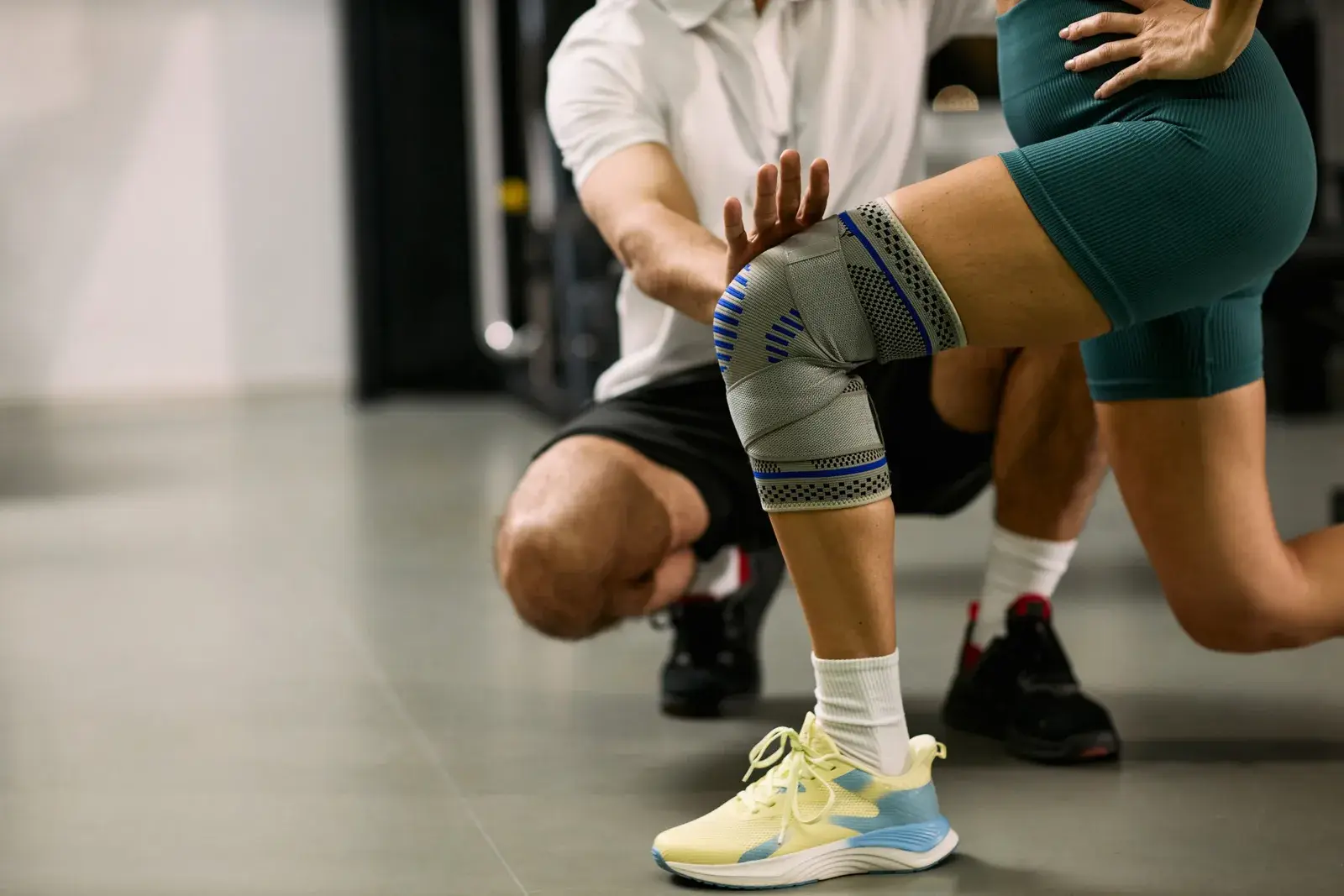 ACL injuryPrehab, post-reconstruction rehab and criteria-based return to sport for ACL injuries, one-on-one in a private suite.
 Ankle sprainRehab for fresh sprains and ankles that keep rolling: strength, balance retraining and a tested return to sport.
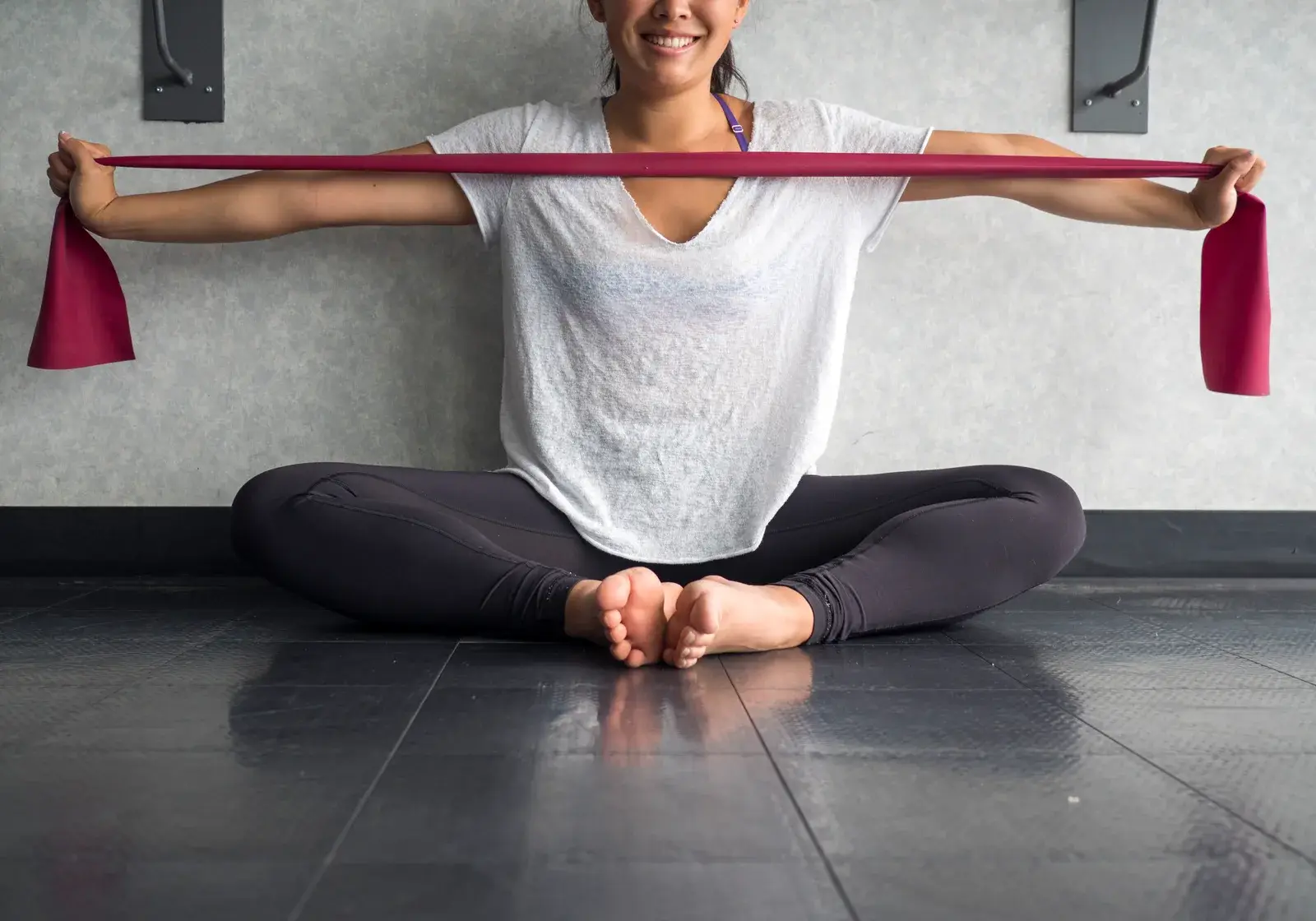 Tennis elbowTendon loading rehab for outer elbow pain from pickleball, tennis, golf, tools and desk work.
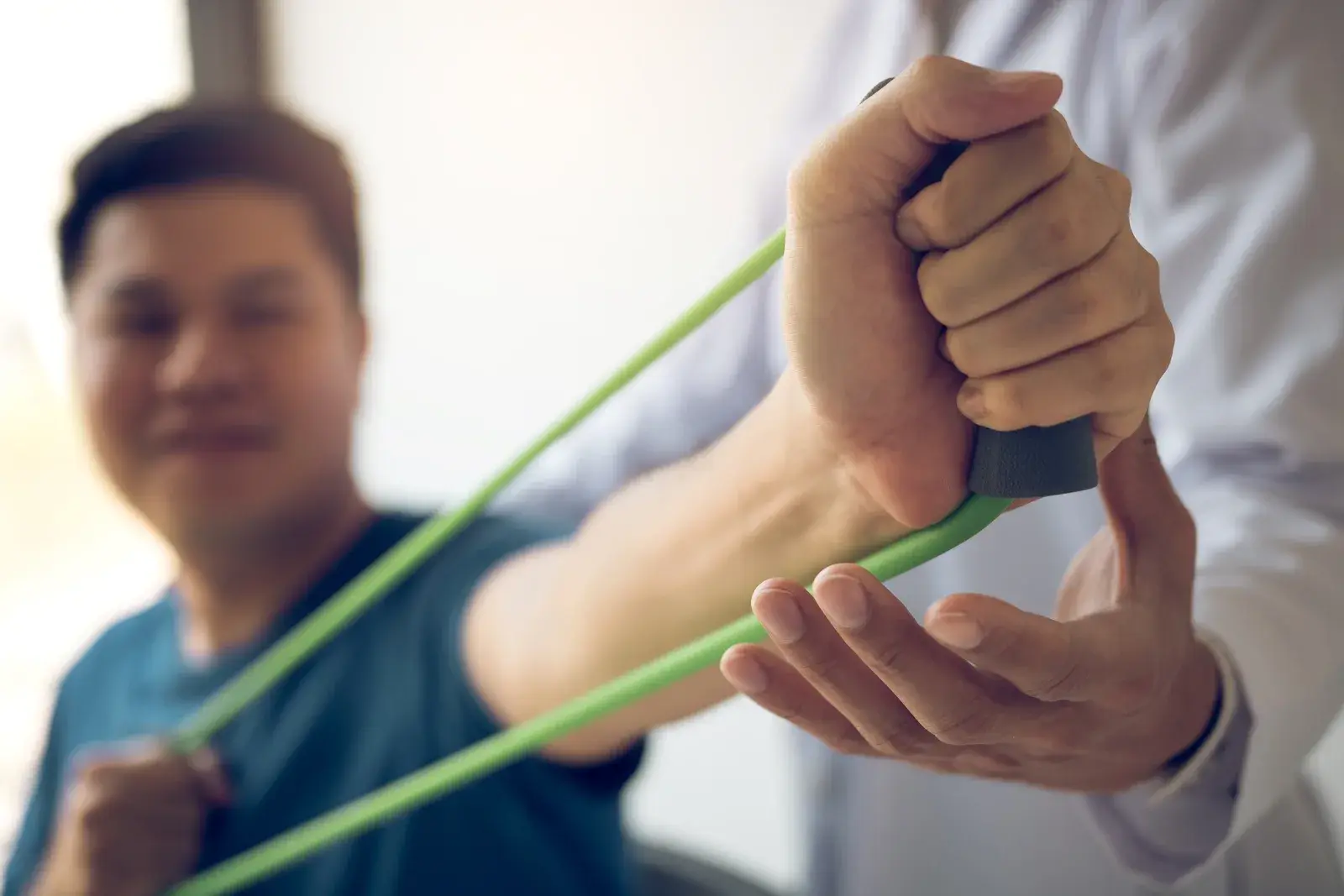 Rotator cuff injuryProgressive loading for cuff tendinopathy and tears, plus protocol-led rehab after surgical repair.
Two-minute assessment
Not sure which therapist is right for you?
Answer a few questions about what hurts, how long it has been going on and what you want to get back to. Our matching team reads every answer and proposes a licensed physical therapist in the network whose focus, schedule and coverage fit. Two minutes, no obligation.
- No referral needed to start in Indiana (first 42 days)
- We check which therapists work with your plan before you book
- One-on-one care in a private suite at Carmel City Center
Questions
About sports physical therapy
Information on this website is general education, not medical advice, a diagnosis or a treatment plan. Only a licensed clinician who examines you can advise on your condition. If you may be having a medical emergency, call 911.
Something we did not cover? Ask the matching team or ring (888) 353-9975.
How soon after a sports injury should I start physical therapy?
For most sprains and strains, within the first several days is reasonable once a serious injury has been ruled out. Early guidance on how much to move and load helps you avoid the stiffness and weakness that come from resting too long. See when to see a physical therapist for more.
Can I keep playing while I am in sports physical therapy?
Often yes, with changes. Your therapist may adjust how much, how hard or which parts of your sport you do so the injury can heal while you stay involved. Some injuries do need a complete break from play for a period.
How is a sports physical therapist different from a personal trainer?
A physical therapist is a licensed clinician who evaluates and treats injuries. A personal trainer builds fitness in people who are uninjured or who have finished rehab. The distinction is explained in physical therapist vs personal trainer.
Do you treat golf and pickleball injuries?
Yes, through a therapist in the network. Both are popular in Carmel, and both load the body in specific ways: rotation through the hips and spine in golf, quick lunges and overhead reaches in pickleball. Rehab includes strength and mobility work aimed at those demands.
How many sports rehab visits will I need each week?
Many athletes start at one or two visits a week and taper as they take over more of the program. The right frequency depends on the injury and your season, as discussed in how often to go to physical therapy.
Google reviews
What guests say about FlexWerk
These are live Google reviews of FlexWerk at Carmel City Center, the private-suite facility where therapists in the network practise.
Continue
Related services
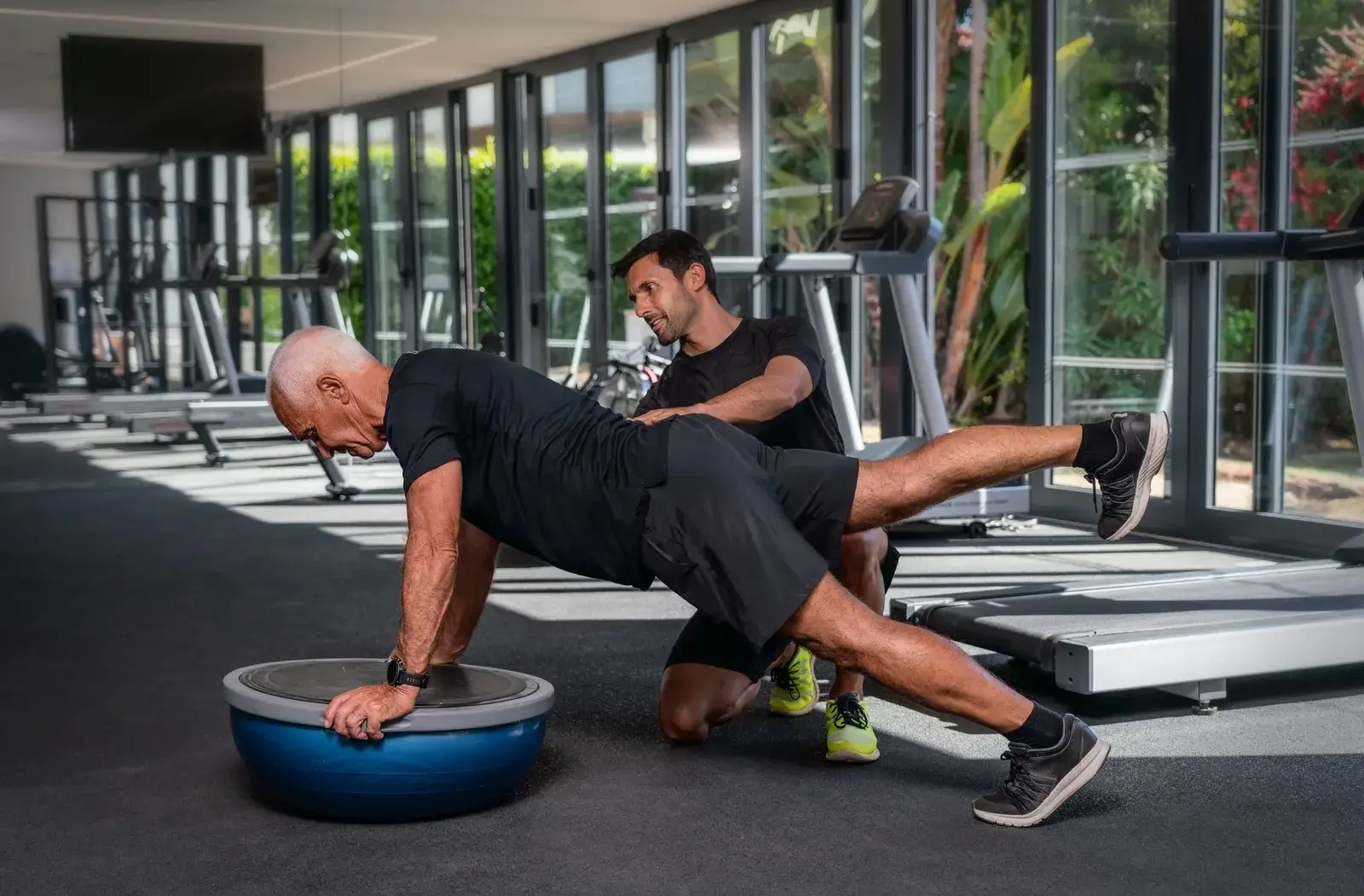 Return-to-sport testingCriteria-based testing of strength, hopping, movement and confidence, so your return to sport rests on evidence, not the calendar.
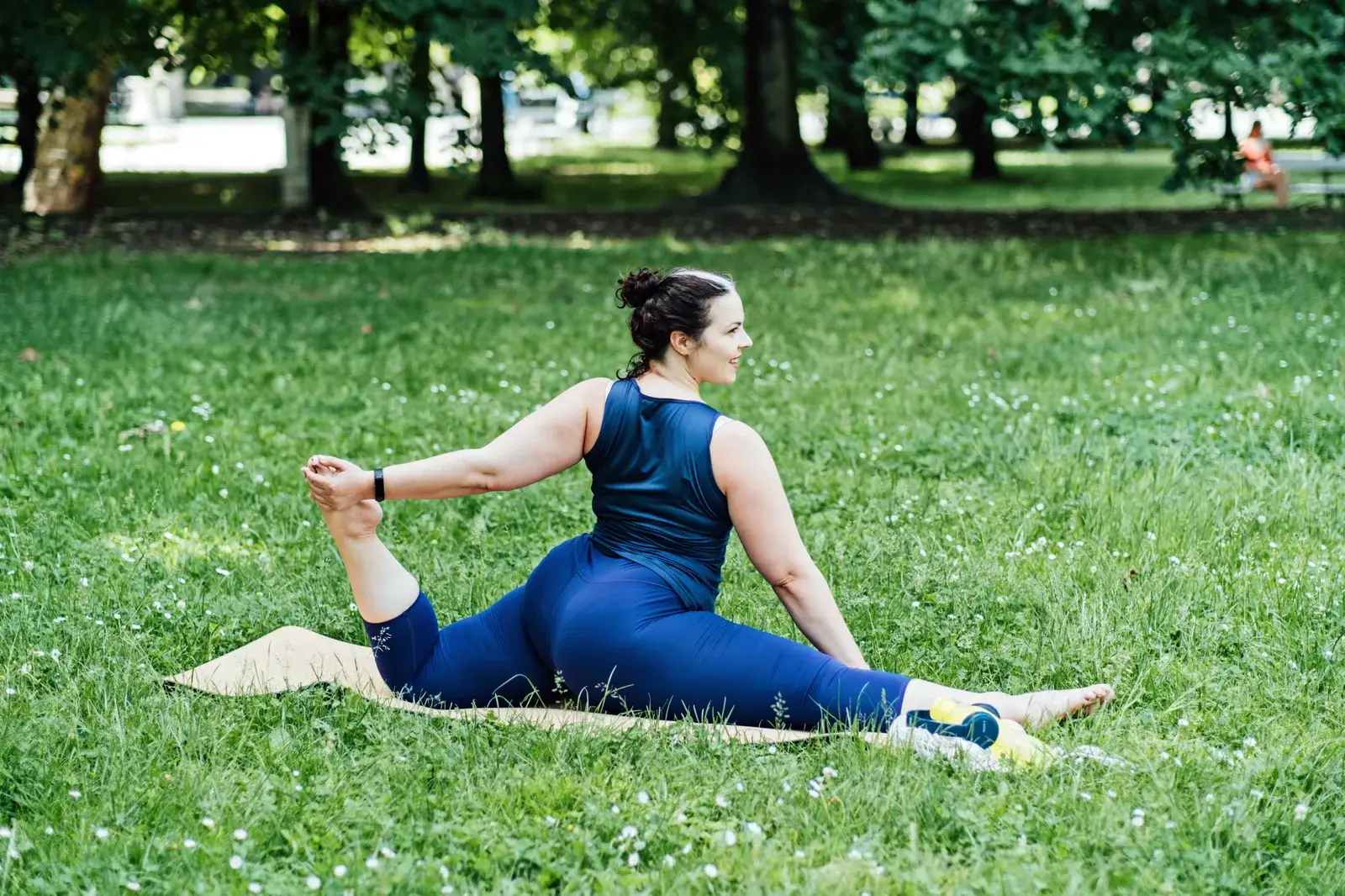 Running injury physical therapyFor Monon Trail regulars and race trainees: load management, strength and gait observation that keep you running while you heal.
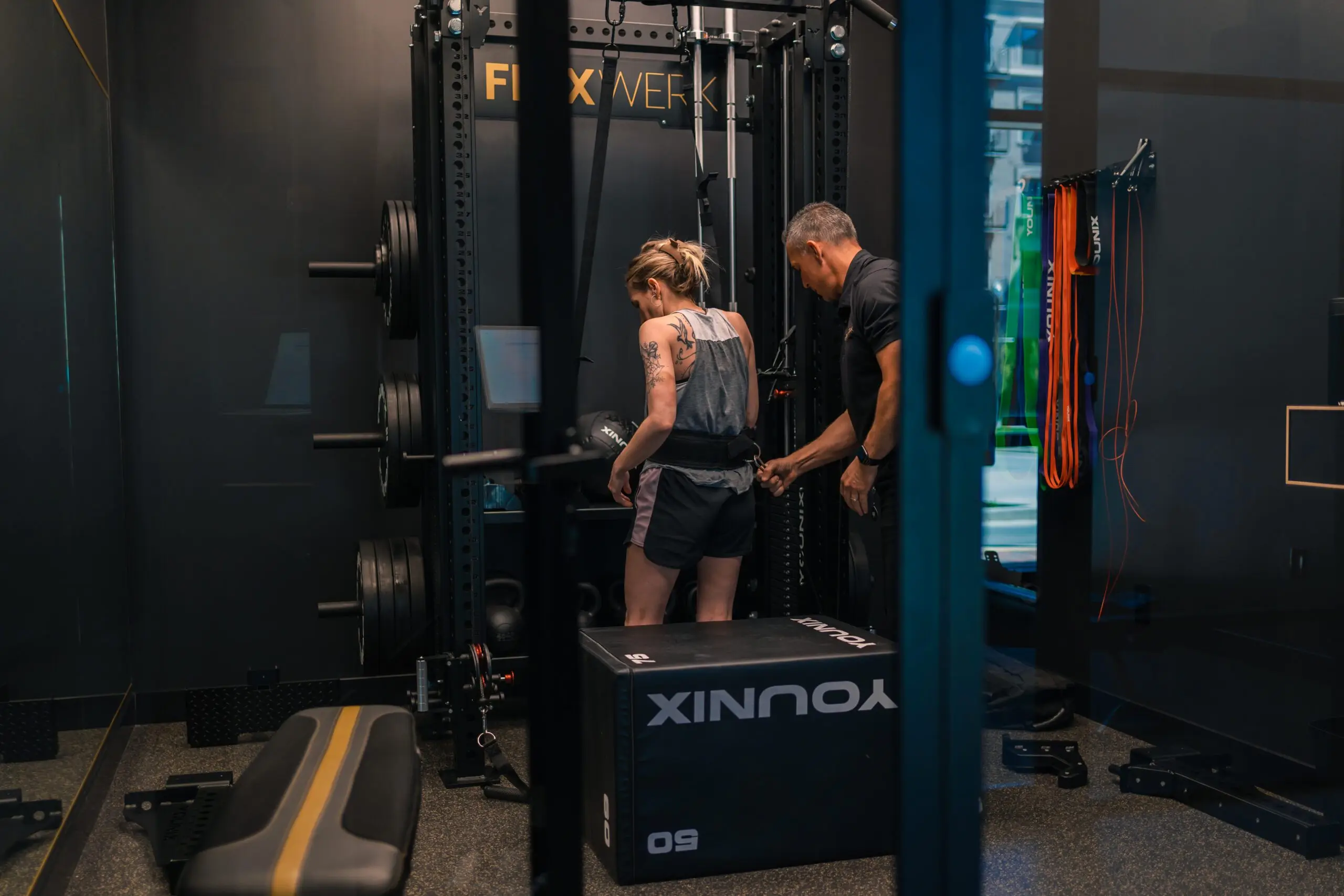 Post-rehab strength trainingThe bridge from discharge to lasting strength: a written handoff from your therapist to a FlexWerk coach in the same building.
Page reviewed By the Monon Therapy Collective editorial team
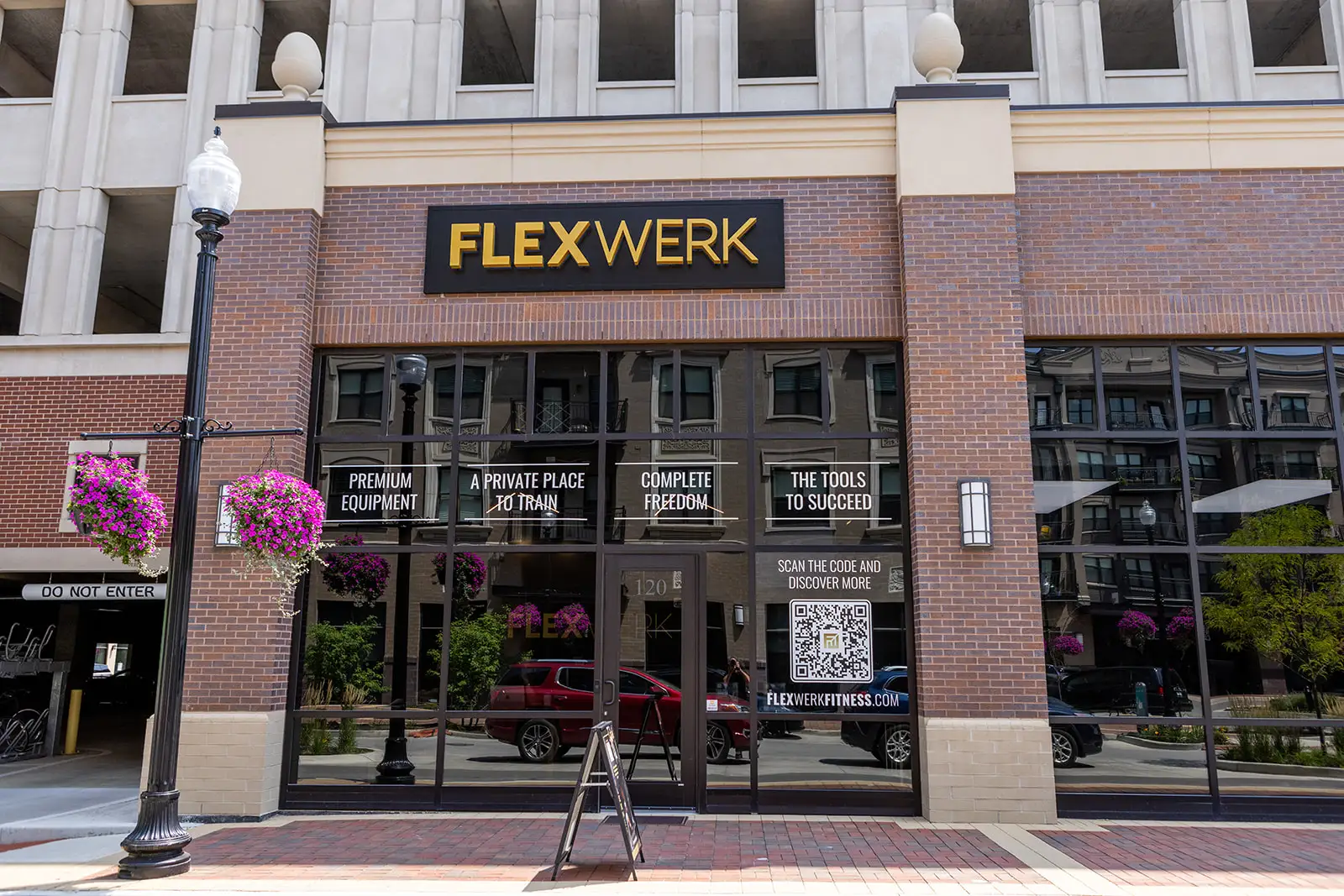
Carmel City Center · Carmel, Indiana
Start with a conversation
Tell us what hurts and what you want to get back to. We will tell you honestly whether a therapist in the network is likely a good fit for what you describe, and match you with an independent, licensed therapist who is. Only that therapist can assess what will help.
885 Monon Green Blvd, Suite 120, Carmel, IN 46032 · Monday to Friday 5 AM to 9 PM · Saturday and Sunday 7 AM to 4 PM