Knee osteoarthritis physical therapy in Carmel, Indiana
Knee osteoarthritis is a gradual change in the whole knee joint that causes stiffness, aching and trouble with stairs and long walks, and exercise-based physical therapy is a first-line treatment in major guidelines. A physical therapist strengthens the quadriceps and hips, restores motion, and builds a walking or activity plan that the knee tolerates. In Carmel, the therapist you are matched with also helps you judge braces, injections and when to discuss a knee replacement with a surgeon.
At a glance
Common signs of knee osteoarthritis
Also called: Knee arthritis, Degenerative joint disease of the knee, Gonarthrosis, Wear and tear knee arthritis.
What is happening inside a knee with osteoarthritis?
Osteoarthritis involves the whole knee: the cartilage covering the bone ends thins, the bone underneath thickens and can form spurs, and the joint lining can become irritated and produce extra fluid. It can affect the inner side of the knee, the outer side, the kneecap joint, or several at once.
Risk rises with age, a previous knee injury such as a meniscus or ACL tear, carrying extra body weight, and work that involves heavy kneeling or squatting. Symptoms tend to fluctuate, with good weeks and flares, rather than steadily worsening. Many people describe the knee as stiff when getting up after a movie or a long drive, then easing as they walk.
Weather often gets the blame for flares, and many people with arthritic knees report more stiffness in cold, damp Indiana winters. Whatever the cause, a flare is usually a short-term change in sensitivity rather than a sudden step down in the joint.
X-ray findings often do not match symptoms. People told their knee is bone on bone can still walk long distances, which is why the bone-on-bone knee answer is worth a read before deciding what is possible.
What will a therapist test on the first visit for an arthritic knee?
A therapist tests how far the knee bends and straightens, how strong the quadriceps, hamstrings and hips are, and how you handle the tasks you find hard. Losing full knee straightening is common and changes how you walk, so it is measured carefully.
Functional tests may include rising from a chair repeatedly, climbing a few steps, a timed walk and a balance check. The therapist will ask about swelling, flares, sleep, other joints, medications and injections you have had, and what you would like to get back to, whether that is walking the dog on the Monon Trail, gardening or a round of golf.
If you have X-rays, bring the report. New imaging is not needed to start. Anything unusual, such as a hot swollen knee or locking, is passed to your physician.
Expect the therapist to look at your feet and hips too. A stiff ankle, flat or high arches, or weak hip muscles can all change how load lands on the knee, and small changes there sometimes make walking noticeably easier.
Which strength and mobility work makes the biggest difference for knee arthritis?
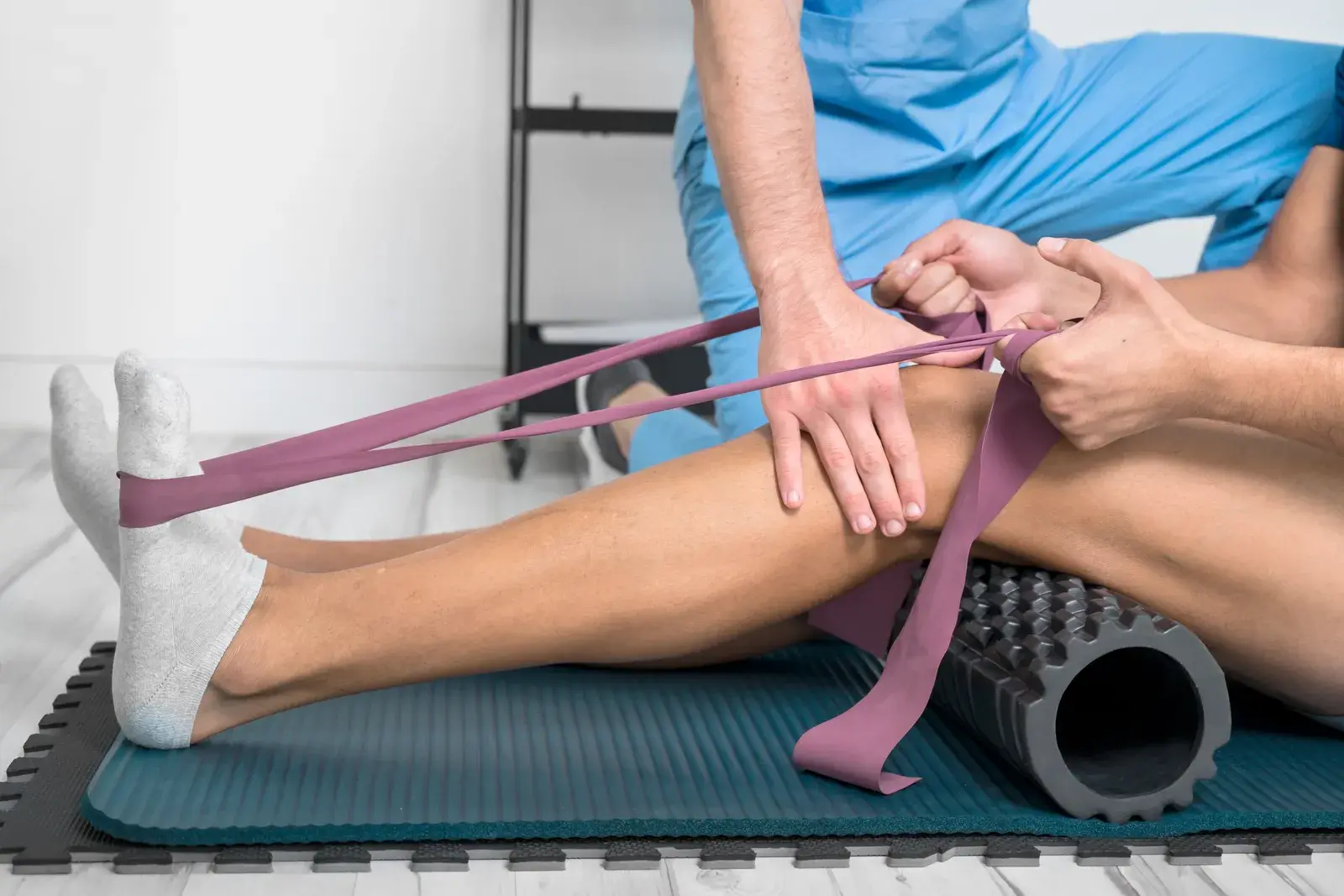
Quadriceps strengthening is the cornerstone, because stronger thigh muscles absorb load before it reaches the joint and help with stairs and chairs. Hip strengthening, knee motion work, balance training and regular aerobic exercise round out the program.
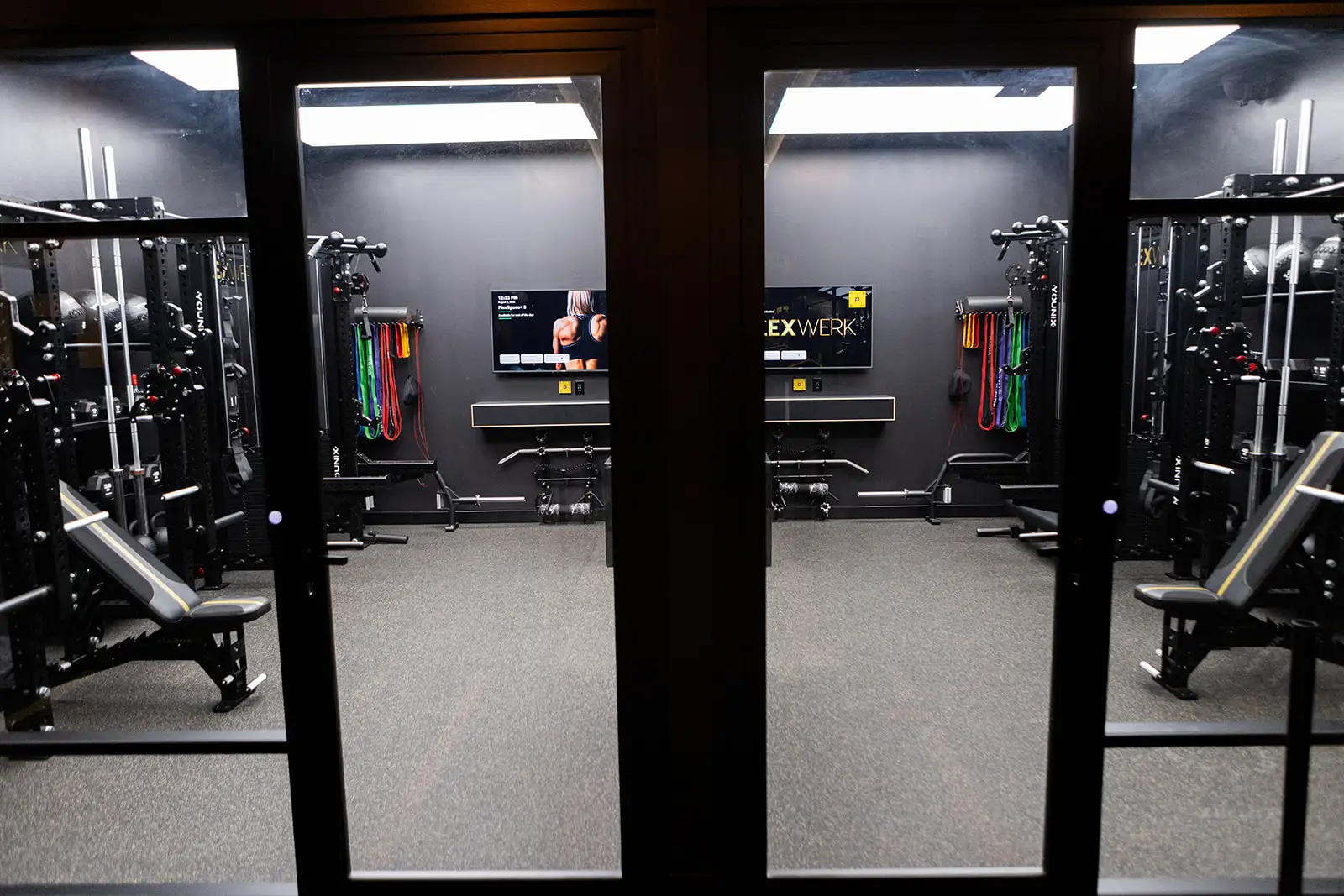
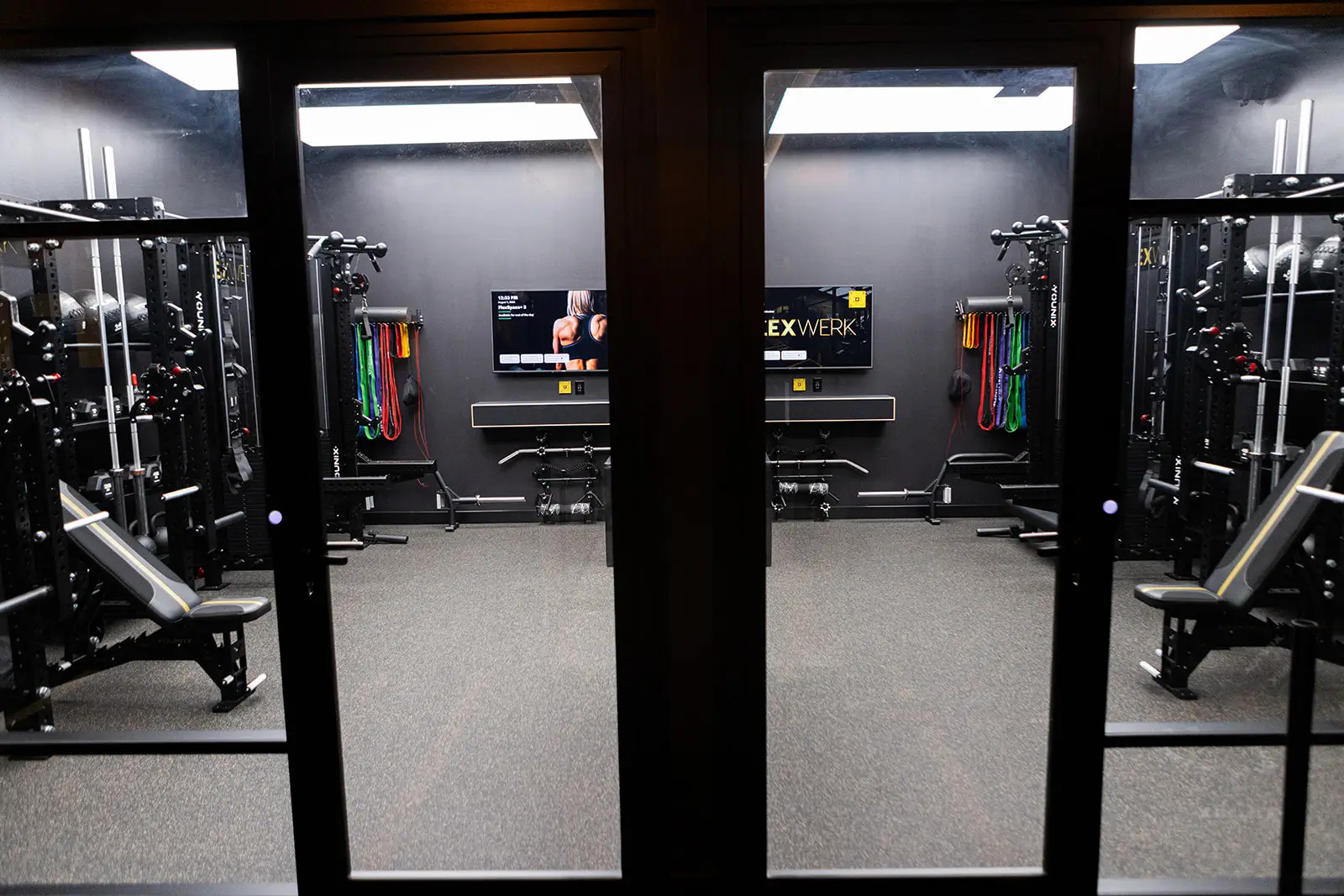
In a private suite at FlexWerk, the plan might start with seated knee extensions, sit-to-stands and bridges, and progress to leg presses, step-ups and box squats as the knee tolerates them. Stationary cycling is a useful way to warm up the joint. Manual therapy may help restore knee straightening, and the manual therapy page explains how it is used alongside exercise.
Your therapist will also cover pacing, footwear, how to handle a flare, and whether a cane or brace makes sense. An unloader brace, which shifts load away from the worn side of the knee, helps some people with arthritis on one side of the joint, and a physician prescribes it.
- Quadriceps and hip strengthening
- Knee straightening and bending range work
- Balance and step training
- Cycling or walking for endurance
- Flare and pacing plan
How long before an arthritic knee feels stronger, and when is a replacement on the table?
Many people with knee osteoarthritis notice less pain and better function after a couple of months of regular exercise, with continued gains if the routine is kept up. The benefit depends on staying active after formal therapy ends, so the plan includes a program you can continue on your own or with a coach.
A knee replacement is generally considered when pain and stiffness significantly limit daily life despite exercise, weight management, medication and injections, and an orthopedic surgeon makes that call with you. Strengthening before surgery is usually encouraged; see prehab before joint replacement and the total knee replacement rehab page for what comes after.
Injections such as cortisone may help a flare for a while, and they work well alongside exercise rather than instead of it.
Keep the long view in mind. Osteoarthritis is a long-term condition, and the goal of therapy is not a perfect knee but a stronger, more capable one with a plan you trust for the bad weeks. Many people find that once they know how to handle a flare, the condition takes up far less of their attention.
How do I stay active on days my knee is swollen and stiff?
Keep moving but lower the dose: shorter walks, flatter routes, cycling instead of stairs, and gentle range of motion through the day. Ice can help a swollen knee, heat can ease stiffness, and elevating the leg at the end of the day often helps. A walking pole or cane in the opposite hand takes some load off the joint on longer outings.
Plan around winter in central Indiana, when icy sidewalks make walking riskier; indoor walking, a stationary bike or a pool can keep you going. If knee pain is limiting stairs, sleep or walking, the two-minute questionnaire goes to the matching team, who propose a therapist and connect you with that therapist’s office to check benefits; the stiff knee in the morning page covers related symptoms.
Garage parking at Carmel City Center is a short walk from the suites, which some people with sore knees find a reasonable warm-up before a session.
Avoid the trap of resting the knee for days after a flare. Short, frequent bouts of movement keep the joint lubricated and the muscles working, and most flares settle within a few days when activity is trimmed rather than stopped.
- Use a stationary bike on flare days
- Take stairs one at a time, leading up with the stronger leg
- Ice after busy days if swelling builds
- Keep a short daily strength routine
- Wear supportive, cushioned shoes for longer walks
When to see a physician or go to the ER first
Physical therapy is the right start for most knee osteoarthritis. These symptoms are different and need medical attention before, or instead of, a physical therapy visit:
- A hot, red, very swollen knee with fever
- Sudden inability to bear weight
- The knee locks and cannot straighten
- Calf pain and swelling, especially after travel or surgery
- A new deformity or a knee that gives way repeatedly
If you think it is an emergency, call 911.
Two-minute assessment
Get your knee osteoarthritis looked at
Tell us how your knee osteoarthritis started, how long it has been going on and what it is stopping you from doing. The matching team proposes a therapist in the network who focuses on it, and you hear back, usually within one business day.
- No referral needed to start in Indiana (first 42 days)
- We check which therapists work with your plan before you book
- One-on-one care in a private suite at Carmel City Center
How therapists treat it
Kinds of care used for knee osteoarthritis
- Orthopedic physical therapyExercise-led care for back, neck, shoulder, hip, knee and ankle problems, delivered one-on-one in a private suite.
- Post-rehab strength trainingThe bridge from discharge to lasting strength: a written handoff from your therapist to a FlexWerk coach in the same building.
- Balance and fall preventionStrength, walking and balance training for older adults who feel unsteady, have fallen, or want to stay confident on their feet.
Questions
Knee osteoarthritis: what people ask
Information on this website is general education, not medical advice, a diagnosis or a treatment plan. Only a licensed clinician who examines you can advise on your condition. If you may be having a medical emergency, call 911.
Something we did not cover? Ask the matching team or ring (888) 353-9975.
Is exercise safe with knee arthritis?
Yes, when dosed sensibly. Exercise is recommended by clinical guidelines for knee osteoarthritis and does not speed up joint damage. Some soreness while you start a new program is normal, and the dose is adjusted if the knee swells or aches into the next day.
Is cycling good for arthritic knees?
Usually yes, because it moves the knee with little impact. The cycling and knee pain answer covers seat height and resistance.
Should I wear a knee brace for arthritis?
A sleeve may help comfort, and an unloader brace helps some people with arthritis on one side of the knee. The knee brace answer explains the options.
Can I still play golf or pickleball?
Many people do with adjusted volume and a strength program. Your therapist can help plan rounds or court time around your knee, for example riding a cart for part of a round or playing doubles before singles.
Will losing weight help my knee?
For people carrying extra weight, losing some often reduces knee pain because each step loads the joint less, and the effect adds up over thousands of steps a day. It works well together with strengthening, and a therapist can help you choose activity that supports weight loss without aggravating the knee.
Google reviews
What guests say about FlexWerk
These are live Google reviews of FlexWerk at Carmel City Center, the private-suite facility where therapists in the network practise.
Related
Conditions that travel together
 OsteoarthritisStrength, pacing and joint-friendly exercise for knee and hip osteoarthritis, including preparation for joint replacement.
 Meniscus tearExercise-based care for a torn meniscus, with clear signs for when locking or instability means a surgeon should look first.
 Hip osteoarthritisStrength, mobility and pacing for an arthritic hip, aimed at easier walking, stairs and dressing, with honest guidance on when to see a surgeon.
Page reviewed By the Monon Therapy Collective editorial team

Carmel City Center · Carmel, Indiana
Start with a conversation
Tell us what hurts and what you want to get back to. We will tell you honestly whether a therapist in the network is likely a good fit for what you describe, and match you with an independent, licensed therapist who is. Only that therapist can assess what will help.
885 Monon Green Blvd, Suite 120, Carmel, IN 46032 · Monday to Friday 5 AM to 9 PM · Saturday and Sunday 7 AM to 4 PM