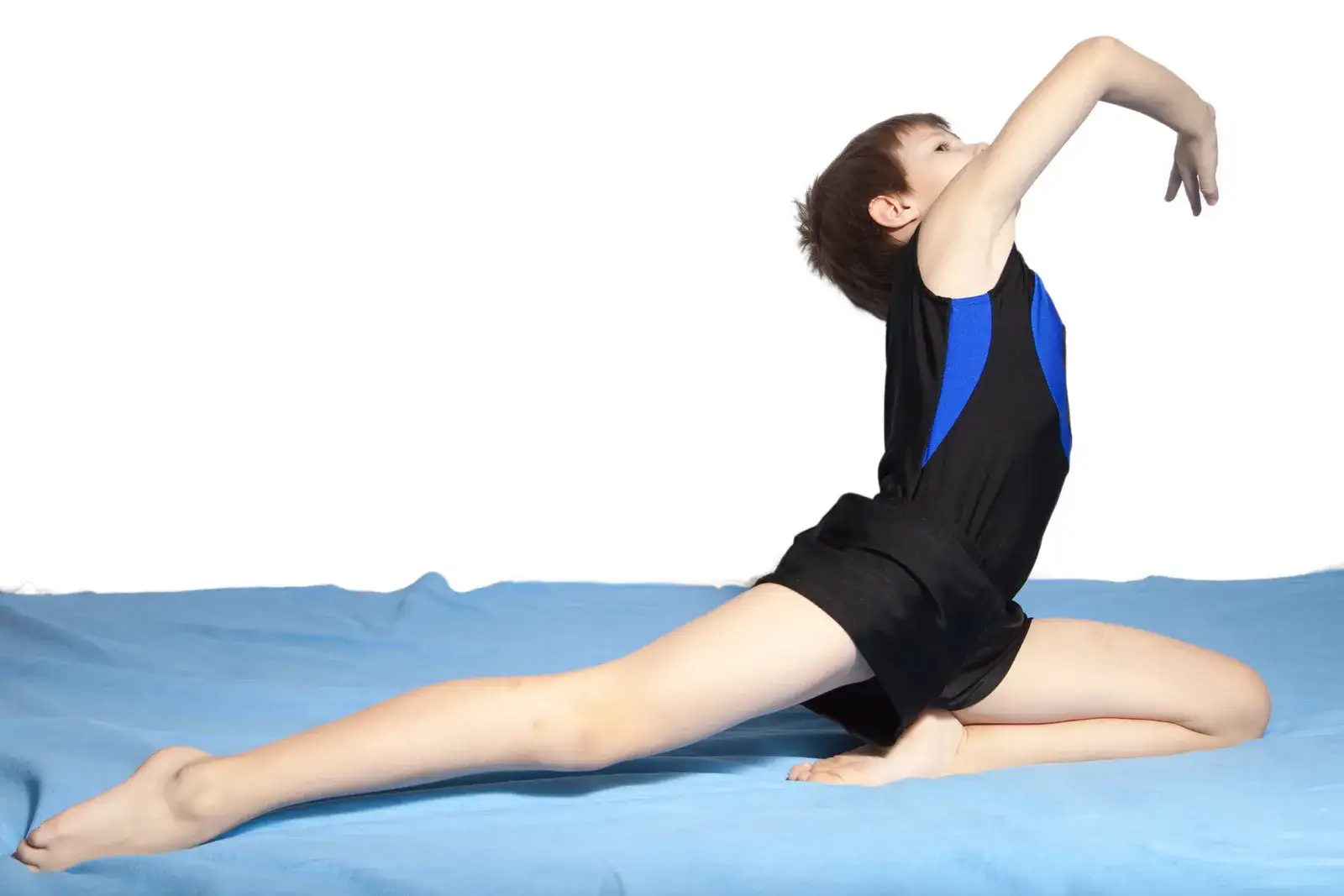
Osgood-Schlatter disease physical therapy in Carmel, Indiana
Osgood-Schlatter disease is a common, temporary cause of knee pain in growing children and teens, felt as a sore, sometimes swollen bump just below the kneecap. It usually settles when growth slows, and physical therapy helps the athlete manage training load, stretch and strengthen the thigh, and stay active in the meantime. For anyone under 18 near Carmel, a parent or legal guardian completes the questionnaire and attends visits, and the matching team confirms before booking whether a therapist in the network sees adolescents.
At a glance
Common signs of osgood-schlatter disease
Also called: Osgood-Schlatter, Osgood-Schlatter syndrome, Tibial tubercle apophysitis, Tibial tuberosity apophysitis.
Why does Osgood-Schlatter happen in growing athletes?
During growth spurts, the bump on the front of the shin where the patellar tendon attaches (the tibial tubercle) has a growth area of cartilage that is softer than adult bone. Repeated pulling from the strong quadriceps, through the tendon, irritates that area. Running, jumping, kicking and squatting multiply that pull, which is why the condition is so common in active kids.
AAOS notes that children who play running and jumping sports have an increased risk, and that symptoms typically resolve around age 14 for girls and 16 for boys as growth finishes. Basketball, soccer, volleyball, gymnastics and dance are common sports. Year-round club seasons, with tournament weekends at places like Grand Park in Westfield, leave little recovery time for a growing knee.
The name sounds alarming, but it is not a disease in the usual sense. It is an overuse irritation of a growth area, and AAOS notes that continued activity does not cause long-term knee damage. The bony bump may remain after symptoms resolve.
How is Osgood-Schlatter diagnosed, and when is an X-ray needed?
It is usually diagnosed from the history and a simple exam: tenderness right on the bump below the kneecap, sometimes with swelling, in a child or teen going through a growth spurt. A physician may order an X-ray to rule out other causes, especially if only one knee hurts, the pain is severe, or there was an injury.
A physical therapist can recognize the pattern and will check quadriceps and hamstring flexibility, strength, hip and ankle mobility, and how the young athlete lands and squats. Pain in other spots matters too. Pain at the bottom of the kneecap in a similar age group is a related condition, and heel pain in younger athletes may be Sever’s disease, the same growth-area irritation at the heel.
Night pain, pain at rest, swelling elsewhere, fever, a limp without obvious cause, or pain in the hip or thigh need a physician first. Hip problems in adolescents can present as knee pain, and they should not be missed.
What does physical therapy for Osgood-Schlatter involve?
Treatment combines load management, flexibility, strength and education for both the athlete and the parent. The core idea is to keep the athlete as active as symptoms allow while reducing the spikes that flare the knee: back-to-back tournament days, extra jumping practice, or multiple sports in one season.
Flexibility work for the quadriceps, hamstrings and calves, which AAOS recommends several times a day, often helps, since rapid bone growth can leave muscles tight. Strength work for the hips and thighs uses isometrics and controlled ranges that do not provoke the bump, such as wall sits, bridges, side-lying hip raises and short-range leg presses. Landing technique drills teach softer, quieter landings.
Practical comfort measures also matter. Ice after sport, kneepads for volleyball and basketball, and a patellar tendon strap can make symptoms more manageable. Parents get a plain explanation of what is happening and a simple pain scale to guide practice and games.
Coaches can be part of the plan too. A short written note from the therapist suggesting fewer jumping reps in practice, or sitting out conditioning sprints during a flare, makes it easier for a young athlete to follow advice without feeling singled out. Sessions also give teens a chance to ask questions themselves, which builds the habit of noticing and reporting how their body feels.
- Load management: planning the week around practices, games and rest days
- Stretching for the quadriceps, hamstrings and calves
- Isometric and controlled-range hip and thigh strength
- Landing and jumping technique drills
- Ice, kneepads or a patellar strap for comfort
How long does Osgood-Schlatter last?
Symptoms often come and go for weeks or months, sometimes much longer, and usually disappear once the growth spurt finishes. AAOS notes that most symptoms completely disappear by the end of adolescent growth, and that the pain may continue at some level until the growth plate closes. Physical therapy does not shorten growth, but it can make the in-between period much more manageable and keep the athlete playing.
A small number of people have a persistent tender bump into adulthood, sometimes due to a separate bone fragment. A physician can assess that, and surgery is rarely needed, mainly for adults with ongoing symptoms after growth is complete.
For parents, a reasonable expectation is a knee that has good weeks and bad weeks, with flare-ups tied to busy sports periods. Progress is measured by how much of the season the athlete can play, not by the bump going away.
Busy seasons are worth planning around. A teen playing school basketball in winter and club volleyball in spring may have almost no break all year, and the knee often flares at the overlap. A therapist can help the family map the calendar and build lighter weeks in before tournaments rather than after the knee complains.
How do parents arrange physical therapy for a teen with Osgood-Schlatter?
For anyone under 18, a parent or legal guardian completes the assessment questionnaire and attends the visits. The matching team reads it and tells you honestly, before anything is booked, whether a therapist in the network currently sees adolescents. If none does, they point you toward other options, such as your child’s pediatrician or a pediatric sports program.
The answer on physical therapy for children in Carmel explains the network’s policy, and the teen athletes page covers how sport, school and rehab fit together. The youth overuse injuries guide for parents is a good read for families juggling several sports.
Indiana’s direct access rule allows a physical therapist to evaluate without a referral for up to 42 days, but some insurance plans require a referral, and many families start with their pediatrician. Either path works.
When to see a physician or go to the ER first
Physical therapy is the right start for most osgood-schlatter disease. These symptoms are different and need medical attention before, or instead of, a physical therapy visit:
- Pain at night or at rest that wakes the child
- Fever, a hot red knee, or the child feeling unwell
- A limp without a clear cause, or pain in the hip or thigh
- A sudden pop and inability to straighten the knee after a jump
- Swelling elsewhere in the knee or in other joints
- Severe pain in only one knee after an injury
If you think it is an emergency, call 911.
Two-minute assessment
Get your osgood-schlatter disease looked at
Tell us how your osgood-schlatter disease started, how long it has been going on and what it is stopping you from doing. The matching team proposes a therapist in the network who focuses on it, and you hear back, usually within one business day.
- No referral needed to start in Indiana (first 42 days)
- We check which therapists work with your plan before you book
- One-on-one care in a private suite at Carmel City Center
How therapists treat it
Kinds of care used for osgood-schlatter disease
Questions
Osgood-Schlatter disease: what people ask
Information on this website is general education, not medical advice, a diagnosis or a treatment plan. Only a licensed clinician who examines you can advise on your condition. If you may be having a medical emergency, call 911.
Something we did not cover? Ask the matching team or ring (888) 353-9975.
Should my child stop playing sports with Osgood-Schlatter?
Usually not completely. Most kids can keep playing with some adjustment to training volume, and AAOS notes that continued activity does not cause long-term damage. Pain that causes a limp, or that is still there the next morning, is a signal to back off for a day or two.
Will the bump below the knee go away?
The tenderness usually resolves when growth finishes, but the bony bump often remains. It is generally harmless.
Do knee straps help Osgood-Schlatter?
A patellar tendon strap can reduce the pull on the bump and ease pain for some kids. It tends to help most when combined with stretching and load management, and it is worn just below the kneecap during sport.
Can adults have Osgood-Schlatter?
It starts in adolescence, but some adults have lingering tenderness at the bump, occasionally from a loose bone fragment. A physician can assess whether anything is needed.
Does a parent need to come to every visit?
For patients under 18, a parent or legal guardian completes the questionnaire and attends. The therapist’s office explains its own consent requirements.
Can Osgood-Schlatter affect both knees?
Yes. It often affects both knees, sometimes one more than the other, and the same load management plan usually applies to both sides.
Is Osgood-Schlatter caused by bad technique or poor shoes?
Mostly it is growth combined with high training loads. Landing technique and training volume can influence symptoms, and those are what therapy works on.
Google reviews
What guests say about FlexWerk
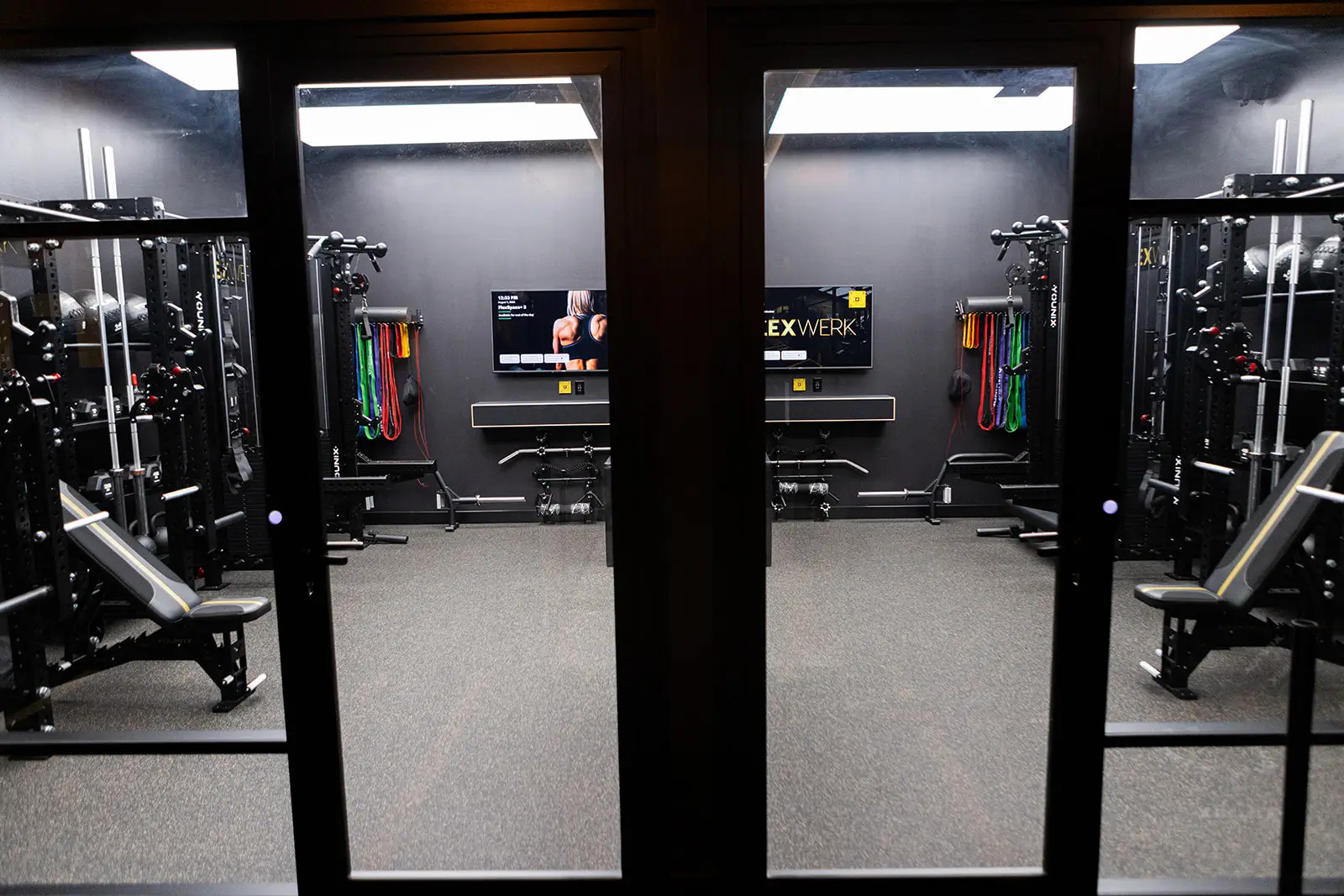
These are live Google reviews of FlexWerk at Carmel City Center, the private-suite facility where therapists in the network practise.
Related
Conditions that travel together
 Sever’s diseaseHeel pain in growing athletes explained for parents: load changes, calf work, heel cushioning and how to arrange care for a child.
- Patellar tendinitisStaged tendon loading for pain just below the kneecap in jumping athletes, from isometric holds to heavy squats and back to landing drills.
 Knee painHelp for runner’s knee, meniscus irritation, tendon pain and arthritis flares, built on progressive strength work.
Page reviewed By the Monon Therapy Collective editorial team

Carmel City Center · Carmel, Indiana
Start with a conversation
Tell us what hurts and what you want to get back to. We will tell you honestly whether a therapist in the network is likely a good fit for what you describe, and match you with an independent, licensed therapist who is. Only that therapist can assess what will help.
885 Monon Green Blvd, Suite 120, Carmel, IN 46032 · Monday to Friday 5 AM to 9 PM · Saturday and Sunday 7 AM to 4 PM