Sever’s disease physical therapy in Carmel, Indiana
Sever’s disease, or calcaneal apophysitis, is irritation of the growth area at the back of the heel in active children, most often around ages 8 to 12, and it settles once that growth plate matures. Physical therapy helps by adjusting sports load, easing calf tightness, adding heel cushioning and keeping the child active rather than sidelined. For anyone under 18 in Carmel, a parent or legal guardian completes the questionnaire and attends visits, and the matching team tells you honestly whether a therapist in the network currently sees young athletes before anything is booked.
At a glance
Common signs of sever’s disease
Also called: Calcaneal apophysitis, Severs disease, Growth plate heel pain, Heel pain in children.
Why do growing heels hurt during soccer, basketball and track seasons?
A child’s heel bone has a growth area at the back, called the apophysis, where the Achilles tendon pulls and where new bone forms. During growth spurts the bones lengthen faster than the calf muscles and tendon, so the tendon pulls harder on that soft growth area. Add running and jumping several days a week and the area becomes irritated and painful.
Sever’s disease is one of the most common causes of heel pain in active children, particularly in sports with lots of running and jumping on hard surfaces or in cleats with little heel cushioning: soccer, basketball, track, gymnastics and dance. Families who spend spring and fall weekends at tournaments at Grand Park in Westfield will recognize the pattern of a child limping after the second game of the day.
The good news is that it is self-limiting. Once the growth plate fuses, and the back of the heel has usually finished growing by about age 15, the pain stops. The aim of care is to let a child keep playing as much as comfortably possible in the meantime, not to wait it out on the bench.
How is Sever’s disease told apart from other causes of a child’s heel pain?
Sever’s disease is usually recognized from the child’s age, an activity-related onset, and pain when the sides of the back of the heel are gently squeezed, known as the squeeze test. X-rays are not always needed, though a physician may order them to rule out a fracture, infection or other bone problem.
A physical therapist also checks calf flexibility, ankle motion, foot posture, how the child runs and lands, and the shoes and cleats they wear. The therapist will ask about growth spurts, the number of teams and practices each week, and whether the child has had a recent jump in training.
Pain that is present at night, at rest, or with swelling, redness, fever or a limp on non-sport days is not typical of Sever’s disease and needs a pediatrician’s assessment. So does heel pain in a child well below the usual age range, or after a fall or a direct blow.
What does physical therapy for Sever’s disease focus on?
Care focuses on reducing the pull and impact on the heel to a level the growth area tolerates, while keeping the child moving and in their sport where possible. That usually means a temporary cut in running and jumping volume, rather than full rest, plus calf flexibility work and simple strength exercises.
Practical changes often help quickly: heel cups or cushioned heel lifts in cleats and sneakers, avoiding barefoot running on hard floors, better-cushioned shoes for everyday wear, and spacing out games and practices in a busy week. Ice after activity can ease soreness.
Scheduling is often the biggest lever. A child on a school team, a travel club and a weekend clinic at the same time may be running and jumping six or seven days a week. Building in at least one or two lighter days, and avoiding back-to-back tournament weekends during a flare, often helps more than any single exercise.
Strength work for the calves, feet and hips helps the child absorb landing forces better as they grow. A therapist keeps exercises simple and fun enough to fit a busy school and sports schedule, and teaches the child and parent what level of soreness is acceptable and when to pull back.
The youth sports overuse injuries guide for parents covers training volume, rest days and sport specialization in more depth.
- Short-term changes in running and jumping volume
- Calf and Achilles flexibility routine
- Heel cups, cushioned lifts and footwear advice
- Calf, foot and hip strengthening suited to the child
- A plan for games, practices and tournament weekends
- Clear guidance on which pain is okay and which is not
How long does Sever’s disease heel pain usually last?
With proper care, a flare of Sever’s disease often settles within about two weeks to two months once load is adjusted, but it can return with the next growth spurt or season until the growth plate closes. The back of the heel has usually finished growing by about age 15, and the condition tends to show up a little earlier in girls, around 8 to 10, than in boys, around 10 to 12.
How quickly a flare calms depends on how many sports and practices the child is doing, the surfaces and footwear involved, and how consistently the calf routine and heel cushioning are used. Many children continue their sport throughout with sensible adjustments.
Sever’s disease rarely causes lasting problems. If pain continues after the expected age range or does not improve with simple measures, a physician will look for other causes.
A useful way for families to track it is a simple traffic-light rule agreed with the therapist. Mild heel soreness that is gone by the next morning is green, so carry on. Soreness that lingers into the next day is amber, so trim the next practice. A limp, or pain that stops the child running, is red, so rest the heel and check in.
How do parents arrange physical therapy for a child with heel pain?
Because the patient is a minor, the assessment questionnaire is filled in by a parent or legal guardian, who also comes to every visit. Tell the matching team the child’s age, sports and season dates, and whether a pediatrician has already seen them.
Whether a therapist in the network currently sees children and teens depends on who is in the network at the time. The matching team tells you honestly, before anything is booked, whether a suitable therapist is available, and points you elsewhere, for example to a pediatric or sports medicine clinic, if not. The answer on physical therapy for children in Carmel explains this further.
In the meantime, start with the simple steps at home: heel cups in cleats, a gentle calf stretching routine, ice after games, and a short break from the most painful drills. If your child is a teenager in multiple sports, the page on physical therapy for teen athletes covers broader training and recovery topics.
When to see a physician or go to the ER first
Physical therapy is the right start for most sever’s disease. These symptoms are different and need medical attention before, or instead of, a physical therapy visit:
- Heel pain at night or at rest
- Swelling, redness, warmth or fever
- Pain after a fall, jump or direct blow with trouble bearing weight
- Limping on days without sport, or pain in other joints too
- Heel pain in a child well below the usual age range for Sever’s disease
If you think it is an emergency, call 911.
Two-minute assessment
Get your sever’s disease looked at
Tell us how your sever’s disease started, how long it has been going on and what it is stopping you from doing. The matching team proposes a therapist in the network who focuses on it, and you hear back, usually within one business day.
- No referral needed to start in Indiana (first 42 days)
- We check which therapists work with your plan before you book
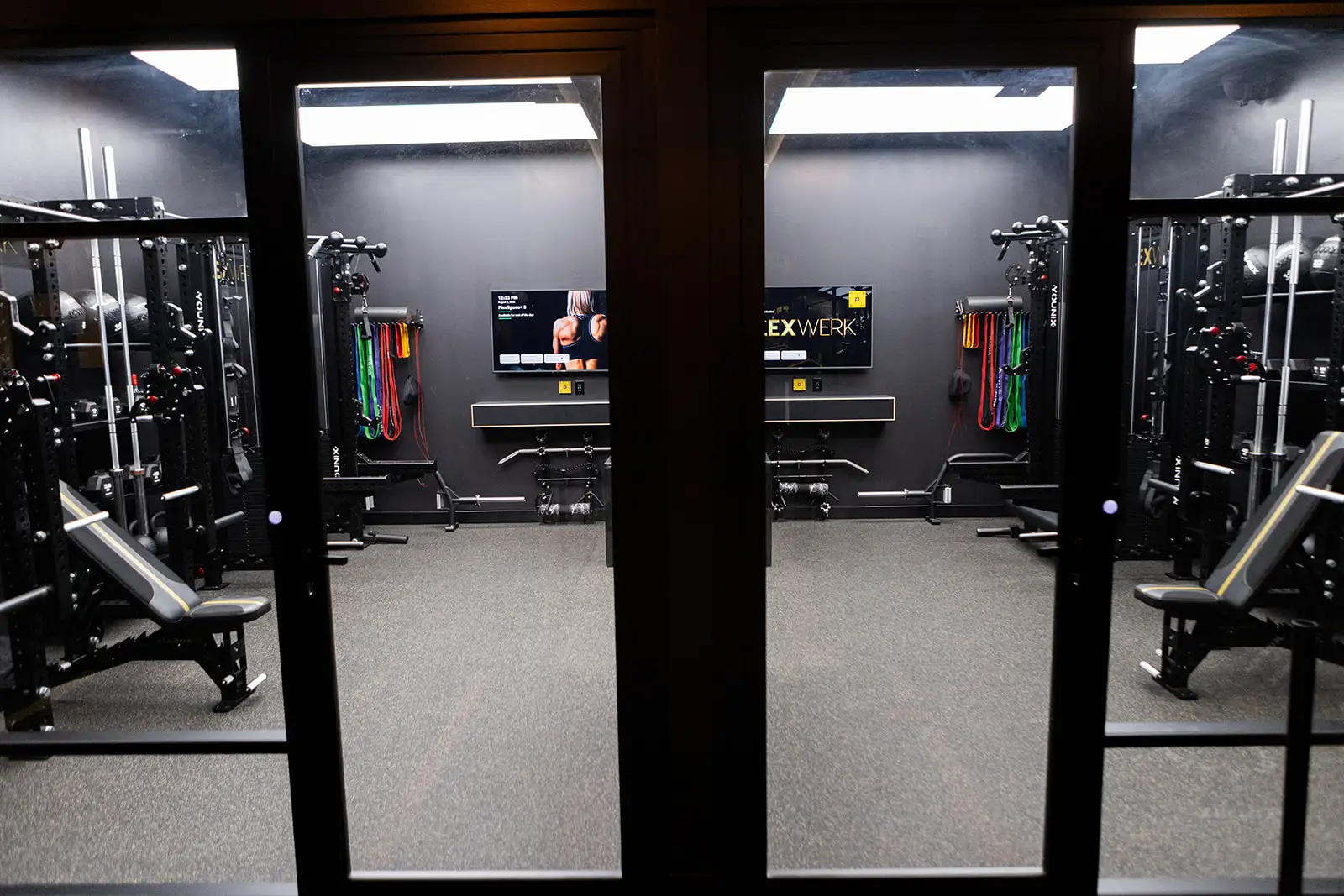
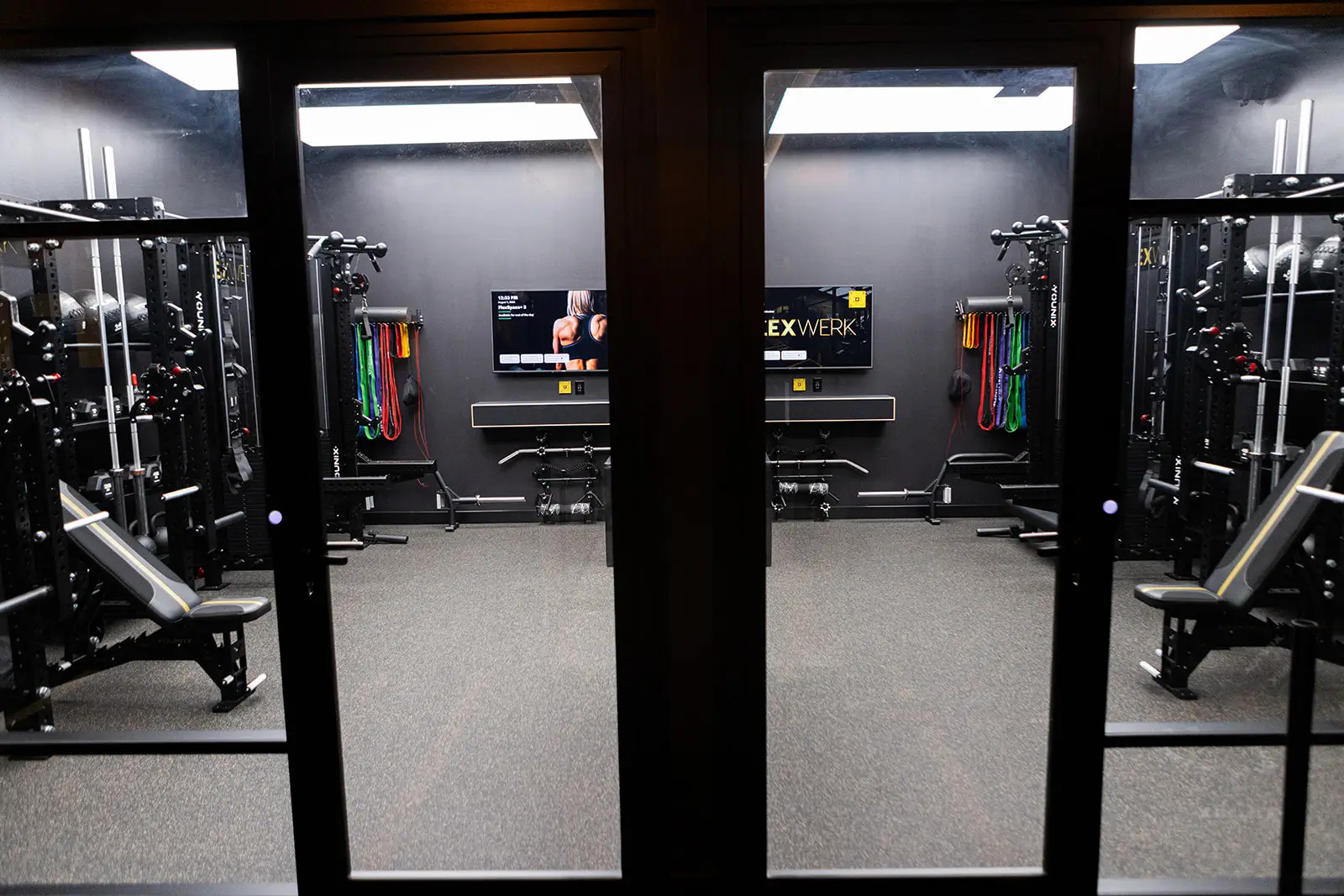
- One-on-one care in a private suite at Carmel City Center
How therapists treat it
Kinds of care used for sever’s disease
Questions
Sever’s disease: what people ask
Information on this website is general education, not medical advice, a diagnosis or a treatment plan. Only a licensed clinician who examines you can advise on your condition. If you may be having a medical emergency, call 911.
Something we did not cover? Ask the matching team or ring (888) 353-9975.
Does my child have to stop playing with Sever’s disease?
Usually not completely. Many children keep playing with reduced volume, heel cups and a calf routine. A short break from the most painful activity may be advised during a bad flare.
Will Sever’s disease cause permanent damage?
It rarely causes lasting problems and stops once the heel growth plate fuses, which has usually happened by about age 15.
Are heel cups really helpful?
Many children find cushioned heel cups or small heel lifts reduce pain in cleats and sneakers. They are inexpensive and worth trying.
Can both heels be affected?
Yes. Sever’s disease often affects both heels, though one may hurt more than the other.
Should my child see a pediatrician first?
If the pain came on after an injury, comes with swelling, fever or night pain, or your child is limping on non-sport days, see a pediatrician first. For typical activity-related heel pain, many families start with physical therapy, and Indiana law allows that without a referral for up to 42 days.
Who has to come to the appointments for a child?
A parent or legal guardian must complete the questionnaire for anyone under 18 and attend the visits. Your therapist’s office will explain its own consent paperwork for minors.
Google reviews
What guests say about FlexWerk
These are live Google reviews of FlexWerk at Carmel City Center, the private-suite facility where therapists in the network practise.
Related
Conditions that travel together
 Osgood-Schlatter diseaseA painful bump below the kneecap in growing athletes, managed with load changes and strength while growth finishes.
 Achilles tendinitisMid-portion and insertional Achilles pain in runners and walkers, treated with progressive calf and tendon loading.
 Plantar fasciitisHeel pain and first-step morning pain treated with calf and foot loading, footwear advice and load management.
Page reviewed By the Monon Therapy Collective editorial team

Carmel City Center · Carmel, Indiana
Start with a conversation
Tell us what hurts and what you want to get back to. We will tell you honestly whether a therapist in the network is likely a good fit for what you describe, and match you with an independent, licensed therapist who is. Only that therapist can assess what will help.
885 Monon Green Blvd, Suite 120, Carmel, IN 46032 · Monday to Friday 5 AM to 9 PM · Saturday and Sunday 7 AM to 4 PM