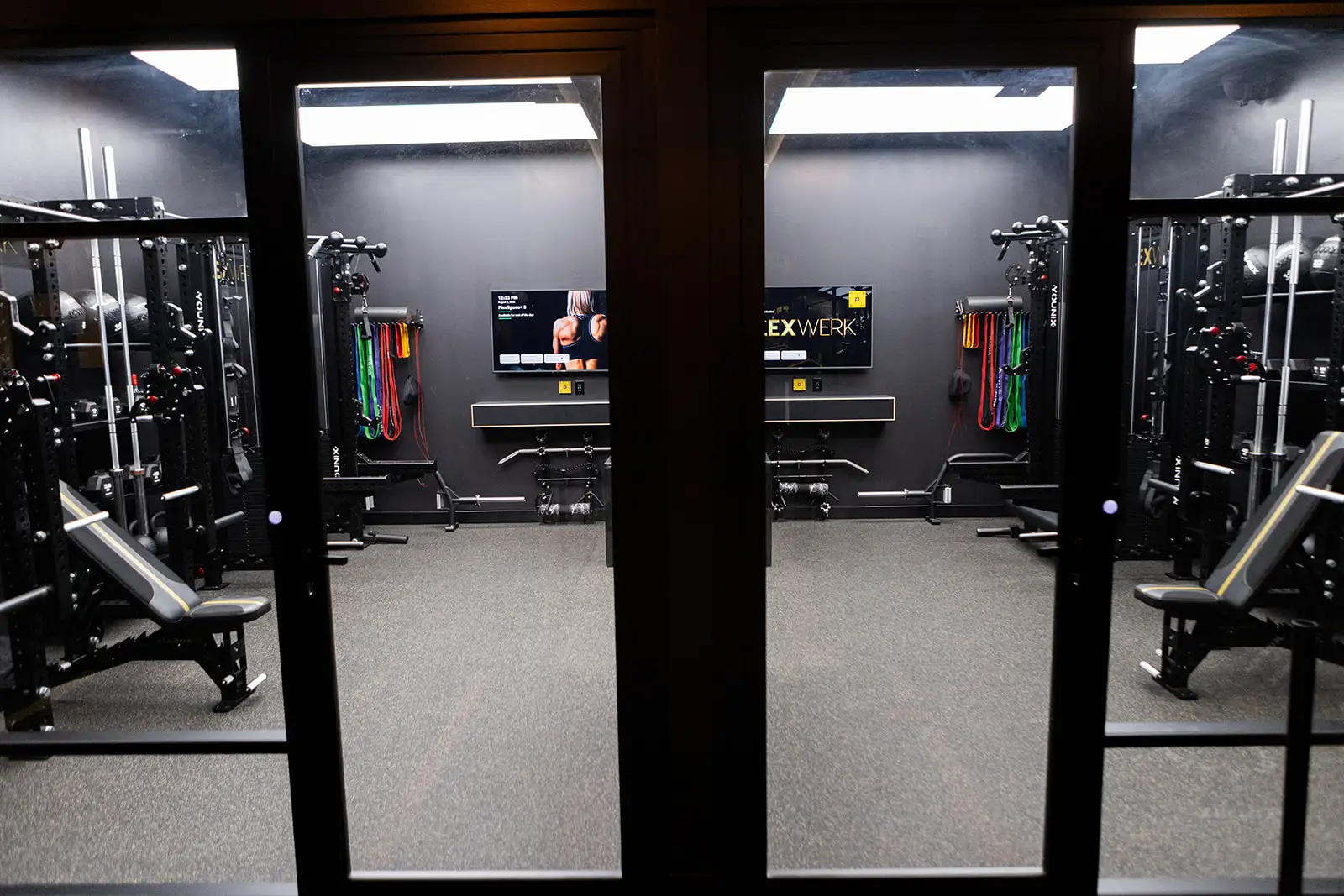
Achilles tendinitis physical therapy in Carmel, Indiana
Achilles tendinitis, now usually called Achilles tendinopathy, is pain and stiffness in the tendon at the back of the ankle, and physical therapy built on progressive calf and tendon loading is the main treatment, with strong research support. In Carmel, a licensed physical therapist in the network identifies whether the pain is in the middle of the tendon or where it attaches to the heel, adjusts running or walking load, and progresses the loading program one-on-one.
At a glance
Common signs of achilles tendinitis
Also called: Achilles tendinopathy, Achilles tendonitis, Insertional Achilles tendinopathy, Mid-portion Achilles tendinopathy.
Is my Achilles pain mid-portion or insertional, and why does it matter?
Achilles tendinopathy comes in two main types. Mid-portion tendinopathy causes pain and sometimes a thickening a few centimeters above the heel, in the narrowest part of the tendon. Insertional tendinopathy causes pain right where the tendon attaches to the heel bone and is often irritated by shoe pressure and by the tendon being compressed against the heel when the ankle bends upward.
The distinction matters because the exercise program differs. Mid-portion pain often tolerates heel drops off the edge of a step, where the heel dips below the step level. Insertional pain usually does better when exercises are done on flat ground at first, since dropping the heel below the step compresses the tendon against the bone.
Both are common in runners, especially after a quick rise in mileage or speed, and in middle-aged adults who are newly active, such as people starting pickleball or a walking program. Pain at the bottom of the heel is a different problem; the plantar fasciitis page covers that.
What does a physical therapist check in an Achilles assessment?
The therapist finds where the tendon is tender, checks for thickening, and asks about morning stiffness and how pain behaves during and after activity. Single-leg heel raises are counted on each side, because endurance in the calf is often reduced on the painful side. Hopping, ankle mobility, and calf, hip and foot strength are tested too.
Expect your therapist to watch you walk and run if running is part of your life, looking at cadence, how the foot lands and how far you lean. Training history is a big part of the conversation: changes in mileage, speed, hills, shoes or surfaces, and new sports. Certain medications, including fluoroquinolone antibiotics, as well as some medical conditions, are linked to tendon problems and are worth mentioning.
A sudden snap at the back of the ankle, as if kicked, with difficulty pushing off, suggests an Achilles rupture rather than tendinopathy. That needs a physician the same day; the Achilles rupture page explains what follows.
How do heel drops and calf loading treat Achilles tendinopathy?
Progressive loading helps the tendon adapt and become less sensitive. The classic program is the eccentric heel drop, lowering slowly on one leg from a raised heel position, and current clinical guidance also supports heavy slow resistance programs that combine slow lifting and lowering with progressively heavier weight. Both take weeks of consistent work.
A typical plan starts with isometric holds or double-leg heel raises, moves to single-leg raises, adds bent-knee raises to load the soleus, and builds weight through dumbbells or a loaded calf raise in the rack. Hopping and skipping follow to restore the tendon’s spring, then a gradual return to running speed and hills.
Load management runs alongside. Your therapist will often suggest reducing but not stopping running, keeping pain during runs at a mild, tolerable level, and watching the next morning’s stiffness as the guide. A small heel lift can ease insertional pain temporarily.
Hands-on techniques, taping and other treatments you might have heard of, such as shockwave, are sometimes added for stubborn cases, but they are extras. Whether a therapist in the network offers a particular one varies, and the matching team will tell you before booking. The loading program stays the core either way.
- Isometric holds and double-leg heel raises
- Single-leg straight-knee and bent-knee heel raises
- Heavy slow resistance or eccentric heel drops, as the type allows
- Hopping, skipping and pogo jumps
- Graded running volume, then speed and hills
How long does Achilles tendinopathy take to get better?
Most loading programs run about 12 weeks, and many people improve within that time, although long-standing or insertional tendinopathy can take several months to a year to settle fully. Morning stiffness and pain on stairs often improve first. These are typical ranges rather than promises.
Setbacks usually follow a jump in load: a race, a hilly run, or a long pickleball session. Your therapist adjusts the plan instead of starting over. Continuing a calf strength routine after symptoms settle is one of the most useful things you can do to reduce recurrence.
A practical check many therapists use is the morning test: if the first steps out of bed feel no stiffer than the previous day, the tendon handled yesterday’s load. If they feel noticeably worse, the next day is lighter. That simple feedback loop lets you train through most of the recovery instead of stopping completely.
- Weeks 1 to 2: load adjusted, isometrics, morning stiffness tracked.
- Weeks 2 to 6: single-leg and weighted raises, running at reduced volume.
- Weeks 6 to 12: heavier loading, hopping, gradual return of speed and hills.
- After 12 weeks: full training with ongoing calf strength work twice a week.
Can I keep running on the Monon Trail with Achilles pain?
Often yes, at a reduced and steady volume. Many runners can continue if pain during the run stays mild and the tendon is no stiffer the next morning. The flat Monon is a forgiving place to run while you rebuild, and avoiding hills and speedwork for a while helps the tendon settle.
Avoid sudden changes: new shoes with a much lower heel, track sessions, or adding miles before a race. The running injury physical therapy page explains how training is adjusted, and pain at the back of the heel covers other causes of heel pain.
To get started, the ankle and foot questionnaire takes two minutes. The matching team proposes a therapist in the network, and that therapist’s office checks your benefits. A physical therapist in Indiana can evaluate and treat you for up to 42 calendar days without a physician’s referral, though your plan may have its own rules.
When to see a physician or go to the ER first
Physical therapy is the right start for most achilles tendinitis. These symptoms are different and need medical attention before, or instead of, a physical therapy visit:
- A sudden snap or feeling of being kicked at the back of the ankle
- Inability to rise onto your toes on the affected side
- Calf swelling, warmth and tenderness, which can signal a blood clot
- A red, hot, swollen heel with fever
- Tendon pain that started soon after taking a fluoroquinolone antibiotic
- Pain at rest and at night that keeps worsening
If you think it is an emergency, call 911.
Two-minute assessment
Get your achilles tendinitis looked at
Tell us how your achilles tendinitis started, how long it has been going on and what it is stopping you from doing. The matching team proposes a therapist in the network who focuses on it, and you hear back, usually within one business day.
- No referral needed to start in Indiana (first 42 days)
- We check which therapists work with your plan before you book
- One-on-one care in a private suite at Carmel City Center
How therapists treat it
Kinds of care used for achilles tendinitis
- Running injury physical therapyFor Monon Trail regulars and race trainees: load management, strength and gait observation that keep you running while you heal.
- Sports physical therapyRehab for active adults that goes past pain relief to the strength, power and movement your sport actually demands.
- Orthopedic physical therapyExercise-led care for back, neck, shoulder, hip, knee and ankle problems, delivered one-on-one in a private suite.
Questions
Achilles tendinitis: what people ask
Information on this website is general education, not medical advice, a diagnosis or a treatment plan. Only a licensed clinician who examines you can advise on your condition. If you may be having a medical emergency, call 911.
Something we did not cover? Ask the matching team or ring (888) 353-9975.
Can pickleball cause Achilles tendinitis?
Yes. The quick starts, stops and lunges of pickleball load the Achilles heavily, and newly active players who add many hours quickly are a common group. Building court time gradually and keeping calf strength up help.
Should I stretch my Achilles if it hurts?
Gentle calf stretching is fine for many people, but hard stretching often irritates insertional tendinopathy. Strengthening is the main treatment.
Are heel drops off a step right for everyone?
Not for insertional pain at first, since dropping below the step compresses the tendon. Your therapist chooses the version that fits.
Do I need an MRI or ultrasound for Achilles tendinitis?
Usually not. Imaging is reserved for suspected tears, unclear diagnoses or cases that do not improve with a good program.
Do shoes matter for Achilles tendinopathy?
A shoe with a slightly higher heel can ease load temporarily, and heel counters that rub can irritate insertional pain. Change shoes gradually, especially if you are moving to a flatter, lower-drop running shoe, and give the tendon several weeks to adjust.
Is a cortisone shot a good idea for Achilles pain?
AAOS advises against cortisone injections into the Achilles tendon because they can cause the tendon to rupture. Discuss any injection with your physician.
Why is my Achilles stiff in the morning but fine later?
Tendons stiffen with rest and loosen with movement. Morning stiffness is a useful gauge of how your tendon handled the previous day.
Google reviews
What guests say about FlexWerk
These are live Google reviews of FlexWerk at Carmel City Center, the private-suite facility where therapists in the network practise.
Related
Conditions that travel together
 Calf strainGastrocnemius and soleus strains, from sudden “tennis leg” to the tight calf that keeps cutting runs short.
 Plantar fasciitisHeel pain and first-step morning pain treated with calf and foot loading, footwear advice and load management.
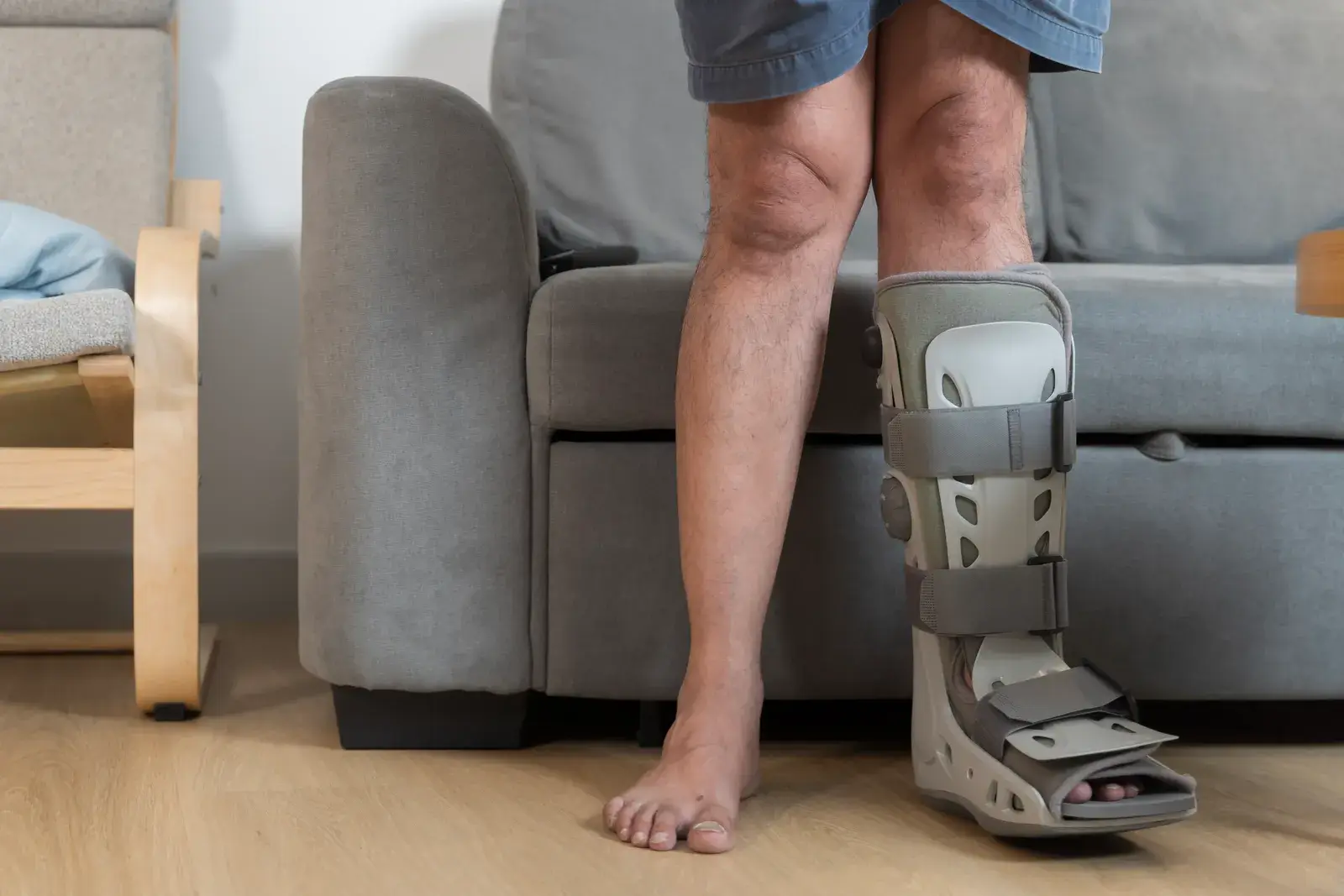 Achilles ruptureNon-surgical Achilles rupture rehab: boot and wedge stages, guarded calf loading and a criteria-based return to sport over many months.
Page reviewed By the Monon Therapy Collective editorial team

Carmel City Center · Carmel, Indiana
Start with a conversation
Tell us what hurts and what you want to get back to. We will tell you honestly whether a therapist in the network is likely a good fit for what you describe, and match you with an independent, licensed therapist who is. Only that therapist can assess what will help.
885 Monon Green Blvd, Suite 120, Carmel, IN 46032 · Monday to Friday 5 AM to 9 PM · Saturday and Sunday 7 AM to 4 PM