Achilles rupture physical therapy in Carmel, Indiana
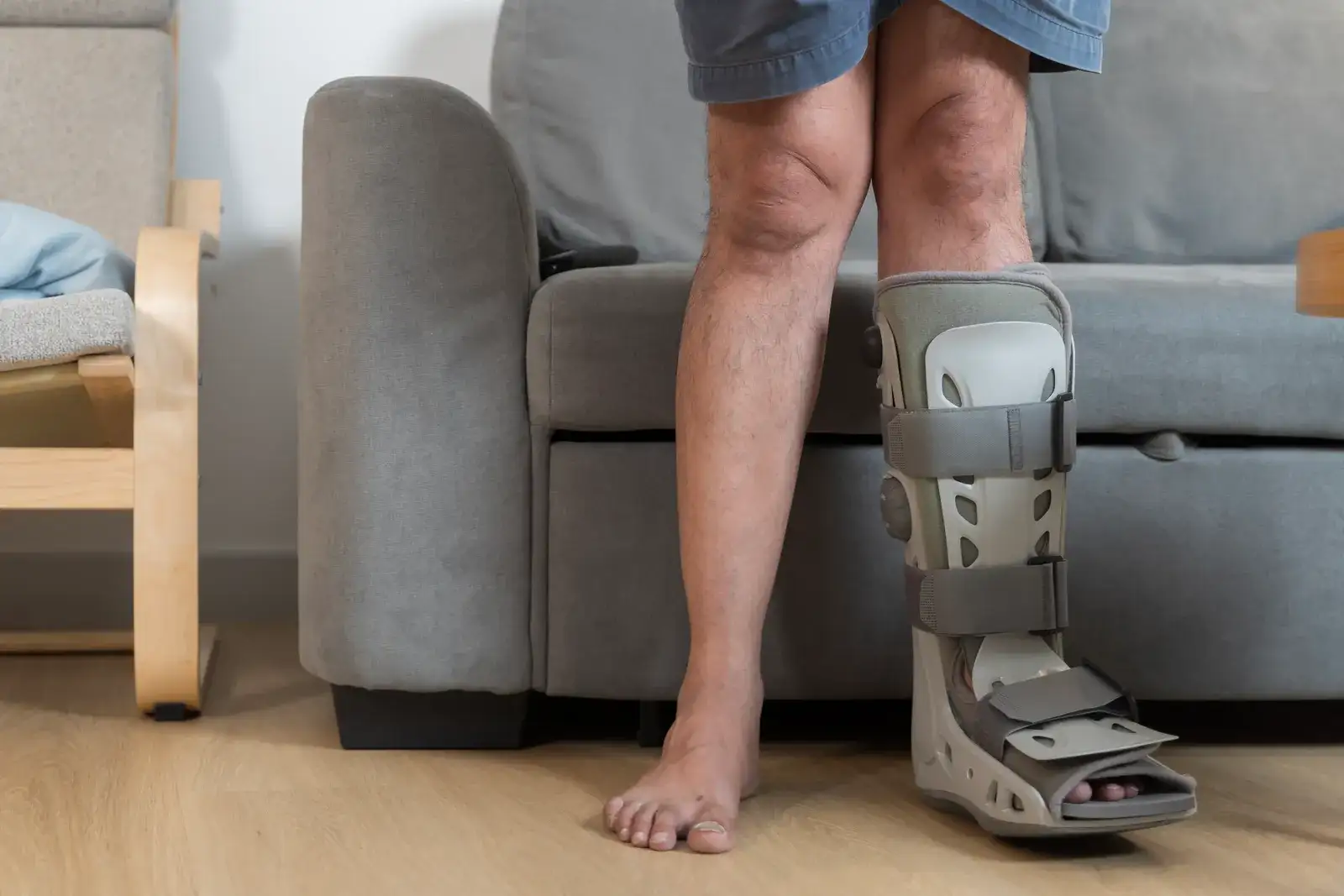
Many Achilles tendon ruptures are now treated without surgery, using a walking boot with heel wedges and an early, structured functional rehabilitation program, and physical therapy carries that program for months. In Carmel, the Indiana-licensed physical therapist you are matched with follows the protocol your orthopedic physician sets, protects the healing tendon from overstretching, and rebuilds calf strength, walking and eventually running and jumping. Full recovery commonly takes about a year, and some people need closer to two.
At a glance
Common signs of achilles rupture
Also called: Achilles tendon rupture (non-operative care), Ruptured Achilles, Torn Achilles tendon, Non-surgical Achilles rupture treatment.
Is non-surgical treatment of an Achilles rupture a real option?
Yes. For many people, especially when treatment starts early and the tendon ends sit close together with the foot pointed, non-surgical care with a boot and heel wedges plus structured functional rehab is now a widely used option. The choice between surgery and non-surgical care is made with an orthopedic surgeon, who weighs your age, health, sport, the gap in the tendon and your preferences.
Surgery may be favored for some athletes, for ruptures diagnosed late, or when the tendon ends are far apart. Non-surgical care avoids wound and nerve risks but requires strict adherence to the boot and wedge schedule, because overstretching the healing tendon can leave it permanently long and weak.
Whichever route is chosen, the months of rehab that follow look broadly similar, and much of the work happens in physical therapy. This page is about the non-surgical path. If you had a repair, the Achilles tendon repair rehab page covers recovery after surgery.
How is an Achilles rupture confirmed before rehab starts?
An Achilles rupture is usually confirmed by a physician with simple clinical tests, sometimes supported by ultrasound or MRI. The Thompson test is the classic one: while you lie face down, squeezing the calf normally makes the foot point; if it does not, the tendon is likely torn. A palpable gap and a foot that hangs straighter than the other side are further signs.
Diagnosis should happen quickly, ideally within days, because early immobilization with the foot pointed lets the tendon ends sit together. If you suspect a rupture, see an urgent care center, emergency department or orthopedic clinic promptly rather than starting with physical therapy.
Once the physician has chosen non-surgical care, they set the initial boot position, the wedge schedule and weight-bearing rules. Physical therapy follows that protocol, and your therapist stays in contact with the physician’s office about progress.
Bring the written protocol to your first therapy visit, along with the date of injury and the date the boot went on. Non-surgical protocols differ between surgeons in the starting angle, how many wedges are used and when each comes out, so the therapist works from your physician’s version rather than a generic one.
What happens in each stage of non-surgical Achilles rehab?
Non-surgical rehab moves through stages: protection with the foot pointed, gradual reduction of heel wedges while walking in the boot, weaning into shoes, rebuilding calf strength, and finally running, jumping and sport. Each stage protects the healing tendon from being stretched too far while still loading it enough to heal strong.
In the boot stage, wedges are typically removed one at a time over several weeks, on the schedule your physician sets, and weight bearing increases. Therapy at this point focuses on gentle, controlled ankle movement within allowed limits, strength for the hip, knee and the other leg, and general conditioning.
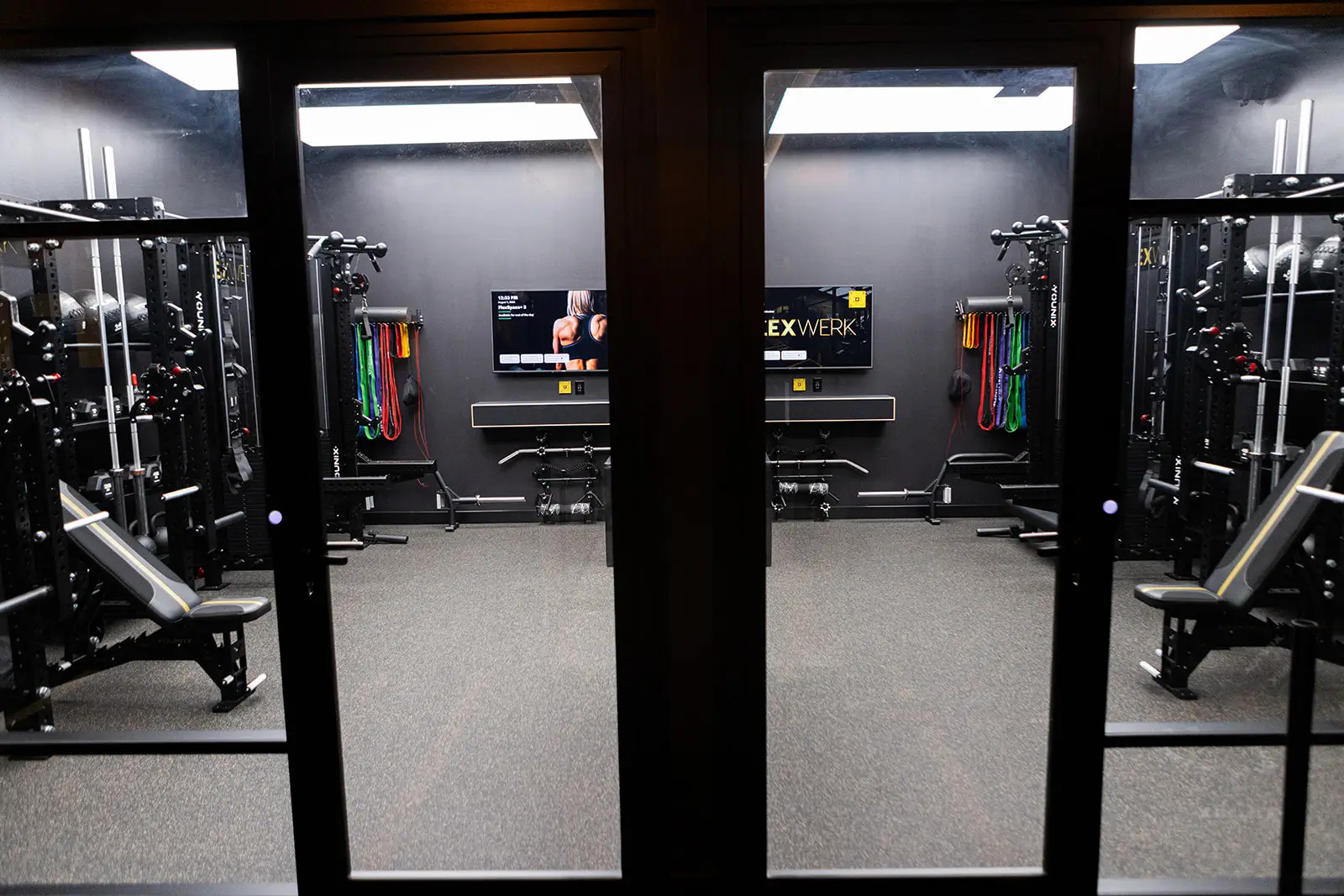
Once out of the boot, walking without a limp is the first major goal, often with a small heel lift for a while. Calf strengthening then becomes the heart of rehab: seated heel raises, double-leg standing heel raises, then single-leg work, with weights added as the tendon tolerates. A private suite with a rack, dumbbells and a leg press machine makes heavy, progressive calf loading practical.
Hopping, skipping and running come much later, usually several months in, and only once single-leg heel raise strength and height are approaching the other side.
- Boot with heel wedges, removed on the physician’s schedule
- Protected weight bearing and gentle movement within limits
- Weaning into shoes with a temporary heel lift
- Progressive calf strength, seated then standing
- Balance and gait retraining
- Hopping, running and sport only after strength milestones
How long until I can run and jump after a non-surgical Achilles rupture?
The boot stage usually lasts a minimum of about 6 weeks, many people are back to everyday activities by around 4 to 6 months with physical therapy, and complete recovery takes about 12 months for most, with some people closer to two years. Running, jumping and cutting sports come last, after strength testing. These are typical ranges, not promises, and the protocol your surgeon follows may differ.
Calf strength often lags well behind how normal walking feels, and it is common to have a weaker, lower single-leg heel raise on the injured side for many months. That is why return decisions should rest on testing rather than the calendar: heel raise count and height, hop tests and comfortable running.
Expect the middle months to feel slow. Walking may feel nearly normal while the calf still cannot lift you onto your toes on one leg, and that gap is exactly where patient, heavy calf work pays off. Short, consistent sessions several times a week, with load added in small steps, tend to work better than occasional hard ones.
Pickleball, tennis and basketball players, who often rupture the tendon during a sudden push-off, usually need the full range of time before returning to court. The return to sport testing page explains how that decision is made.
What should I do in the first week after the tendon gives way?
In the first week, the priority is a prompt medical diagnosis and starting the treatment the physician chooses, usually immobilization with the foot pointed. Do not try to stretch, walk it off or test it with heel raises. Every unprotected step with the foot flat can pull the torn ends further apart, which is the opposite of what non-surgical care needs. Use crutches and keep weight off the leg as instructed.
Ask the physician about the plan for boot and wedges, when physical therapy should begin, and any signs to watch for. Calf swelling, warmth or pain that gets worse can signal a blood clot, a known risk with lower-leg immobilization, and needs urgent assessment.
Once the physician has a plan, complete the injury questionnaire and tell the matching team you are on a non-surgical Achilles protocol. They propose a therapist in the network with experience in post-surgical and protocol-based rehabilitation, and you can bring the protocol to your first visit.
When to see a physician or go to the ER first
Physical therapy is the right start for most achilles rupture. These symptoms are different and need medical attention before, or instead of, a physical therapy visit:
- Calf swelling, warmth, redness or pain that worsens, which can signal a blood clot
- Shortness of breath or chest pain, which needs emergency care
- A new pop or sudden loss of strength during rehab
- Wound, blister or pressure sore inside the boot
- Numbness or tingling in the foot
If you think it is an emergency, call 911.
Two-minute assessment
Get your achilles rupture looked at
Tell us how your achilles rupture started, how long it has been going on and what it is stopping you from doing. The matching team proposes a therapist in the network who focuses on it, and you hear back, usually within one business day.
- No referral needed to start in Indiana (first 42 days)
- We check which therapists work with your plan before you book
- One-on-one care in a private suite at Carmel City Center
How therapists treat it
Kinds of care used for achilles rupture
- Post-surgical rehabilitationProtocol-led rehab after joint replacement, ligament, tendon and spine surgery, in a quiet private room instead of a crowded gym.
- Return-to-sport testingCriteria-based testing of strength, hopping, movement and confidence, so your return to sport rests on evidence, not the calendar.
- Post-rehab strength trainingThe bridge from discharge to lasting strength: a written handoff from your therapist to a FlexWerk coach in the same building.
Questions
Achilles rupture: what people ask
Information on this website is general education, not medical advice, a diagnosis or a treatment plan. Only a licensed clinician who examines you can advise on your condition. If you may be having a medical emergency, call 911.
Something we did not cover? Ask the matching team or ring (888) 353-9975.
Is re-rupture more likely without surgery?
Some research finds that people treated with surgery are less likely to re-tear the tendon and have stronger push-off, and the debate about that continues as non-surgical protocols improve. Either way, a healed tendon is more vulnerable to injury again, and your orthopedic surgeon can explain how the evidence applies to you.
Why do I need heel wedges in the boot?
Wedges keep the foot pointed so the tendon ends stay close together while they heal. They are removed gradually so the tendon lengthens to the right point, not too far.
Can I take the boot off at night?
Only if your physician says so. Many protocols keep the boot on at night in the early weeks to prevent the foot from bending up and stretching the tendon.
Will my calf ever be the same size?
Some people keep a slightly smaller calf or a lower heel raise on the injured side, even after good rehab. Long-term strength work helps narrow that gap.
When can I drive after an Achilles rupture?
If it is your right leg, driving usually waits until you are out of the boot and can brake safely. Your physician decides, and insurance terms may also apply.
Who decides when the heel wedges come out?
Your orthopedic physician sets the wedge schedule. Your therapist follows it, reports how the tendon is responding, and raises any concerns with the physician’s office rather than changing the plan alone.
Google reviews
What guests say about FlexWerk
These are live Google reviews of FlexWerk at Carmel City Center, the private-suite facility where therapists in the network practise.
Related
Conditions that travel together
 Achilles tendinitisMid-portion and insertional Achilles pain in runners and walkers, treated with progressive calf and tendon loading.
- Calf strainGastrocnemius and soleus strains, from sudden “tennis leg” to the tight calf that keeps cutting runs short.
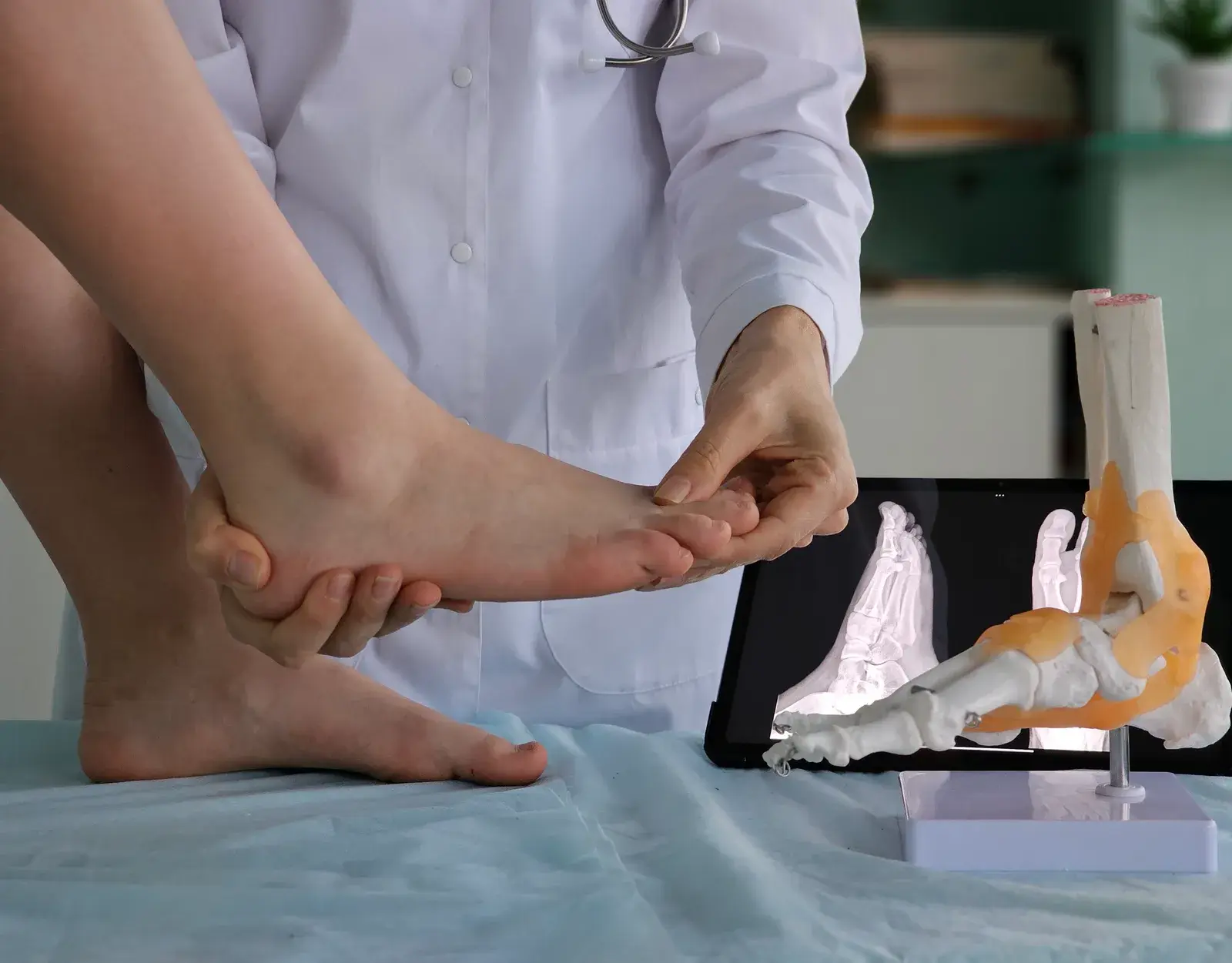 High ankle sprainRehab for syndesmosis injuries above the ankle: stability screening, protected loading and a staged return to cutting sports.
Page reviewed By the Monon Therapy Collective editorial team

Carmel City Center · Carmel, Indiana
Start with a conversation
Tell us what hurts and what you want to get back to. We will tell you honestly whether a therapist in the network is likely a good fit for what you describe, and match you with an independent, licensed therapist who is. Only that therapist can assess what will help.
885 Monon Green Blvd, Suite 120, Carmel, IN 46032 · Monday to Friday 5 AM to 9 PM · Saturday and Sunday 7 AM to 4 PM