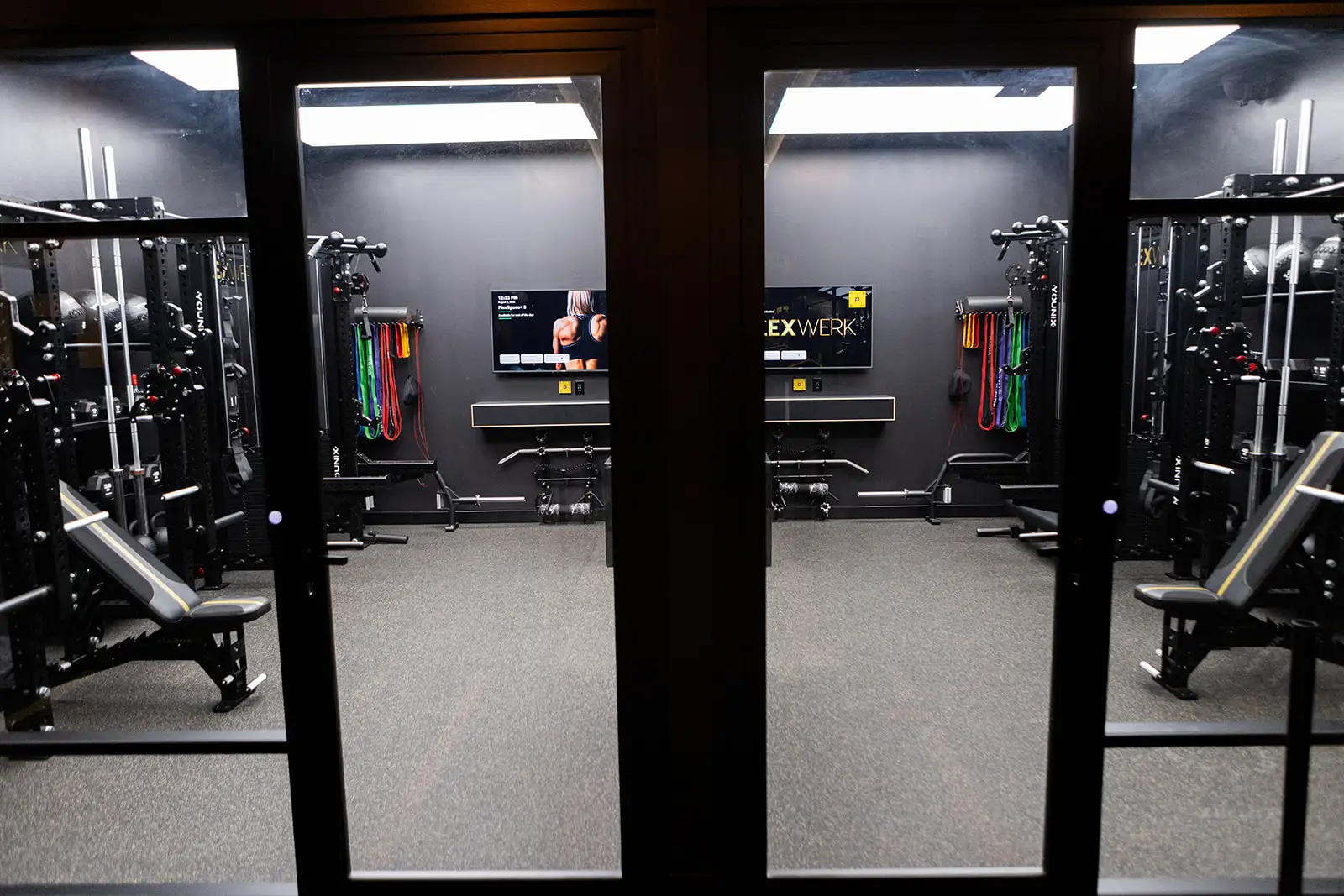
Calf strain physical therapy in Carmel, Indiana
A strained calf muscle usually heals well with physical therapy that loads the calf progressively, from seated heel raises to single-leg raises, hopping and running. In Carmel, a licensed physical therapist in the network works out whether the gastrocnemius or the deeper soleus is involved, because that changes the pace, then builds the calf back one-on-one in a private suite at Carmel City Center.
At a glance
Common signs of calf strain
Also called: Pulled calf muscle, Tennis leg, Medial gastrocnemius strain, Soleus strain.
Is it a gastrocnemius or a soleus strain, and why does that matter?
The calf has two main muscles, and the one you strained shapes the plan. The gastrocnemius is the bulky upper calf that crosses the knee; it typically tears suddenly during a lunge or push-off, often in middle-aged tennis and pickleball players, which is why the injury is nicknamed “tennis leg.” The soleus sits underneath, works hardest with the knee bent, and tends to strain gradually in distance runners.
A gastrocnemius tear usually announces itself with sharp pain at a precise moment. A soleus strain more often feels like tightness that creeps in partway through a run and forces you to stop, sometimes without a single dramatic moment. Soleus strains are easy to underestimate and frequently take longer than people expect.
Both respond to graded loading, but a therapist will test and load them differently, with straight-knee work for the gastrocnemius and bent-knee work for the soleus. If the pain sits low near the heel instead of in the muscle belly, the Achilles tendinitis page is the better starting point.
How does a physical therapist check a pulled calf muscle?
The assessment compares the injured calf with the other side using simple, repeatable tests. Expect a check of where the tenderness sits, how far your ankle bends with the knee straight and then bent, a double and single-leg heel raise, and often a count of how many single-leg raises you can do before tiring. Those numbers become the benchmark for progress.
Your therapist will also rule out mimics. A blood clot in the calf can feel similar to a strain, especially after a long flight, recent surgery or time in a cast, and it needs urgent medical care. Pain that started with a snap at the back of the heel and leaves you unable to push off may be an Achilles rupture rather than a muscle strain, which also needs a physician promptly.
Runners are asked about mileage, shoes, hills and recent changes in training, since the calf pain when running pattern often traces back to a sudden jump in volume or speed.
What does calf strain rehab look like from heel raises to hopping?
Calf rehab is a staircase of load. It starts with what the muscle tolerates now, often seated heel raises or holds against a wall, and climbs through standing double-leg raises, single-leg raises off a step, weighted raises in the rack, and finally plyometrics such as skipping, pogo hops and bounding. Each stage should feel manageable the next morning before the next step up.
Strength targets are concrete. Many therapists look for you to complete a high number of single-leg heel raises on the injured side, close to the other leg, before running at speed. Bent-knee raises with weight on a machine or holding dumbbells target the soleus, which carries a large share of the load at each running stride.
Early walking is encouraged once it is comfortable, and a small heel lift in the shoe sometimes eases the first days by shortening the calf slightly. Soft tissue work can calm a guarded muscle, but strength is what protects against a recurrence.
Fitness does not have to stop while the calf heals. Cycling, swimming, the rowing machine with a light foot push and upper-body work in the rack keep your engine running, so the gap between rehab and full training is smaller when the calf is ready.
- Isometric holds and seated heel raises for the bent-knee soleus
- Double then single-leg standing raises, adding a step for range
- Loaded raises with dumbbells or in the rack
- Skipping, pogo hops and line hops for spring
- Walk-run intervals leading back to normal training
How long does a strained calf take before I can run again?
Mild calf strains often feel much better within a couple of weeks, while the NHS advises avoiding strenuous exercise such as running for up to 8 weeks after a strain because of the risk of further damage, and larger tears can take longer still. Soleus injuries and repeat strains tend to sit toward the longer end. Your timeline depends on the size of the injury and how well the calf responds, so treat these as typical ranges.
The return itself is gradual. A structured walk-run plan after injury brings volume back before speed and hills. Many Carmel runners rebuild on the flat, shaded stretches of the Monon Trail before adding the rolling routes, which is a sensible order.
Court players follow a similar logic with drills first: split steps, short shuffles and controlled lunges before full games. A strained calf tends to protest most on the first explosive push-off of the day, so a proper warm-up becomes a permanent habit rather than a rehab step.
- Week 1: walking comfortably, seated and supported raises, swelling settling.
- Weeks 2 to 4: single-leg raises building in reps and load, cycling for fitness.
- Weeks 3 to 6: hopping drills, short walk-run intervals on flat ground.
- Weeks 6 and beyond: continuous running, then hills and speed for moderate strains.
How can I stop my calf from tearing again next season?
The strongest protection is calf strength and capacity built well beyond what your sport demands, maintained year-round rather than only during rehab. Calf work often disappears from a program once pain goes away, and repeat strains frequently follow a few months later, usually on the first fast session or the first long match of the season. Two short sessions a week of heavy heel raises, straight and bent knee, keep that capacity.
Sudden changes are the other trigger. Pickleball players starting the outdoor season after a winter off, and runners adding speedwork for the Indy Mini, are common examples. Build court time and intensity over a few weeks, warm up with skipping and short accelerations, and replace worn shoes on schedule.
If your calf is strained now, the lower leg questionnaire tells the matching team where it hurts and what you are training for, and they propose a therapist in the network. Indiana’s direct access rule allows evaluation without a referral.
When to see a physician or go to the ER first
Physical therapy is the right start for most calf strain. These symptoms are different and need medical attention before, or instead of, a physical therapy visit:
- Calf swelling, warmth, redness and tenderness, especially after travel, surgery or a cast
- Shortness of breath or chest pain alongside calf pain, which needs 911
- A snap at the back of the heel and inability to rise onto your toes
- Calf pain that comes on with walking and eases with rest, in someone with circulation risk factors
- Severe, tight swelling with pain out of proportion after a direct blow
If you think it is an emergency, call 911.
Two-minute assessment
Get your calf strain looked at
Tell us how your calf strain started, how long it has been going on and what it is stopping you from doing. The matching team proposes a therapist in the network who focuses on it, and you hear back, usually within one business day.
- No referral needed to start in Indiana (first 42 days)
- We check which therapists work with your plan before you book
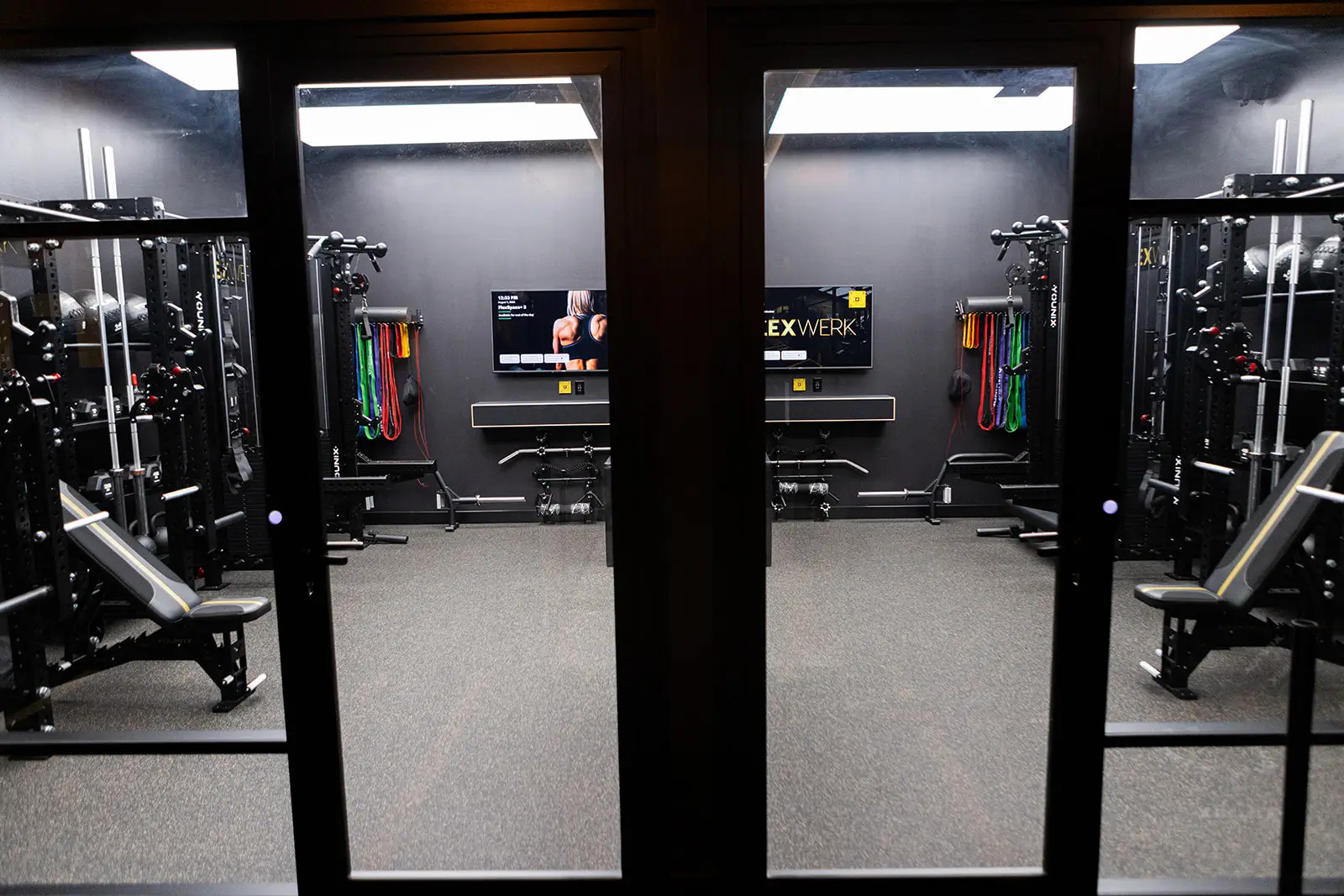
- One-on-one care in a private suite at Carmel City Center
How therapists treat it
Kinds of care used for calf strain
- Running injury physical therapyFor Monon Trail regulars and race trainees: load management, strength and gait observation that keep you running while you heal.
- Sports physical therapyRehab for active adults that goes past pain relief to the strength, power and movement your sport actually demands.
- Orthopedic physical therapyExercise-led care for back, neck, shoulder, hip, knee and ankle problems, delivered one-on-one in a private suite.
Questions
Calf strain: what people ask
Information on this website is general education, not medical advice, a diagnosis or a treatment plan. Only a licensed clinician who examines you can advise on your condition. If you may be having a medical emergency, call 911.
Something we did not cover? Ask the matching team or ring (888) 353-9975.
Should I stretch a calf strain?
Gentle stretching within comfort is usually fine after the first few days. Hard stretching early can aggravate the tear, and strengthening does more for recovery than stretching alone.
Can I play pickleball with a mild calf strain?
Lunging and pushing off are exactly what stresses the calf, so most people wait until single-leg heel raises and hopping feel normal. Starting with drills before full games is a sensible bridge.
Is a calf strain the same as a calf cramp?
No. A cramp is a temporary involuntary contraction that eases within minutes, while a strain leaves lasting tenderness, bruising or weakness when you rise onto your toes.
Can I drive with a calf strain?
If the strain is in your right leg, wait until you can press the brake firmly and quickly without pain or hesitation. For a mild strain that may be a few days; for a larger tear it can be longer.
Do compression sleeves help a calf strain?
Compression can ease swelling and make the calf feel supported, which some people like. It is an addition, not a substitute for progressive loading.
Why does my calf keep tightening up halfway through runs?
That pattern often points to a soleus that lacks endurance for your current mileage or pace. A therapist can test bent-knee calf capacity and adjust training and strength work.
Google reviews
What guests say about FlexWerk
These are live Google reviews of FlexWerk at Carmel City Center, the private-suite facility where therapists in the network practise.
Related
Conditions that travel together
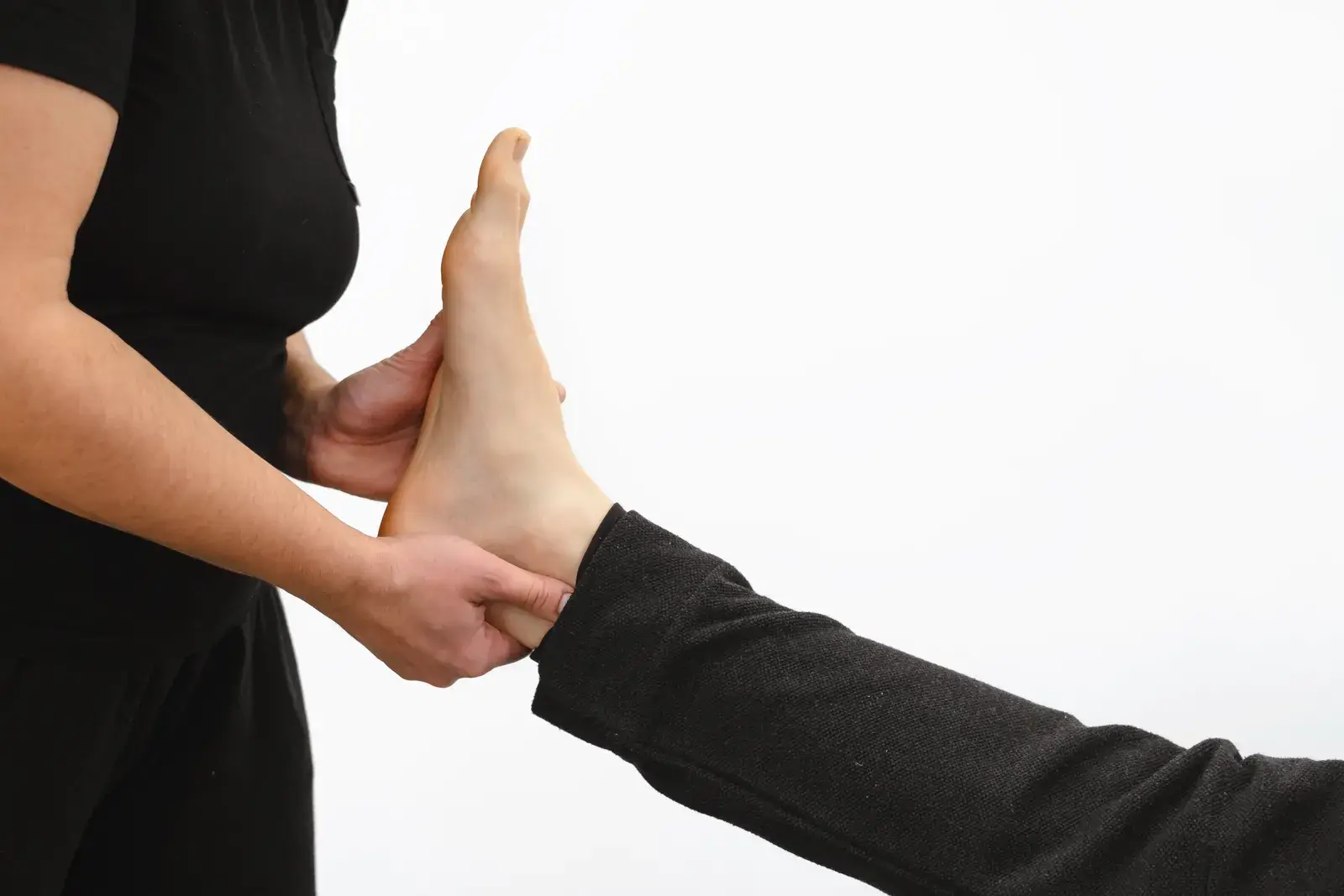
 Achilles tendinitisMid-portion and insertional Achilles pain in runners and walkers, treated with progressive calf and tendon loading.
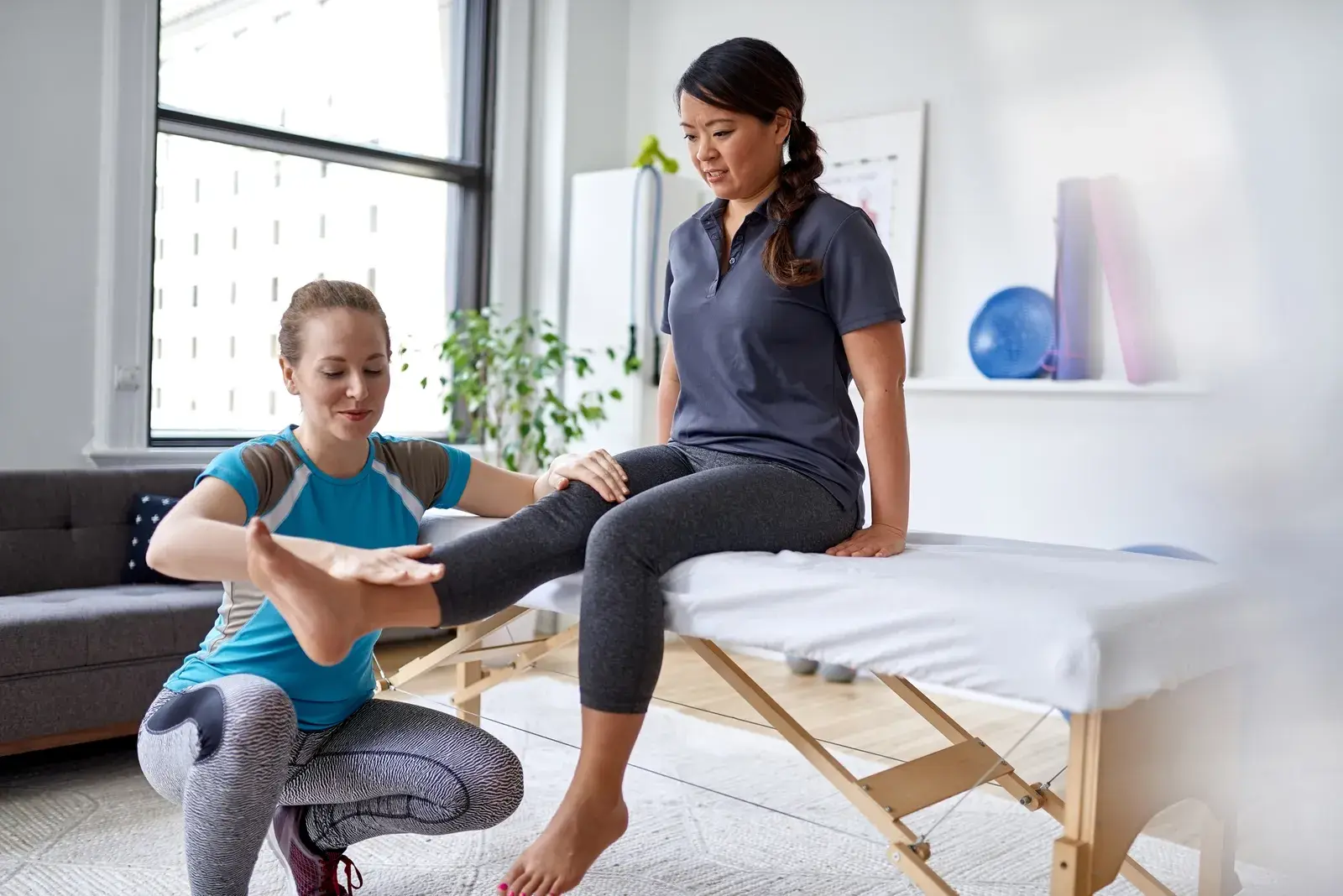
 Shin splintsHelp for aching inner shins from running and jumping, built on smarter load, calf strength and a staged return to running.
 Hamstring strainPulled hamstrings from sprinting or over-stretching, rebuilt with eccentric strength and a staged return to speed.
Page reviewed By the Monon Therapy Collective editorial team

Carmel City Center · Carmel, Indiana
Start with a conversation
Tell us what hurts and what you want to get back to. We will tell you honestly whether a therapist in the network is likely a good fit for what you describe, and match you with an independent, licensed therapist who is. Only that therapist can assess what will help.
885 Monon Green Blvd, Suite 120, Carmel, IN 46032 · Monday to Friday 5 AM to 9 PM · Saturday and Sunday 7 AM to 4 PM