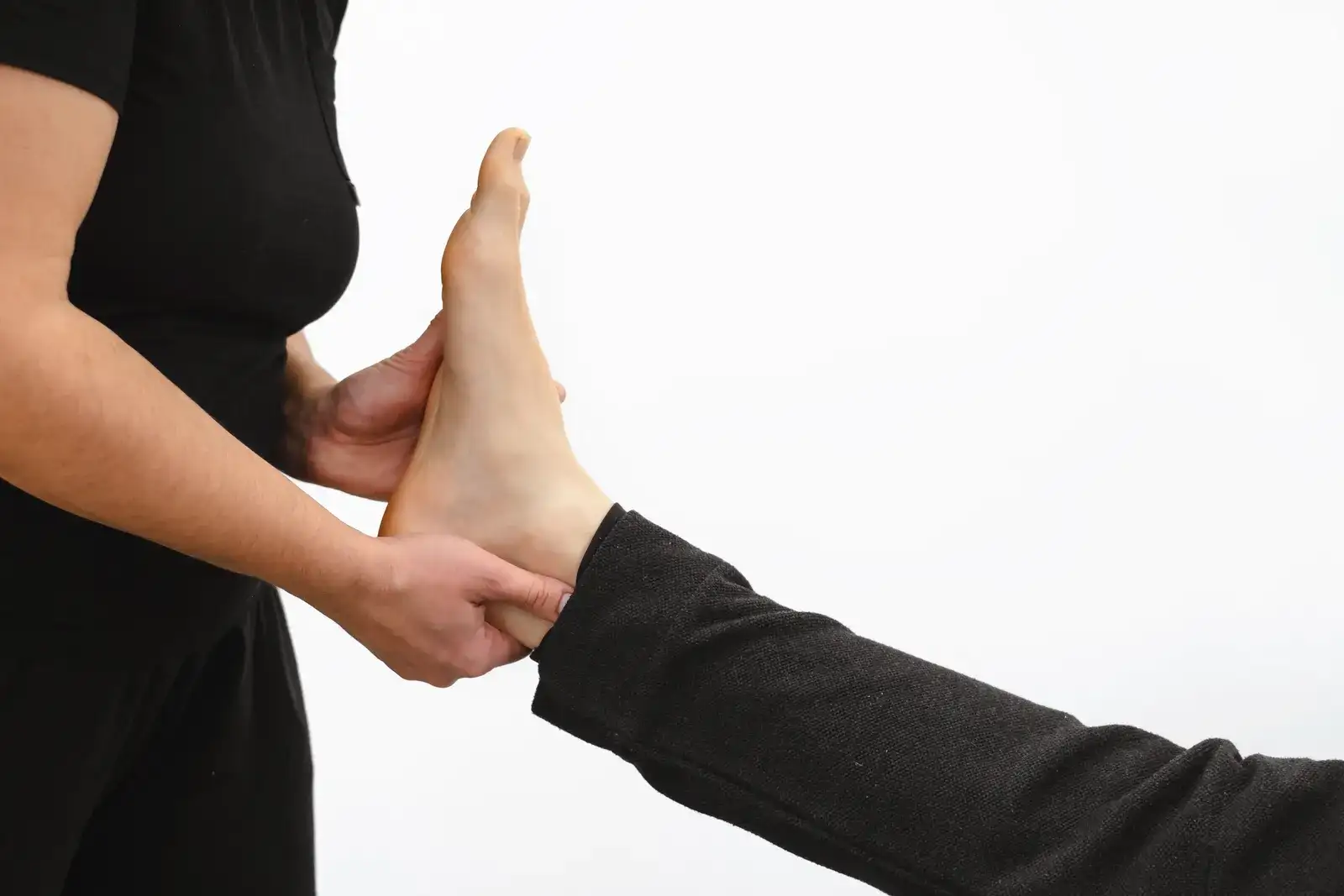
Shin splints physical therapy in Carmel, Indiana
Shin splints, known clinically as medial tibial stress syndrome, usually respond well to physical therapy that trims running load without stopping all activity, then rebuilds calf, foot and hip strength so the shinbone tolerates impact again. In Carmel, the Indiana-licensed physical therapist you are matched with checks for signs of a stress fracture first, then sets a graded plan back to the Monon Trail or the track. Most people do not need a referral to start.
At a glance
Common signs of shin splints
Also called: Medial tibial stress syndrome, MTSS, Shin pain from running, Tibial periostitis.
What is actually going on along the inside of a sore shin?
Shin splints are a bone stress reaction along the inner border of the tibia, usually in its lower part, where the bone and the muscles attaching to it are being loaded faster than they can adapt. It sits on a spectrum with a tibial stress fracture: same cause, earlier stage. That is why the pain is spread over several inches rather than pinned to one spot.
The classic story is a change in training. A runner moves from three easy miles to a build toward the Carmel Marathon in April, a soccer player starts preseason on hard turf, or a new walker doubles daily steps in a week. Bone remodels over weeks, so a few aggressive weeks can outpace it even when muscles and lungs feel ready.
Contributing factors a physical therapist looks at include training volume and surface, worn or recently changed shoes, calf and soleus endurance, how the foot and hip control landing, and whether you are eating enough for the training you do. No single factor explains every case, which is why the assessment matters more than a generic stretch sheet.
How does a physical therapist tell shin splints from a stress fracture?
A therapist separates the two mainly by how the pain is spread and how it behaves. Shin splints tend to cause tenderness along a long strip of bone and an ache that eases once warmed up. A stress fracture usually produces a sharp, focal spot you can cover with a fingertip, pain that worsens as you keep running, and sometimes pain at night or while walking.
The examination usually includes pressing along the tibia to map the tender zone, a single-leg hop test if it is safe to try, calf raise endurance on each side, ankle and big toe mobility, and a look at how you land and run. Your training log is part of the assessment too: mileage, pace work, surface, shoes and recent changes.
If the findings point to a possible fracture, the therapist will advise you to stop impact and see a physician who can order imaging. The stress fracture physical therapy page explains how that pathway differs.
A third possibility is chronic exertional compartment syndrome, where pressure builds inside a muscle compartment during exercise. It feels like a tight, swelling ache, sometimes with numbness in the foot, that appears at a predictable point in a run and fades within minutes of stopping. That pattern needs a physician’s assessment, because the testing and treatment are different from shin splints.
What does a shin splints rehab plan look like week to week?
A plan has two jobs at the same time: reduce the load the shin sees enough for the bone to settle, and raise its capacity with strength work so the problem does not return the moment you resume. Full rest is rarely needed for true shin splints, and long rest can make the eventual return harder.
Early on, many runners cut mileage and intensity, drop hills and speed sessions, and cross-train on a bike or in the pool. Strength work starts at the same time. In a private suite with a rack and dumbbells, that can mean heavy seated calf raises for the soleus, standing calf raises, tibialis posterior work and hip strength, progressed every week or two rather than kept at a light band level.
Once walking briskly and hopping are comfortable, running returns in a structured way, often on softer, flatter surfaces first. The return to running walk-run plan shows the general shape of that stage, and a therapist adjusts it to your shin’s response.
- A training load review: mileage, pace, surface and recovery days
- Soleus and gastrocnemius strengthening, progressed with added weight
- Foot and ankle control work, including single-leg balance
- Hip and trunk strength for landing control
- Cadence and stride feedback where it fits your running
- A staged running plan with clear rules for when to hold or progress
How long until I can run without shin pain again?
Shin splints usually settle within a few weeks once the training load is corrected, and a common rule of thumb from orthopedic guidance is to be pain-free for at least two weeks before building back to the exercise that caused them. Shins that have hurt for months, or that flare every training cycle, usually take longer because the bone needs a longer stretch of well-dosed load.
Timelines also shift with how consistently strength work is done, whether the original training error is corrected, and whether you have enough energy intake and sleep to support bone repair. Your therapist cannot promise a date. What a good plan gives you is a clear set of criteria, such as pain-free hopping and a tolerated walk-run session, that tell you when it is reasonable to step up.
If you are training for the Indy Mini in May or a fall race, mention the date in your questionnaire. The goal race helps the therapist plan backwards, and sometimes the honest advice is to change the goal rather than risk a fracture.
Should I keep running on sore shins this week?
Often you can keep some running, as long as the pain stays mild, does not build during the run and has settled by the next morning. Pain that sharpens as you go, makes you limp, or is worse the following day is a sign to stop running and get assessed, because that pattern overlaps with early stress fractures.
Practical steps this week: run less often, for less time and at a lower intensity than you were, swap one run for a bike ride on the Monon Trail or a pool session, run on flatter routes, and check whether your shoes have far more miles on them than you thought. Calf raises done slowly, most days, are a reasonable starting exercise for most runners.
If the shins have been sore for more than two or three weeks, keep coming back, or one spot has become much more tender than the rest, start the two-minute assessment questionnaire. The matching team reads it and proposes an independent physical therapist in the network whose focus suits running injuries.
When to see a physician or go to the ER first
Physical therapy is the right start for most shin splints. These symptoms are different and need medical attention before, or instead of, a physical therapy visit:
- A single, pinpoint spot on the shinbone that is exquisitely tender
- Pain at night or at rest, or pain when simply walking
- Swelling, numbness, tingling or a tight, hard calf during exercise that eases with rest
- Calf swelling, warmth and redness, which can signal a blood clot
- Shin pain after a direct blow or fall with trouble bearing weight
If you think it is an emergency, call 911.
Two-minute assessment
Get your shin splints looked at
Tell us how your shin splints started, how long it has been going on and what it is stopping you from doing. The matching team proposes a therapist in the network who focuses on it, and you hear back, usually within one business day.
- No referral needed to start in Indiana (first 42 days)
- We check which therapists work with your plan before you book
- One-on-one care in a private suite at Carmel City Center
How therapists treat it
Kinds of care used for shin splints
- Running injury physical therapyFor Monon Trail regulars and race trainees: load management, strength and gait observation that keep you running while you heal.
- Running gait analysisSlow-motion video of your stride, read alongside a physical exam, to explain a running pain that keeps coming back.
- Sports physical therapyRehab for active adults that goes past pain relief to the strength, power and movement your sport actually demands.
Questions
Shin splints: what people ask
Information on this website is general education, not medical advice, a diagnosis or a treatment plan. Only a licensed clinician who examines you can advise on your condition. If you may be having a medical emergency, call 911.
Something we did not cover? Ask the matching team or ring (888) 353-9975.
Do compression sleeves fix shin splints?
Compression sleeves may make a sore shin feel better during a run, and that comfort is fine to use. They do not change the bone loading problem, so they work alongside reduced load and calf strengthening rather than in place of them.
Are my running shoes the cause?
Shoes can contribute, especially very worn pairs or a sudden switch to a much lower or more minimal model. They are rarely the whole story. The running shoes after an injury guide covers what to look for.
Why do both of my shins hurt?
Shin splints often affect both legs because the training change that caused them affected both legs. Two equally sore shins with a spread-out ache fit the pattern; one leg with a single sharp spot deserves a closer look for a stress fracture.
Should I ice my shins after runs?
Ice is fine if it makes your shins feel better, and it is low risk. It eases symptoms; the change in training load and the strength work are what help the bone adapt.
Do I need a referral to see a physical therapist for shin splints in Indiana?
No. Indiana law lets a physical therapist evaluate and treat you for up to 42 calendar days without a referral, although some insurance plans still require one for payment. The therapist’s office checks your plan before the first visit.
Google reviews
What guests say about FlexWerk
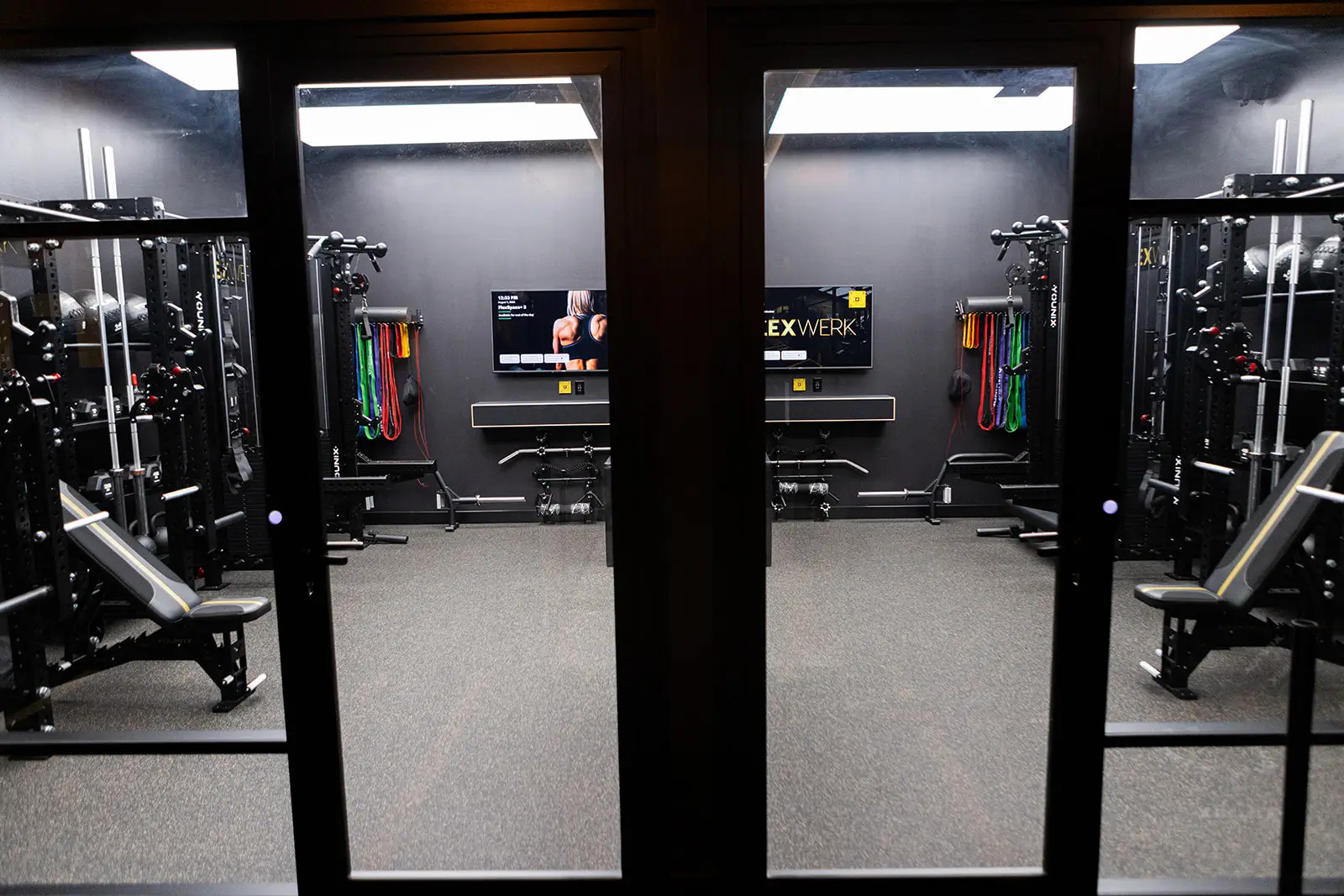
These are live Google reviews of FlexWerk at Carmel City Center, the private-suite facility where therapists in the network practise.
Related
Conditions that travel together
 Stress fractureRehab for bone stress injuries of the foot, shin and hip: protected loading, strength work and a staged walk-run return.
- Calf strainGastrocnemius and soleus strains, from sudden “tennis leg” to the tight calf that keeps cutting runs short.
- Achilles tendinitisMid-portion and insertional Achilles pain in runners and walkers, treated with progressive calf and tendon loading.
Page reviewed By the Monon Therapy Collective editorial team

Carmel City Center · Carmel, Indiana
Start with a conversation
Tell us what hurts and what you want to get back to. We will tell you honestly whether a therapist in the network is likely a good fit for what you describe, and match you with an independent, licensed therapist who is. Only that therapist can assess what will help.
885 Monon Green Blvd, Suite 120, Carmel, IN 46032 · Monday to Friday 5 AM to 9 PM · Saturday and Sunday 7 AM to 4 PM