
Running gait analysis in Carmel, Indiana
A running gait analysis is a physical therapist’s review of how you run, usually filmed on a treadmill from the side and from behind, combined with a hands-on check of strength, mobility and single-leg control. For runners in Carmel, Indiana, it is most useful when a specific pain keeps returning, such as knee pain on longer Monon Trail runs. Whether a therapist in the network currently offers video running analysis depends on who is practising at the time, and the matching team tells you plainly before anything is booked.
What does a running gait analysis actually measure?
A running gait analysis measures the visible mechanics of your stride: how many steps you take per minute, where your foot lands relative to your hips, how much your knee bends as you land, whether your pelvis drops on one side, how far your trunk leans and how your arms swing. The clinician records you at your usual easy pace, then slows the footage down frame by frame, because most of these details happen too fast for the eye.
The side view shows overstriding, where the heel lands well in front of the body with a fairly straight knee, and how much you bounce up and down. The rear view shows hip drop, knees drifting inward, and how the foot rolls after contact. Comparing left and right often matters more than any single angle, because a runner nursing an old ankle sprain may load one leg quite differently without knowing it.
- Step rate, also called cadence, in steps per minute
- Foot strike position relative to the body and the angle of the shin at landing
- Knee bend during the loading phase of each step
- Pelvic drop and trunk lean seen from behind
- Differences between the left and right sides
Why video alone cannot explain a running injury
Video shows what your body does while running, but not why, so a sound analysis pairs the footage with a physical examination and a close look at your training. A pelvis that drops on one side might reflect weak hip muscles, a stiff ankle, pain avoidance or simple habit, and each cause calls for a different fix. The therapist tests single-leg squats, hop control, calf endurance and hip strength before deciding which pattern actually matters.
Training history often explains more than mechanics. A jump in weekly mileage, a new pair of shoes, a switch from treadmill to the Monon Trail asphalt, or adding hills for a spring race can all tip a tissue past what it tolerates. Bring your watch data or training log, because a pattern of three hard weeks in a row is something the camera will never show. Pain that has already settled into a diagnosis, such as runner’s knee, is usually treated through a full plan rather than a one-off video session.
Which running form changes have research behind them?
The change with the clearest laboratory support is a modest increase in step rate. In a 2011 study of 45 recreational runners published in Medicine and Science in Sports and Exercise, raising step rate by 5 percent reduced the energy absorbed at the knee, and raising it by 10 percent also reduced it at the hip, without changing running speed. Shorter, quicker steps also reduced overstriding and vertical bounce.
That does not mean every runner should chase a target number. A therapist usually changes one thing at a time, with a cue such as a metronome app set slightly above your current cadence, and builds it in over a few weeks of easy runs. Many runners need no form change at all and do better with strength work and smarter mileage, which is why strength training for runners and load management sit alongside any video findings. Forcing a forefoot strike or copying an elite runner’s stride tends to move stress somewhere new, often the calf or Achilles.
When to book a stride review in the Carmel Marathon and Indy Mini season
The useful time for a stride review is early in a training block, not in the final weeks before a race. The Carmel Marathon runs in April and the Indy Mini in May, so central Indiana runners who want to change anything about their form generally benefit from starting in winter, while mileage is still modest and there is time to practise a new cue on easy runs.
Changing mechanics during a taper adds risk for little gain. If you are already hurting close to race day, the priority is a clinical assessment of the painful area and a decision about whether to race, defer or adjust, which is covered by running injury physical therapy. After an injury, a gait review is most useful near the end of rehab, once you are back to steady easy running and can tolerate being filmed at your normal pace.
- Wear the shoes you run in most, and bring a second pair if you rotate them
- Wear shorts or tights so the knees and ankles are visible on camera
- Bring your recent training log or watch data covering the last six to eight weeks
- Plan to warm up on the treadmill for several minutes before any filming
- Note which runs, distances or surfaces bring the pain on
Asking the matching team about video running analysis
Video running analysis is not something every physical therapist offers, so availability through the network depends on the therapists practising in the suites at the time you ask. When you mention it in the questionnaire, the matching team checks honestly whether a therapist in the network does this work, and if none does, they say so before anything is booked and suggest where else to look.
Whoever you see, a few questions separate a thorough review from a quick clip. Ask whether the session includes a physical exam, whether you will get the footage and a written summary, and whether there is a retest a few weeks later to check that a change has stuck. To start, fill in the two-minute questionnaire and describe your running pain and goal race, or call the matching team if you would rather talk it through first.
Who it helps
A running gait analysis may be worth asking about if
- The same running pain returns each time you build mileage
- You have finished rehab for an injury and want to return to steady training
- One leg always feels different, or your shoes wear unevenly from side to side
- You are planning a first half or full marathon and have a history of shin, knee or hip trouble
- You have been told to change your foot strike and want an informed second opinion
Conditions
Problems this kind of care treats
 Runner’s kneeHip and quadriceps strengthening plus a smarter mileage plan for an ache around the kneecap that flares on stairs, hills and long sits.
 IT band syndromeHip strength, load management and running or cycling adjustments for sharp pain on the outside of the knee that starts at the same point every run.
 Shin splintsHelp for aching inner shins from running and jumping, built on smarter load, calf strength and a staged return to running.
 Achilles tendinitisMid-portion and insertional Achilles pain in runners and walkers, treated with progressive calf and tendon loading.
Two-minute assessment
Not sure which therapist is right for you?
Answer a few questions about what hurts, how long it has been going on and what you want to get back to. Our matching team reads every answer and proposes a licensed physical therapist in the network whose focus, schedule and coverage fit. Two minutes, no obligation.
- No referral needed to start in Indiana (first 42 days)
- We check which therapists work with your plan before you book
- One-on-one care in a private suite at Carmel City Center
Questions
About running gait analysis
Information on this website is general education, not medical advice, a diagnosis or a treatment plan. Only a licensed clinician who examines you can advise on your condition. If you may be having a medical emergency, call 911.
Something we did not cover? Ask the matching team or ring (888) 353-9975.
Can a shoe store treadmill check replace a running gait analysis?
A shoe fitting can help you choose comfortable shoes, but it does not include an examination of strength, mobility or the painful area. A clinical review looks for why a pain keeps returning, and choosing running shoes after an injury covers what footwear can and cannot do.
Does running on a treadmill change how I run?
A treadmill can alter a stride slightly, especially in the first few minutes, which is why a warm-up comes before filming. For most recreational runners the main patterns, such as overstriding or hip drop, still show up clearly.
Should I change my running form if nothing hurts?
Usually not. Most runners without pain do well with consistent training and some strength work, and form changes are generally reserved for a recurring problem that a clinician has linked to a specific pattern.
How long does it take to adjust to a new running cadence?
Many runners practise a new cue on short portions of easy runs and build up over several weeks. A therapist usually rechecks the change on video later to see whether it holds when you are tired.
Is it safe to keep running before my gait review?
That depends on the pain. Mild discomfort that settles within a day is different from pain that makes you limp, and is it okay to run with knee pain explains how to tell the difference.
Google reviews
What guests say about FlexWerk
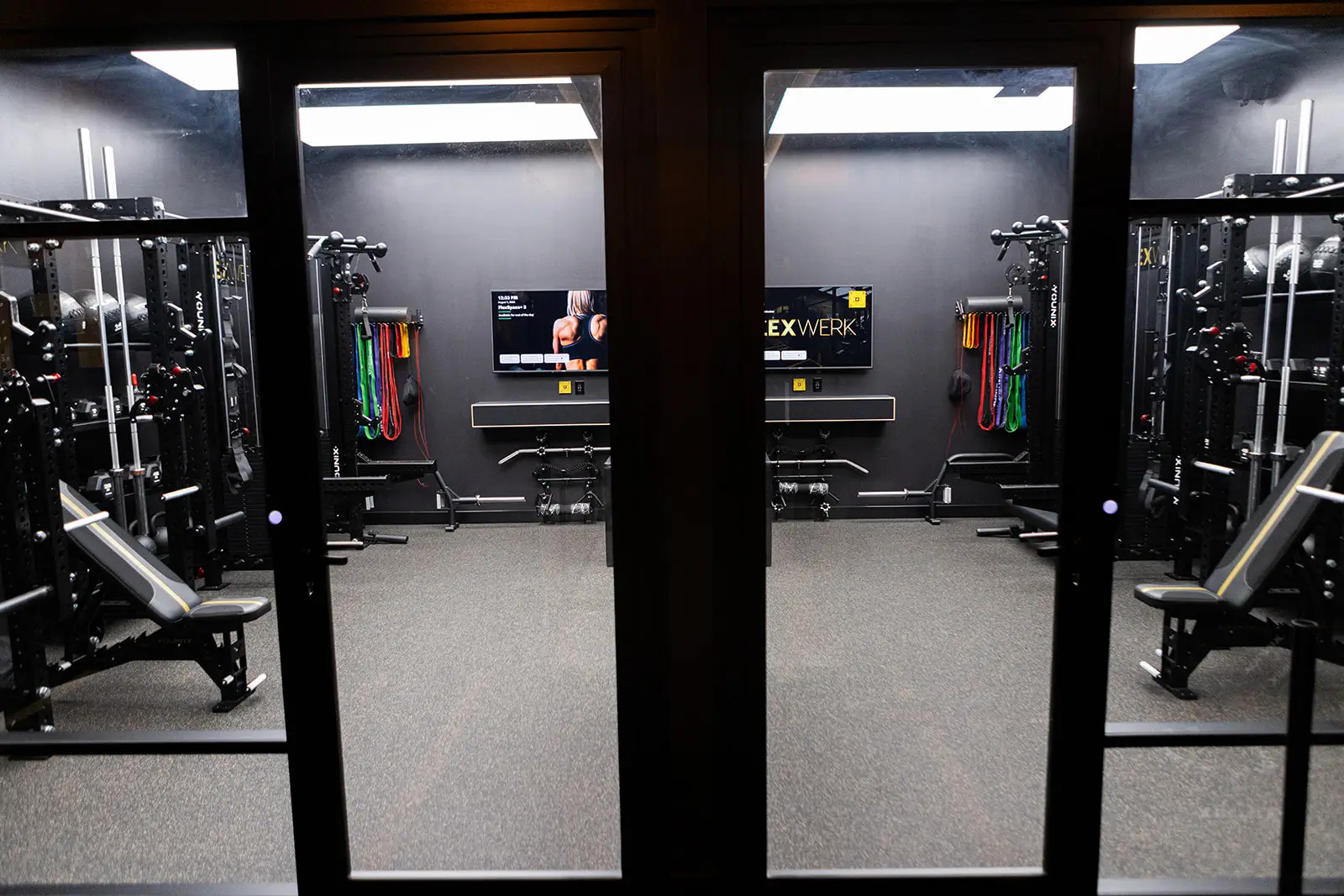
These are live Google reviews of FlexWerk at Carmel City Center, the private-suite facility where therapists in the network practise.
Continue
Related services
 Running injury physical therapyFor Monon Trail regulars and race trainees: load management, strength and gait observation that keep you running while you heal.
 Return-to-sport testingCriteria-based testing of strength, hopping, movement and confidence, so your return to sport rests on evidence, not the calendar.
 Injury prevention screeningA one-on-one movement and strength check that turns side-to-side gaps into a short, targeted training plan before your season.
Page reviewed By the Monon Therapy Collective editorial team

Carmel City Center · Carmel, Indiana
Start with a conversation
Tell us what hurts and what you want to get back to. We will tell you honestly whether a therapist in the network is likely a good fit for what you describe, and match you with an independent, licensed therapist who is. Only that therapist can assess what will help.
885 Monon Green Blvd, Suite 120, Carmel, IN 46032 · Monday to Friday 5 AM to 9 PM · Saturday and Sunday 7 AM to 4 PM