IT band syndrome physical therapy in Carmel, Indiana
IT band syndrome is pain on the outside of the knee, usually starting at a predictable point in a run or ride, caused by irritation where the iliotibial band crosses the outer thigh bone. Physical therapy treats it by lowering the load that provokes it for a while, strengthening the hip muscles that control the leg, and rebuilding running or cycling volume gradually. In Carmel, the physical therapist you are matched with can often have you training again within weeks.
At a glance
Common signs of it band syndrome
Also called: Iliotibial band syndrome, ITBS, IT band friction syndrome, Lateral knee pain in runners.
Why does the outside of my knee hurt at the same mile every run?
Pain that switches on at a predictable distance is typical of IT band syndrome. The iliotibial band is a thick band of connective tissue running down the outside of the thigh, and near the knee it presses on a fat pad and other sensitive tissue over the outer thigh bone as the knee bends to about 30 degrees, the angle the knee passes through with every running stride.
Repetition builds the irritation until it crosses a threshold, which is why the pain arrives on schedule. Common triggers include a quick rise in mileage, long downhill runs, running the same direction on a cambered road or track, and long rides with a saddle set too low or high. Runners building toward the Carmel Marathon and cyclists on long Monon Trail rides both meet it.
Older explanations described the band rubbing back and forth over bone, but the band is firmly attached to the thigh and does not slide much. That matters, because it helps explain why aggressive stretching or foam rolling rarely solves the problem on its own. For pain at the front of the knee instead, see runner’s knee physical therapy.
How does a therapist confirm IT band syndrome and check the hip?
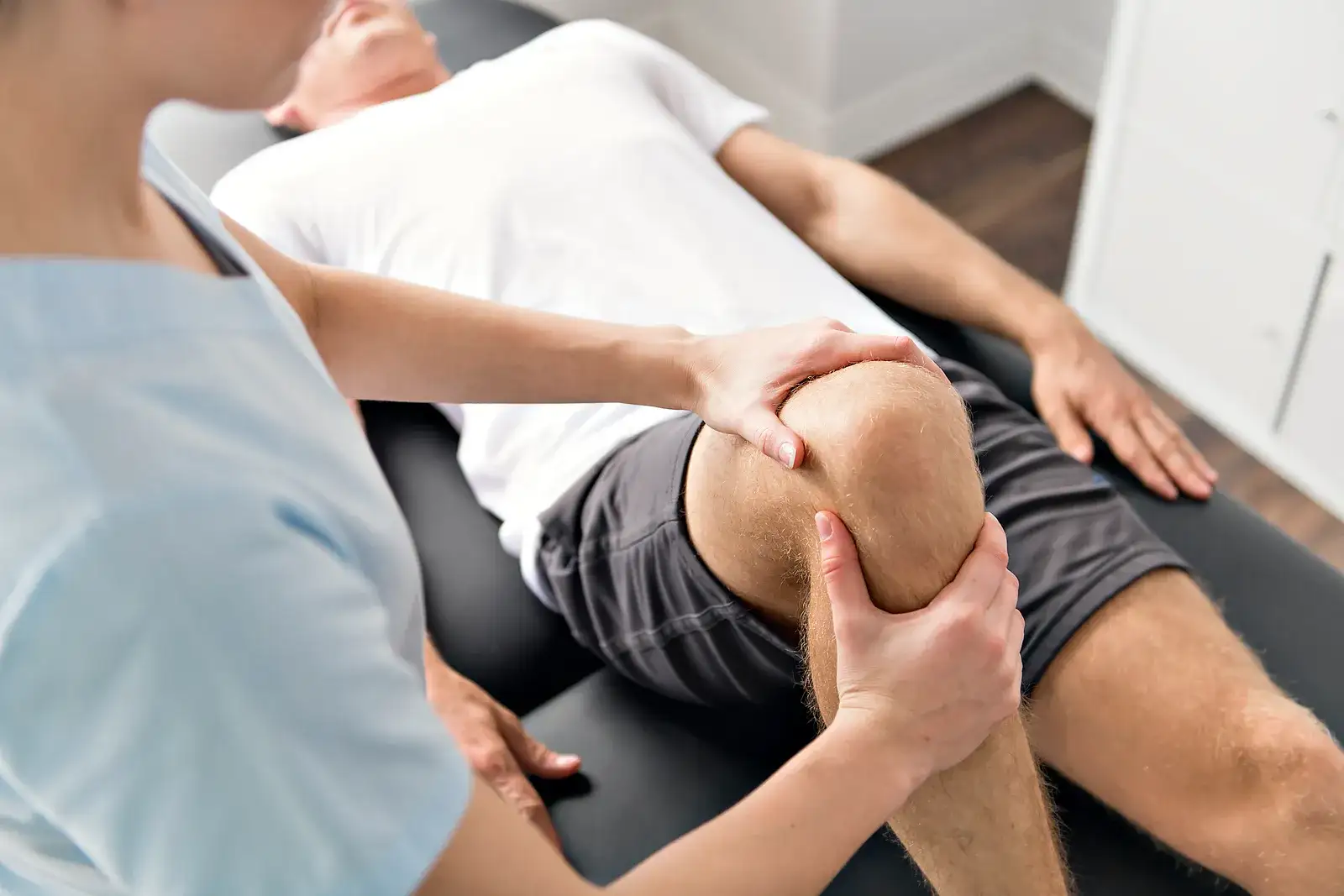
A therapist confirms it from the pattern of pain and by finding tenderness over the outer thigh bone just above the knee joint, often reproduced by pressing there while bending and straightening the knee through about 30 degrees, known as the Noble test.
The exam then turns to the hip, because weak or poorly timed glutes can let the thigh drop inward during the stance phase of running. Hip abductor strength, a single-leg squat and a step-down show how the leg is controlled. The therapist also checks the outer knee joint line, the lateral meniscus and the lower back, which can cause similar pain. The pain on the outside of the knee page lists other causes.
If you run or ride, the therapist will ask about your training, terrain, shoes and bike fit, and may watch you run. Imaging is rarely needed.
Some runners also show a quick drop of the opposite hip or a narrow, crossover running style where the feet land close to the midline. These patterns can increase the stretch on the outer thigh, and small cues to widen the step slightly are sometimes enough to change symptoms.
What actually helps IT band syndrome, if not foam rolling?
Reducing the provoking load for a short time, then strengthening the hips and gradually rebuilding volume, usually helps most. Foam rolling and stretching may give short-term comfort, but they are add-ons rather than the main treatment.
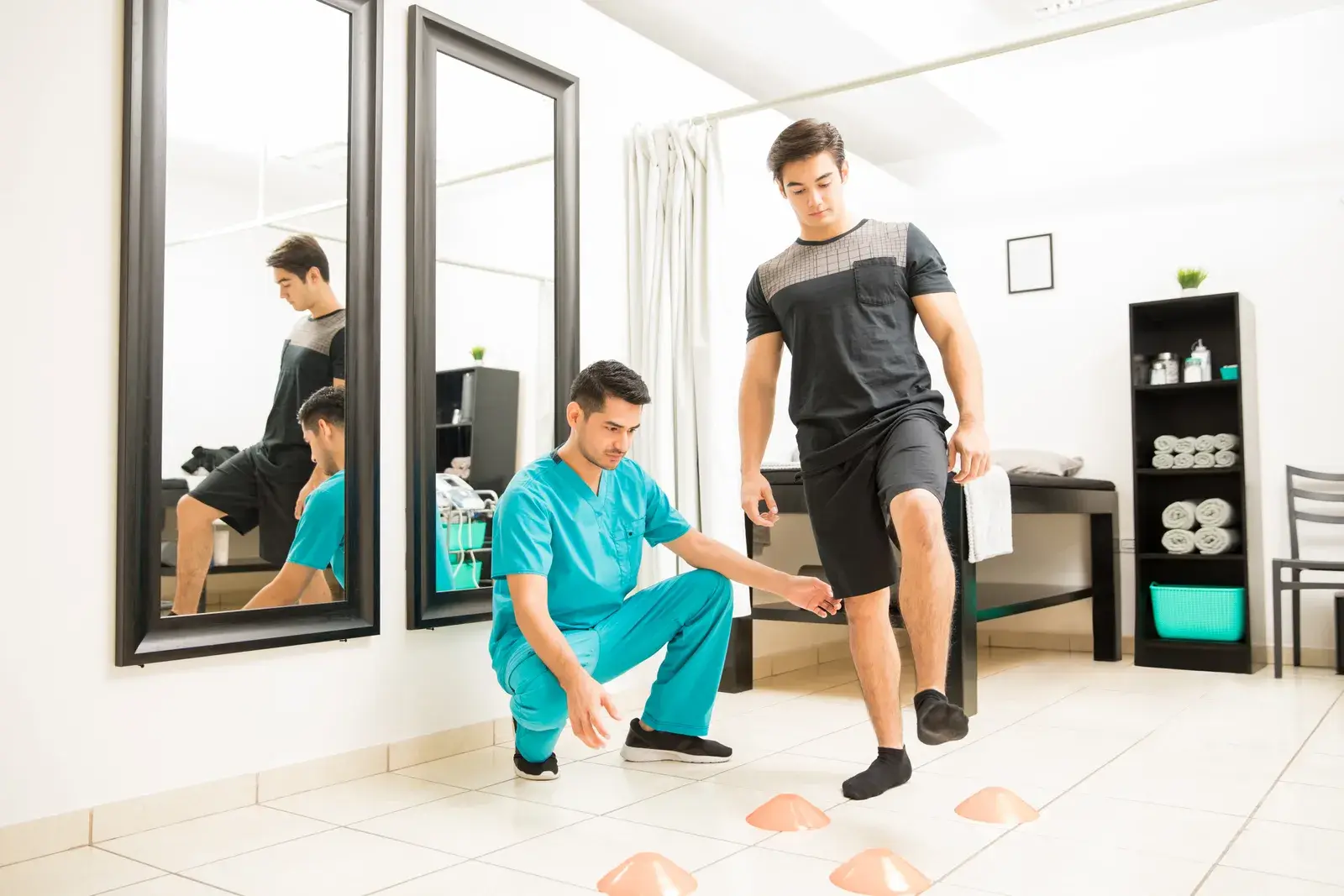
Strength work in a private suite at FlexWerk often includes side-lying hip abduction, side planks, monster walks, single-leg deadlifts and step-ups, building to heavier single-leg work and hopping. For runners, small changes such as a slightly higher cadence, avoiding cambered roads and running fewer downhill miles at first can reduce stress on the outer knee. For cyclists, saddle height, cleat position and knee tracking are worth reviewing.
The return is staged: shorter runs on flat ground below the distance at which pain starts, with mileage added gradually, and hills and long runs last. A therapist may suggest run-walk intervals to keep you training without crossing the threshold.
- A short break from the distance or terrain that triggers pain
- Glute and hip abductor strengthening
- Single-leg control and hopping drills
- Cadence, camber and downhill adjustments
- Bike fit review for cyclists
How soon can I run or ride again with IT band syndrome?
Many runners return to comfortable running within several weeks of a structured plan, though stubborn cases can take longer. The key is starting with runs short enough to stay under the threshold at which pain starts, then adding distance gradually.
Speed of return depends on how long the pain has been present, how much you have tried to push through, and how consistent the strength work is. If you have a race date, your therapist can help you decide whether to adjust your goal. Cyclists often recover quicker once bike fit issues are fixed. The running injury physical therapy page describes how these return plans are set.
An injection may be discussed by a physician if pain persists despite a good program, and surgery is rare. Most people improve with the steps above.
Mark progress by the distance you can run before any outer-knee pain appears and by whether downhill stretches still provoke it. When a run that used to hurt at mile three stays comfortable at mile five, the plan is working and distance can keep climbing in steady steps.
What can I change this week if my outer knee hurts during runs?
Run shorter than the distance at which pain starts, choose flat routes, and stop before the pain switches on rather than pushing through it. Pushing through usually makes the next run start hurting sooner.
Switch the direction of track running each session, avoid steeply cambered roads, and swap some runs for swimming or the elliptical if they are comfortable. If the pain keeps returning after a couple of weeks of changes, the two-minute knee questionnaire lets the matching team suggest a therapist who works with runners and cyclists; the cycling the Monon Trail without knee pain guide has bike-specific tips.
Write down where on your route the pain begins and what you were doing in the days before it started. That information often points directly to the change that triggered it.
Keep your strength sessions going even while running is reduced. Two short hip sessions a week, done consistently, often matter more than any single change to shoes or stretching.
- Run on flat ground and stop before pain starts
- Skip long downhill stretches for now
- Alternate direction on tracks
- Check saddle height if you cycle
When to see a physician or go to the ER first
Physical therapy is the right start for most it band syndrome. These symptoms are different and need medical attention before, or instead of, a physical therapy visit:
- Outer knee pain after a twist with swelling or locking
- Pain on the outer knee with numbness or a foot that drags
- A hot, red, swollen knee with fever
- Severe pain that is constant even at rest
- Calf pain and swelling after a long flight or drive
If you think it is an emergency, call 911.
Two-minute assessment
Get your it band syndrome looked at
Tell us how your it band syndrome started, how long it has been going on and what it is stopping you from doing. The matching team proposes a therapist in the network who focuses on it, and you hear back, usually within one business day.
- No referral needed to start in Indiana (first 42 days)
- We check which therapists work with your plan before you book
- One-on-one care in a private suite at Carmel City Center
How therapists treat it
Kinds of care used for it band syndrome
- Running injury physical therapyFor Monon Trail regulars and race trainees: load management, strength and gait observation that keep you running while you heal.
- Running gait analysisSlow-motion video of your stride, read alongside a physical exam, to explain a running pain that keeps coming back.
- Sports physical therapyRehab for active adults that goes past pain relief to the strength, power and movement your sport actually demands.
Questions
IT band syndrome: what people ask
Information on this website is general education, not medical advice, a diagnosis or a treatment plan. Only a licensed clinician who examines you can advise on your condition. If you may be having a medical emergency, call 911.
Something we did not cover? Ask the matching team or ring (888) 353-9975.
Should I foam roll my IT band?
If it feels good and does not leave you sorer, it is fine as an add-on, and rolling the muscles at the front and side of the hip may feel better than pressing on the sore spot itself. It does not lengthen the band, and strength work and load changes do more of the heavy lifting.
Can I run through IT band pain?
Running through it usually makes the pain start earlier on the next run. Stopping before it starts and building gradually is generally faster.
Does IT band syndrome mean my IT band is tight?
Not necessarily. The band is naturally stiff, and the problem is usually irritation of the sensitive tissue beneath it combined with load.
Do cyclists get IT band syndrome too?
Yes. Saddle height, cleat position and long rides can all contribute, and bike fit adjustments often help. A saddle that is too low keeps the knee bent near the provocative angle for more of each pedal stroke, while one that is too high can make the hips rock.
Are there exercises I can do at home?
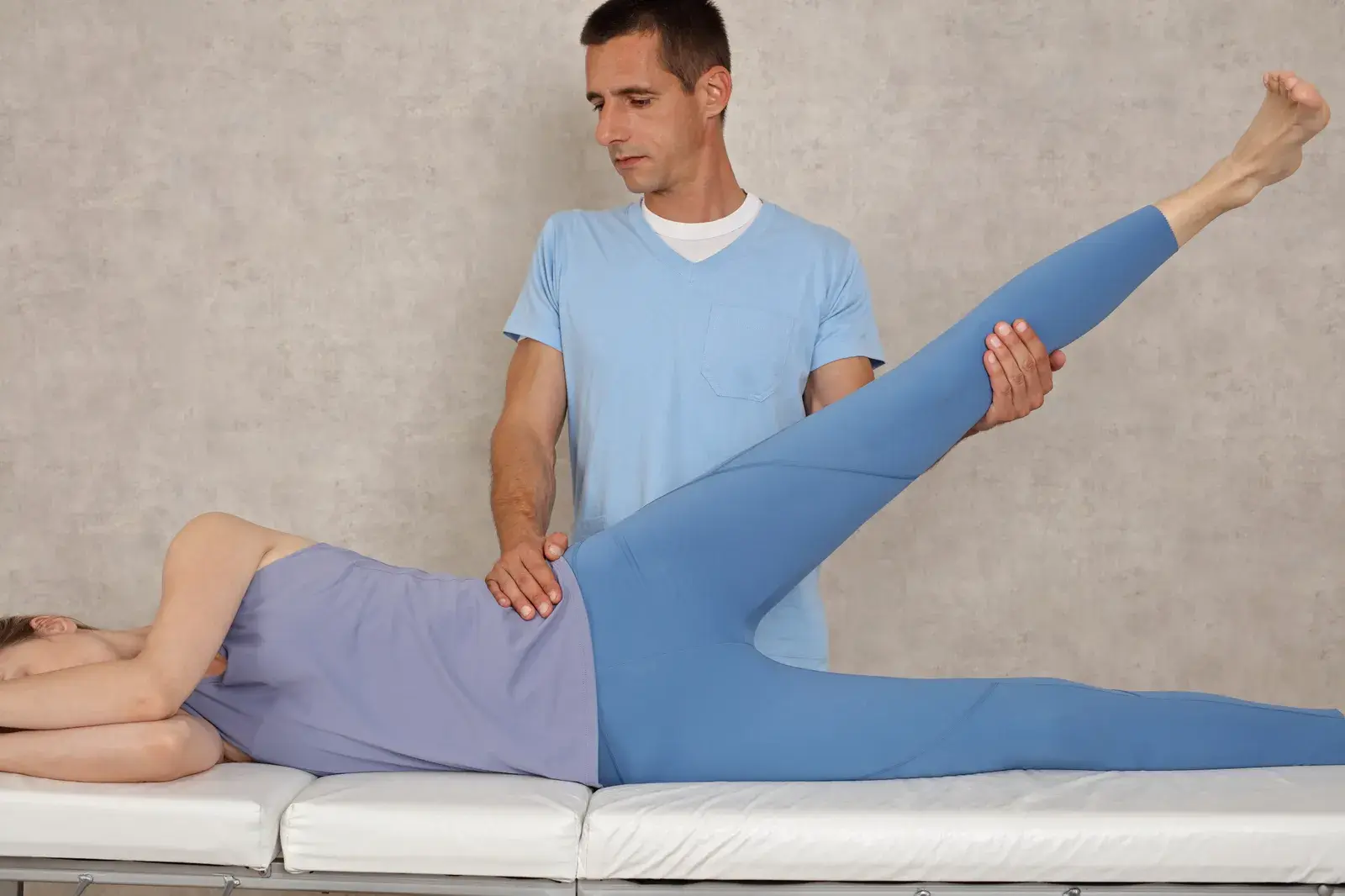
Side-lying leg lifts, clamshells and side planks are common starting points. The clamshell exercise page shows one of them, and your therapist sets the dose.
Google reviews
What guests say about FlexWerk
These are live Google reviews of FlexWerk at Carmel City Center, the private-suite facility where therapists in the network practise.
Related
Conditions that travel together
 Runner’s kneeHip and quadriceps strengthening plus a smarter mileage plan for an ache around the kneecap that flares on stairs, hills and long sits.
 Knee painHelp for runner’s knee, meniscus irritation, tendon pain and arthritis flares, built on progressive strength work.
 Hip bursitisOuter hip pain treated with tendon-friendly habits and progressive gluteal strengthening.
Page reviewed By the Monon Therapy Collective editorial team

Carmel City Center · Carmel, Indiana
Start with a conversation
Tell us what hurts and what you want to get back to. We will tell you honestly whether a therapist in the network is likely a good fit for what you describe, and match you with an independent, licensed therapist who is. Only that therapist can assess what will help.
885 Monon Green Blvd, Suite 120, Carmel, IN 46032 · Monday to Friday 5 AM to 9 PM · Saturday and Sunday 7 AM to 4 PM