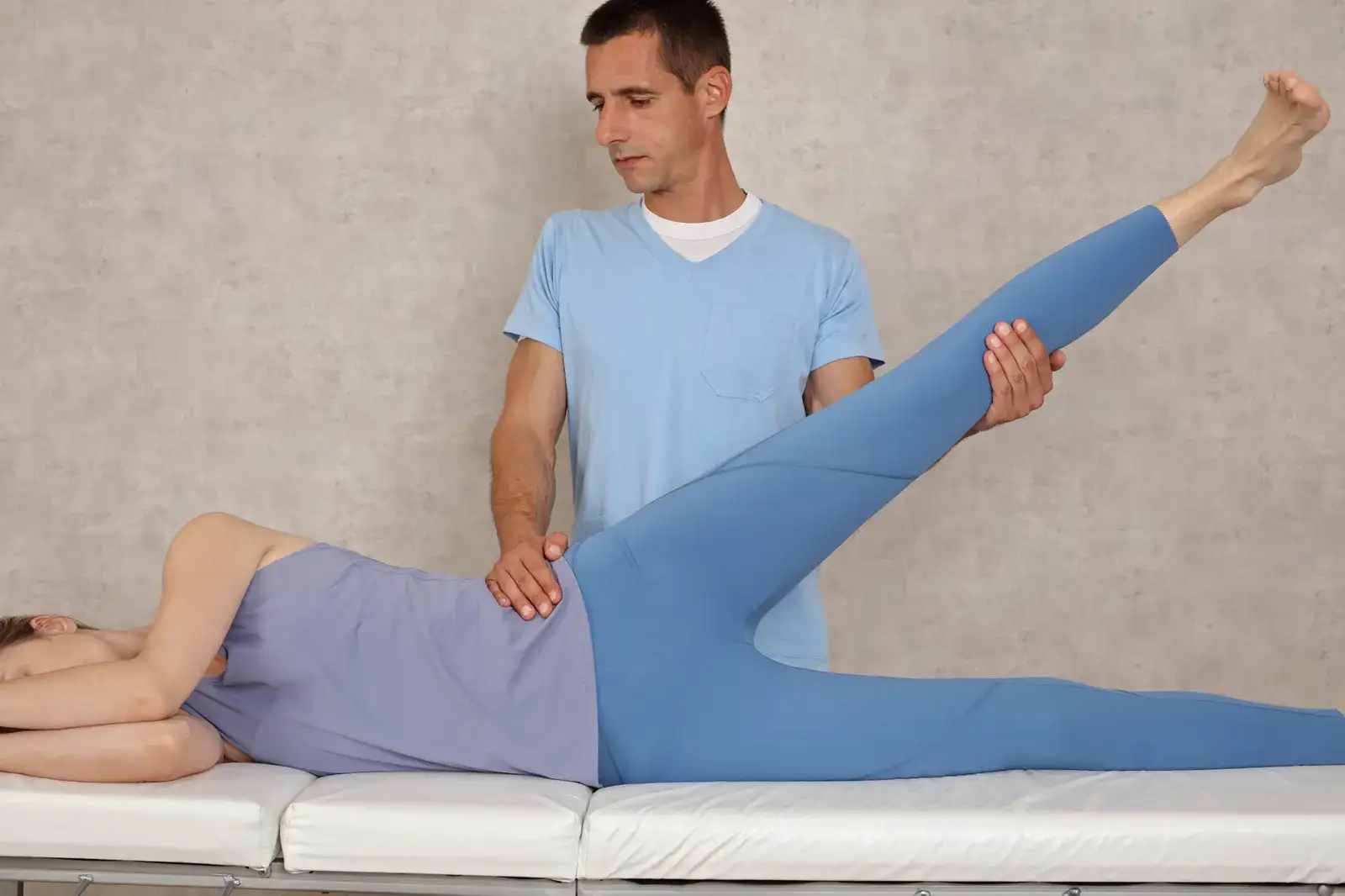
Hip bursitis physical therapy in Carmel, Indiana
What is usually called hip bursitis is pain on the outer side of the hip, and today clinicians more often call it greater trochanteric pain syndrome, because the main source is usually the gluteal tendons rather than the bursa. Physical therapy combines education about positions that compress the tendons, such as crossing your legs or lying on the sore side, with progressive strengthening of the hip muscles. In Carmel, a licensed therapist in the network can tailor that program to your walking, running, stairs and sleep.
At a glance
Common signs of hip bursitis
Also called: Greater trochanteric pain syndrome, Trochanteric bursitis, Gluteal tendinopathy, Lateral hip pain.
Is outer hip pain really bursitis, or the gluteal tendons?
In most people with outer hip pain, the main problem is in the gluteal tendons, which attach the gluteus medius and minimus muscles to the bony point of the hip (the greater trochanter). The bursa, a small fluid sac over that bone, may also be irritated, but it is usually not the whole story. That is why many clinicians now use the broader term greater trochanteric pain syndrome.
This matters because it changes treatment. Tendons respond to the right kind of load and are irritated by compression, when the tendon is squeezed against the bone. Positions that pull the thigh across the body, such as crossing the legs, hanging on one hip while standing, or lying on the opposite side with the top knee dropping down, compress the tendons.
The condition is most common in women and in middle-aged and older adults, including around menopause, and it also affects runners and walkers who suddenly increase hills or distance. Weight gain, hip weakness and low back problems can contribute.
A typical story is a gradual ache that first shows up at night or on the stairs, then starts to bother longer walks. Some people trace it to a new routine, such as a step class, a hilly walking route, a stretch of long days standing at an event, or a change in how they carry a toddler on one hip. Others notice no trigger at all.
What tests separate gluteal tendon pain from hip arthritis or back pain?
A physical therapist presses over the outer hip, then uses tests that load or compress the gluteal tendons: standing on one leg for 30 seconds, pressing the leg out against resistance, and crossing the leg over in lying. Reproducing the familiar outer hip pain points to the tendons.
Hip joint arthritis tends to cause groin pain and loss of rotation; our page on hip osteoarthritis covers it. Pain that travels from the low back can also land on the outer hip, and burning or numbness on the outer thigh suggests a nerve, which is discussed on our page about burning pain in the outer thigh. The therapist will screen these areas.
Imaging is not usually needed at first. An ultrasound or MRI ordered by a physician may show tendon thickening or a tear, and is generally reserved for pain that does not improve or when a significant tear is suspected.
Why does education plus exercise often beat a cortisone shot for outer hip pain?
Because it changes the load on the tendon instead of just quieting pain for a while. In a 2018 randomized trial published in the BMJ, people with gluteal tendinopathy who received education and exercise did better at eight weeks than those given a single corticosteroid injection, and still reported better overall improvement at one year, although pain levels by then were similar.
Education covers posture and positions: standing evenly on both feet, not crossing legs, sleeping with a pillow between the knees, choosing higher chairs, and avoiding long, deep stretches of the outer hip, which compress the tendon.
Exercise begins with isometric holds, such as gently pressing the knee out against a strap while lying on your back, then progresses to bridges, side-lying work in a neutral position, step-ups, single-leg squats and loaded work with a kettlebell or cable. In a private suite your therapist can progress the load steadily over the weeks.
The early isometric holds matter more than they look. Holding a gentle contraction for 30 to 45 seconds may ease tendon pain for a short time afterwards, which makes it easier to tolerate the rest of the session and the walk home. As symptoms calm, the program shifts toward slower, heavier work that actually builds tendon capacity, and the holds become a warm-up or a tool for flare days.
- Isometric hip abduction holds in comfortable positions
- Bridges and wall-supported side work
- Step-ups and step-downs with level pelvis
- Sit-to-stand from progressively lower chairs
- Single-leg deadlifts and loaded carries
How long does lateral hip pain take to settle with rehab?
Many people improve noticeably over 8 to 12 weeks of consistent exercise and habit changes, though some long-standing cases take several months. Sleep is often the first thing to improve once compressive positions are reduced.
Progress depends on how long the pain has been present, your general health and activity levels, and how consistently you follow the plan. Flare-ups are common, especially after unusually long walks or stair days, and usually settle within a few days. Our answer on how long hip bursitis takes to heal goes into more detail.
If pain is not improving after a fair trial, a physician may consider imaging to look for a significant tendon tear, which is occasionally repaired surgically.
How should I sleep and stand with a sore outer hip?
If you sleep on your side, put a pillow between your knees so the top leg does not drop across your body. If you sleep on your sore side, a soft mattress topper can reduce pressure. When standing, keep your weight evenly on both feet rather than hanging on one hip, and avoid crossing your legs when sitting.
Walking is usually fine, but long downhill stretches and stairs may need to be reduced for a while. On the Monon Trail, flat routes and shorter walks are often more comfortable than hilly park loops. Runners may need to trim mileage and avoid running on a cambered road.
If outer hip pain is waking you or limiting walks, the hip questionnaire takes about two minutes, and the matching team will call or text to discuss a therapist whose focus fits. Our page on hip pain when sleeping on your side has more tips for nights.
When to see a physician or go to the ER first
Physical therapy is the right start for most hip bursitis. These symptoms are different and need medical attention before, or instead of, a physical therapy visit:
- Hip pain after a fall with difficulty bearing weight (possible fracture)
- A hot, red, swollen hip with fever
- Severe night pain unrelated to lying on the hip, or unexplained weight loss
- Numbness or weakness in the leg, or changes in bladder or bowel control
- Groin pain with a limp in someone using long-term steroids (possible bone problem)
If you think it is an emergency, call 911.
Two-minute assessment
Get your hip bursitis looked at
Tell us how your hip bursitis started, how long it has been going on and what it is stopping you from doing. The matching team proposes a therapist in the network who focuses on it, and you hear back, usually within one business day.
- No referral needed to start in Indiana (first 42 days)
- We check which therapists work with your plan before you book
- One-on-one care in a private suite at Carmel City Center
How therapists treat it
Kinds of care used for hip bursitis
- Orthopedic physical therapyExercise-led care for back, neck, shoulder, hip, knee and ankle problems, delivered one-on-one in a private suite.
- Running injury physical therapyFor Monon Trail regulars and race trainees: load management, strength and gait observation that keep you running while you heal.
- Post-rehab strength trainingThe bridge from discharge to lasting strength: a written handoff from your therapist to a FlexWerk coach in the same building.
Questions
Hip bursitis: what people ask
Information on this website is general education, not medical advice, a diagnosis or a treatment plan. Only a licensed clinician who examines you can advise on your condition. If you may be having a medical emergency, call 911.
Something we did not cover? Ask the matching team or ring (888) 353-9975.
Should I stretch my IT band for hip bursitis?
Strong stretches that pull the leg across the body usually compress the gluteal tendons and can make things worse. Strengthening tends to help more.
Does a cortisone injection help hip bursitis?
Injections can ease pain in the short term, but pain often returns. Education and exercise tend to give longer-lasting results, and the two can be combined.
Is walking good for hip bursitis?
Generally yes, at a comfortable distance on flat ground. Steep hills, stairs and long walks may need to be reduced for a while.
Why is hip bursitis worse at night?
Lying on the sore side squeezes the tendons against the bone, and lying on the other side lets the top leg drop across the body, which compresses them too.
Do I need a referral for outer hip pain in Indiana?
Not to start. Indiana direct access allows up to 42 calendar days with a physical therapist without a referral, though some insurance plans require one; see cost and insurance.
Can I keep running with outer hip pain?
Many runners can, with shorter, flatter runs, a slightly quicker cadence and no running on sloped road edges while strength work builds. Pain that lingers into the next day means the volume needs trimming.
Can menopause affect outer hip pain?
Lateral hip pain is especially common around menopause, and hormonal changes may affect tendons. The same education and loading approach applies.
Google reviews
What guests say about FlexWerk
These are live Google reviews of FlexWerk at Carmel City Center, the private-suite facility where therapists in the network practise.
Related
Conditions that travel together
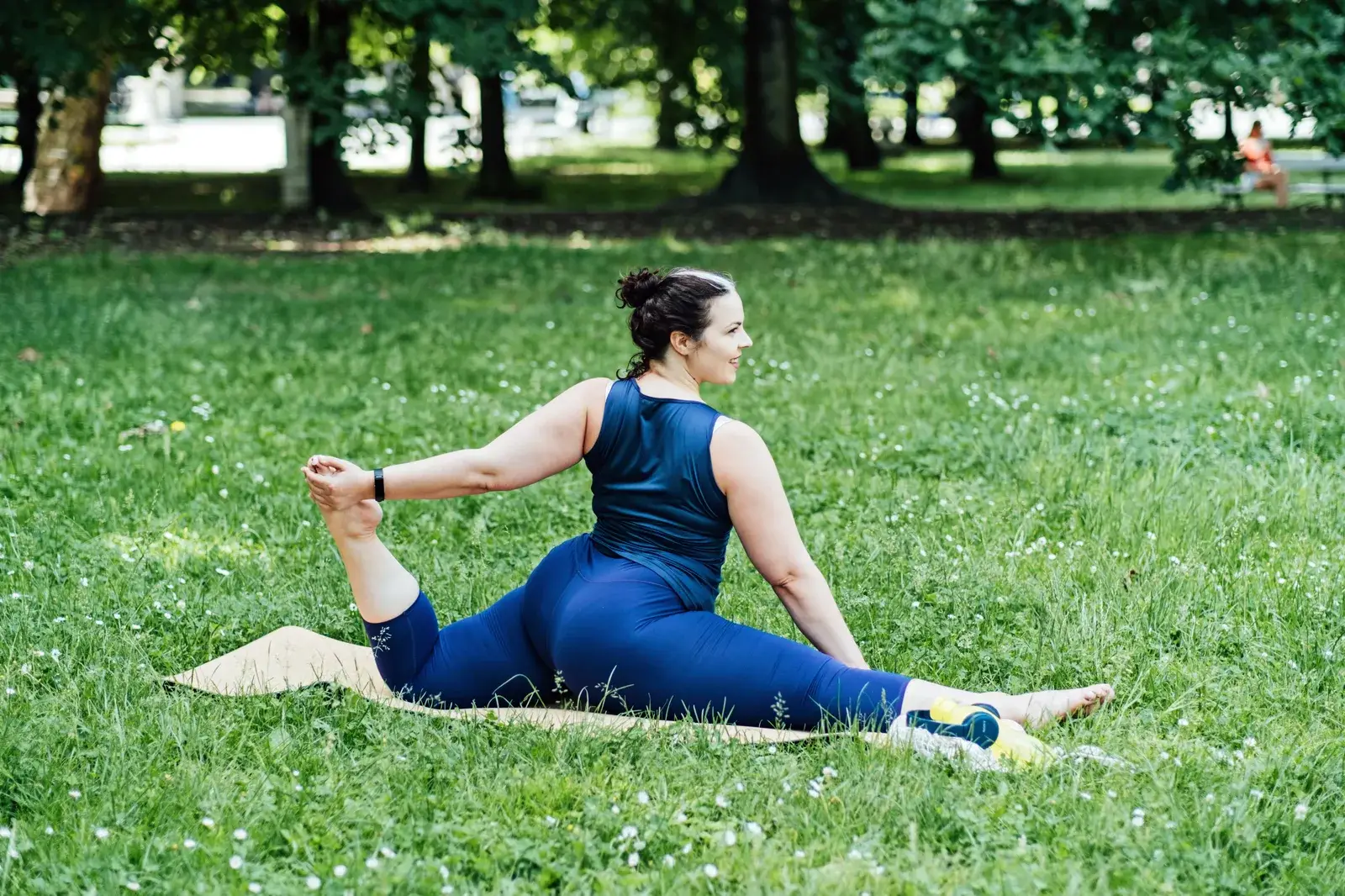 Hip painCare for outer hip pain often called bursitis, hip impingement, hip osteoarthritis and hip flexor strains.
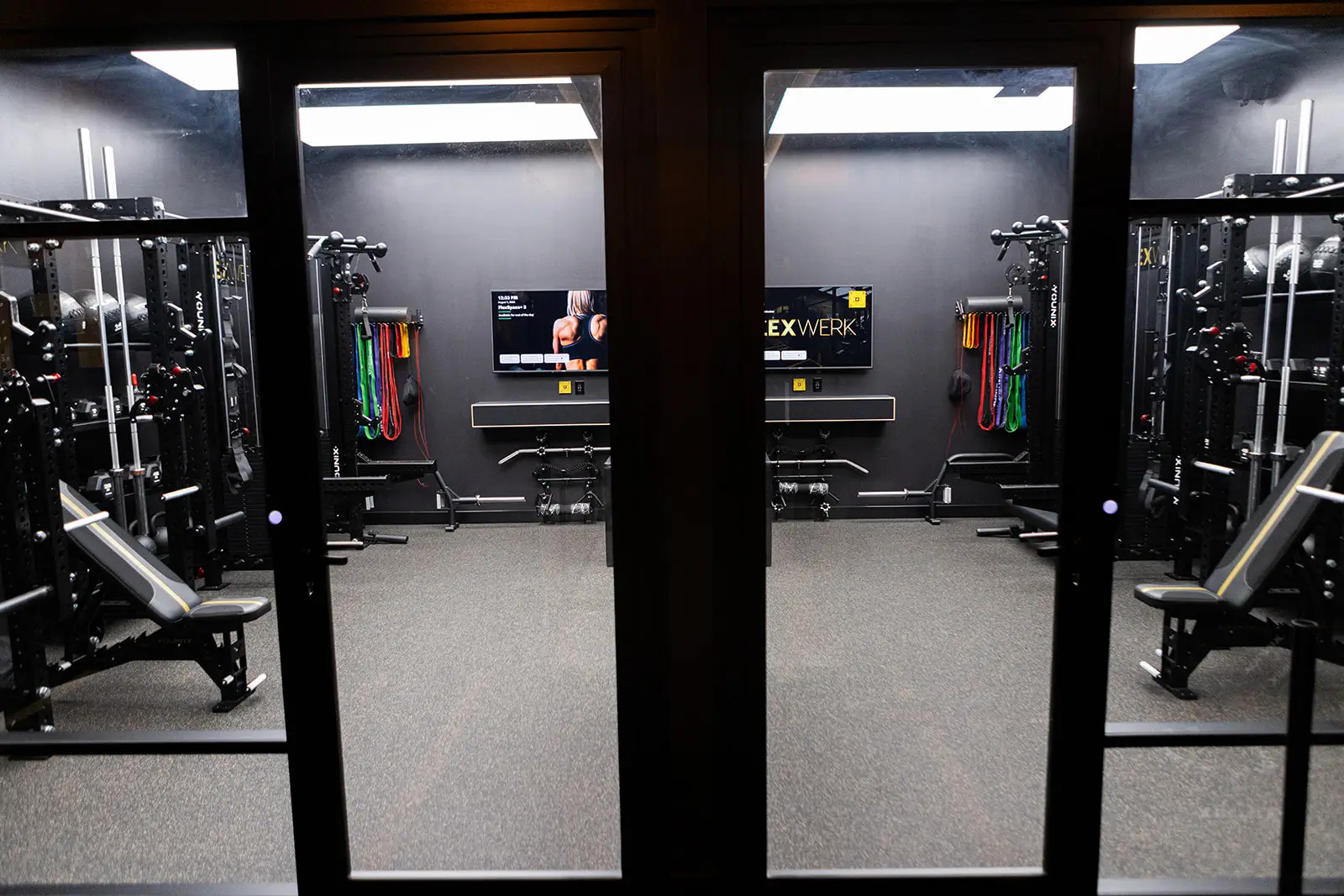 Hip osteoarthritisStrength, mobility and pacing for an arthritic hip, aimed at easier walking, stairs and dressing, with honest guidance on when to see a surgeon.
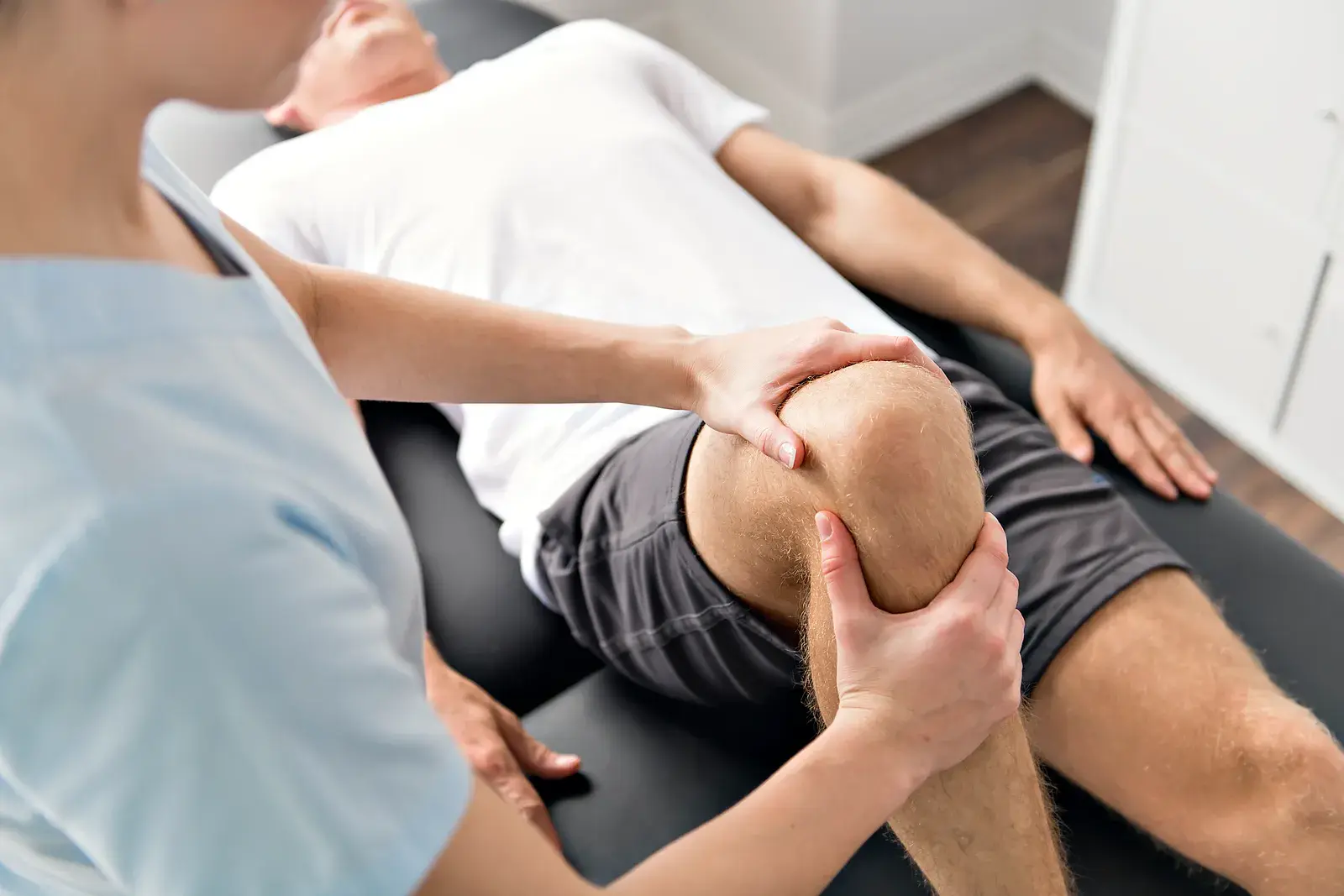 IT band syndromeHip strength, load management and running or cycling adjustments for sharp pain on the outside of the knee that starts at the same point every run.
Page reviewed By the Monon Therapy Collective editorial team

Carmel City Center · Carmel, Indiana
Start with a conversation
Tell us what hurts and what you want to get back to. We will tell you honestly whether a therapist in the network is likely a good fit for what you describe, and match you with an independent, licensed therapist who is. Only that therapist can assess what will help.
885 Monon Green Blvd, Suite 120, Carmel, IN 46032 · Monday to Friday 5 AM to 9 PM · Saturday and Sunday 7 AM to 4 PM