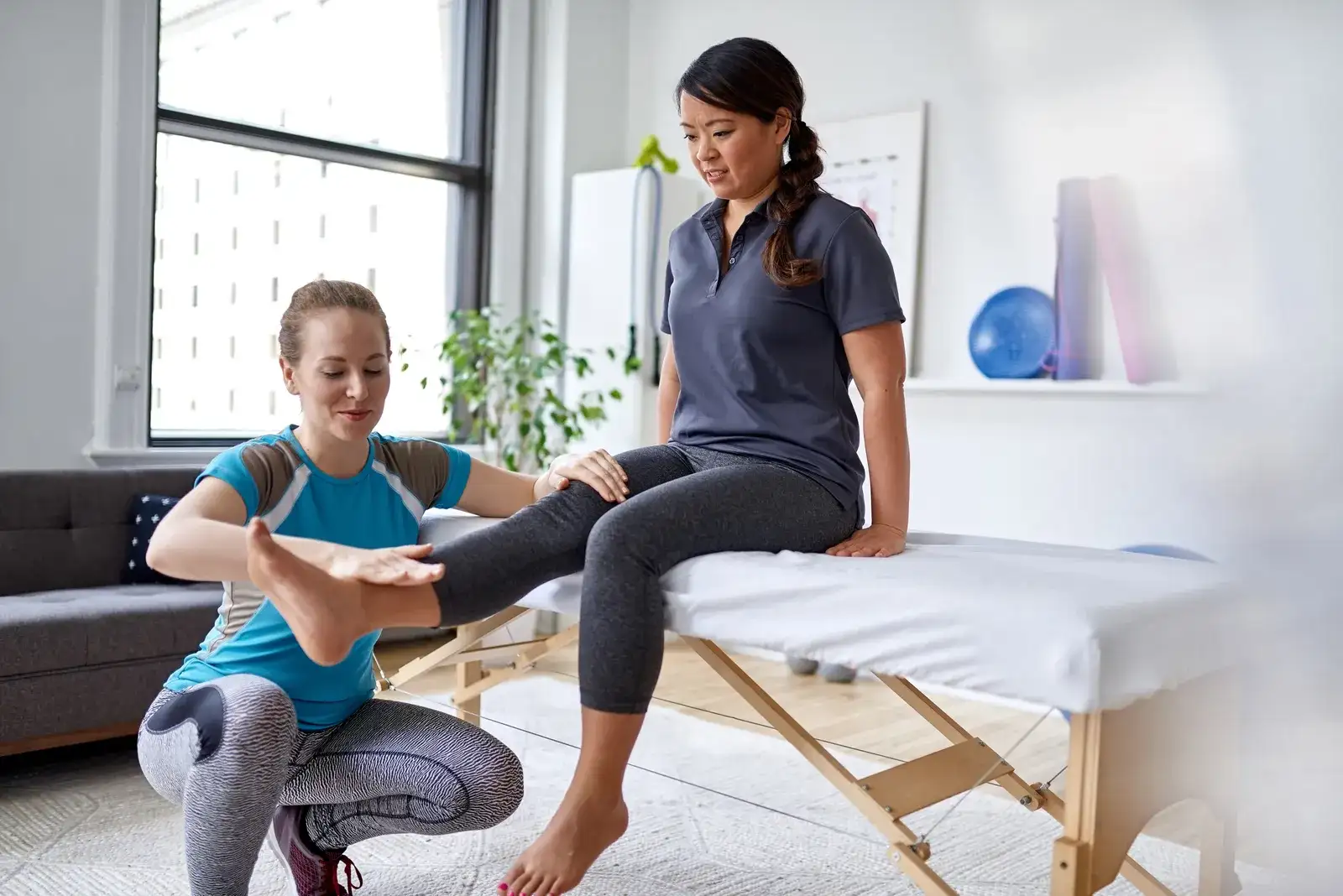
Hamstring strain physical therapy in Carmel, Indiana
A pulled hamstring usually heals without surgery, but it re-injures easily when people return to sprinting before the muscle has rebuilt its strength at long lengths. Physical therapy in Carmel focuses on exactly that: early pain-guided loading, progressive eccentric strength such as the Nordic curl, and a staged return to running speed. Sessions are one-on-one with a licensed physical therapist in the network.
At a glance
Common signs of hamstring strain
Also called: Pulled hamstring, Hamstring tear, Hamstring muscle injury, Biceps femoris strain.
Why do hamstrings tear at top speed?
Hamstrings most often tear in the late swing phase of sprinting, the split second when the leg swings forward and the muscle is both lengthening and working hard to slow the shin down. That combination of stretch and force is where the muscle is most vulnerable. The long head of the biceps femoris, on the outer back of the thigh, is the usual site.
A second type happens with slow over-stretching, such as a high kick, a deep split, or a waterskiing fall. These stretch-type injuries often sit higher, near the sitting bone, and can take longer to recover even though the initial pain feels less dramatic.
Known risk factors include a previous hamstring injury, older age among athletes, fatigue late in a game or race, and low eccentric hamstring strength. Spring speedwork for the Carmel Marathon and the Indy Mini, flag football, and soccer at Grand Park are all common settings. A tendon pulled entirely off the bone is a different injury that needs a surgeon’s opinion.
How does a physical therapist tell a minor pull from a serious tear?
A physical therapist estimates severity from how the injury happened, where the tender spot is, how much straight-leg raise you have lost, and how strong the muscle is against resistance. As a rough guide, the more motion and strength you have lost in the first few days, the longer recovery tends to take. A pop followed by a large bruise and a palpable gap near the sitting bone raises concern for a tendon avulsion.
Testing usually includes a passive straight-leg raise on both sides, resisted knee bending at a few angles, a bridge on one leg, palpation along the muscle, and a check of the lower back and sciatic nerve, since back-related pain can mimic a strain. If the high hamstring tendon is the real issue, the plan is quite different.
Imaging is not routine for a simple strain. It becomes worthwhile when an avulsion is suspected, because a tendon pulled off the bone is a surgical question that deserves a prompt answer, and AAOS notes that rehabilitation after a proximal hamstring repair typically takes at least 6 months.
Which exercises rebuild a pulled hamstring, and when do Nordic curls start?
Rehab moves through isometrics, then heavier strengthening, then eccentric work at longer muscle lengths, and finally speed. Early on that may be gentle holds with the heel pressing into a box, short bridges and walking. As pain allows, it progresses to Romanian deadlifts, single-leg bridges, sliding leg curls and hip-dominant work in the suite’s rack.
The Nordic hamstring curl is one of the most researched injury-prevention exercises in sport, but it is a mid-to-late stage tool, not a day-three exercise. Most therapists add it once you can tolerate resisted knee bending without pain and progress the range gradually, because the first few sessions cause marked soreness.
Running starts earlier than many expect, at easy pace, and builds through tempo and strides toward full sprints. Trunk and hip control drills are added alongside, since how the pelvis moves affects how far the hamstring is stretched in each stride.
Hands-on soft tissue work and gentle nerve mobility may be used to ease a guarded, cramping muscle in the first couple of weeks, but they support the loading program rather than replace it. Kinesiology tape and massage guns feel pleasant for some people; neither one rebuilds the strength the muscle lost, so the session time goes mostly to exercise.
- Pain-free isometric holds and walking with a normal stride
- Bridges, hinge patterns and sliding leg curls
- Eccentric work such as Romanian deadlifts and Nordic curls
- Progressive running: easy, then tempo, then strides
- Acceleration, top-speed and change-of-direction drills
How many weeks does a hamstring strain take to heal?
Mild strains often allow a return to sport within about 10 days to 3 weeks, moderate strains commonly take several weeks, and severe tears or injuries involving the tendon can take months; AAOS gives up to 6 months for a severe thigh muscle strain. Stretch-type injuries near the sitting bone often run longer than their early symptoms suggest. These are typical ranges, not promises, and the hamstring healing time answer explains what shifts them.
The real target is not the calendar but meeting criteria: full straight-leg raise matching the other side, strength close to symmetrical, and repeated sprints at full effort without apprehension. Rushing past those checks is the main reason hamstrings re-tear, often within the first weeks back.
A rough outline of how a moderate strain often unfolds is below. Your own progression depends on how the muscle responds from week to week, and your therapist will slow things down or speed them up based on what they measure rather than on the date.
- First week: walking normally, gentle isometric holds, pain settling at rest.
- Weeks 2 to 3: bridges, hinges and leg curls with moderate load; easy jogging if walking is comfortable.
- Weeks 3 to 6: heavier eccentric work, tempo runs and strides building toward faster efforts.
- Final stage: repeated sprints, sport drills and side-to-side strength checks before full training.
What should I do today after pulling a hamstring mid-run?
Stop sprinting, keep walking as normally as you can, and avoid stretching the muscle hard for the first few days. Aggressive stretching early can irritate the healing tissue. Gentle activity, comfortable walking and light isometric contractions are generally fine, and ice can ease pain.
Book an examination if you heard a pop, have a large bruise, struggle to walk, or feel a gap near the sitting bone, because those signs need a physician’s look. For everything else, Indiana’s direct access rule means a therapist can see you without a referral. The knee and thigh questionnaire takes two minutes, and the matching team follows up to propose a therapist in the network; the suites open at 5 AM on weekdays, and each therapist sets their own schedule inside those hours.
Runners might also look at the running injury physical therapy page, which explains how training load is managed while you recover. Team-sport players usually keep attending practice in a modified role, which keeps them connected and lets the therapist plan a staged return around the team calendar.
When to see a physician or go to the ER first
Physical therapy is the right start for most hamstring strain. These symptoms are different and need medical attention before, or instead of, a physical therapy visit:
- A loud pop near the sitting bone with a visible gap or large bruise
- Inability to walk without a severe limp
- Numbness or tingling running down the leg into the foot
- Back pain together with leg weakness or bladder or bowel changes
- Calf swelling, warmth and tenderness after the injury
If you think it is an emergency, call 911.
Two-minute assessment
Get your hamstring strain looked at
Tell us how your hamstring strain started, how long it has been going on and what it is stopping you from doing. The matching team proposes a therapist in the network who focuses on it, and you hear back, usually within one business day.
- No referral needed to start in Indiana (first 42 days)
- We check which therapists work with your plan before you book
- One-on-one care in a private suite at Carmel City Center
How therapists treat it
Kinds of care used for hamstring strain
- Sports physical therapyRehab for active adults that goes past pain relief to the strength, power and movement your sport actually demands.
- Running injury physical therapyFor Monon Trail regulars and race trainees: load management, strength and gait observation that keep you running while you heal.
- Return-to-sport testingCriteria-based testing of strength, hopping, movement and confidence, so your return to sport rests on evidence, not the calendar.
Questions
Hamstring strain: what people ask
Information on this website is general education, not medical advice, a diagnosis or a treatment plan. Only a licensed clinician who examines you can advise on your condition. If you may be having a medical emergency, call 911.
Something we did not cover? Ask the matching team or ring (888) 353-9975.
Should I stretch a pulled hamstring?
Not aggressively in the first several days. Gentle movement is fine, but hard stretching early can aggravate the tear; flexibility usually returns as strength work progresses. Your therapist will add stretching later if your straight-leg raise stays short once the muscle is strong.
Why does my hamstring keep re-tearing?
Re-injury is common when people return to sprinting before eccentric strength and full range are restored. A structured late-stage program and objective testing before return help reduce that risk.
Is a hamstring strain the same as sciatica?
No, though they can feel similar. Sciatica comes from an irritated nerve and often brings tingling or pain below the knee, while a strain is a muscle injury with a tender spot; a therapist can tell them apart.
Can I still lift weights with a hamstring strain?
Usually yes, with the injured leg loaded at a level it tolerates. Upper body and the other leg can be trained normally, and that keeps fitness up while the hamstring heals. Skip heavy deadlifts and sprint work until your therapist clears them, since those are the movements that load the injured tissue hardest.
Do Nordic curls prevent hamstring injuries?
A large pooled analysis found that programs including the Nordic curl reduced hamstring injuries in team sports when done consistently, though not every later analysis agrees on the size of the effect. They are hard on the muscle at first, so they are introduced gradually, often with a partial range or band assistance, and kept in the program after you return to play.
Google reviews
What guests say about FlexWerk
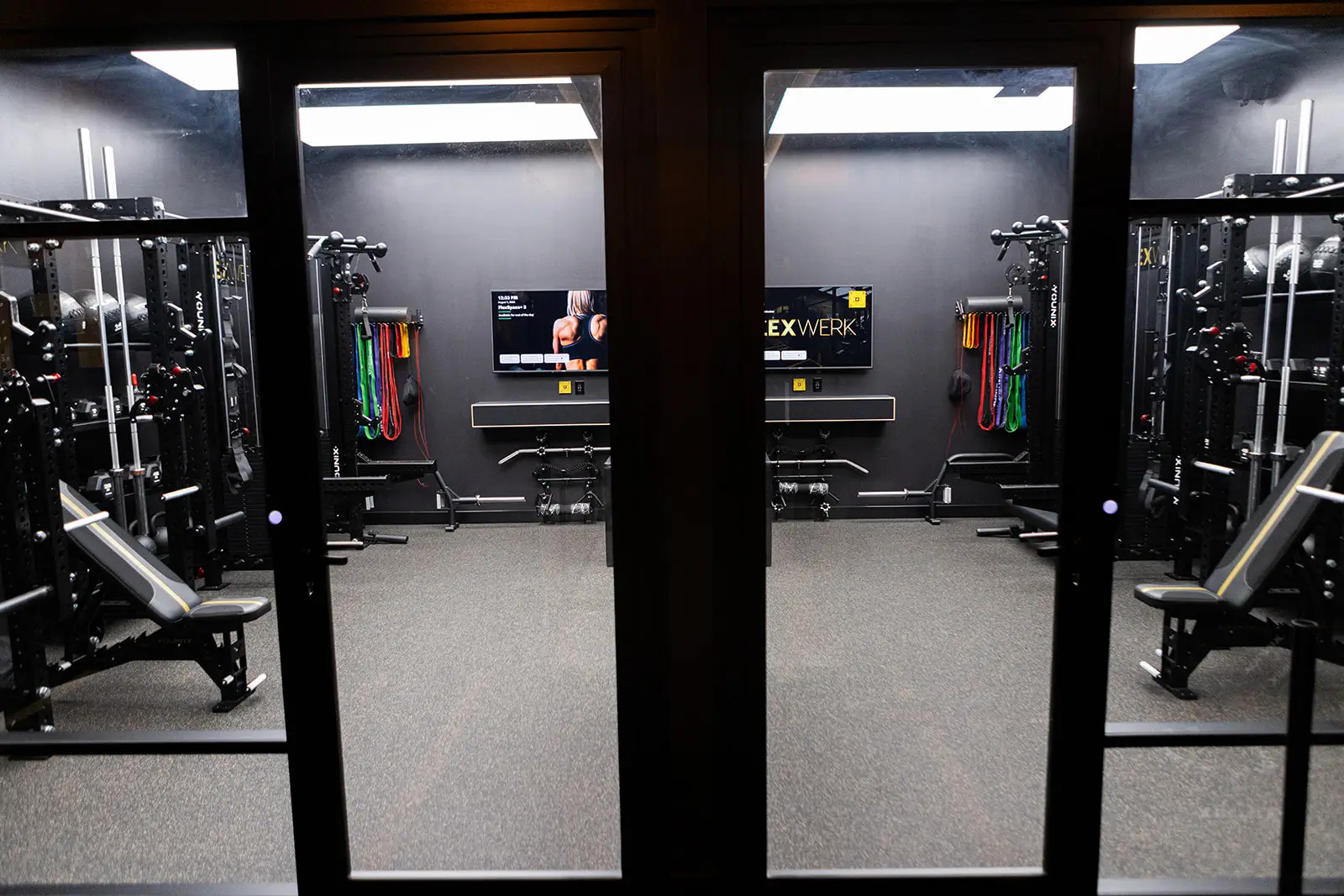
These are live Google reviews of FlexWerk at Carmel City Center, the private-suite facility where therapists in the network practise.
Related
Conditions that travel together
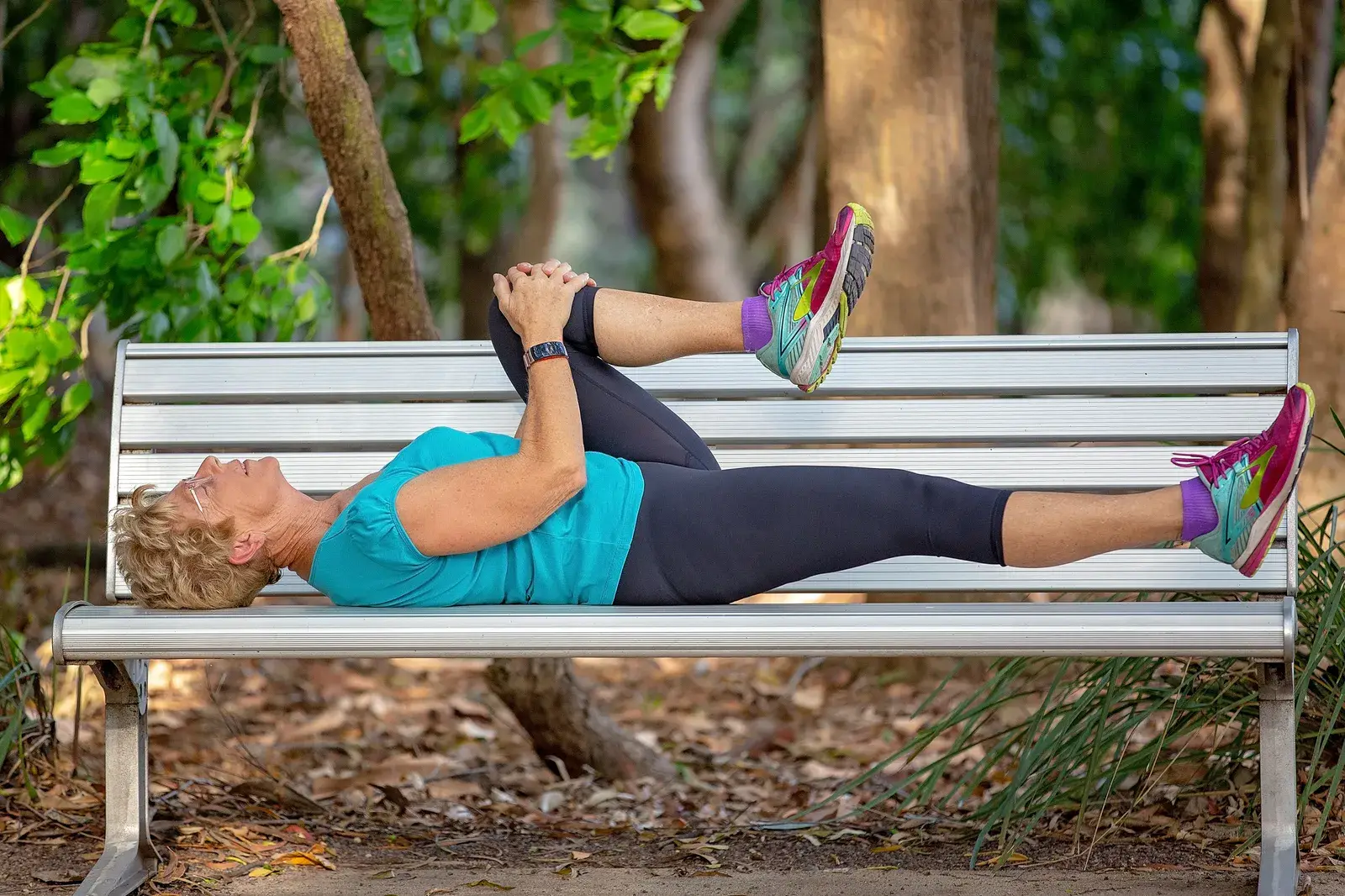 High hamstring tendinopathyStaged tendon loading for a deep ache at the sit bone that flares with sitting, hills and long strides.
 Quad strainFront-of-thigh strains from kicking and sprinting, rebuilt in stages from isometrics to full-power kicks.
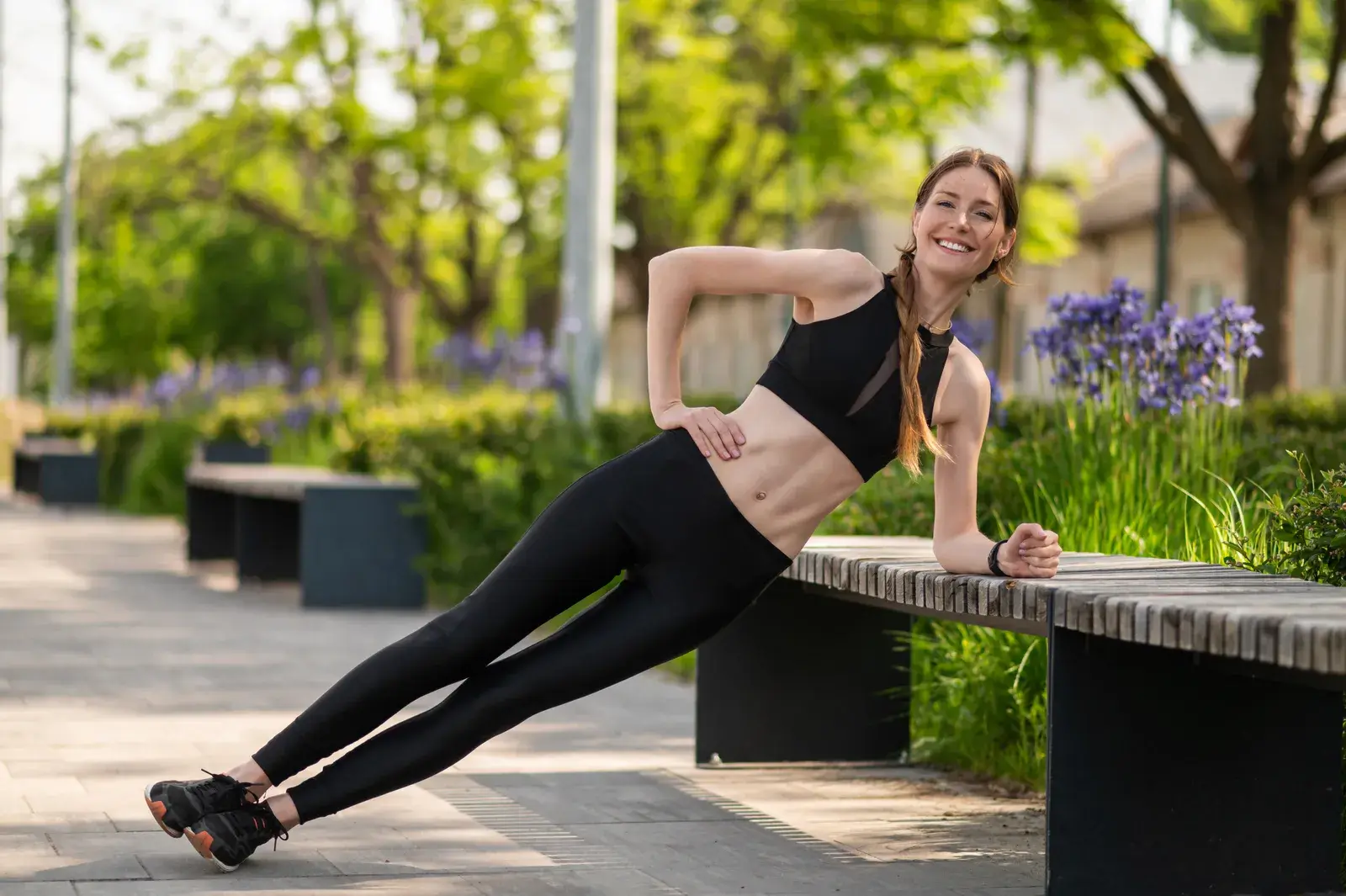 Groin strainAdductor strengthening and cutting progressions for a pulled groin, with squeeze testing to judge when you are ready to play again.
Page reviewed By the Monon Therapy Collective editorial team

Carmel City Center · Carmel, Indiana
Start with a conversation
Tell us what hurts and what you want to get back to. We will tell you honestly whether a therapist in the network is likely a good fit for what you describe, and match you with an independent, licensed therapist who is. Only that therapist can assess what will help.
885 Monon Green Blvd, Suite 120, Carmel, IN 46032 · Monday to Friday 5 AM to 9 PM · Saturday and Sunday 7 AM to 4 PM