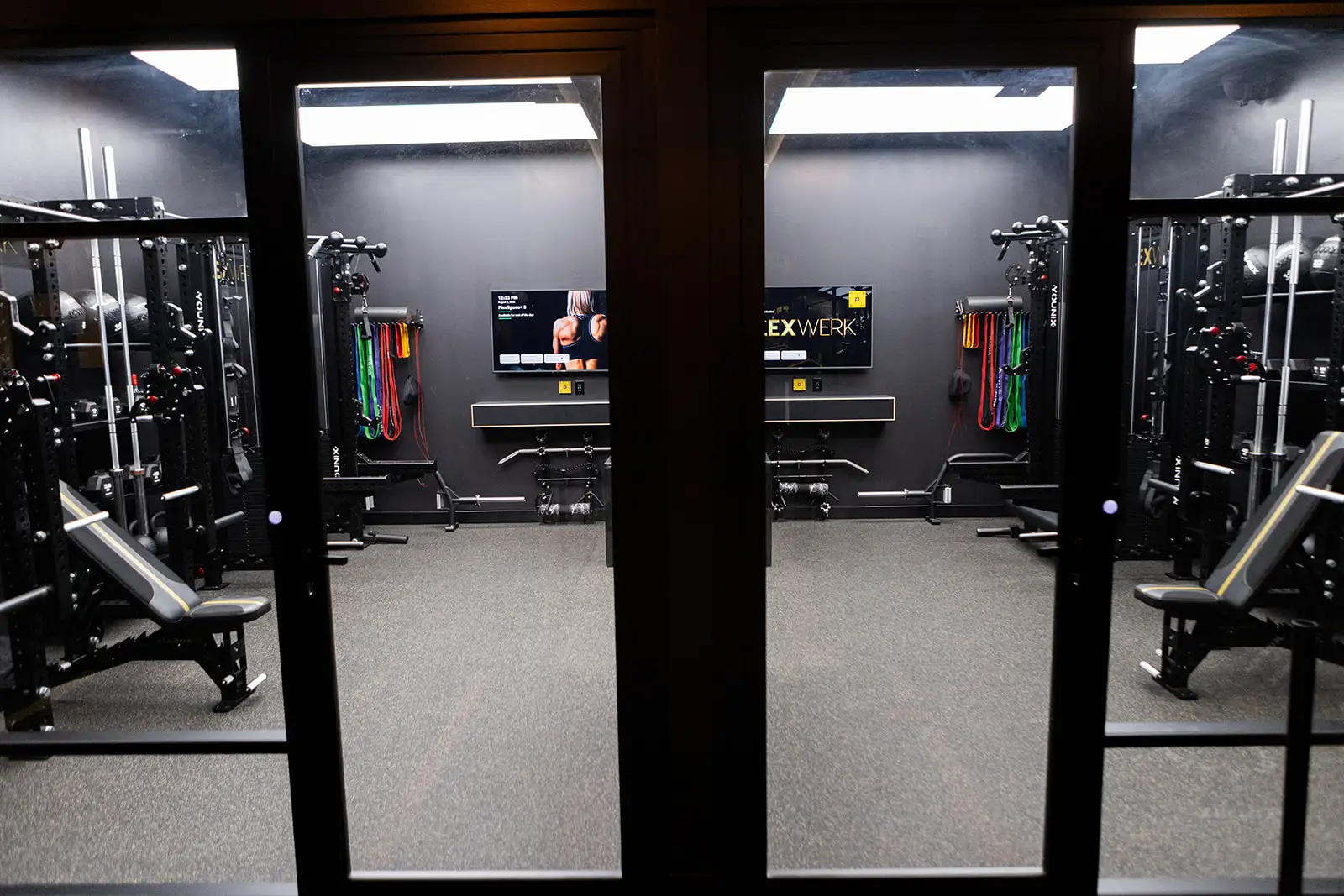
Quad strain physical therapy in Carmel, Indiana
A quad strain is a tear in one of the four quadriceps muscles on the front of the thigh, most often the rectus femoris, which is injured by kicking, sprinting and sudden acceleration. Most heal without surgery, and physical therapy rebuilds strength, length and power in stages so you can kick and sprint again with less risk of re-injury. In Carmel, a licensed physical therapist in the network guides that progression one-on-one.
At a glance
Common signs of quad strain
Also called: Pulled quad, Quadriceps strain, Rectus femoris strain, Thigh muscle tear.
Why is the rectus femoris the quad muscle that usually tears?
The rectus femoris is the only quadriceps muscle that crosses both the hip and the knee. During a kick or the swing phase of a sprint it is stretched at the hip while contracting hard to straighten the knee, which puts it under more strain than the other three. Soccer players, football kickers, sprinters, and adults returning to rec-league soccer or kickball are the people who most often injure it.
Most strains happen at the junction where muscle fibers meet the tendon, often in the middle or upper thigh. A less common and more serious injury involves the central tendon within the muscle, which tends to need more time. A tear at the very top near the hip bone, sometimes in teenagers whose growth plates are still open, can pull off a fragment of bone and needs a physician.
A quad strain is different from a thigh bruise, sometimes called a charley horse or contusion, which comes from a direct blow such as a knee to the thigh. A bruise is managed differently early on, particularly because a deep bruise needs protection from aggressive stretching to reduce the risk of bone forming in the muscle.
How does a physical therapist grade a pulled quad?
Grading combines how the injury happened, where the tenderness sits, how far you can bend the knee while lying face down, and how strong the muscle is against resistance with the hip in different positions. Losing a lot of knee bend in the face-down position and having marked pain on resisted hip flexion both suggest a larger injury and a longer recovery.
The therapist will also test hip flexor strength, check for hernia or groin involvement, and look at the hip joint itself, since front-of-hip pain has several possible sources. If the hip flexor strain page or the groin strain page describes your symptoms better, that changes the plan.
Your therapist will also ask about any previous thigh injuries, because a second strain in the same muscle often takes longer to recover than the first. Imaging is not needed for most strains. A physician may order an ultrasound or MRI for elite athletes, for a suspected tendon injury, or when a palpable gap or large swelling suggests a significant tear.
How do you rebuild a quad strain from isometrics to kicking?
Rehab runs in stages, each with a clear entry point. It starts with pain-free isometrics, holding the quad tight against resistance without movement, plus walking and gentle knee bending. Once those are comfortable, slow strength work begins: leg extensions, split squats, step-ups and leg presses, gradually loading the muscle through more range.
The rectus femoris needs specific attention because it crosses the hip. Exercises that load it in a lengthened position, such as reverse Nordics, controlled split squats with an upright trunk, and the Spanish squat, are introduced in the middle stage. Hip flexor strength, often trained with resisted knee drives, is restored alongside.
Power and sport come last. Running builds through easy pace and strides to sprints, and kicking returns as a separate progression: short passes, then longer passes, then shooting and long kicks, increasing distance and effort over several sessions. Soccer players often find kicking returns later than running, so plan for that.
Your therapist will also look at why the thigh was vulnerable. A sudden jump in kicking volume at the start of a season, fatigue late in a match, a short warm-up on a cold evening, and weak or stiff hip flexors are common contributors. Fixing those reduces the chance that the same muscle gives way next spring.
- Isometric quad holds and normal walking
- Leg extensions, split squats and leg press through increasing range
- Lengthened-position loading such as reverse Nordics
- Running progression from easy pace to sprints
- Kicking progression from short passes to full-power shots
How long before I can kick or sprint after a quad strain?
Mild quad strains often allow a return to sport within about 10 days to 3 weeks, moderate strains commonly take several weeks, and injuries involving the central tendon or a large tear can take months; AAOS gives up to 6 months for a severe thigh strain. Kicking athletes tend to return at the later end. These ranges are typical, not promised, and depend on the size and site of the injury.
Criteria matter more than dates. Before full play, therapists usually look for knee bend in the face-down position matching the other side, close-to-equal strength, pain-free sprinting, and full-effort kicks without hesitation. Return to sport testing adds objective numbers to that decision.
- First week: walking normally, isometrics, gentle range, ice for comfort.
- Weeks 1 to 3: progressive strength, cycling, easy jogging once walking is pain-free.
- Weeks 3 to 6: lengthened loading, strides and sprints, early passing for soccer players.
- Later stages: full-speed sprints, long kicks and full training before match play.
What should I avoid in the first days after a pulled thigh muscle?
Avoid sprinting, kicking, hard stretching and deep massage over the injured spot for the first several days. Those all pull on or press into healing tissue. Walking, gentle knee bending within comfort and upper-body or other-leg training are fine, and compression with a thigh sleeve can ease swelling.
Light compression and elevation for short periods on the first day can make the thigh feel better. If you took a direct blow to the thigh instead, keep the knee in a comfortably bent position during the first day and avoid heat and massage, which may increase bleeding in the muscle. Increasing pain and a very tight, swollen thigh after a blow needs urgent medical care.
For a strain that is not settling in a few days, or if you play a kicking sport and want a structured plan, start the two-minute assessment. The matching team proposes a therapist in the network, and the soccer players page explains how rehab fits around a season.
When to see a physician or go to the ER first
Physical therapy is the right start for most quad strain. These symptoms are different and need medical attention before, or instead of, a physical therapy visit:
- A severe, tense, swollen thigh after a direct blow, with pain that keeps increasing
- Numbness or tingling below the injury
- A visible gap or bulge in the front of the thigh
- Pain at the front of the hip bone in a teenager after a kick, which can be a bone avulsion
- Inability to straighten the knee or lift the leg
- Calf swelling, warmth and tenderness
If you think it is an emergency, call 911.
Two-minute assessment
Get your quad strain looked at
Tell us how your quad strain started, how long it has been going on and what it is stopping you from doing. The matching team proposes a therapist in the network who focuses on it, and you hear back, usually within one business day.
- No referral needed to start in Indiana (first 42 days)
- We check which therapists work with your plan before you book
- One-on-one care in a private suite at Carmel City Center
How therapists treat it
Kinds of care used for quad strain
- Sports physical therapyRehab for active adults that goes past pain relief to the strength, power and movement your sport actually demands.
- Return-to-sport testingCriteria-based testing of strength, hopping, movement and confidence, so your return to sport rests on evidence, not the calendar.
- Orthopedic physical therapyExercise-led care for back, neck, shoulder, hip, knee and ankle problems, delivered one-on-one in a private suite.
Questions
Quad strain: what people ask
Information on this website is general education, not medical advice, a diagnosis or a treatment plan. Only a licensed clinician who examines you can advise on your condition. If you may be having a medical emergency, call 911.
Something we did not cover? Ask the matching team or ring (888) 353-9975.
Should I stretch a pulled quad?
Hold off on hard stretching for the first several days. Gentle movement is fine, and range usually returns as strength work progresses.
Is a quad strain the same as a charley horse?
Not quite. A charley horse usually means a thigh bruise from a direct blow or a cramp, while a strain is a tear from stretching or contracting the muscle forcefully.
Can I cycle with a quad strain?
Easy stationary cycling is often comfortable early on and keeps fitness up. Hard intervals and standing climbs are added later.
Do I need an MRI for a pulled quad?
Most people do not. Imaging is reserved for suspected tendon injuries, large tears or cases that do not progress, and the MRI before physical therapy answer explains when it helps.
Can I keep playing adult rec soccer with a mild quad strain?
Usually not until you can sprint and strike the ball at full effort without pain. Playing through it often turns a mild strain into a larger one that takes weeks longer.
Why does my quad strain hurt more when I lift my knee?
The rectus femoris also helps lift the thigh at the hip, so hip flexion loads the injured muscle. That is why hip flexor strength is part of rehab.
Google reviews
What guests say about FlexWerk
These are live Google reviews of FlexWerk at Carmel City Center, the private-suite facility where therapists in the network practise.
Related
Conditions that travel together
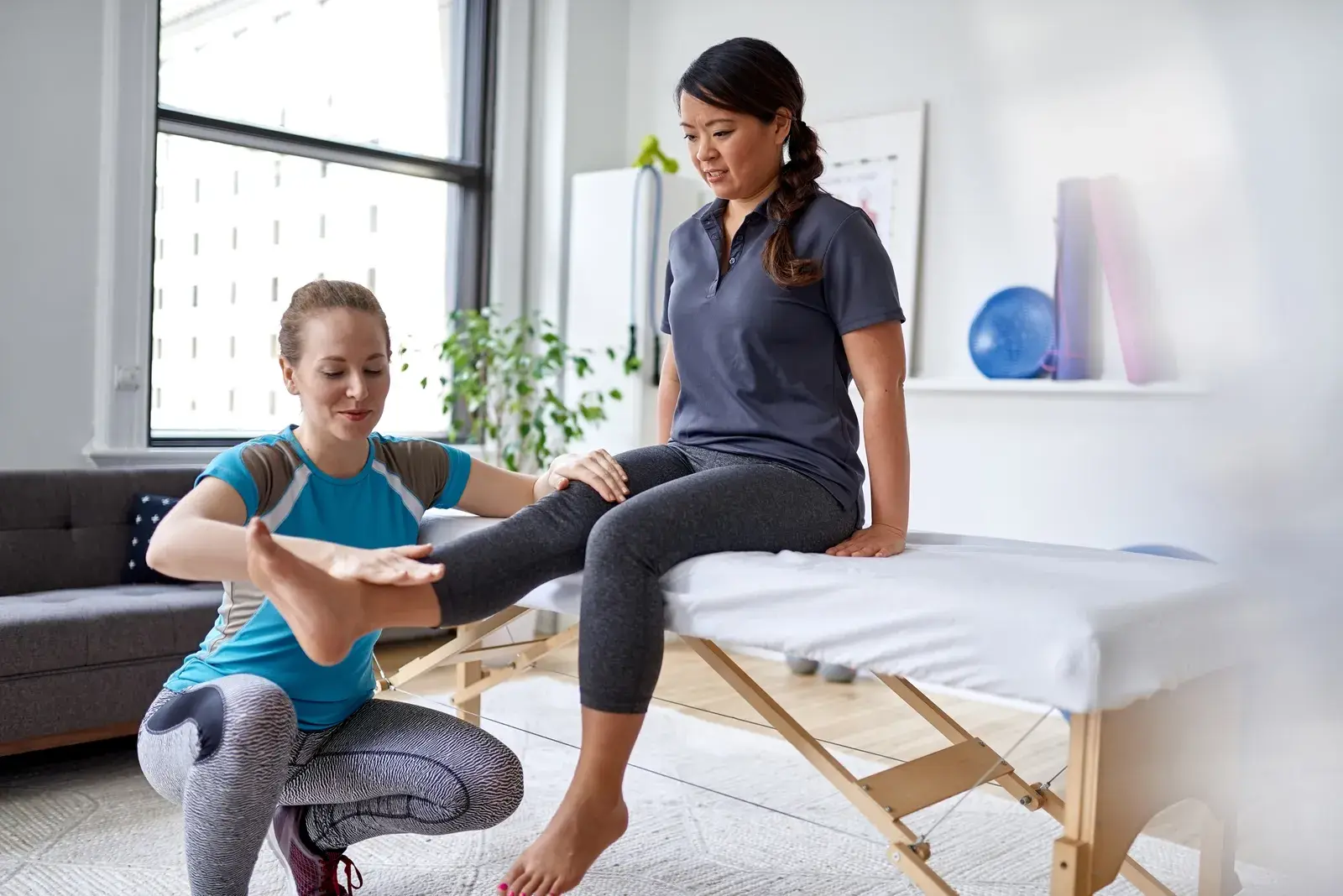 Hamstring strainPulled hamstrings from sprinting or over-stretching, rebuilt with eccentric strength and a staged return to speed.
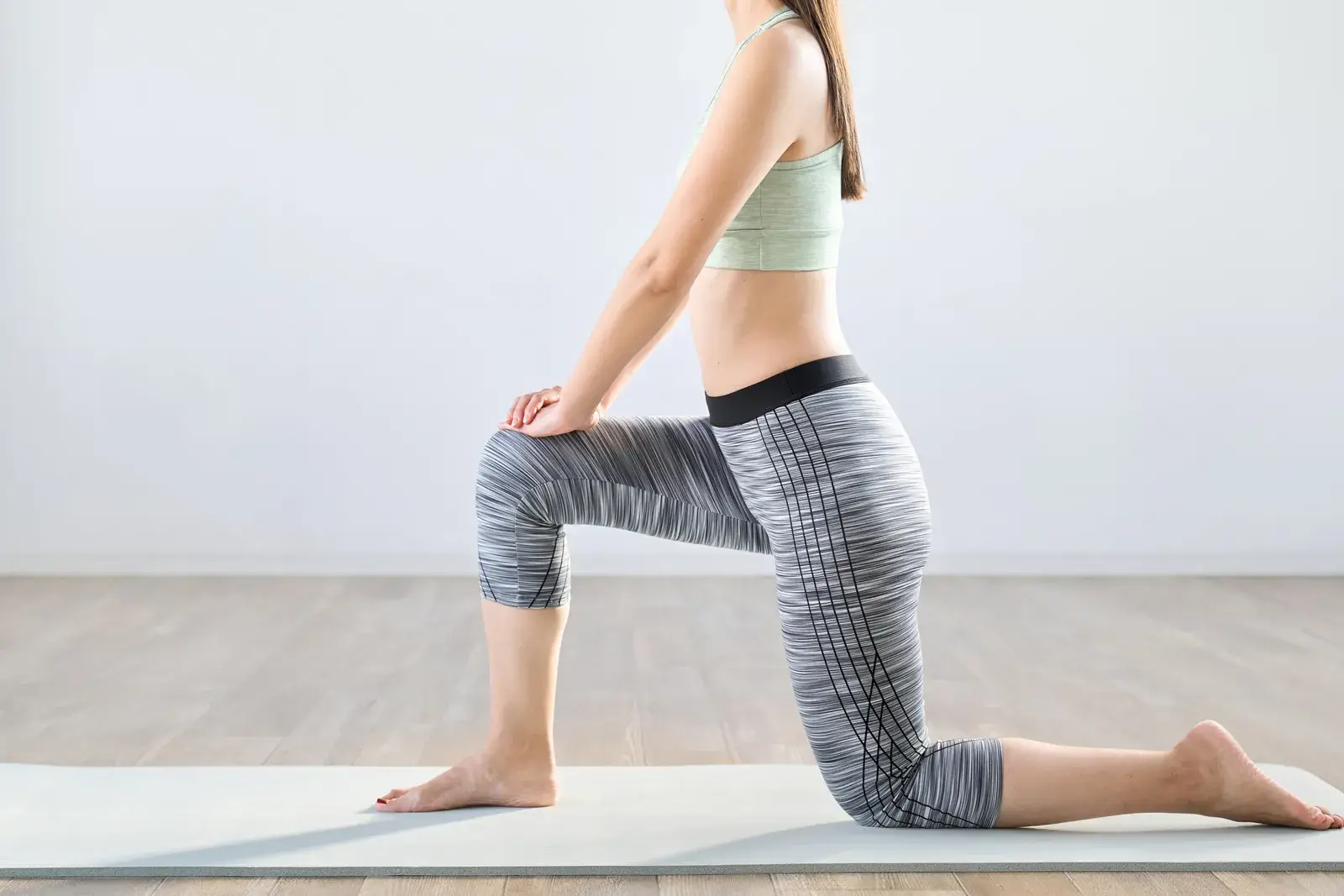 Hip flexor strainGraded rehab for a pulled muscle at the front of the hip, from gentle holds back to sprinting, kicking and hill running.
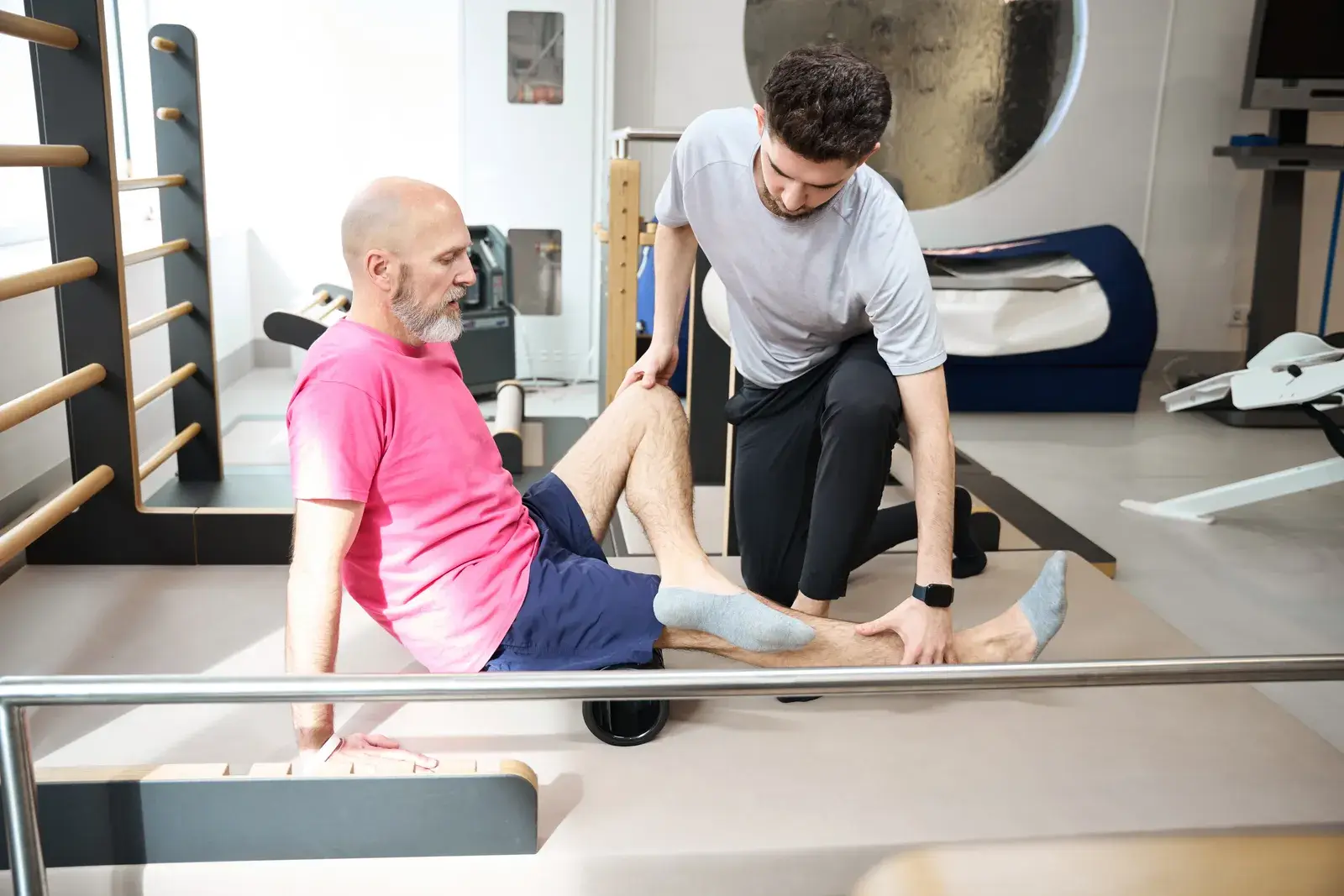 Quad tendinitisPain just above the kneecap from squatting, lunging and jumping, treated with patient, progressive tendon loading.
Page reviewed By the Monon Therapy Collective editorial team

Carmel City Center · Carmel, Indiana
Start with a conversation
Tell us what hurts and what you want to get back to. We will tell you honestly whether a therapist in the network is likely a good fit for what you describe, and match you with an independent, licensed therapist who is. Only that therapist can assess what will help.
885 Monon Green Blvd, Suite 120, Carmel, IN 46032 · Monday to Friday 5 AM to 9 PM · Saturday and Sunday 7 AM to 4 PM