Hand therapy in Carmel, Indiana
Hand therapy is specialized rehabilitation for the hand, wrist, forearm and elbow, often after a fracture, a tendon repair or a nerve release, and it is provided by occupational or physical therapists with extra training. The certified hand therapist (CHT) credential requires at least three years of licensure, 4,000 hours of direct hand therapy practice and a passed exam. For readers near Carmel, Indiana, whether a hand-trained therapist is in the network depends on who is practising at the time, and the matching team says so honestly before you book.
What does the CHT credential mean for a hand therapist?
CHT stands for certified hand therapist, a credential awarded by the Hand Therapy Certification Commission to occupational therapists and physical therapists who meet three requirements. They must have held their license for at least three years, have at least 4,000 hours of direct practice experience in hand therapy, and pass the certification examination. Projected hours do not count, so the experience is already behind them when they sit the exam.
Plenty of physical therapists without the credential treat common wrist and elbow problems well, such as wrist tendinitis or tennis elbow, as part of general orthopedic care. The difference shows most after hand surgery, where small structures, tight protocols and custom splinting call for someone who does this work every day. A side-by-side comparison of the two roles is in hand therapist or physical therapist.
Which hand and wrist problems usually go to a hand therapist?
Hand therapists mostly see people after surgery or injury to the hand and wrist, plus long-running problems where fine control matters. Surgeons often send patients to a hand therapist within days of a tendon repair or fracture fixation, because the first weeks decide how freely the fingers will glide later on.
The list below is typical of hand therapy caseloads. Some of these problems, especially milder ones, are also handled in general outpatient physical therapy, so the right fit depends on how complex your situation is and what your surgeon prefers.
- Flexor and extensor tendon repairs in the fingers and thumb
- Wrist and finger fractures, with or without plates and pins, including rehab after wrist fracture surgery
- Recovery after carpal tunnel release and other nerve decompressions
- Trigger finger, thumb base arthritis and skier’s thumb ligament injuries
- Stiff finger joints after a sprain, dislocation or a long period in a cast
- Nerve injuries that change sensation or strength in the hand
Why custom splints and protected motion matter after hand surgery
After a tendon repair or a fracture fixation, the hand has to move early enough to stop tendons sticking to surrounding tissue, yet gently enough not to pull a repair apart. Hand therapists manage that balance with a custom orthosis, a splint molded from heat-softened plastic directly on your hand, and a precise schedule of which joints may move, how far and how often.
Your surgeon’s protocol sets those limits, and they change week by week. A good hand therapist follows the protocol exactly, adjusts the splint as swelling falls, and tells you which movements are off limits at home. Doing more than the protocol allows, such as gripping a steering wheel or a pickleball paddle too soon after a flexor tendon repair, is one of the main ways a repair fails.
What happens during a hand therapy appointment
A hand therapy visit measures small things precisely, then trains the hand back toward the tasks you need. Expect finger and wrist angles measured with a small goniometer, grip strength on a handheld dynamometer, pinch strength on a pinch gauge, and sometimes light-touch testing with thin filaments when a nerve is involved. Swelling may be tracked with a tape measure around each finger.
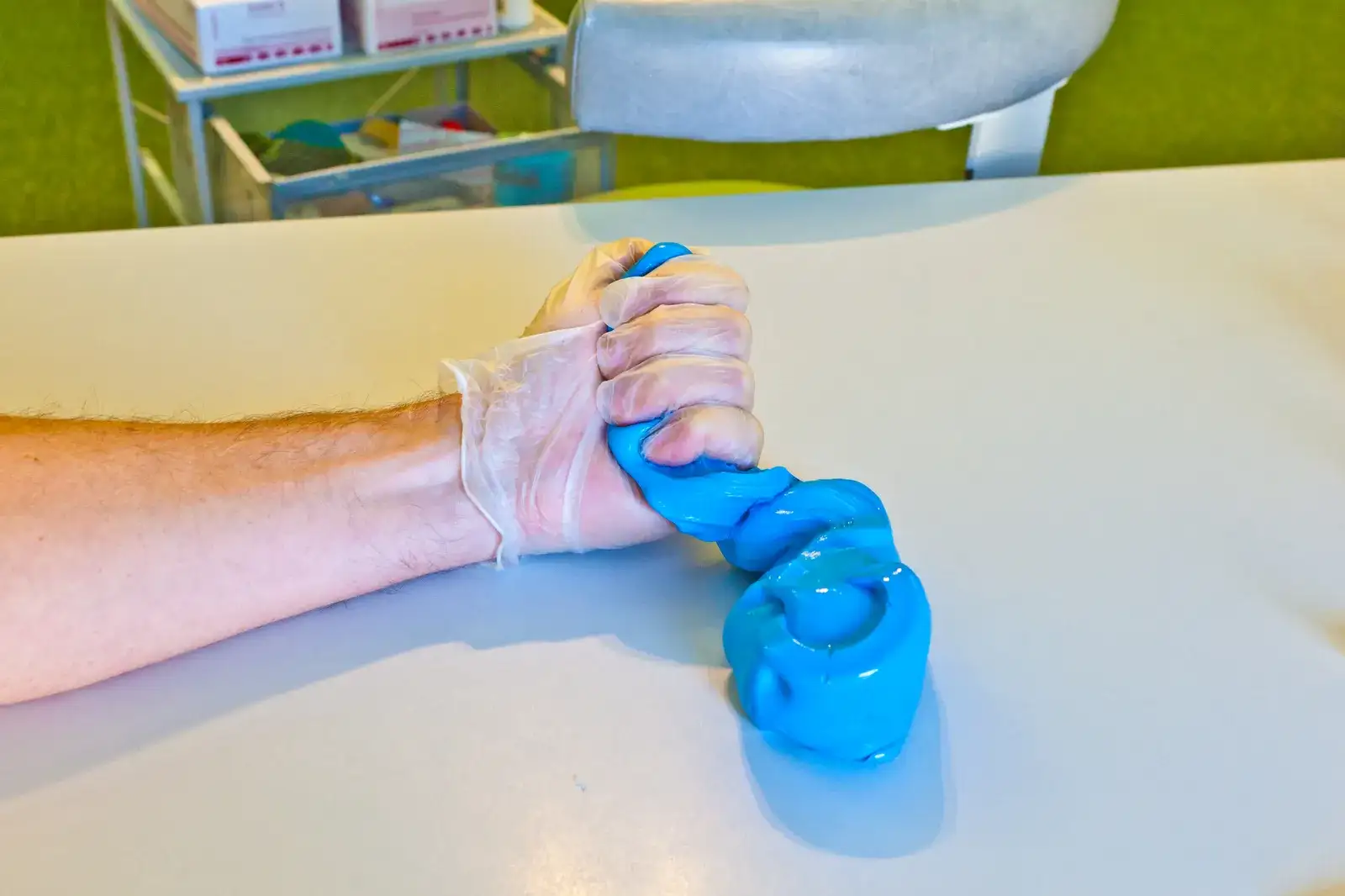
Treatment combines swelling control, scar massage and silicone, tendon gliding exercises, gentle joint mobilization and graded strengthening with therapy putty, clips and light weights. Later sessions practise the real tasks: typing, buttoning a shirt, opening a jar, holding a golf club through the swing or turning a key. Most people leave each visit with a short list of exercises to repeat several times a day.
Getting back to work, golf and pickleball after a hand injury
Returning to grip-heavy activities is usually the last stage of hand therapy, and it is guided by measurements rather than by the calendar alone. Therapists commonly compare grip and pinch strength with your other hand, check that the fingers make a full fist and straighten fully, and watch you perform the task itself before giving the go-ahead.
The details depend on what you do. Someone who types all day may need short breaks and a review of mouse and keyboard position. A tradesperson may need graded practice with tools that vibrate or require a hard squeeze. Golfers often start with putting and short chips before full swings, and pickleball players usually return to drilling before games, since a sudden volley puts a quick, hard load through the wrist and fingers.
If the injured hand tires quickly, aches the next morning or swells after a session, that is useful information rather than failure. Your therapist uses it to set the next step.
How to ask whether a hand-trained therapist is in the network
The network cannot promise hand therapy, because whether a hand-trained or certified therapist is practising in the Carmel City Center suites varies over time. Mention your surgery, injury and surgeon’s instructions in the questionnaire, and the matching team checks before anything is booked whether a therapist in the network is a fit, and tells you directly if you would be better served elsewhere.
If you have just had hand surgery, ask your surgeon’s office who they prefer for early protocol work, because timing in the first weeks matters. For later strengthening, or for less complex wrist and elbow pain, start with the hand and wrist questionnaire and the matching team will call or text back, usually within one business day.
Who it helps
Hand therapy is worth asking about if
- Your hand surgeon has given you a written protocol and asked you to start therapy
- A wrist or finger fracture has healed but the hand stays stiff and weak
- You have numbness, tingling or weakness after a nerve problem in the arm
- Fine tasks such as typing, buttoning or writing are harder than before an injury
- A splint needs adjusting as swelling changes
Conditions
Problems this kind of care treats
 Carpal tunnel syndromeNight splinting, nerve glides and hand-use changes for numb, tingling fingers caused by pressure at the wrist.
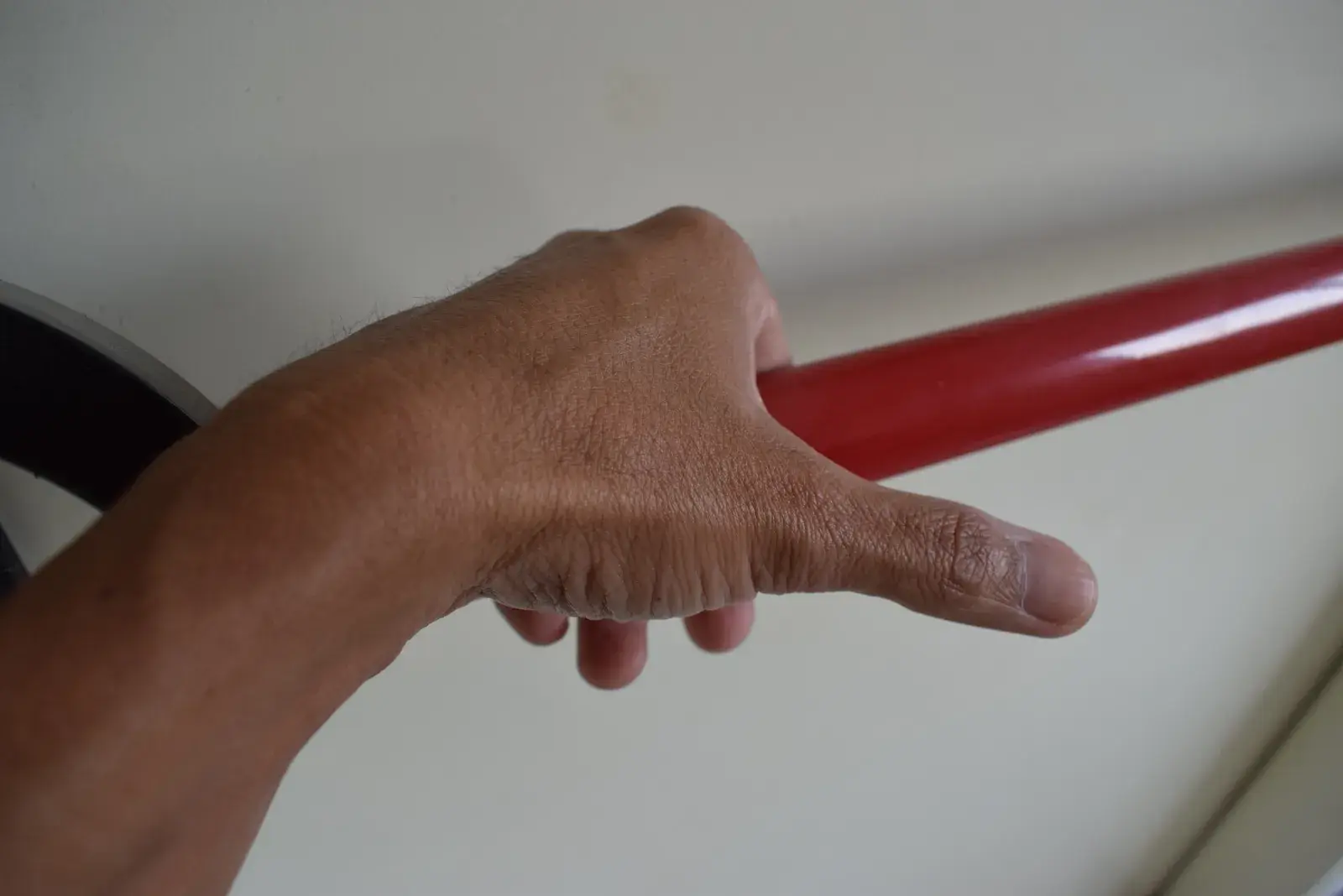 Trigger fingerSplinting, gliding exercises and grip changes for a finger or thumb that catches, clicks or locks.
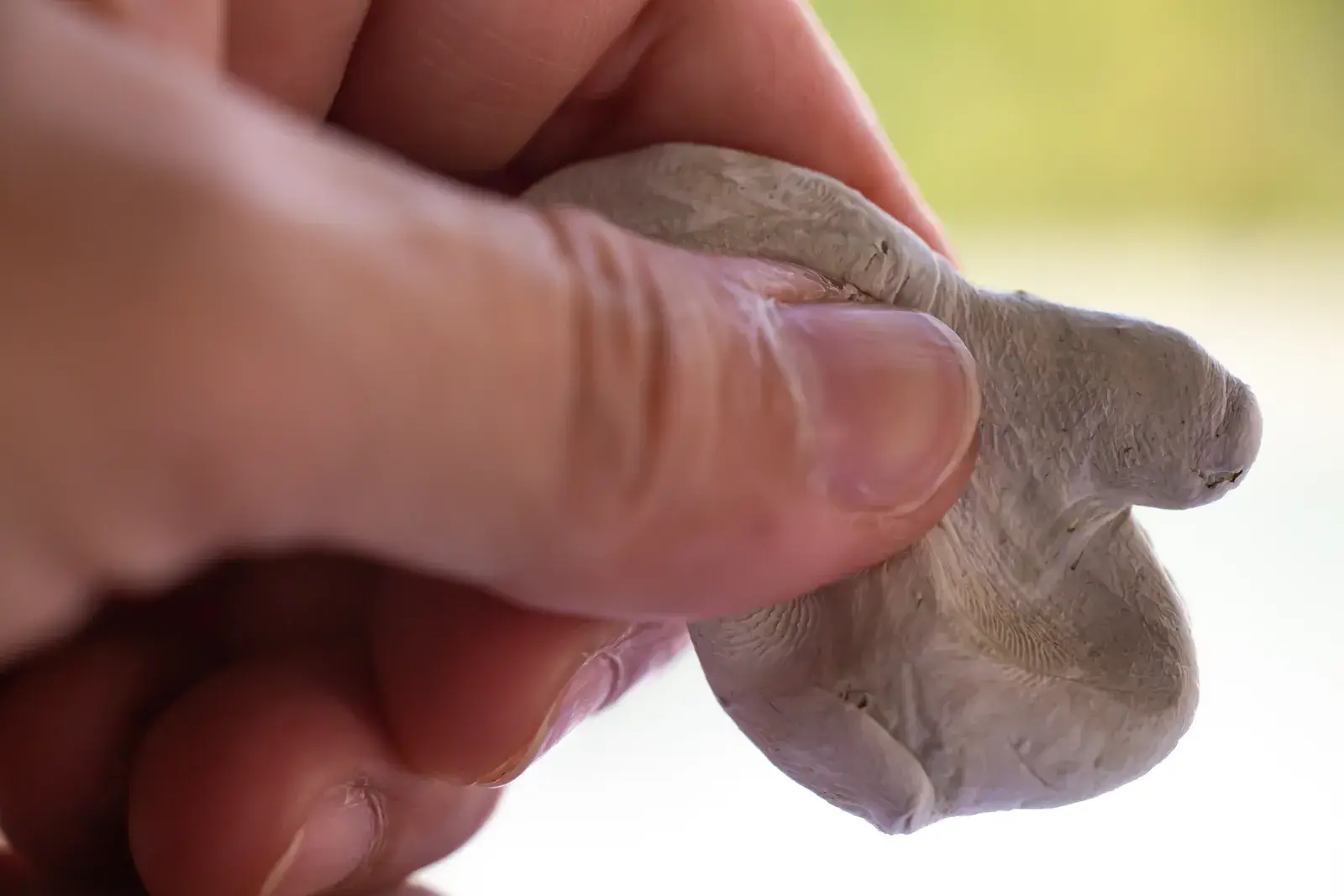 Thumb arthritisSplints, joint protection and stabilizing exercises for an aching base of the thumb.
- Skier’s thumbRehab for a sprained thumb ligament after a fall on a ski pole, a ball or ice, with a clear path to a surgeon when needed.
Two-minute assessment
Not sure which therapist is right for you?
Answer a few questions about what hurts, how long it has been going on and what you want to get back to. Our matching team reads every answer and proposes a licensed physical therapist in the network whose focus, schedule and coverage fit. Two minutes, no obligation.
- No referral needed to start in Indiana (first 42 days)
- We check which therapists work with your plan before you book
- One-on-one care in a private suite at Carmel City Center
Questions
About hand therapy
Information on this website is general education, not medical advice, a diagnosis or a treatment plan. Only a licensed clinician who examines you can advise on your condition. If you may be having a medical emergency, call 911.
Something we did not cover? Ask the matching team or ring (888) 353-9975.
Is hand therapy done by occupational therapists or physical therapists?
Both. The certified hand therapist credential is open to licensed occupational therapists and physical therapists who meet the experience and exam requirements.
How soon after hand surgery does therapy usually start?
After tendon repairs it often starts within the first week, while after a carpal tunnel release it may start later or not be needed. Your surgeon decides the timing, so follow the date on your discharge instructions.
Can I start hand therapy without a referral in Indiana?
Indiana lets a physical therapist evaluate and treat without a referral for up to 42 calendar days, but after hand surgery you will normally have a surgeon’s order anyway. Insurance rules can differ, as explained in do I need a referral for physical therapy in Indiana.
Why do my fingers swell more at the end of the day?
Swelling tends to pool when the hand hangs down or stays still for long periods. Hand therapists commonly teach elevation, gentle finger motion and compression, adjusted to your stage of healing.
Will I need to wear a splint at night?
Many hand conditions and post-surgical protocols include a night splint, but not all. Your therapist explains what each splint is for and when you can stop wearing it.
How do I find out what hand therapy will cost?
Coverage depends on your plan and on whether the care follows surgery. The matching team checks which therapists work with your plan, and the cost and insurance page explains how pricing works.
Google reviews
What guests say about FlexWerk
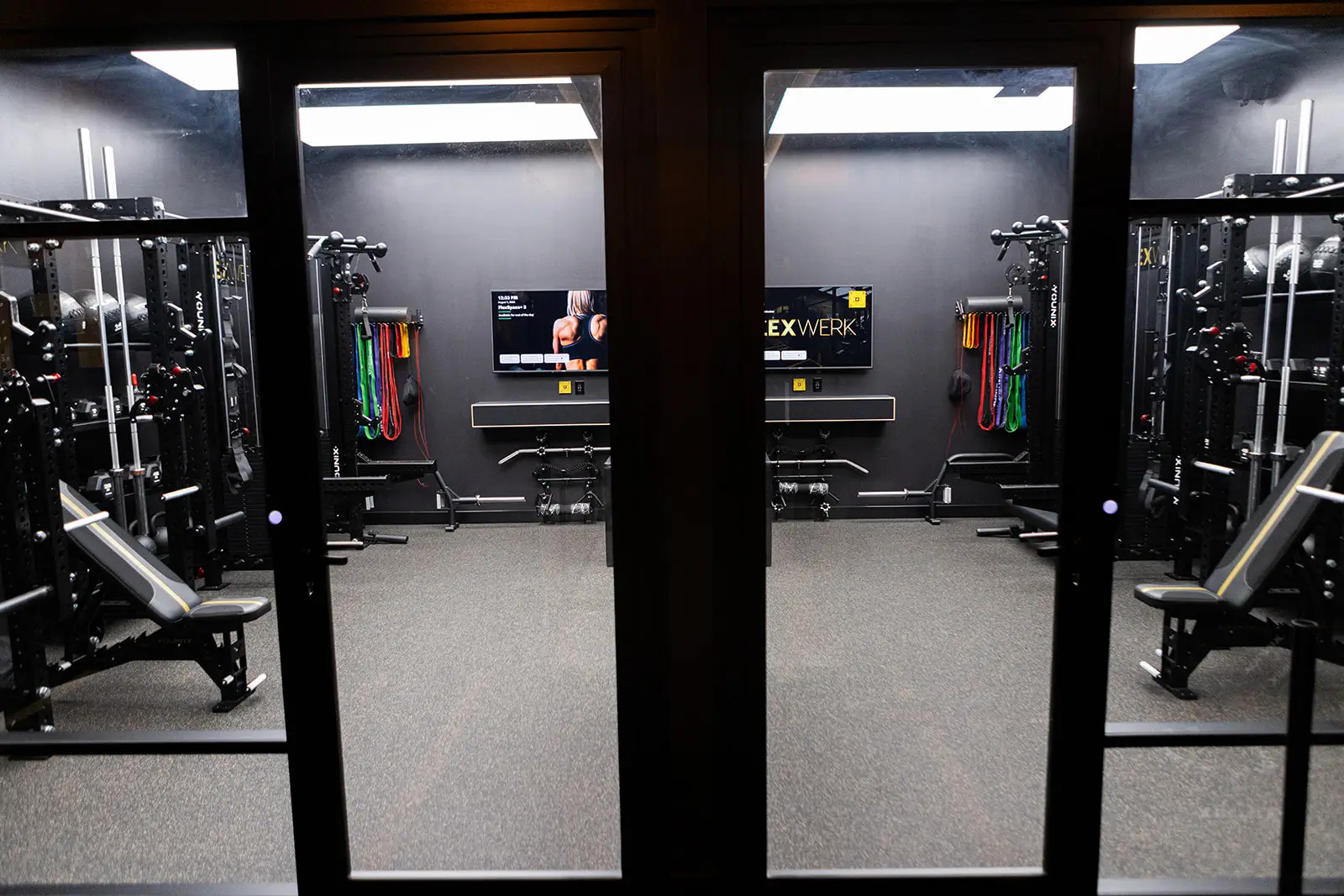
These are live Google reviews of FlexWerk at Carmel City Center, the private-suite facility where therapists in the network practise.
Continue
Related services
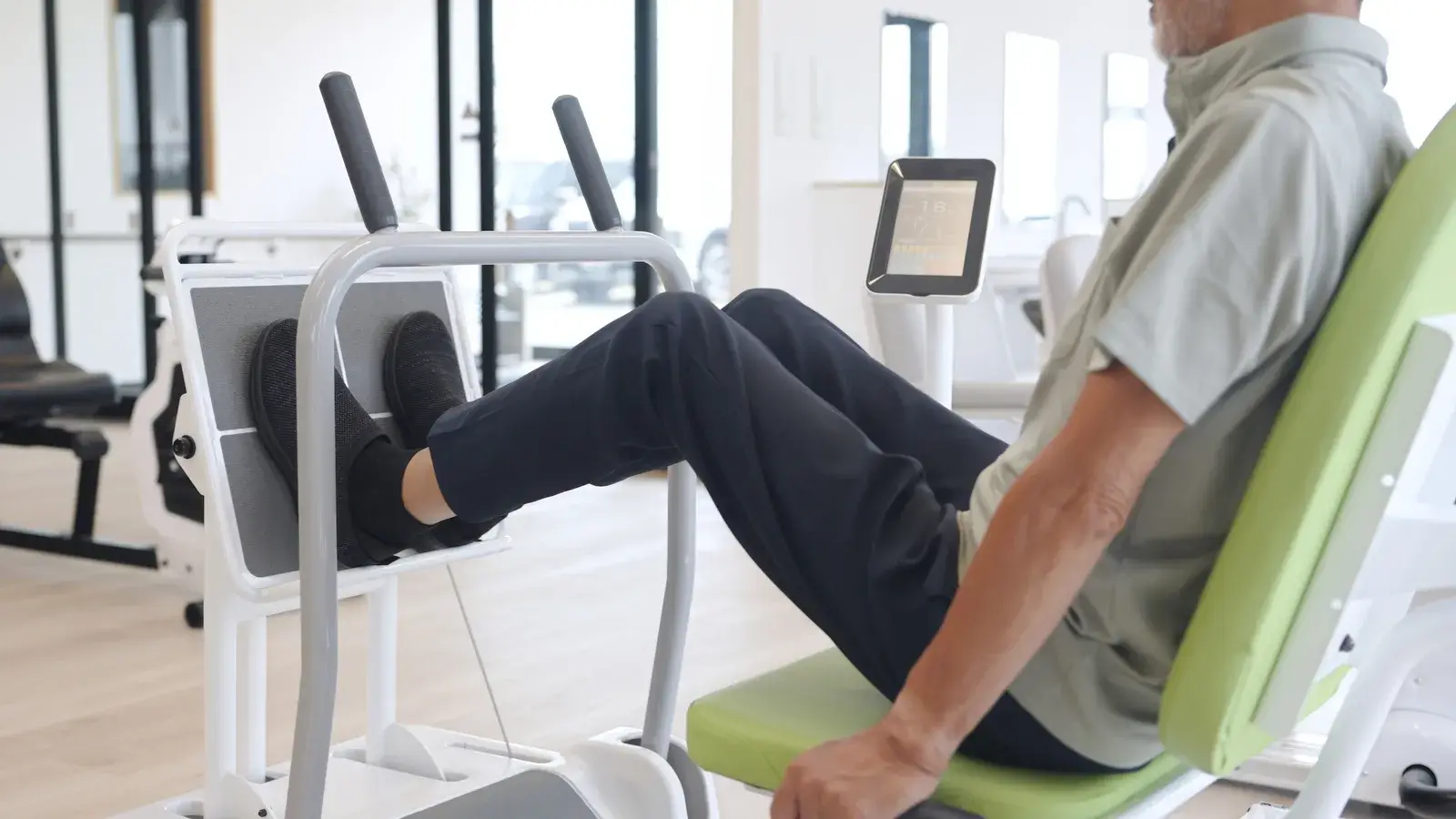 Post-surgical rehabilitationProtocol-led rehab after joint replacement, ligament, tendon and spine surgery, in a quiet private room instead of a crowded gym.
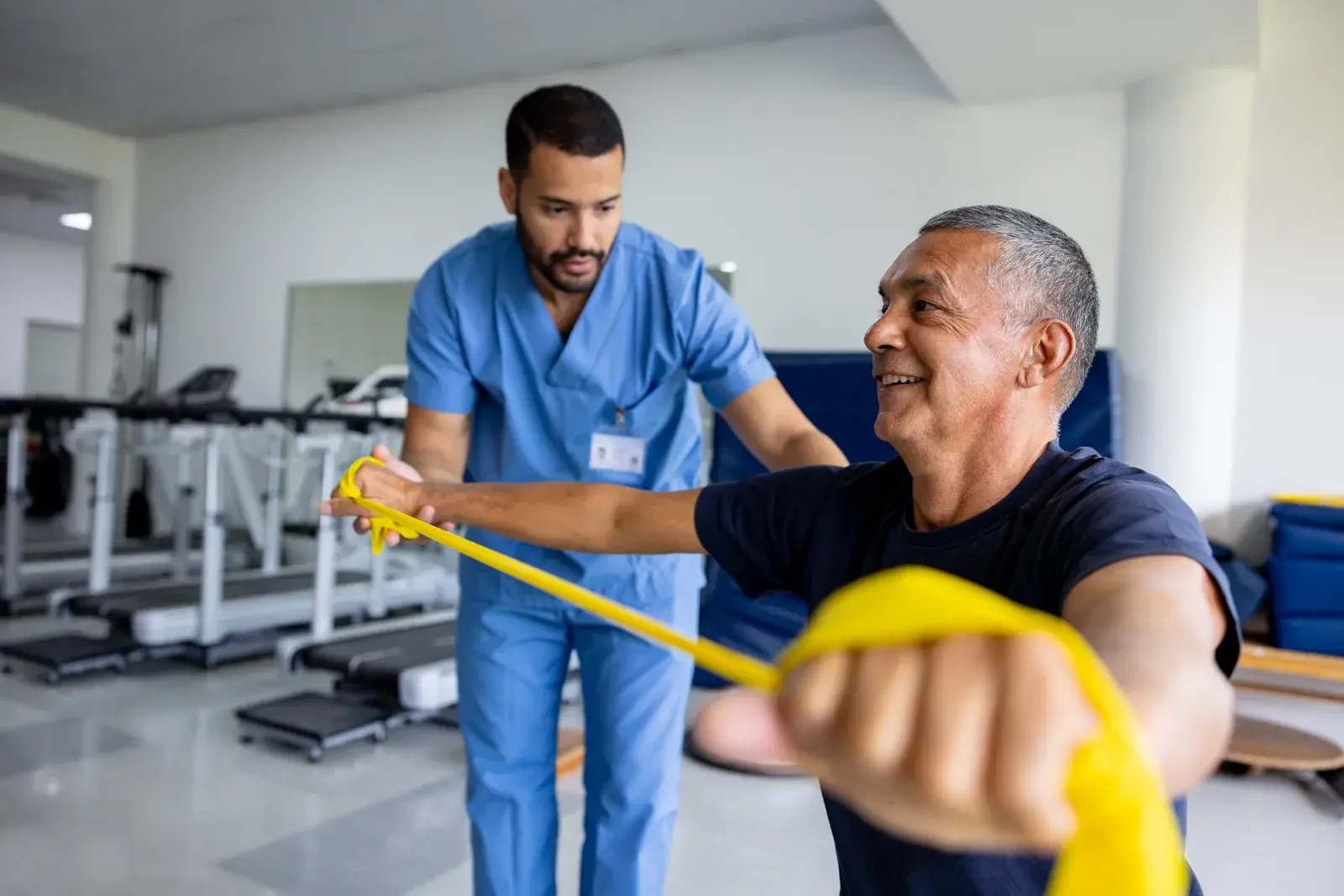 Orthopedic physical therapyExercise-led care for back, neck, shoulder, hip, knee and ankle problems, delivered one-on-one in a private suite.
 Work injury physical therapyJob-specific rehab after an on-the-job injury, planned around the real lifting, standing or desk demands you need to return to.
Page reviewed By the Monon Therapy Collective editorial team

Carmel City Center · Carmel, Indiana
Start with a conversation
Tell us what hurts and what you want to get back to. We will tell you honestly whether a therapist in the network is likely a good fit for what you describe, and match you with an independent, licensed therapist who is. Only that therapist can assess what will help.
885 Monon Green Blvd, Suite 120, Carmel, IN 46032 · Monday to Friday 5 AM to 9 PM · Saturday and Sunday 7 AM to 4 PM