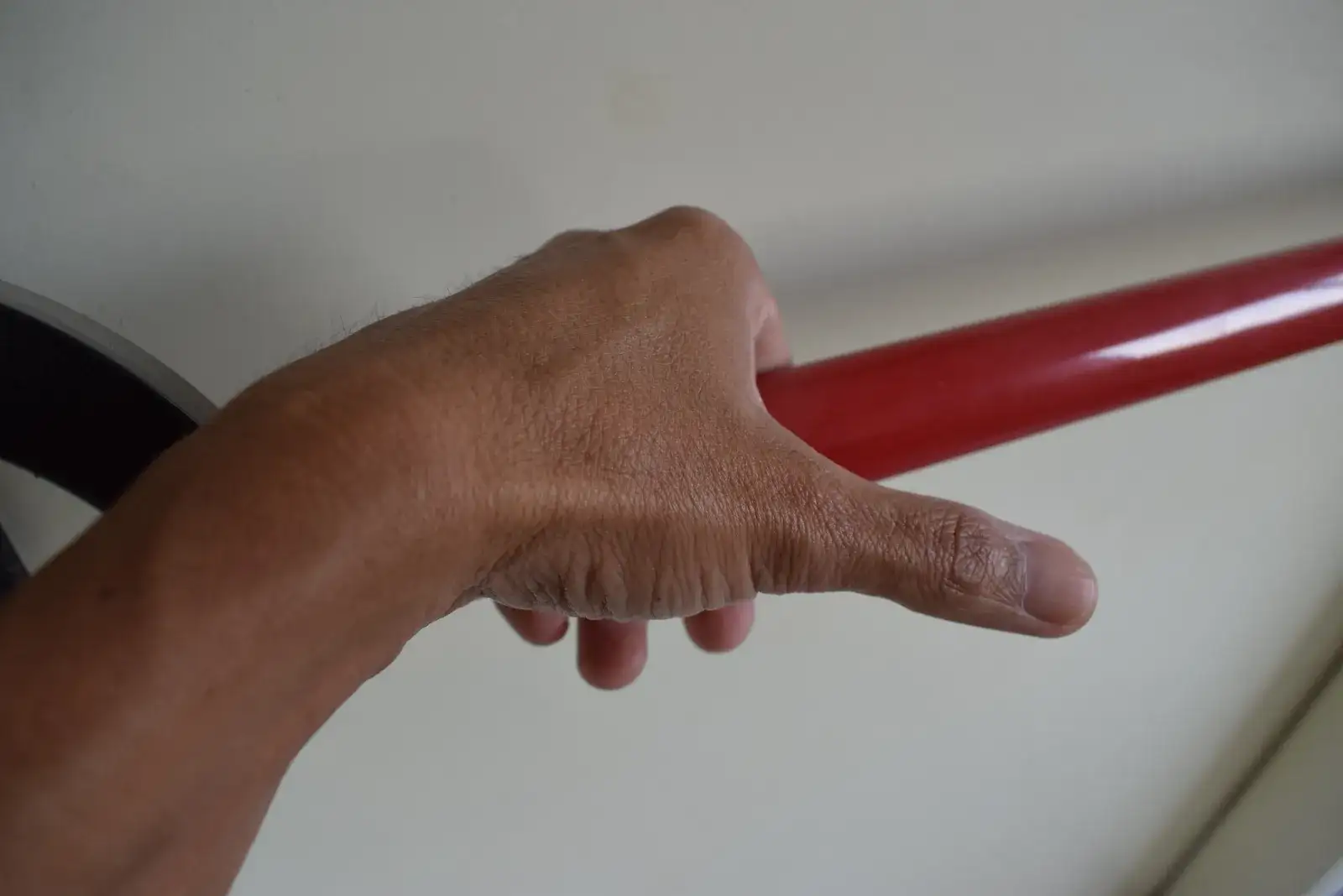
Trigger finger physical therapy in Carmel, Indiana
Trigger finger is a catching or locking of a finger or thumb as it bends and straightens, caused by a thickened tendon catching on a tight band (the A1 pulley) at the base of the finger. Mild cases often improve with a splint that keeps the finger straight at night, tendon gliding exercises and changes to how you grip, while injections and a minor release procedure are physician options if it persists. A licensed therapist in the network can assess the finger and the way you use your hands, and the matching team will be honest about whether a hand specialist suits you better.
At a glance
Common signs of trigger finger
Also called: Stenosing tenosynovitis, Trigger thumb, Digital stenosing tenosynovitis.
What makes a finger catch and lock when I straighten it?
The tendons that bend your fingers run through a series of tunnels called pulleys that keep them close to the bone. When the tendon or its lining thickens, it can snag on the first pulley at the base of the finger, the A1 pulley, and then suddenly snap through. That snap is the trigger.
The American Academy of Orthopaedic Surgeons notes that trigger finger is most common in women between the ages of 40 and 60, and that diabetes, rheumatoid arthritis and repetitive, forceful gripping raise the risk. The ring finger and thumb are frequently involved, and more than one finger can be affected.
Symptoms tend to be worse in the morning and ease as the hand warms up. Over time a finger may stop catching and simply stay stuck in a bent position, which is a reason not to wait too long before getting it looked at.
- Early: tenderness in the palm, occasional click, no locking.
- Moderate: catching you can straighten yourself.
- Advanced: locking that needs the other hand to straighten it, or a finger that will not fully bend or straighten.
How is trigger finger told apart from arthritis or a tendon injury?
A trigger finger usually has a tender nodule you can feel in the palm over the base of the finger, and the catch happens at that spot as the finger moves. A physical therapist will ask you to make a fist slowly and open it, feeling for the click, and will check the motion of each joint.
Arthritis in the finger joints causes swelling and stiffness at the knuckles themselves rather than a palm nodule. A Dupuytren’s cord, a thickening in the palm that slowly pulls a finger into a bent position, can look similar but does not click. A finger that suddenly will not bend after a cut or a jammed injury may mean a tendon injury and needs a hand surgeon promptly.
Your therapist will also note your grip habits and tools: pruning shears, power tools, golf grips, cycling handlebars, gripping a phone for long periods, or carrying shopping bags with the fingers hooked. These details shape the plan.
A short history of other hand problems helps too. People who have had carpal tunnel syndrome, or who have diabetes or an underactive thyroid, are more likely to develop triggering, and knowing that helps your therapist decide how quickly to involve a physician.
Which splints and finger exercises help trigger finger?
A small splint that keeps the affected finger straight while you sleep is a standard first step recommended by AAOS. Overnight, many people bend their fingers into a fist, which keeps the tendon catching; holding the finger straight gives the pulley area a rest. Some therapists use a splint that holds only the knuckle at the base of the finger, leaving the rest of the hand free during the day.
Tendon gliding exercises take the fingers through a sequence of positions: straight, hook fist, full fist, tabletop and straight fist. Done slowly and without forcing the catch, they keep the tendons moving smoothly and the joints from stiffening. Your therapist will also show you how to reduce load on the palm, for example padded or thicker handles, gloves for gardening, and a looser grip on the steering wheel.
When the finger is no longer sore, light grip strengthening and forearm work help you return to tools, golf or the gym without simply overloading the same spot again. Hand-focused care like this is often provided by certified hand therapists; read about hand therapy in Carmel for how the matching team approaches it.
- Night extension splint for the affected finger
- Slow tendon gliding sequence several times a day
- Padded or larger handles and gloves for tools
- Gentle massage around, not on, the tender nodule
- Grip strength work once triggering settles
How long does trigger finger take to improve, and when are injections or surgery used?
Mild trigger finger may settle over several weeks of consistent night splinting and grip changes, but many people find the catch continues and move on to a corticosteroid injection. AAOS describes injections as a common option, with up to three sometimes given, and notes they are less effective in people with diabetes or long-standing triggering.
If the finger keeps catching or locks, a surgeon can release the A1 pulley in a short outpatient procedure. AAOS notes that fingers are moved straight away afterwards, the incision heals within a few weeks, and full resolution of swelling and stiffness can take 4 to 6 months. A physical therapist or hand therapist may help with scar care, swelling and stiffness after that.
Whichever route you take, the goal of rehab is the same: a finger that moves smoothly through its full range and a hand that grips without a sore palm. Keep a simple log of how many times the finger catches each morning; a falling count over a few weeks is an encouraging sign, while a rising count is worth raising with your physician.
What can I do about a finger that catches in the morning?
Warm the hand first thing, for example in warm water, then move the fingers slowly through the gliding sequence without forcing the catch. Avoid repeatedly snapping the finger through to test it, which keeps irritating the tendon.
During the day, loosen your grip: wider pens, a padded steering wheel cover, foam tubing on garden tools and gloves for lifting. Golfers can try larger grips. If you have diabetes, keeping blood sugar steady supports tendon health, and your physician should know about the finger.
If you are also noticing pain at the base of the thumb with pinching, compare with thumb arthritis. When the catching is getting worse, use the questionnaire for hand and wrist problems and the matching team will get back to you, usually within one business day.
When to see a physician or go to the ER first
Physical therapy is the right start for most trigger finger. These symptoms are different and need medical attention before, or instead of, a physical therapy visit:
- A finger that is locked bent and cannot be straightened at all
- A finger that suddenly cannot bend after a cut or injury
- A red, hot, swollen finger, especially after a puncture wound (needs same-day care)
- Numbness in the finger along with the triggering
- Several swollen finger joints with morning stiffness lasting more than an hour
If you think it is an emergency, call 911.
Two-minute assessment
Get your trigger finger looked at
Tell us how your trigger finger started, how long it has been going on and what it is stopping you from doing. The matching team proposes a therapist in the network who focuses on it, and you hear back, usually within one business day.
- No referral needed to start in Indiana (first 42 days)
- We check which therapists work with your plan before you book
- One-on-one care in a private suite at Carmel City Center
How therapists treat it
Kinds of care used for trigger finger
Questions
Trigger finger: what people ask
Information on this website is general education, not medical advice, a diagnosis or a treatment plan. Only a licensed clinician who examines you can advise on your condition. If you may be having a medical emergency, call 911.
Something we did not cover? Ask the matching team or ring (888) 353-9975.
Can trigger finger go away on its own?
Mild cases sometimes settle, particularly if the gripping that set it off stops. Many people need splinting, an injection or a release procedure if it keeps catching.
Should I force my locked finger straight?
Do not force it. If it releases with gentle help from the other hand, that is fine, but repeated forcing irritates the tendon further.
Why is trigger finger more common with diabetes?
Diabetes can change the connective tissue in tendons and their sheaths, making them thicker and stiffer. Triggering may also respond less to injections in people with diabetes.
Is trigger thumb treated the same way?
Largely yes. The splint holds the thumb rather than a finger straight, and the same choices of exercise, injection and release apply.
Will I need therapy after trigger finger release?
Many people recover motion on their own with the surgeon’s advice. Therapy helps if stiffness, swelling or a tender scar persist after the first couple of weeks.
Do I need a referral to have a therapist check my finger?
Indiana allows you to start with a physical therapist without one for up to 42 calendar days, though your plan may differ. Our cost and insurance page explains how coverage is checked.
Google reviews
What guests say about FlexWerk
These are live Google reviews of FlexWerk at Carmel City Center, the private-suite facility where therapists in the network practise.
Related
Conditions that travel together
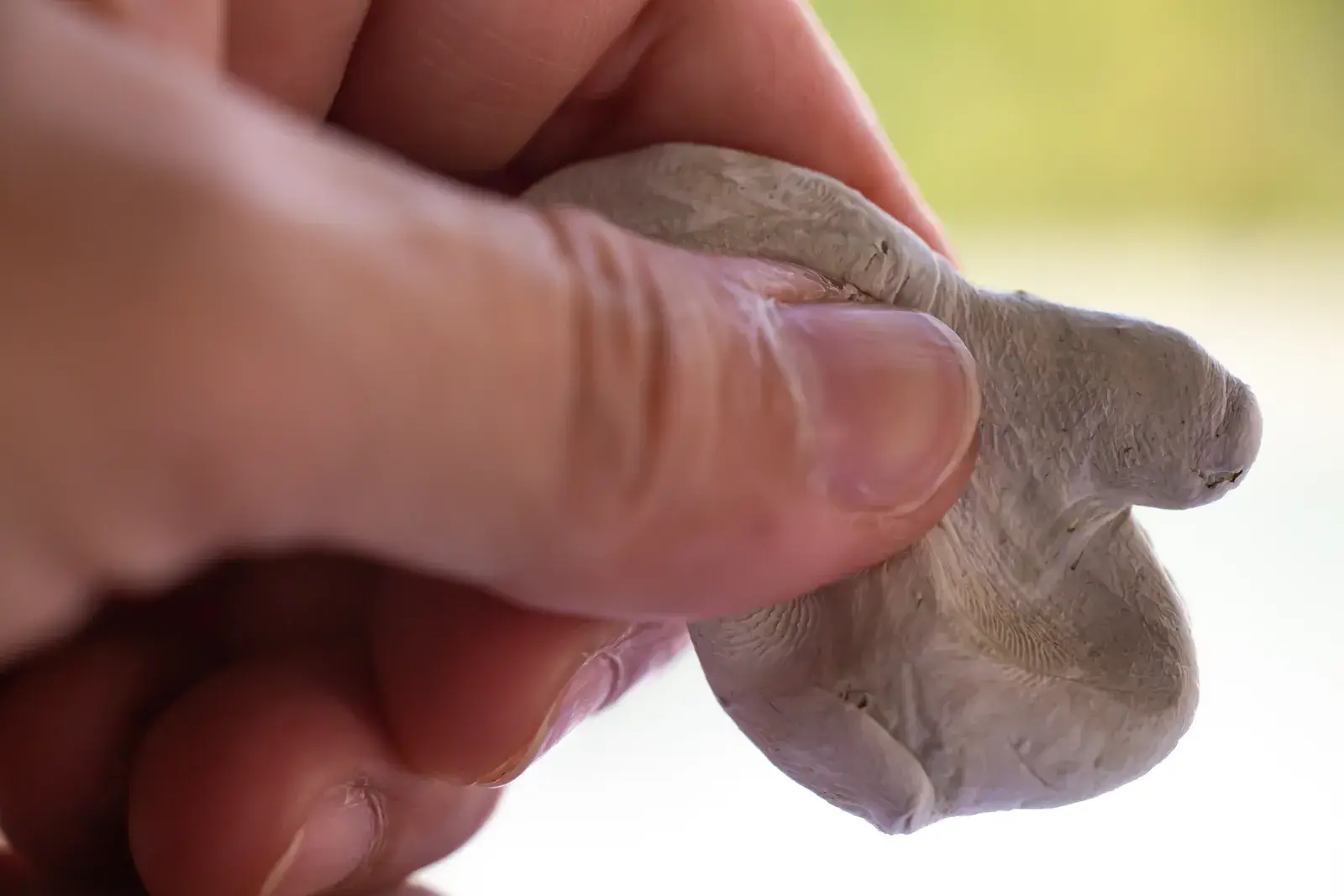 Thumb arthritisSplints, joint protection and stabilizing exercises for an aching base of the thumb.
 Carpal tunnel syndromeNight splinting, nerve glides and hand-use changes for numb, tingling fingers caused by pressure at the wrist.
 Rheumatoid arthritisExercise, joint protection and flare planning that work alongside RA medicines.
Page reviewed By the Monon Therapy Collective editorial team

Carmel City Center · Carmel, Indiana
Start with a conversation
Tell us what hurts and what you want to get back to. We will tell you honestly whether a therapist in the network is likely a good fit for what you describe, and match you with an independent, licensed therapist who is. Only that therapist can assess what will help.
885 Monon Green Blvd, Suite 120, Carmel, IN 46032 · Monday to Friday 5 AM to 9 PM · Saturday and Sunday 7 AM to 4 PM