
Rheumatoid arthritis physical therapy in Carmel, Indiana
Rheumatoid arthritis is an autoimmune disease in which the immune system attacks the lining of the joints, causing pain, swelling, stiffness and fatigue. Physical therapy complements the medicines your rheumatologist manages by building strength, aerobic fitness and joint mobility, and by adjusting exercise around flares. The American College of Rheumatology’s 2022 guideline strongly advises consistent exercise for people with RA, and a licensed physical therapist in Carmel can help you find a routine your joints tolerate.
At a glance
Common signs of rheumatoid arthritis
Also called: RA, Inflammatory arthritis, Rheumatoid disease.
How is rheumatoid arthritis different from wear-and-tear arthritis?
Rheumatoid arthritis differs from wear-and-tear osteoarthritis because it is driven by the immune system attacking the joint lining, rather than by gradual cartilage wear. It often affects small joints of the hands and feet on both sides, comes with long morning stiffness and fatigue, and can affect organs beyond the joints.
Osteoarthritis, covered on the arthritis physical therapy page, tends to cause stiffness that eases within minutes and pain that builds with use. RA stiffness usually lasts longer, and flares can come and go independently of activity.
Diagnosis and medication, including disease-modifying drugs and biologics, are managed by a rheumatologist. Modern treatment has made joint damage much less likely for many people, and exercise is now seen as an essential part of care rather than something to avoid.
RA also tends to bring fatigue that is out of proportion to activity, and that fatigue often limits people more than joint pain does. Regular, well-dosed exercise is one of the few non-drug approaches that tends to help with it, which is another reason physical activity has moved to the center of RA care.
What should a physical therapist know about my RA before treatment starts?
Before starting, a physical therapist should know which joints are affected, how active the disease is, your medicines, recent flares, any joint surgeries and whether your neck has ever been assessed. That information shapes how exercise is chosen and progressed.
The neck matters because long-standing RA can affect the upper cervical spine, sometimes making the top two vertebrae less stable. Tell your therapist about neck pain, tingling in the hands or feet, or balance changes. Forceful neck manipulation is generally avoided in people with RA unless the neck has been cleared.
The exam usually covers joint swelling and range, grip and leg strength, walking, balance and fatigue. The therapist will also ask about your goals, from opening jars to returning to golf or pickleball, and about how the disease affects work and sleep.
If you have had joint replacements, tendon repairs or hand surgery, bring any precautions from your surgeon. Long-term steroid use can affect bone density, so your therapist may also ask whether you have had a bone density scan, since that changes how loading is progressed. Sharing your latest rheumatology notes, if you are comfortable doing so, saves time.
- Affected joints and current disease activity
- Medicines, including steroids and biologics
- Neck symptoms and any prior cervical imaging
- Grip, leg strength, walking and balance
- Fatigue, sleep and daily goals
How is exercise adjusted between RA flares and calmer periods?
Exercise is adjusted by lowering intensity and focusing on gentle movement during flares, then building strength and fitness during calmer periods. During a flare, a hot, swollen joint is not loaded heavily; gentle range of motion keeps it moving without adding irritation.
When the disease is quieter, the plan usually includes resistance training for the major muscle groups, aerobic exercise such as walking, cycling or swimming, and hand exercises for grip and finger mobility. The 2022 ACR guideline conditionally recommends aerobic, aquatic, resistance and mind-body exercise, leaving the choice to what suits you. Heavy grip on narrow handles and long holds that strain the wrists may be modified with thicker grips or straps.
Joint protection habits, such as spreading load across larger joints, using both hands to lift and pacing tasks across the day, reduce strain. Heat may ease stiffness, and the should I use heat or ice for pain answer covers when each fits. The thumb arthritis page also discusses hand joint care.
- Flares: gentle range of motion, light activity, rest as needed
- Calm periods: strength training two to three times a week
- Aerobic activity on most days
- Hand exercises for grip and finger mobility
- Joint protection and pacing through the day
How long until exercise makes a difference with rheumatoid arthritis?
Many people with RA notice better strength, stamina and daily function within 8 to 12 weeks of consistent exercise, with continued gains over several months. Exercise does not replace medication, but it can reduce fatigue, improve function and support heart health, which matters because RA raises cardiovascular risk.
Progress depends on disease activity, joint damage and how well flares are controlled. Your therapist will track function, such as grip strength, walking distance or how many chair stands you can do, so you can see change even when the disease fluctuates.
Because RA is lifelong, the aim is a routine you can keep. After a course of therapy, many people continue strength and aerobic training independently with occasional check-ins. Some need help from a certified hand therapist for complex hand involvement; the hand therapist or physical therapist answer explains the difference.
Your therapist and rheumatologist are working toward the same thing from different directions. If you notice that exercise days are consistently followed by more swelling in particular joints, that is useful information for both of them, because it may reflect disease activity that medication changes could address.
How can I stay active with RA through an Indiana winter and busy weeks?
Stay active by having indoor options for cold or icy days, keeping exercise sessions short but regular, and planning lighter days after busy ones. Many people with RA find stiffness worse in the cold, so a warm-up indoors before going out helps.
Warm-water pools, indoor tracks, stationary bikes and home routines keep fitness going through winter. In warmer months, the flat, paved Monon Trail suits walking and cycling. Pickleball and golf are possible for many people with RA, with grip adjustments and attention to how joints respond. Early weekday suite hours starting at 5 AM can help fit sessions before work. Weekend suite hours, from 7 AM on Saturdays and Sundays, give another option on weeks when weekday mornings are taken by stiffness or appointments.
If RA is limiting your activity, complete the physical therapy questionnaire and mention your diagnosis. The matching team reads it and contacts you about a therapist in the network whose focus fits inflammatory arthritis.
Mention any upcoming rheumatology appointments or medicine changes when you get in touch, because starting a new exercise plan in the same week as a new medicine can make it hard to tell which one is causing a change in how you feel.
When to see a physician or go to the ER first
Physical therapy is the right start for most rheumatoid arthritis. These symptoms are different and need medical attention before, or instead of, a physical therapy visit:
- A single hot, very swollen joint with fever, which can signal infection
- New neck pain with tingling in the hands or feet, or loss of balance
- Sudden shortness of breath or chest pain
- New weakness or numbness in the arms or legs
- A sudden inability to straighten a finger, which can mean a tendon rupture
If you think it is an emergency, call 911.
Two-minute assessment
Get your rheumatoid arthritis looked at
Tell us how your rheumatoid arthritis started, how long it has been going on and what it is stopping you from doing. The matching team proposes a therapist in the network who focuses on it, and you hear back, usually within one business day.
- No referral needed to start in Indiana (first 42 days)
- We check which therapists work with your plan before you book
- One-on-one care in a private suite at Carmel City Center
How therapists treat it
Kinds of care used for rheumatoid arthritis
- Orthopedic physical therapyExercise-led care for back, neck, shoulder, hip, knee and ankle problems, delivered one-on-one in a private suite.
- Hand therapyRehab for the hand, wrist and elbow after fractures, tendon repairs and nerve problems, from a clinician with hand-specific training.
- Post-rehab strength trainingThe bridge from discharge to lasting strength: a written handoff from your therapist to a FlexWerk coach in the same building.
Questions
Rheumatoid arthritis: what people ask
Information on this website is general education, not medical advice, a diagnosis or a treatment plan. Only a licensed clinician who examines you can advise on your condition. If you may be having a medical emergency, call 911.
Something we did not cover? Ask the matching team or ring (888) 353-9975.
Is exercise safe with rheumatoid arthritis?
Yes, for most people, and the ACR guideline strongly advises consistent exercise. Intensity is adjusted around flares and joint involvement.
Should I rest during an RA flare?
Some rest helps during a flare, but gentle range-of-motion exercise keeps joints moving. Heavier exercise is usually reduced until the flare settles.
Can physical therapy slow RA joint damage?
Medication is the main way to slow joint damage. Physical therapy improves strength, function and fitness, which help you live well with the disease and keep doing the work, family and leisure activities that matter to you.
Are hand exercises helpful for RA?
Many people with RA in the hands benefit from targeted strengthening and stretching exercises. A therapist can tailor them to which joints are affected, how active the disease is and the tasks you find hardest, such as opening jars, typing or gripping a golf club.
Do I need a referral from my rheumatologist?
Indiana allows a physical therapist to start without a referral for up to 42 days, though some insurance plans require one. The Indiana referral guide explains the details.
Google reviews
What guests say about FlexWerk
These are live Google reviews of FlexWerk at Carmel City Center, the private-suite facility where therapists in the network practise.
Related
Conditions that travel together
 OsteoarthritisStrength, pacing and joint-friendly exercise for knee and hip osteoarthritis, including preparation for joint replacement.
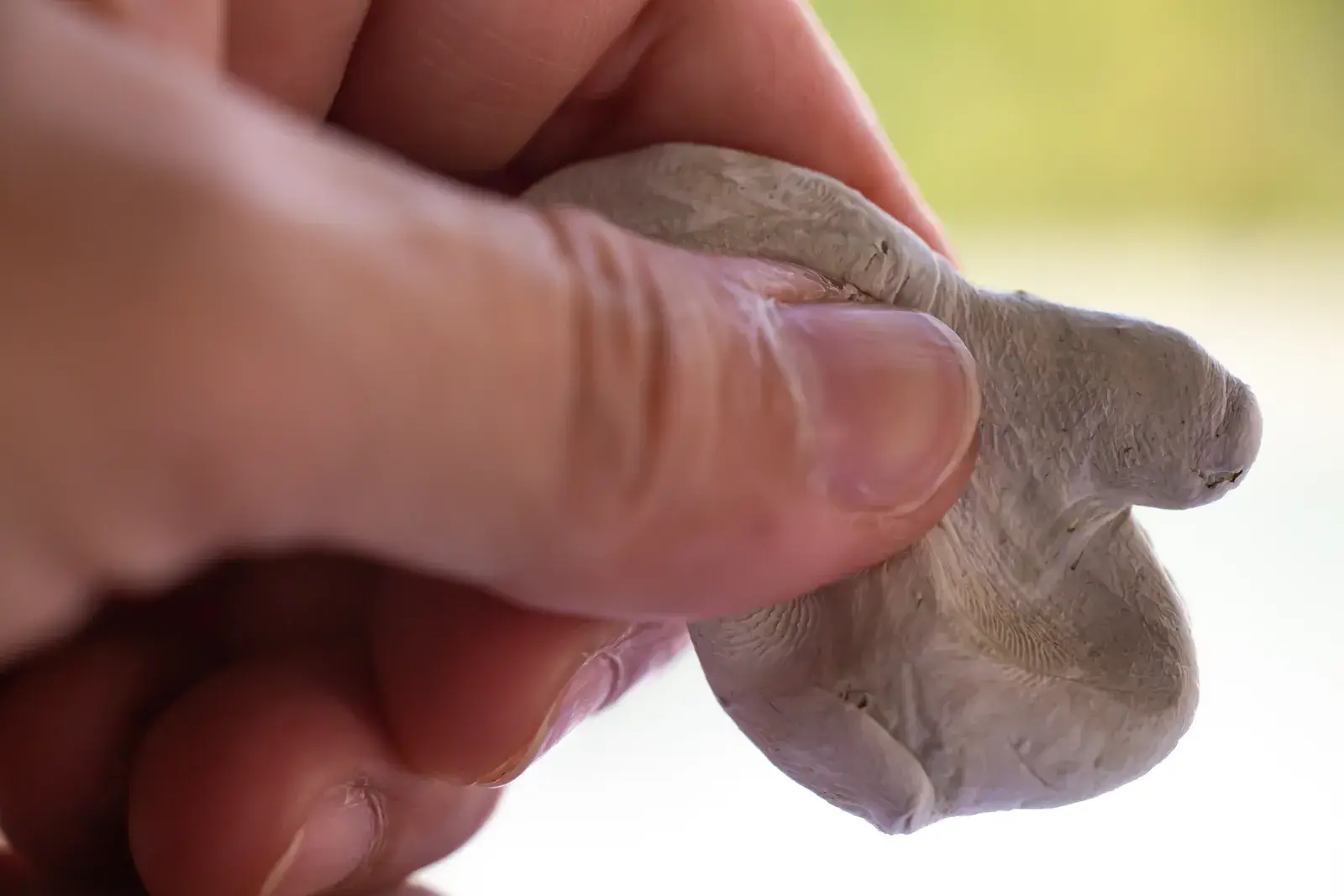 Thumb arthritisSplints, joint protection and stabilizing exercises for an aching base of the thumb.
 FibromyalgiaGentle, graded exercise, pacing and a flare plan for widespread pain and fatigue.
Page reviewed By the Monon Therapy Collective editorial team

Carmel City Center · Carmel, Indiana
Start with a conversation
Tell us what hurts and what you want to get back to. We will tell you honestly whether a therapist in the network is likely a good fit for what you describe, and match you with an independent, licensed therapist who is. Only that therapist can assess what will help.
885 Monon Green Blvd, Suite 120, Carmel, IN 46032 · Monday to Friday 5 AM to 9 PM · Saturday and Sunday 7 AM to 4 PM