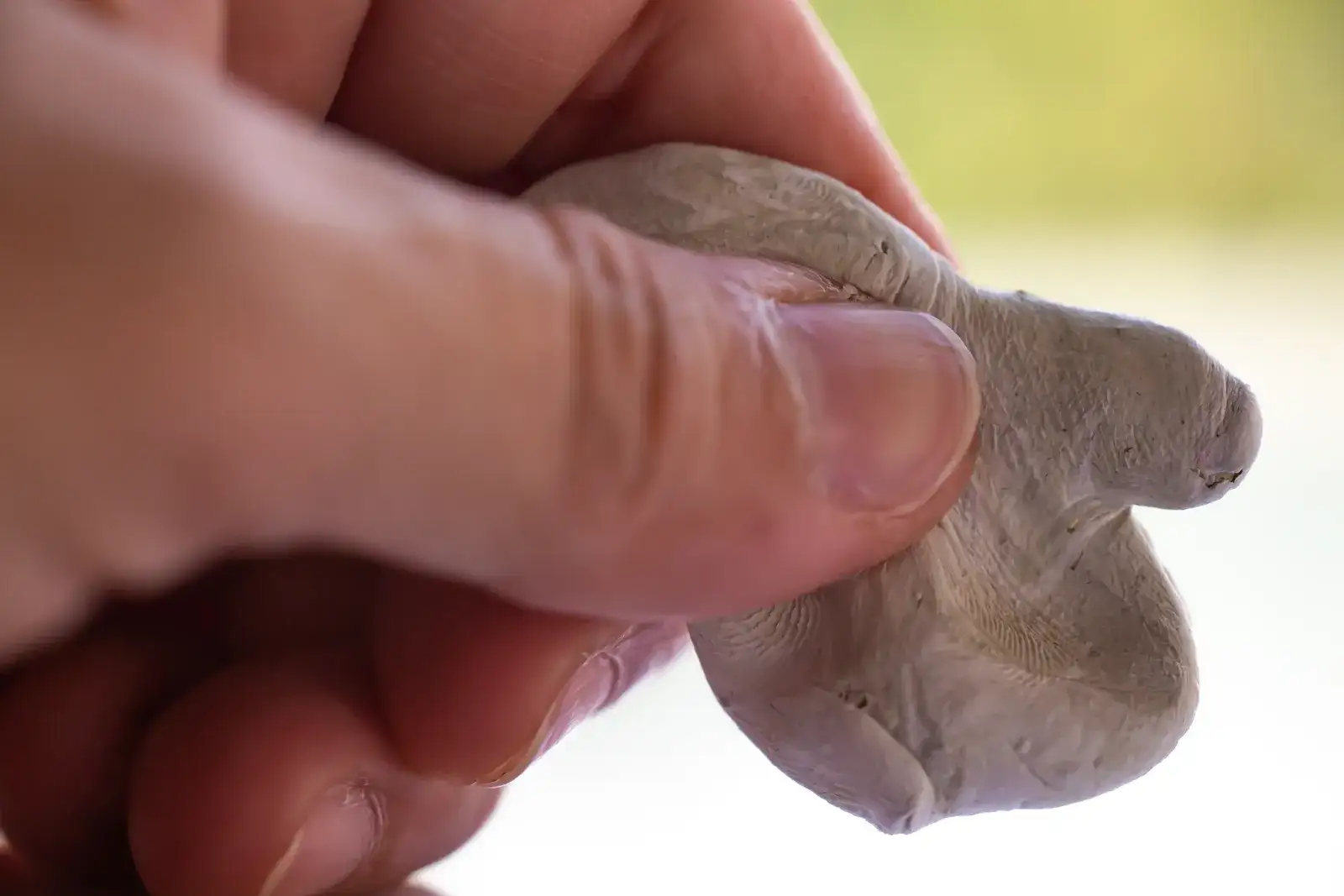
Thumb arthritis physical therapy in Carmel, Indiana
Thumb arthritis is wear of the cartilage at the base of the thumb, the carpometacarpal (CMC) joint where the thumb meets the wrist, and it makes pinching, twisting and gripping painful. Physical therapy is a core part of first-line care: a supportive splint, ways of doing tasks that spare the joint, and exercises that strengthen the muscles that stabilize the thumb. In Carmel, the matching team can connect you with a licensed therapist in the network for one-on-one care in a private suite.
At a glance
Common signs of thumb arthritis
Also called: Carpometacarpal osteoarthritis, Basal joint arthritis, CMC arthritis, First CMC joint arthritis.
Why does the base of my thumb ache when I open jars?
Opening a jar, turning a key or pinching hard puts large forces through the small joint at the base of the thumb. When the cartilage in that joint is thinning, those forces cause pain, and the ligaments that hold the joint steady may loosen, letting the joint shift slightly under load.
The CMC joint is shaped like a saddle, which lets the thumb move in many directions and makes it so useful. That same mobility makes it one of the most common places in the hand for osteoarthritis. It is seen more often in women and after middle age, and it can follow an old injury to the thumb.
Over time some people notice a bump at the base of the thumb, and the thumb can start to sit closer to the palm, making it hard to open the hand wide around a large object. These changes happen gradually, and they do not always match how much it hurts.
Pain often comes in waves. A week of heavy gardening, a pickleball tournament, holiday cooking, or a long stretch of texting and gaming on a phone can bring on a flare that lasts days to weeks, followed by calmer spells. Knowing your own triggers is one of the most useful things a first visit can help you work out.
How does a therapist check the thumb joint and its strength?
A physical therapist presses over the base of the thumb, moves the joint gently while compressing it (the grind test), and measures how far the thumb opens and turns. Pinch strength and grip are measured with gauges and compared with the other hand.
The rest of the hand and wrist are checked as well, because pain in this area can also come from tendon irritation on the thumb side of the wrist or from a sprain of the thumb ligaments. If your thumb triggers or the wrist is sore higher up, read about wrist tendinitis and trigger finger.
X-rays ordered by a physician show joint narrowing and bone changes. They help explain the joint’s structure but are not needed to start exercise and splinting, and how the joint looks on X-ray does not reliably predict how well you will do.
Expect questions about what you need your hands for, such as buttoning a child’s coat, typing for a living, holding a phone, playing an instrument or gripping a paddle. Your answers help the therapist pick the two or three tasks that matter most and measure progress against them.
Which splints and thumb exercises ease CMC arthritis?
A thumb splint that supports the base of the thumb, either a soft neoprene sleeve or a rigid custom-molded one, reduces pain for many people, especially during heavier tasks or at night. Your therapist will help you choose a type and decide when to wear it so the thumb does not stiffen.
Exercises focus on the muscles that stabilize the joint. The first dorsal interosseous, the muscle in the web between the thumb and index finger, and the thenar muscles at the base of the thumb help hold the joint in a stable position when you pinch. Strengthening them in a good position, often with putty, bands or light pinch grips, can reduce pain over time.
Joint protection is the third piece: using larger handles, jar openers, key turners and both hands for heavier jobs, and pinching with the thumb rounded rather than collapsed. These small changes add up across a day of cooking, typing, gardening or playing pickleball.
Strength beyond the thumb matters as well. A stronger forearm and shoulder let you carry and lift with larger muscles, so the thumb is not the weak link. In a private suite your therapist can practice real tasks with you, such as carrying a weighted bag with an open hand, holding a racket with the thumb in a protected position, or lifting a pan with two hands, and check that the technique holds up when you are tired.
- Soft or custom thumb splint for heavy tasks and nights
- Web-space and thumb-base strengthening with putty or bands
- Pinch practice with a rounded, stable thumb position
- Built-up handles, jar and key aids, two-handed lifting
- Heat before activity for stiffness; ice after for soreness
Can exercise slow thumb arthritis, and when is surgery considered?
Exercise cannot reverse cartilage loss, but many people find pain and function improve over 6 to 12 weeks of consistent splinting, exercise and joint protection. Arthritis tends to wax and wane, so the aim is fewer and milder flare-ups and the confidence to keep using the hand.
Corticosteroid injections from a physician can calm a painful flare. When pain stays severe despite good conservative care, a hand surgeon may discuss procedures such as removing the small trapezium bone and reconstructing the joint. Recovery after that surgery usually takes several months and involves a period in a cast or splint followed by rehabilitation.
People with arthritis in several joints may find the broader arthritis physical therapy page helpful.
If you do have surgery, outpatient rehabilitation usually focuses on swelling, scar care, gentle motion and then pinch and grip strength as the surgeon allows; AAOS notes a cast or splint for 4 to 8 weeks, full recovery over several months, and grip strength that can keep improving for 9 to 12 months. Working on hand strength before surgery can make that period a little easier.
How can I protect my thumb joint during daily tasks and sport?
Swap pinch for grip where you can: hold a mug by its body rather than its handle, use a wide pen, and open jars with a rubber grip or an opener. Spread loads across both hands and keep the thumb rounded, not bent backward, when you press or pinch.
Pickleball and tennis players often do better with a slightly larger grip and an overgrip, and golfers may try thicker grips. Gardeners can use ratchet pruners and padded gloves. If you lift weights, neutral-grip handles and lifting straps take strain off the base of the thumb.
If your thumb is stopping you doing things you value, the two-minute questionnaire tells the matching team what you want back, and they will talk through whether a therapist in the network or a certified hand therapist is the right next step.
When to see a physician or go to the ER first
Physical therapy is the right start for most thumb arthritis. These symptoms are different and need medical attention before, or instead of, a physical therapy visit:
- A thumb joint that is suddenly hot, red and swollen, especially with fever
- Several joints swollen at once with long morning stiffness
- A fall onto the thumb followed by marked swelling and weakness
- Numbness in the thumb and fingers
- A thumb that suddenly cannot bend or straighten
If you think it is an emergency, call 911.
Two-minute assessment
Get your thumb arthritis looked at
Tell us how your thumb arthritis started, how long it has been going on and what it is stopping you from doing. The matching team proposes a therapist in the network who focuses on it, and you hear back, usually within one business day.
- No referral needed to start in Indiana (first 42 days)
- We check which therapists work with your plan before you book
- One-on-one care in a private suite at Carmel City Center
How therapists treat it
Kinds of care used for thumb arthritis
Questions
Thumb arthritis: what people ask
Information on this website is general education, not medical advice, a diagnosis or a treatment plan. Only a licensed clinician who examines you can advise on your condition. If you may be having a medical emergency, call 911.
Something we did not cover? Ask the matching team or ring (888) 353-9975.
Is thumb arthritis the same as rheumatoid arthritis?
Usually not. Base-of-thumb arthritis is most often osteoarthritis. Rheumatoid arthritis is an inflammatory disease that typically affects several joints on both sides; see rheumatoid arthritis physical therapy.
Should I wear a thumb splint all day?
Many people wear it for heavier tasks and at night. Your therapist will help you balance support with keeping the thumb moving.
Will strengthening make arthritis worse?
Well-chosen strengthening in a stable position usually helps rather than harms. Exercises should cause little or no lasting pain.
Do heat or ice help thumb arthritis?
Many people find warmth helps morning stiffness and ice helps after heavy use. Use whichever makes your thumb feel better; see heat or ice for pain.
Can I keep playing pickleball with thumb arthritis?
Many players do, with a larger grip, a splint or tape for support, and shorter sessions during flares.
How many visits does thumb arthritis usually take?
Often a small number spread over several weeks, because much of the work is a home routine and changes to daily habits. Your therapist will suggest a schedule after examining you.
Google reviews
What guests say about FlexWerk
These are live Google reviews of FlexWerk at Carmel City Center, the private-suite facility where therapists in the network practise.
Related
Conditions that travel together
 OsteoarthritisStrength, pacing and joint-friendly exercise for knee and hip osteoarthritis, including preparation for joint replacement.
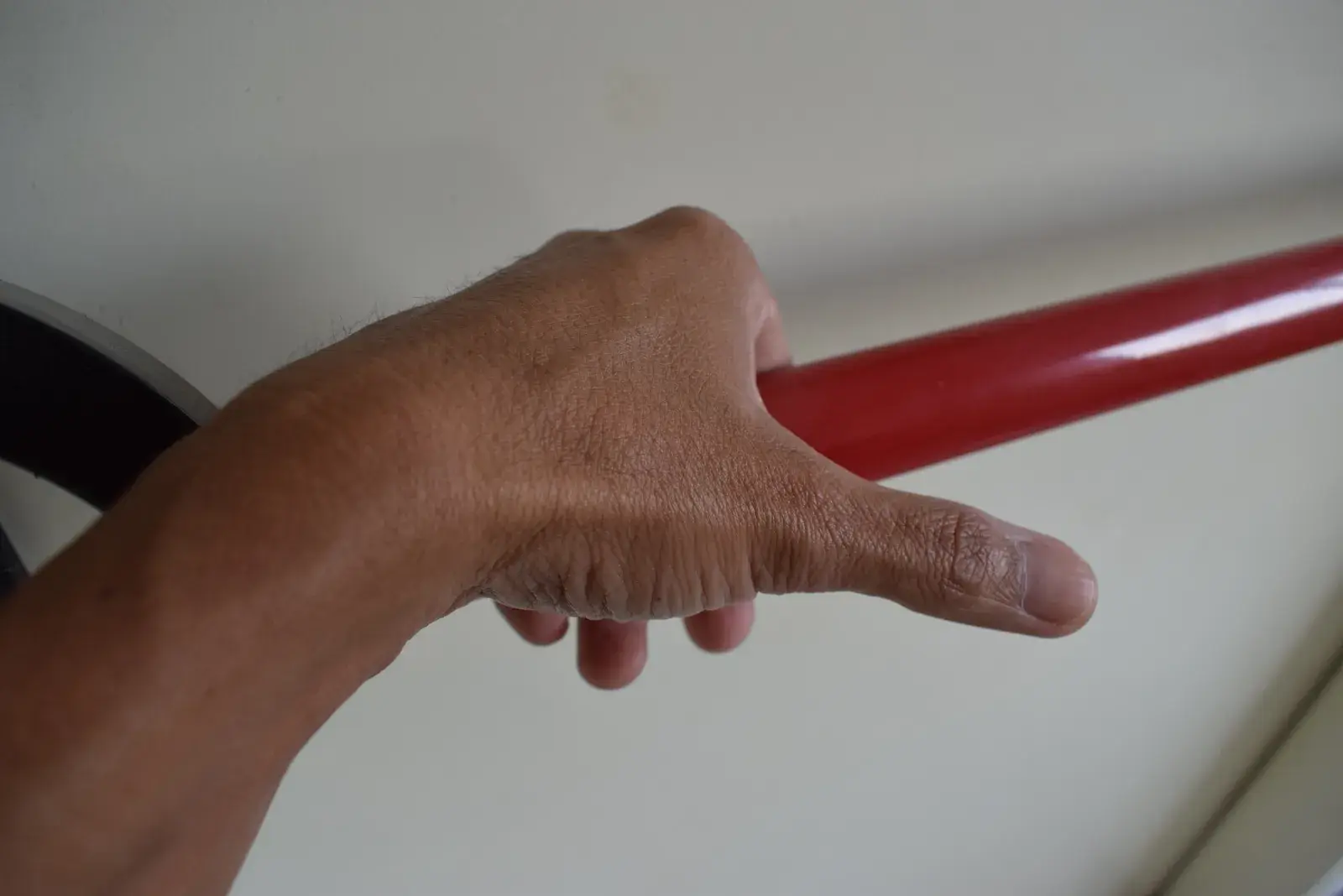 Trigger fingerSplinting, gliding exercises and grip changes for a finger or thumb that catches, clicks or locks.
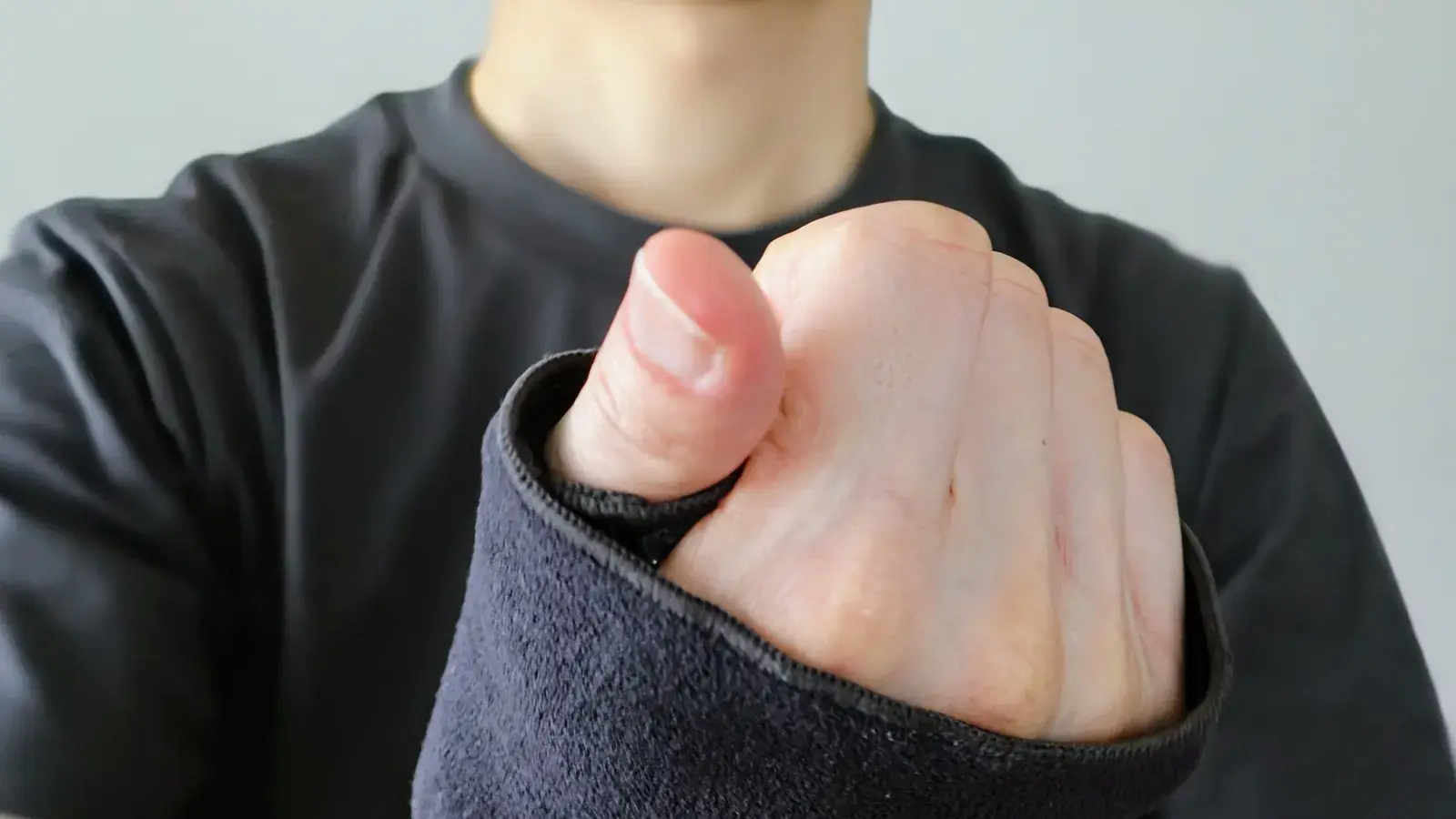 Wrist tendinitisRelief and rebuilding for tendon pain at the wrist, especially De Quervain’s on the thumb side, common in new parents.
Page reviewed By the Monon Therapy Collective editorial team

Carmel City Center · Carmel, Indiana
Start with a conversation
Tell us what hurts and what you want to get back to. We will tell you honestly whether a therapist in the network is likely a good fit for what you describe, and match you with an independent, licensed therapist who is. Only that therapist can assess what will help.
885 Monon Green Blvd, Suite 120, Carmel, IN 46032 · Monday to Friday 5 AM to 9 PM · Saturday and Sunday 7 AM to 4 PM