Wrist tendinitis physical therapy in Carmel, Indiana
Wrist tendinitis is irritation of one of the tendons that cross the wrist, and the most common form is De Quervain’s tenosynovitis, painful swelling of the two thumb tendons on the thumb side of the wrist. Physical therapy calms the tendon with a thumb splint and changes to how you lift and grip, then rebuilds strength so it tolerates daily tasks again. A licensed therapist in the network can assess your wrist one-on-one in a private suite at Carmel City Center.
At a glance
Common signs of wrist tendinitis
Also called: De Quervain’s tenosynovitis, De Quervain’s tendinosis, Mommy thumb, Intersection syndrome, Wrist tenosynovitis.
Which tendons are behind thumb-side wrist pain?
Thumb-side wrist pain is most often De Quervain’s tenosynovitis, which affects two tendons that move the thumb away from the hand and straighten it. They run together through a narrow tunnel over the bony knob of the radius at the wrist. When that tunnel thickens and the tendons are overloaded, sliding becomes painful.
According to the American Academy of Orthopaedic Surgeons, it is seen more often in women and in people in their 40s and 50s, and it is associated with pregnancy and the weeks after birth; new parents often notice symptoms within 4 to 6 weeks of delivery. Lifting a baby repeatedly with the thumbs spread and the wrists bent is a classic trigger, which explains the nickname “mommy thumb”. Repetitive gardening, racket sports, and hours of phone texting can also contribute.
Other tendons around the wrist can be involved too. Intersection syndrome causes pain a few inches up the back of the forearm, often in rowers and weightlifters. Tendon irritation on the little finger side (extensor carpi ulnaris) is common in golfers, tennis players and people who twist the forearm under load; our page on wrist pain on the pinky side covers that area.
What does the Finkelstein test show about the wrist?
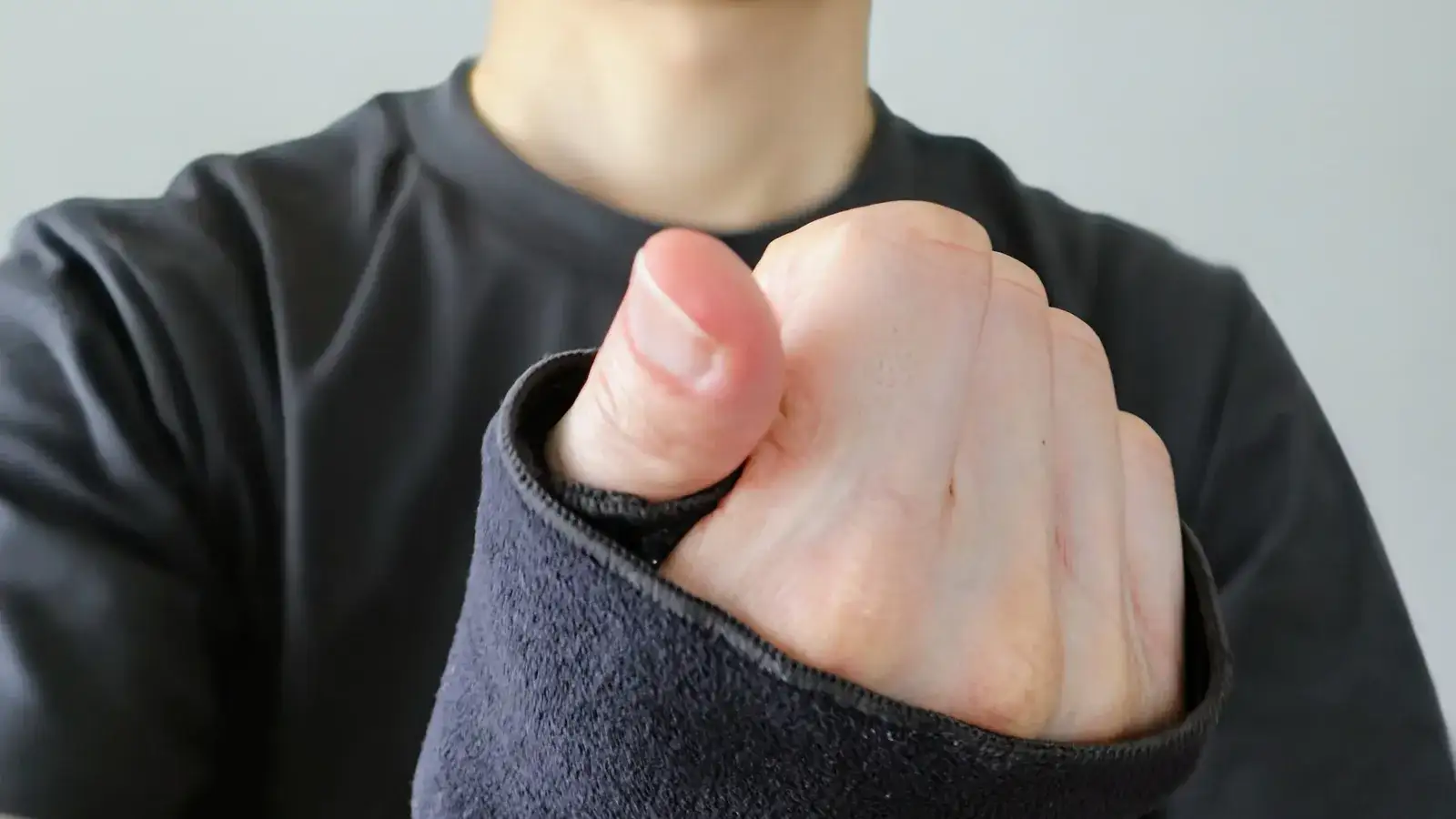
The Finkelstein test stretches the two thumb tendons, and sharp pain over the thumb-side wrist during the test supports De Quervain’s. You tuck your thumb into your palm, close your fingers over it, and gently tilt the wrist toward the little finger. A physical therapist will compare it with the other side.
An examination also rules out look-alikes. Arthritis at the base of the thumb causes pain lower down, at the joint where the thumb meets the wrist, and hurts with grinding. A scaphoid fracture after a fall causes tenderness in the hollow on the thumb side of the wrist and needs an X-ray. Nerve irritation produces burning or tingling over the back of the thumb rather than deep tendon pain.
Your therapist will also ask what your hands do all day: lifting a newborn, using hand tools, gripping a racket or barbell, typing on a phone, or caring for a relative. That list shapes the plan as much as the test does.
How do thumb splints and lifting changes calm De Quervain’s?
A thumb spica splint holds the thumb and wrist still in a comfortable position, which gives the irritated tendons a rest while you keep using the hand. AAOS describes a removable splint that keeps the wrist straight and the thumb still, especially helpful at night, as a standard first step, with corticosteroid injections from a physician as another nonsurgical option.
Changing how you lift is just as important. For parents, scooping the baby with your forearms and palms facing up, rather than lifting under the arms with the thumbs spread, takes much of the load off. Keeping the wrist straight while pouring, carrying grocery bags on the forearm, and using a stylus or voice typing for long messages all help.
As pain settles, therapy shifts toward loading: thumb and wrist isometrics, then light resistance with putty, bands and small dumbbells, then grip and forearm strength. A good plan also checks the elbow and shoulder, since a weak shoulder often makes the hand and wrist do more of the work.
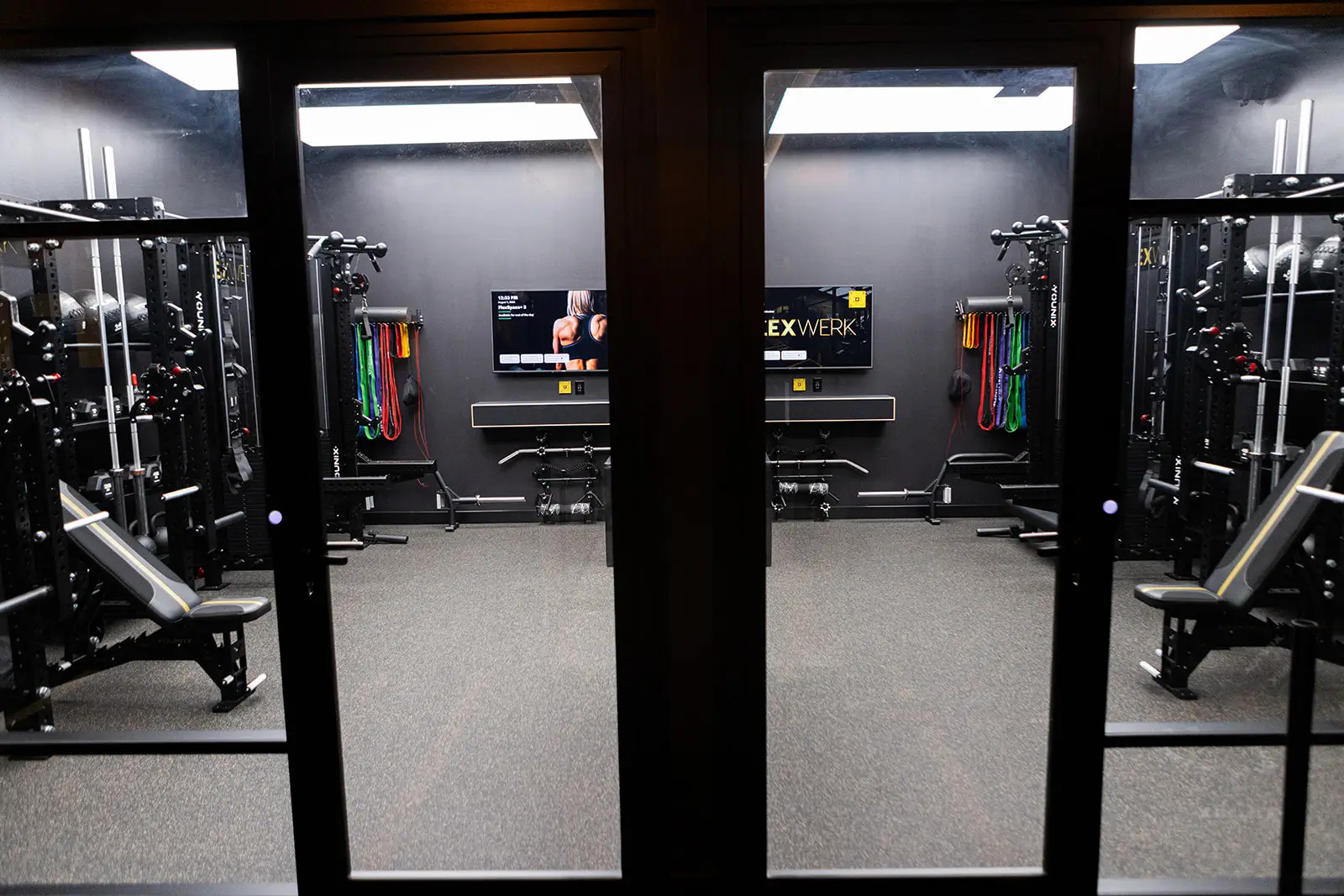
Sessions in a private suite make it easy to rehearse the real task. A therapist can practice lifting a weighted bag or car seat with you, check your grip on a kettlebell handle, or watch a rowing stroke on the cable column, then adjust the technique on the spot. That rehearsal tends to stick better than a printed sheet of exercises, and it means the home program fits the life you actually have.
- Thumb spica splint at night and for flare-up tasks
- Forearm-under lifting technique for babies and toddlers
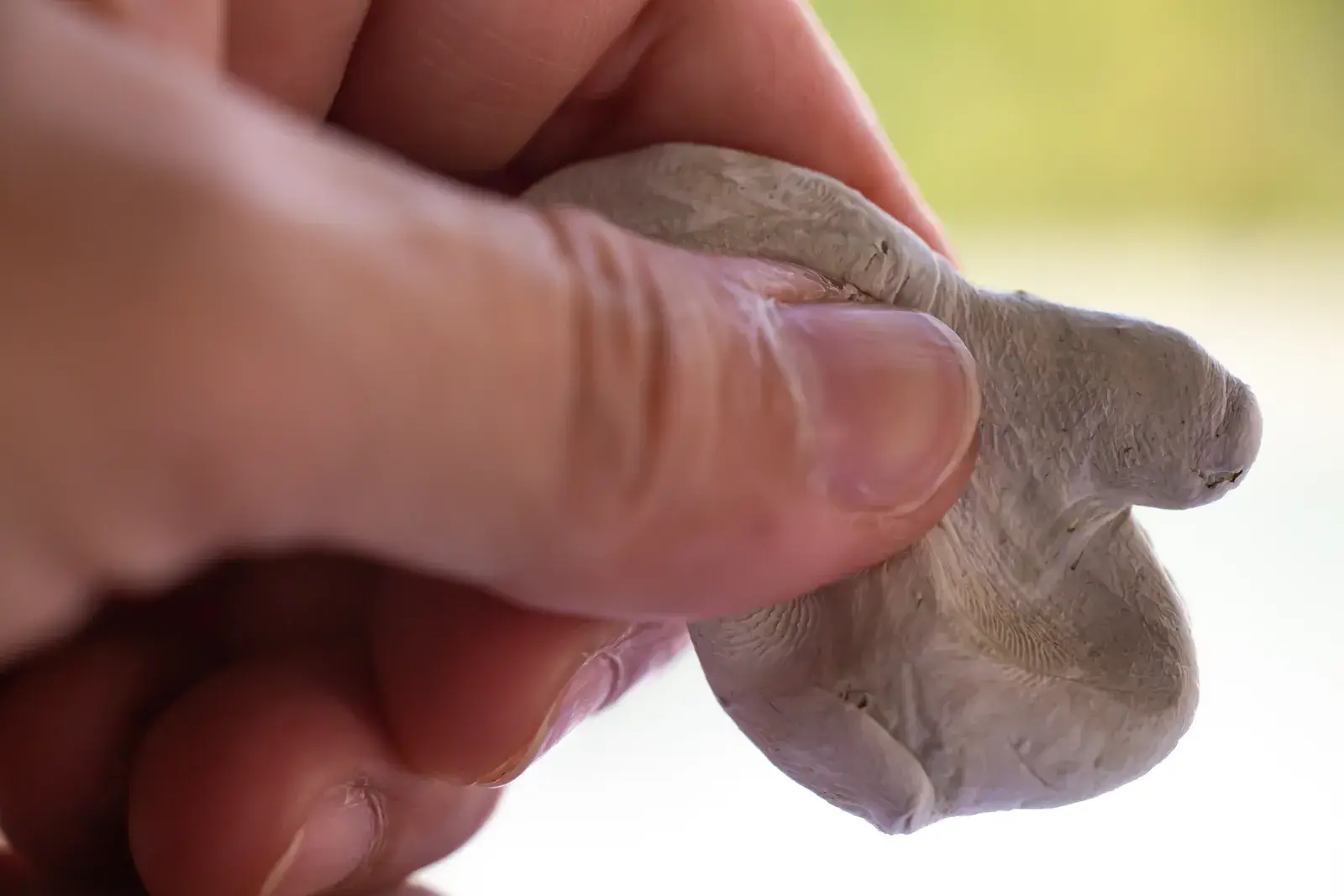
- Isometric holds, then band and putty work for the thumb
- Wrist and forearm strengthening with light dumbbells
- Gradual return to gripping, rowing, racket or barbell work
How many weeks does wrist tendinitis usually last?
Many people improve over 4 to 8 weeks with a splint, activity changes and graded loading, though tendon problems that have been present for months may take longer. AAOS notes that surgery to release the tendon tunnel may be recommended if symptoms are severe or have not improved after six weeks of nonsurgical treatment.
For new parents, symptoms frequently fade as the baby grows, feeding routines change and lifting becomes less frequent, especially once lifting technique has changed. Recovery depends on how irritable the tendon is, how much load you can trim, and your general health; diabetes and rheumatoid arthritis can slow things down.
Flare-ups are common along the way, often after an unusually busy day such as a long drive, a move, or a weekend of yard work in spring. A flare is usually a sign to drop back a step for a few days, not a sign that the plan has failed. Your therapist will help you set a level of daily load that the tendon tolerates, then raise it gradually.
- First 2 weeks: splinting, lifting changes, gentle range of motion.
- Weeks 2 to 6: isometrics and light resistance as pain allows.
- Weeks 6 and beyond: heavier grip and forearm strength; physician review if little has changed.
What eases thumb-side wrist pain while caring for a baby?
Small changes in how you handle the baby make the biggest difference. Lift with your palms up and forearms underneath, support the baby’s head with pillows when feeding so the wrist is not holding a bent position for long periods, and share lifting with a partner where you can.
Ice can help after a busy day. Avoid repeatedly testing the wrist with the Finkelstein position, and avoid stretching through sharp pain. If you are breastfeeding and considering medication or an injection, discuss it with your physician.
If you are also recovering from pregnancy in other ways, the postpartum physical therapy page may be useful. When the wrist is still sore after a couple of weeks, the online assessment questionnaire tells the matching team about it, and they will be in touch to talk through options and timing.
When to see a physician or go to the ER first
Physical therapy is the right start for most wrist tendinitis. These symptoms are different and need medical attention before, or instead of, a physical therapy visit:
- A fall onto an outstretched hand with tenderness in the hollow at the base of the thumb
- A hot, red, swollen wrist with fever
- Swelling in several joints at once, or morning stiffness lasting more than an hour
- Numbness or color change in the fingers
- Severe pain that stops you moving the wrist at all
If you think it is an emergency, call 911.
Two-minute assessment
Get your wrist tendinitis looked at
Tell us how your wrist tendinitis started, how long it has been going on and what it is stopping you from doing. The matching team proposes a therapist in the network who focuses on it, and you hear back, usually within one business day.
- No referral needed to start in Indiana (first 42 days)
- We check which therapists work with your plan before you book
- One-on-one care in a private suite at Carmel City Center
How therapists treat it
Kinds of care used for wrist tendinitis
Questions
Wrist tendinitis: what people ask
Information on this website is general education, not medical advice, a diagnosis or a treatment plan. Only a licensed clinician who examines you can advise on your condition. If you may be having a medical emergency, call 911.
Something we did not cover? Ask the matching team or ring (888) 353-9975.
Is De Quervain’s the same as carpal tunnel?
No. De Quervain’s affects thumb tendons on the outside of the wrist and causes pain; carpal tunnel affects a nerve on the palm side and causes numbness and tingling. Read more on carpal tunnel syndrome.
Can I keep lifting weights with wrist tendinitis?
Often yes, with changes such as neutral-grip handles, wrist wraps for pressing, or straps for pulls while the tendon recovers.
Can I still play pickleball or tennis with wrist tendinitis?
Many players keep going with shorter sessions, a slightly larger grip, and less wrist flick on shots while strength is rebuilt. Sharp pain on every shot is a reason to pause and get it assessed.
Does wrist tendinitis go away on its own?
Sometimes, especially when the trigger stops, such as a baby no longer needing frequent lifting. Splinting and loading usually shorten the process.
Is a cortisone injection a good idea for De Quervain’s?
Injections are a common, effective option for many people and are given by a physician. Physical therapy can be used alongside to address grip and lifting habits.
Who treats wrist tendon problems, a hand therapist or a physical therapist?
Both can. Certified hand therapists have advanced training; the matching team will tell you honestly whether a therapist in the network suits your wrist. See hand therapy in Carmel.
Google reviews
What guests say about FlexWerk
These are live Google reviews of FlexWerk at Carmel City Center, the private-suite facility where therapists in the network practise.
Related
Conditions that travel together
 Carpal tunnel syndromeNight splinting, nerve glides and hand-use changes for numb, tingling fingers caused by pressure at the wrist.
 Thumb arthritisSplints, joint protection and stabilizing exercises for an aching base of the thumb.
 TendinitisProgressive tendon loading, from calming isometrics to heavy strength and sport-speed work.
Page reviewed By the Monon Therapy Collective editorial team

Carmel City Center · Carmel, Indiana
Start with a conversation
Tell us what hurts and what you want to get back to. We will tell you honestly whether a therapist in the network is likely a good fit for what you describe, and match you with an independent, licensed therapist who is. Only that therapist can assess what will help.
885 Monon Green Blvd, Suite 120, Carmel, IN 46032 · Monday to Friday 5 AM to 9 PM · Saturday and Sunday 7 AM to 4 PM