Postpartum physical therapy in Carmel, Indiana
Postpartum physical therapy helps you rebuild the abdominal wall, pelvic floor and strength that pregnancy and birth changed, whether you delivered vaginally or by C-section. A pelvic health trained therapist checks for abdominal separation, pelvic floor weakness or tension, back and pelvic pain and scar mobility, then sets a graded plan back to lifting, running and sport. Near Carmel, the matching team tells you honestly before booking whether a therapist in the network currently offers pelvic health care.
At a glance
Common signs of postpartum recovery
Also called: Postnatal physical therapy, Postnatal rehab, Diastasis recti, Pelvic floor recovery after birth, C-section recovery.
Which body changes after birth does postpartum therapy address?
It addresses the musculoskeletal side of recovery: the abdominal wall, the pelvic floor, the pelvis and back, and the new physical job of feeding, lifting and carrying an infant. Pregnancy stretches the abdominal muscles and the connective tissue between them (the linea alba), and birth, especially a long pushing stage or an assisted delivery, stretches and sometimes tears the pelvic floor.
A gap between the two sides of the six-pack muscle, called diastasis recti abdominis, is normal late in pregnancy and narrows on its own for many people in the first months. When it does not, or when the midline feels soft and domes when you sit up, targeted training helps. Pelvic floor symptoms such as leaking, heaviness or pain are common but are not something you simply have to accept.
Body mechanics change too. Repeated car seat lifts, nursing posture and carrying on one hip load the back, neck and wrists. The carrying kids without back pain guide covers practical tips, and pregnancy back pain physical therapy covers pain that started before delivery.
Sleep loss and the sheer repetition of newborn care matter too. A parent may lift a baby dozens of times a day, often half asleep and twisting to reach a crib or car seat. Small adjustments to how you bend, where you place the changing table and how you hold the baby while feeding often relieve more pain than any single exercise.
What happens at a postpartum pelvic health evaluation?
A postpartum evaluation combines a conversation about your pregnancy, delivery and symptoms with an examination of the abdomen, back, hips and pelvic floor. The therapist checks the width and depth of any abdominal separation with fingertips while you lift your head, watches how you breathe and brace, and looks at how you lift and carry.
Pelvic floor assessment may include an internal vaginal exam, which gives the clearest picture of strength, coordination and tension. It is always optional, explained first and done only with your consent; external and observational methods are alternatives. A cesarean scar is checked for mobility and sensitivity once it is fully healed.
Most people come after their obstetric follow-up has confirmed healing. ACOG advises that postpartum care be ongoing, with a comprehensive visit no later than 12 weeks after birth, and that visit is a natural point to raise pelvic floor or abdominal concerns.
Bring notes on your delivery, such as whether there was a tear, stitches, a vacuum or forceps, or a cesarean, plus any symptoms you have noticed with lifting, coughing or intercourse. Those details shape which tests are useful and how quickly loading can progress.
How is diastasis recti and pelvic floor weakness rebuilt after delivery?
Rebuilding starts with breathing and coordination and progresses to real loading. Early work teaches the pelvic floor and deep abdominal muscles to engage with an exhale, then layers in heel slides, bridges and side-lying work. As control improves, the plan moves to squats, carries, rows and presses, because the abdominal wall adapts to gradually increasing load, not to avoidance.
Pelvic floor training follows the findings. A weak pelvic floor gets progressive strengthening; an overactive, tight one gets relaxation and lengthening first. Scar mobilization can ease tugging around a cesarean incision. Detail on the specialty is on the pelvic floor physical therapy page.
Return to running deserves its own plan. A widely used 2019 postnatal return-to-running guideline by UK physiotherapists Goom, Donnelly and Brockwell advises against running before 3 months postnatal, suggests aiming for 3 to 6 months, and asks for simple load and impact tests first, such as ten hops and ten single-leg squats on each side without leaking, heaviness or pain.
- Breath-coordinated pelvic floor and deep abdominal activation
- Graded core loading that respects abdominal separation
- Lifting and carrying practice for the car seat and stroller
- Strength work for hips, back and upper body
- Scar mobilization after a cesarean delivery
- Impact testing before running, jumping or court sports
When can I return to running and lifting after having a baby?
Gentle walking and pelvic floor exercises can usually start within days of an uncomplicated birth if you feel ready, while running and high-impact training are generally safer left until around 12 weeks or later. Cesarean recovery and perineal tears often extend those ranges. A typical progression is listed below, not a schedule anyone can promise.
Training for the Carmel Marathon in April or the Indy Mini in May after a winter baby is realistic for some people and too soon for others. The return to running walk-run plan shows how a graded build looks once impact testing is passed.
- Weeks 0 to 6: rest, short walks, breathing with pelvic floor activation, and gentle movement as comfort allows.
- Weeks 6 to 12: after obstetric clearance, progressive strength work, carrying practice and low-impact cardio such as cycling or brisk walking.
- From about 12 weeks: impact testing, then a graded walk-run return and heavier lifting if no leaking, heaviness or pain appears.
- Months 4 to 12: building back to races, court sports or barbell training at a pace your body tolerates.
How do I find a pelvic health physical therapist after giving birth in Carmel?
Look for a therapist with post-graduate pelvic health training, such as APTA Pelvic Health coursework or board certification in pelvic and women’s health through the American Board of Physical Therapy Specialties, who sees postpartum patients regularly. Pelvic health is a specialty, so availability here depends on which therapists are in the network at the time.
Mention postpartum recovery on the online questionnaire. The matching team tells you honestly whether a therapist in the network currently provides pelvic health care, and if none does, says so before anything is booked and describes what to look for elsewhere. Ask any practice whether you can bring your baby to visits and how they handle internal exams.
Indiana direct access usually lets you start without a referral, though some insurance plans want one.
When to see a physician or go to the ER first
Physical therapy is the right start for most postpartum recovery. These symptoms are different and need medical attention before, or instead of, a physical therapy visit:
- Heavy bleeding that soaks through one or more pads in an hour
- Fever, or a cesarean incision that is red, hot, oozing or opening
- Calf pain, swelling or warmth, or sudden shortness of breath (possible clot)
- Severe headache, vision changes or chest pain
- Inability to pass urine, or new loss of bowel control
- Thoughts of harming yourself or your baby (call 988 or 911)
If you think it is an emergency, call 911.
Two-minute assessment
Get your postpartum recovery looked at
Tell us how your postpartum recovery started, how long it has been going on and what it is stopping you from doing. The matching team proposes a therapist in the network who focuses on it, and you hear back, usually within one business day.
- No referral needed to start in Indiana (first 42 days)
- We check which therapists work with your plan before you book
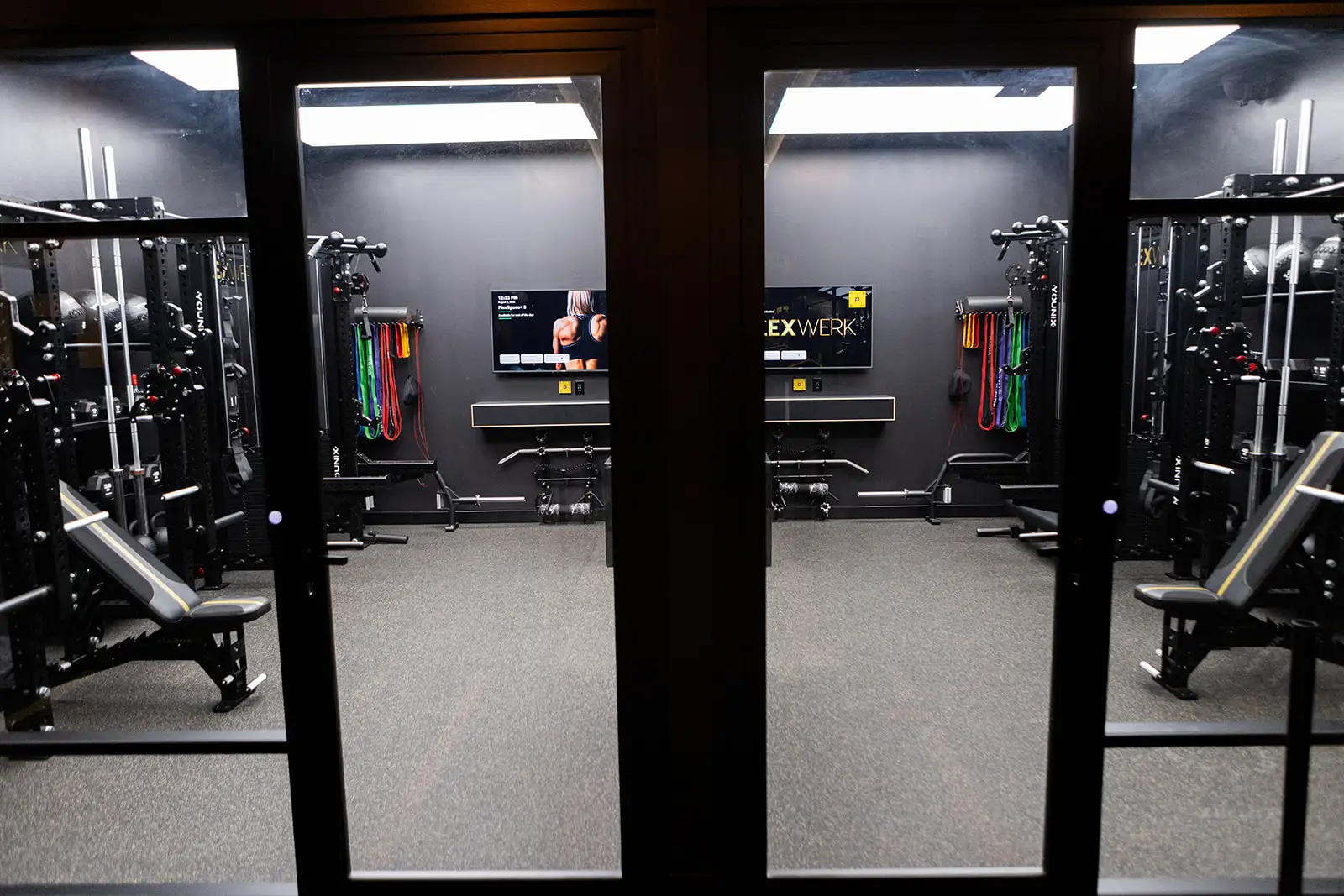
- One-on-one care in a private suite at Carmel City Center
How therapists treat it
Kinds of care used for postpartum recovery
- Pelvic floor physical therapyCare for leaks, pelvic pain and postpartum recovery from a therapist with pelvic health training, with a private, consent-led exam.
- Post-rehab strength trainingThe bridge from discharge to lasting strength: a written handoff from your therapist to a FlexWerk coach in the same building.
Questions
Postpartum recovery: what people ask
Information on this website is general education, not medical advice, a diagnosis or a treatment plan. Only a licensed clinician who examines you can advise on your condition. If you may be having a medical emergency, call 911.
Something we did not cover? Ask the matching team or ring (888) 353-9975.
Is leaking urine after childbirth normal?
It is common, especially in the first weeks, but persistent leaking is treatable rather than something to put up with. The urinary incontinence physical therapy page explains the first-line approach.
Do I need postpartum physical therapy after a C-section?
Not everyone does, but a cesarean is major abdominal surgery and many people benefit from help with scar mobility, abdominal strength and lifting mechanics once the incision has healed.
Should I avoid crunches with diastasis recti?
Not forever. Many people progress back to curl-ups and heavier core work once they can control the midline, and a therapist sets that progression after examining the gap.
Is an internal pelvic exam required?
No. It is optional, explained beforehand and done only with your consent, and a therapist can work with external assessment if you prefer.
How long after birth can I start postpartum physical therapy?
Many people start after their obstetric provider confirms healing, which ACOG frames as contact within the first three weeks and a comprehensive visit by 12 weeks, but advice on breathing, walking and pelvic floor activation can begin earlier.
Can postpartum physical therapy help with wrist pain from lifting my baby?
Often yes. Thumb-side wrist pain from repeated lifting is common in new parents, and changing how you scoop and hold the baby, plus targeted strengthening, usually eases it. See wrist tendinitis physical therapy for more.
Google reviews
What guests say about FlexWerk
These are live Google reviews of FlexWerk at Carmel City Center, the private-suite facility where therapists in the network practise.
Related
Conditions that travel together
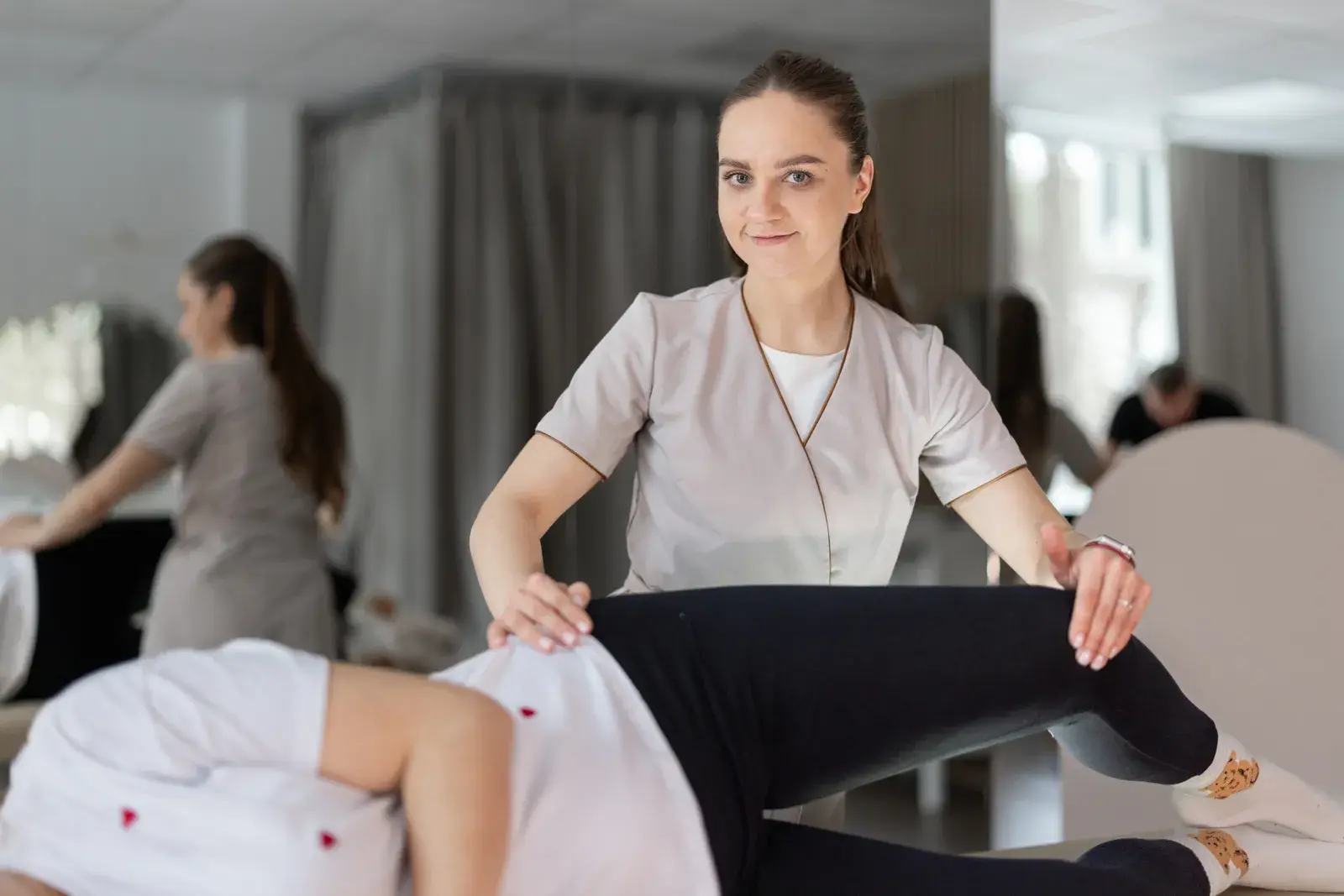 Pregnancy back painExercise and movement strategies for low back and pelvic girdle pain during pregnancy, coordinated with your prenatal care.
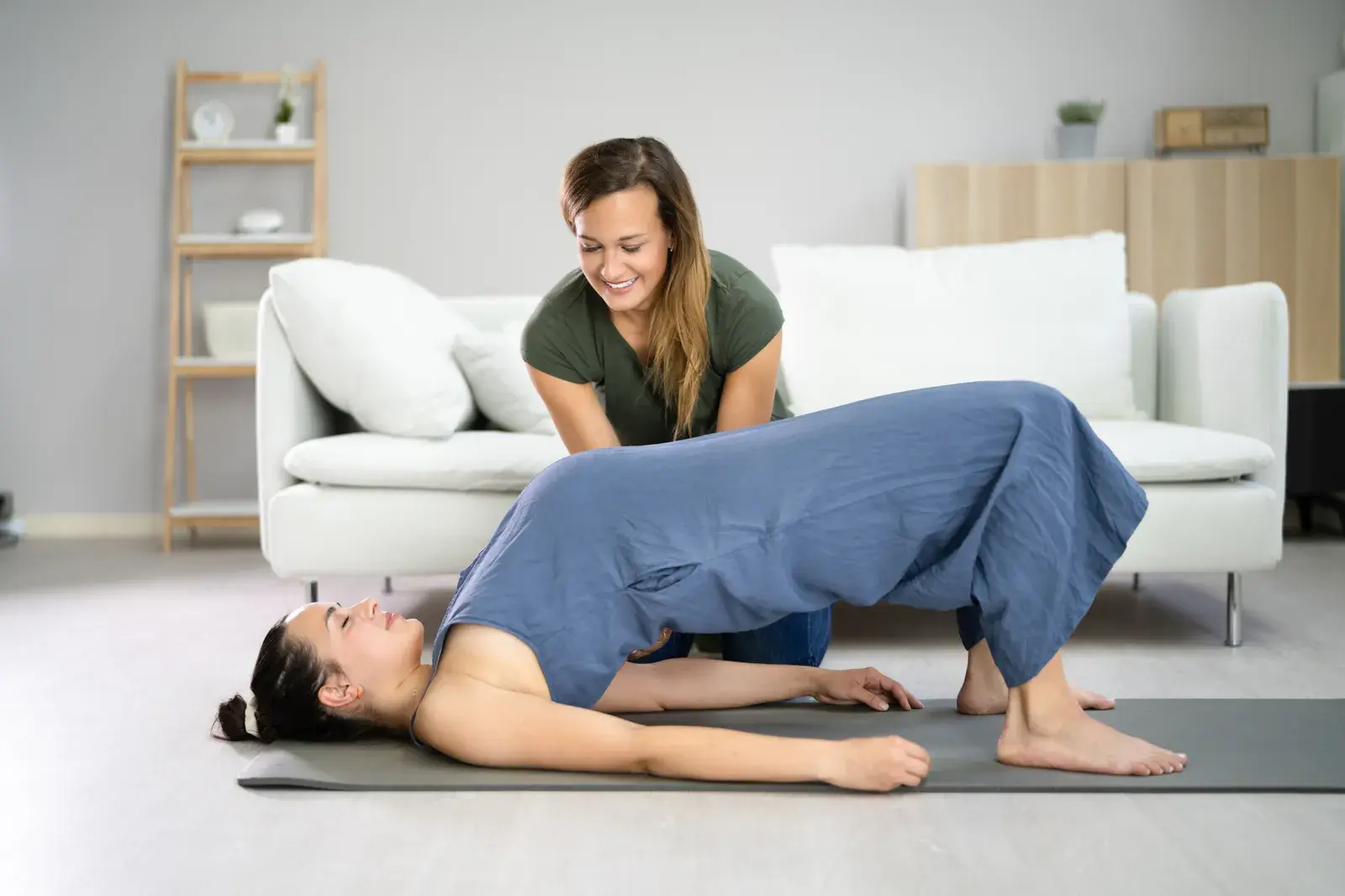 Urinary incontinencePelvic floor training, bladder retraining and urge control for leaks with coughing, exercise or sudden urgency, in women and men.
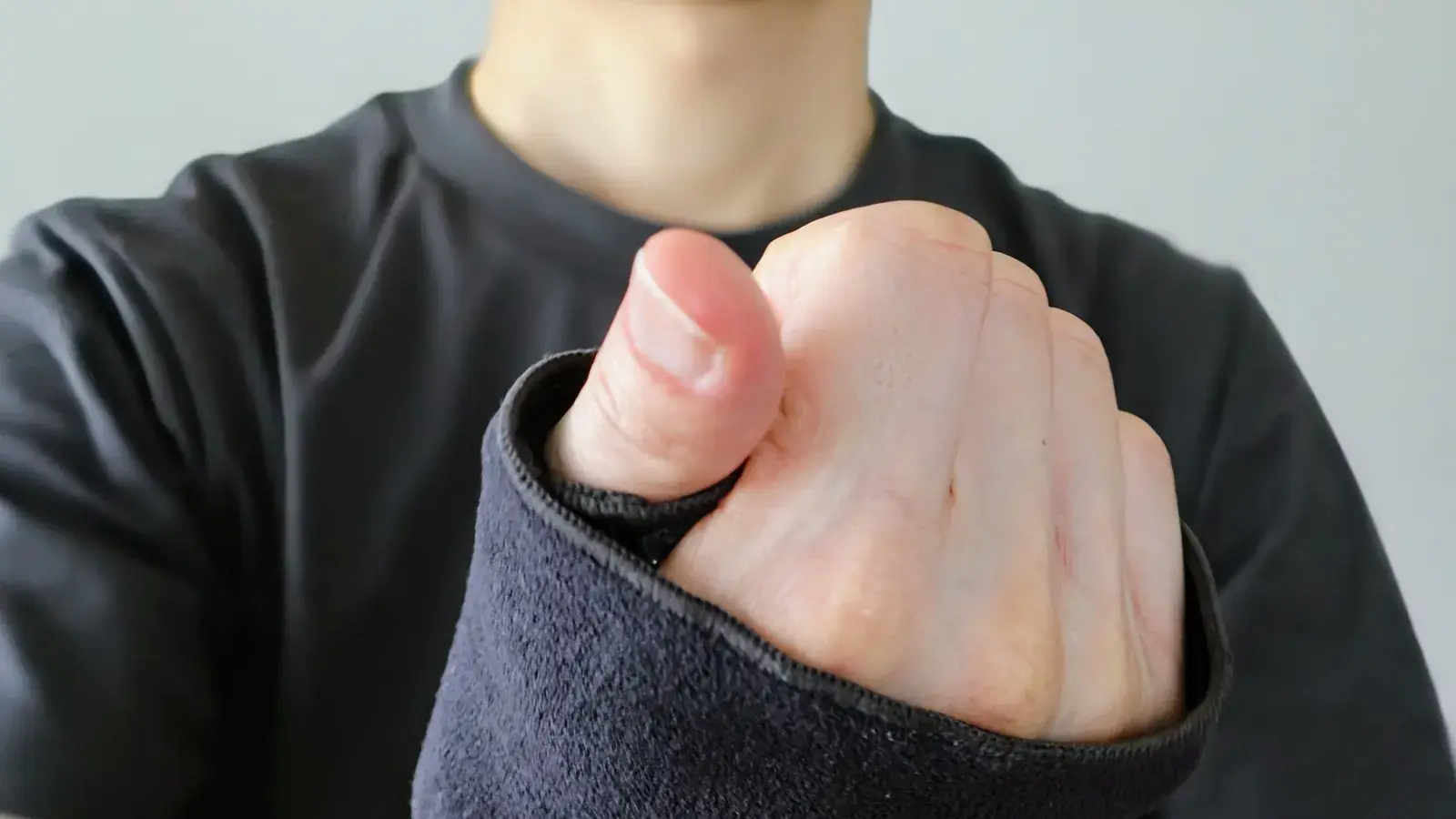 Wrist tendinitisRelief and rebuilding for tendon pain at the wrist, especially De Quervain’s on the thumb side, common in new parents.
Page reviewed By the Monon Therapy Collective editorial team

Carmel City Center · Carmel, Indiana
Start with a conversation
Tell us what hurts and what you want to get back to. We will tell you honestly whether a therapist in the network is likely a good fit for what you describe, and match you with an independent, licensed therapist who is. Only that therapist can assess what will help.
885 Monon Green Blvd, Suite 120, Carmel, IN 46032 · Monday to Friday 5 AM to 9 PM · Saturday and Sunday 7 AM to 4 PM