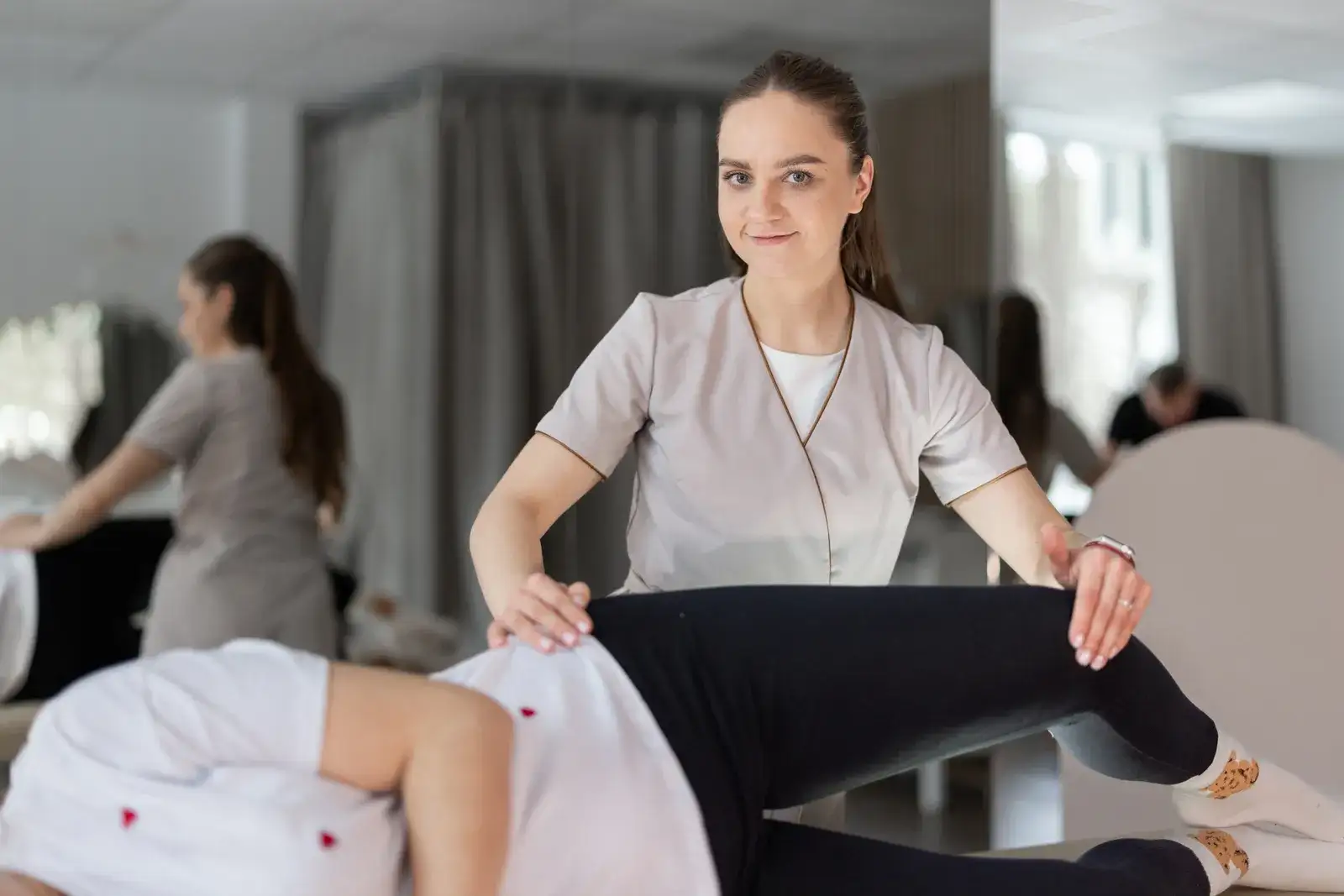
Pregnancy back pain physical therapy in Carmel, Indiana
Low back and pelvic girdle pain are very common in pregnancy, and physical therapy is a safe, drug-free way to manage them alongside your prenatal care. A licensed physical therapist can assess whether the pain comes from the low back, the sacroiliac joints or the front of the pelvis, then teach movement strategies, strengthening and support options for each trimester. Whether a therapist in the network with pelvic health training is available depends on who is in the network at the time, and the matching team tells you honestly before anything is booked.
At a glance
Common signs of pregnancy back pain
Also called: Pelvic girdle pain, PGP, Symphysis pubis dysfunction, SPD, Pregnancy-related low back pain, Sacroiliac pain in pregnancy.
Is it lower back pain or pelvic girdle pain in pregnancy, and why does it matter?
It matters because the two often need different strategies. Pregnancy-related low back pain sits above the waistline and behaves much like ordinary back pain, while pelvic girdle pain sits lower, around the sacroiliac joints at the back of the pelvis or the pubic symphysis at the front, and flares with one-legged and asymmetric movements.
Both are common. Hormonal changes, including relaxin, make ligaments more pliable, the growing baby shifts your center of mass forward, the abdominal muscles stretch, and sleep and activity levels change. None of that means anything is damaged, and pain levels often do not match what you might expect from the size of your bump.
Pelvic girdle pain is sometimes called symphysis pubis dysfunction when the front of the pelvis is the main problem. A physical therapist sorts out which pattern you have, which also shapes advice about stairs, sleep and lifting toddlers.
What tests are safe at a physical therapy evaluation during pregnancy?
The evaluation is adapted for pregnancy, using positions that stay comfortable and tests that place little stress on the abdomen. You will be asked about your pregnancy, any complications your obstetric provider has flagged, when the pain began, and which daily movements provoke it.
Typical checks include where the pain sits, gentle pain provocation tests for the sacroiliac joints and the pubic symphysis, an active straight leg raise from lying on your back for a short time or propped up, single-leg stance, walking, sit-to-stand and the movements you struggle with. Side-lying and seated positions are used freely, and lying flat on your back is kept brief later in pregnancy.
An internal pelvic floor examination is not a routine part of a back pain visit. If a therapist with additional pelvic health training is involved, any internal assessment is explained, optional and done only with your consent.
Which strategies help pregnancy back and pelvic pain from the second trimester onward?
Exercise and movement advice are the core of treatment, with support belts, positioning and manual therapy as helpers. The American College of Obstetricians and Gynecologists encourages regular physical activity in an uncomplicated pregnancy, ideally at least 150 minutes of moderate aerobic activity a week, and a therapist translates that into specific exercises that do not provoke your pain.
In a private suite, a therapist in the network might work on glute and hip strength in side-lying, supported squats and sit-to-stands, upper back and breathing work, gentle pelvic floor awareness, and walking tolerance. For pelvic girdle pain, the advice often includes keeping the knees together when rolling in bed or getting out of the car, sitting to put on pants, taking stairs one at a time and avoiding wide straddle positions.
A non-elastic pelvic support belt can help some people with pelvic girdle pain feel more stable. Hands-on techniques may ease the low back and buttocks for a while. Most people continue exercising and working throughout pregnancy with these adjustments in place.
Desk-based workers commuting along Meridian Street or Keystone Parkway often benefit from small changes as well: a lumbar roll in the car seat, standing up to stretch every half hour, and a footrest under the desk to stop the pelvis tipping forward as the bump grows. These are minor tweaks, but across a forty-hour week they add up.
- Side-lying clamshells and hip abduction
- Supported sit-to-stand and wall squats within comfort
- Cat-cow and other gentle spinal movement on hands and knees
- Breathing and pelvic floor coordination practice
- Pacing walks and standing time across the day
- Sleeping on the side with a pillow between the knees
How does the matching team handle pelvic health requests for pregnant patients?
The matching team reads your questionnaire and tells you honestly, before anything is booked, whether a therapist in the network currently has pelvic health training and fits your needs. If not, they will say so plainly and point you toward finding a pelvic health physical therapist elsewhere, rather than offering a poor fit.
Pelvic health physical therapy is a specialty area. Clinicians who practise it usually complete post-graduate courses in pregnancy, the pelvic floor and postpartum recovery, and some hold board certification from the American Board of Physical Therapy Specialties as a Pelvic and Women’s Health Clinical Specialist (PWCS), the title that replaced the older Women’s Health (WCS) credential in September 2025. When choosing a provider anywhere, it is fair to ask about that training, how they coordinate with your obstetric provider and what an appointment involves. The pelvic floor physical therapy page explains the specialty in more detail.
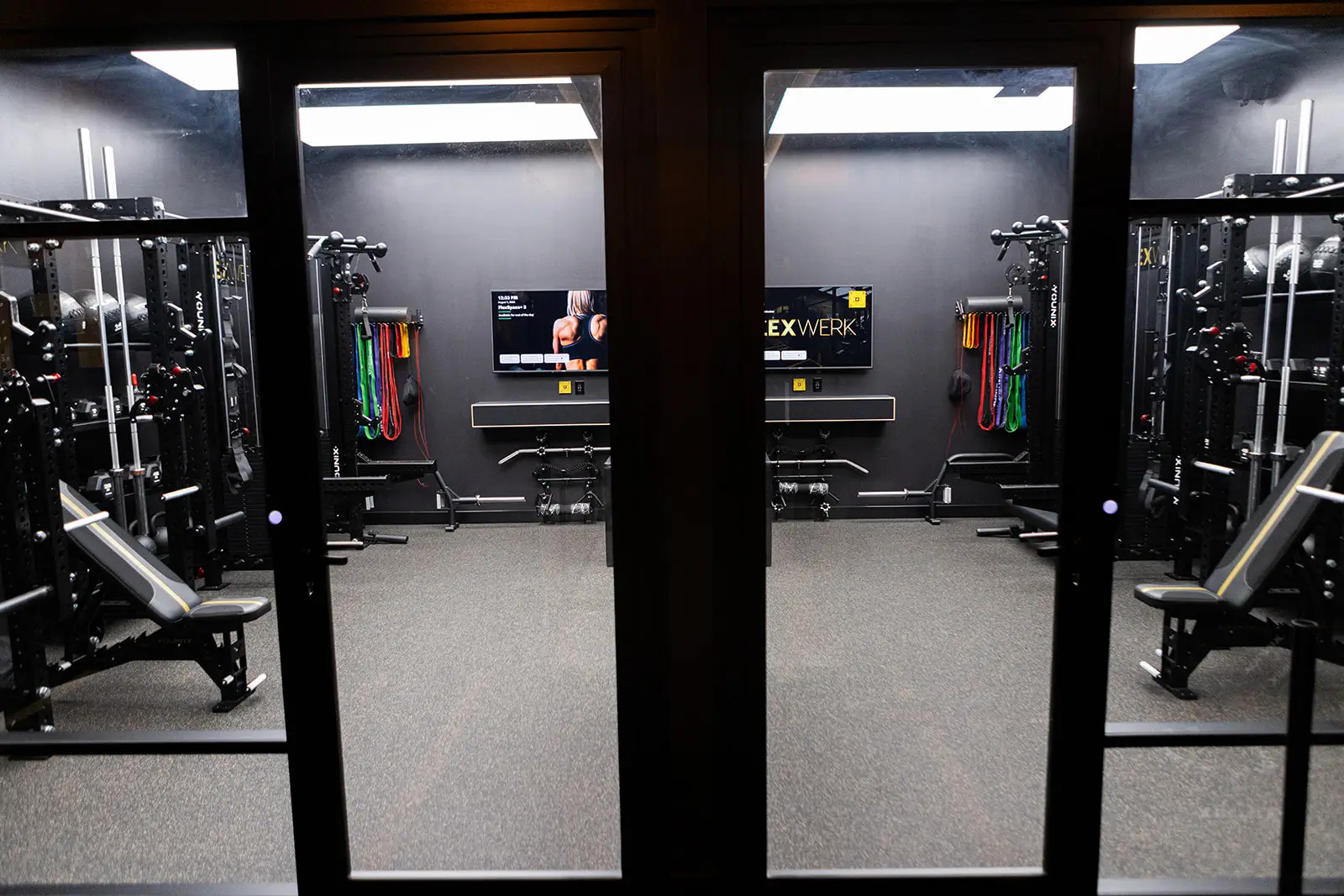
Sessions with any therapist in the network are one-on-one in a private, closed room inside FlexWerk at Carmel City Center, with garage parking a short walk away, which many pregnant people appreciate later in the third trimester.
Does pregnancy back pain go away after birth, and when should I start therapy?
For many people, pregnancy-related back and pelvic pain eases in the weeks to months after delivery, but a proportion continue to have pain afterwards. Starting care during pregnancy, when the pain begins to limit your day, is reasonable; there is no need to wait.
Within pregnancy, a short course of perhaps four to eight visits spread over a few weeks is common, with a home program you can adjust as your body changes. After birth, recovery is a separate phase covered on the postpartum physical therapy page, and your obstetric provider usually clears you for exercise first.
If you would like help now, the physical therapy assessment asks about your symptoms and due date. You can also read whether physical therapy is safe while pregnant for a broader explanation.
When to see a physician or go to the ER first
Physical therapy is the right start for most pregnancy back pain. These symptoms are different and need medical attention before, or instead of, a physical therapy visit:
- Vaginal bleeding or a gush or trickle of fluid: contact your obstetric provider or go to labor and delivery
- Rhythmic, cramping back pain that comes and goes regularly, which can be labor, including preterm labor
- Fever, burning with urination or pain in the side of the back, which can signal a kidney infection
- Severe headache, vision changes or sudden swelling of the face and hands
- Calf pain and swelling in one leg, which can signal a blood clot
- Numbness in the saddle area, leg weakness, or new bladder or bowel control problems
If you think it is an emergency, call 911.
Two-minute assessment
Get your pregnancy back pain looked at
Tell us how your pregnancy back pain started, how long it has been going on and what it is stopping you from doing. The matching team proposes a therapist in the network who focuses on it, and you hear back, usually within one business day.
- No referral needed to start in Indiana (first 42 days)
- We check which therapists work with your plan before you book
- One-on-one care in a private suite at Carmel City Center
How therapists treat it
Kinds of care used for pregnancy back pain
- Pelvic floor physical therapyCare for leaks, pelvic pain and postpartum recovery from a therapist with pelvic health training, with a private, consent-led exam.
- Orthopedic physical therapyExercise-led care for back, neck, shoulder, hip, knee and ankle problems, delivered one-on-one in a private suite.
Questions
Pregnancy back pain: what people ask
Information on this website is general education, not medical advice, a diagnosis or a treatment plan. Only a licensed clinician who examines you can advise on your condition. If you may be having a medical emergency, call 911.
Something we did not cover? Ask the matching team or ring (888) 353-9975.
Do I need permission from my OB or midwife to start physical therapy?
Indiana direct access lets a physical therapist evaluate without a referral, but it is sensible to tell your obstetric provider and to share any pregnancy complications with the therapist. Some insurance plans also ask for a referral before covering visits.
Is a pregnancy support belt worth trying?
A non-elastic pelvic belt helps some people with pelvic girdle pain, especially when walking or standing for long periods. It is most useful as one part of a plan that also includes exercise and movement changes.
Can I keep lifting weights while pregnant with back pain?
Many people continue strength training with their obstetric provider’s approval, using lighter loads, avoiding breath-holding and modifying exercises that provoke pelvic pain. A therapist can help you choose which lifts to keep.
Will pregnancy pelvic pain happen again in a future pregnancy?
Pelvic girdle pain can recur in later pregnancies, though not always. Staying strong between pregnancies and seeking help early the next time are both reasonable steps.
Is sciatica during pregnancy the same thing?
Leg pain in pregnancy is more often referred from the pelvis than true nerve compression, though both happen. Read sciatica physical therapy for the nerve-related picture, and mention any numbness or weakness to your provider.
Google reviews
What guests say about FlexWerk
These are live Google reviews of FlexWerk at Carmel City Center, the private-suite facility where therapists in the network practise.
Related
Conditions that travel together
 Postpartum recoveryRecovery after vaginal or cesarean birth: abdominal separation, pelvic floor, scar care and a graded return to exercise.
- SI joint painTesting and strengthening for one-sided pain below the belt line from the sacroiliac joint.
 Low back painActive, one-on-one care for new or long-running low back pain, from first flare-up to confident lifting.
Page reviewed By the Monon Therapy Collective editorial team

Carmel City Center · Carmel, Indiana
Start with a conversation
Tell us what hurts and what you want to get back to. We will tell you honestly whether a therapist in the network is likely a good fit for what you describe, and match you with an independent, licensed therapist who is. Only that therapist can assess what will help.
885 Monon Green Blvd, Suite 120, Carmel, IN 46032 · Monday to Friday 5 AM to 9 PM · Saturday and Sunday 7 AM to 4 PM