
Pelvic floor physical therapy in Carmel, Indiana
Pelvic floor physical therapy treats problems with the muscles that support the bladder, bowel and pelvic organs, such as bladder leaks, pelvic pain, pain with sex and recovery after pregnancy or prostate surgery. A physical therapist with specific pelvic health training assesses how those muscles contract and relax and teaches exercise, breathing, coordination and bladder habits that fit your problem. Near Carmel, Indiana, the matching team checks whether a pelvic health trained therapist is currently in the network before anything is booked, and says so plainly if not.
What pelvic floor problems does a pelvic health therapist treat?
A pelvic health therapist treats problems where the pelvic floor muscles are too weak, too tense or poorly coordinated, in women and in men. The most common are bladder leaks, a frequent or urgent need to pass urine, pelvic and tailbone pain, pain with intercourse, constipation linked to straining, and recovery after childbirth or prostate surgery.
Leaking with a cough, sneeze or jump is called stress urinary incontinence, and a sudden, strong urge that is hard to hold is urge incontinence. Both are covered on the urinary incontinence page. Recovery after birth, including abdominal separation and a return to running, is on the postpartum physical therapy page, and pain over the coccyx is covered under tailbone pain.
- Leaking with coughing, laughing, lifting or running
- Urgency, frequency or getting up at night to pass urine
- Pelvic, vulvar, perineal or tailbone pain
- Pain with intercourse or with pelvic exams
- Heaviness or bulging that may suggest prolapse, after a physician’s assessment
- Leaks or pelvic pain after prostate surgery
What does a pelvic floor evaluation involve, and is an internal exam required?
A pelvic floor evaluation starts with a long, private conversation about bladder and bowel habits, pain, pregnancies, surgeries and goals, followed by a check of posture, breathing, hips and the lower back. An internal exam may be offered to assess how the pelvic floor muscles contract and relax, but it needs your informed consent and is never required to begin treatment.
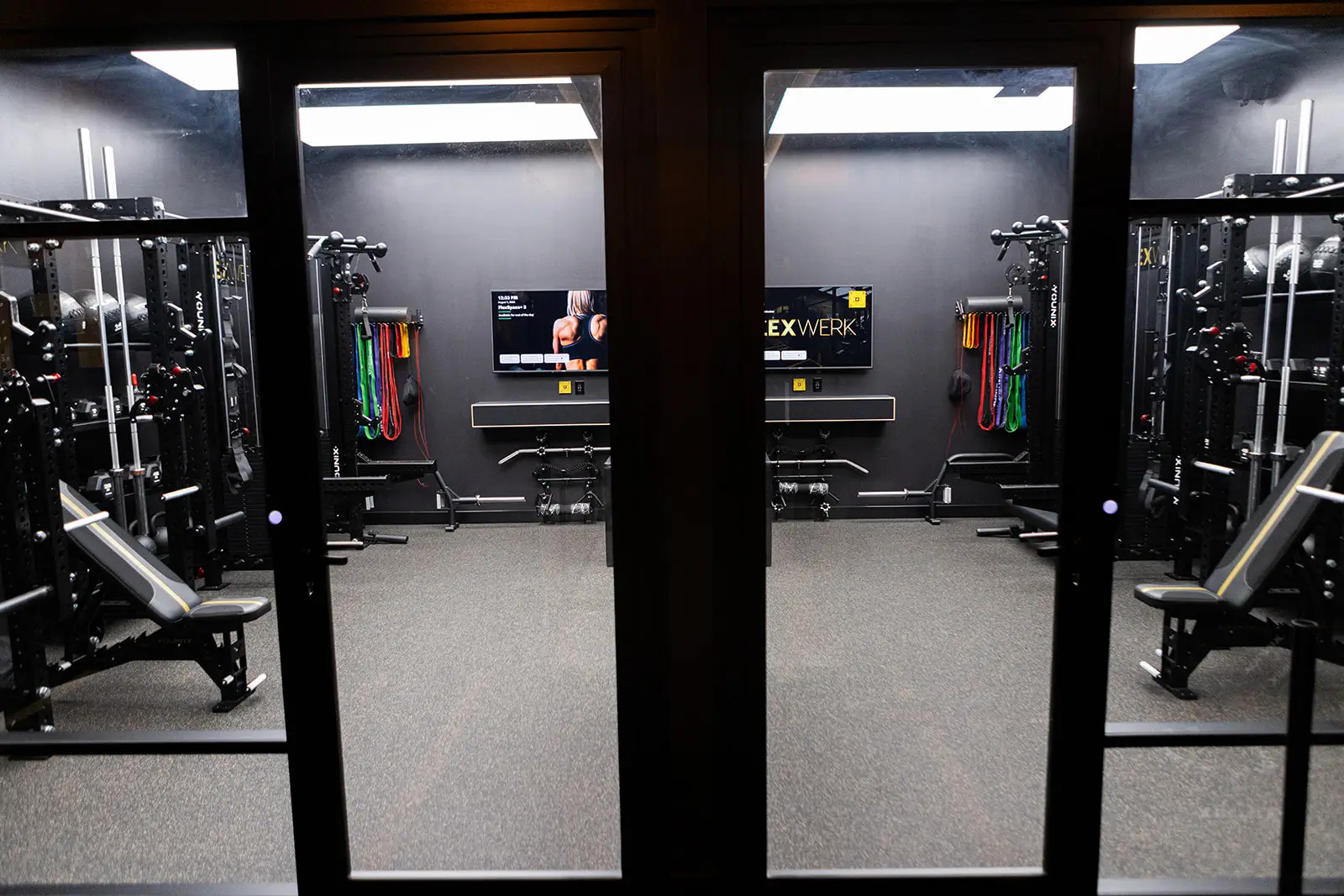
You can decline any part of the exam, ask for it to stop at any time, or bring a support person. Many therapists can learn a great deal from an external assessment and from how you breathe and brace. The private suites at Carmel City Center are closed rooms with a door, not curtained bays, which matters for a conversation and examination of this kind.
Why pelvic floor therapy is more than Kegel exercises
Pelvic floor therapy is matched to what the muscles need, and that is not always strengthening. For stress leaks, supervised pelvic floor muscle training is the usual first step: the NHS describes a program of at least eight contractions at least three times a day for at least three months, with technique checked by a specialist. For pain, tight or overactive muscles usually need to learn to relax first, and squeezing harder can make things worse.
Sessions often also include breathing and coordination drills, timing a pelvic floor contraction with lifting or coughing, bladder training to stretch the time between bathroom trips, and graded strengthening of the hips and trunk. Later stages can use the rack and weights in the suite to rehearse lifting children, groceries or a barbell without leaking, which links closely to pregnancy back pain and to returning to the gym.
Runners are a good example of why the plan has to fit the person. Leaking that appears only after a few miles on the Monon Trail, or on the downhill stretches of a race, is often about fatigue and impact rather than a weak squeeze at rest. A pelvic health therapist may build endurance in the pelvic floor and hips, adjust breathing and stride, and add hopping and impact drills in stages so a spring race such as the Indy Mini stays realistic.
- Pelvic floor muscle training, progressed in hold time, speed and position
- Down-training and relaxation for tense, painful muscles
- Breathing and pressure management during lifting and exercise
- Bladder training and habit changes for urgency and frequency
- Return to running, lifting or sport with symptom checkpoints
Credentials to look for in a pelvic health physical therapist
Pelvic health is taught only briefly in general physical therapy training, so look for a therapist who has completed recognized post-graduate pelvic health education. The Academy of Pelvic Health Physical Therapy awards the Certificate of Advanced Practice in Pelvic Health (CAPP-Pelvic) after a series of courses, written and clinical examinations and a final reflection project reviewed by Academy-appointed reviewers.
The American Board of Physical Therapy Specialties offers board certification in the same area. Its Women’s Health specialty was renamed Pelvic and Women’s Health in September 2025, and specialists may now use the PWCS credential. Other recognized course pathways exist, so it is reasonable simply to ask what pelvic health training a therapist has completed and how much of their practice it makes up.
Useful questions go beyond certificates. Ask whether the therapist treats your particular problem regularly, for example postpartum leaking, persistent pelvic pain or recovery after prostate surgery, how they approach consent for any internal examination, and what a typical plan looks like over the first month. A good answer will sound specific and unhurried, and will include what you will practise at home.
When to see a physician first, and how to ask about pelvic care here
See a physician before pelvic floor therapy if you have blood in your urine, a fever or burning that suggests an infection, new loss of bladder or bowel control with back pain or numbness in the saddle area (an emergency), unexplained bleeding, or a bulge you can see or feel. A physician should also review sudden changes in bowel habits.
When you are ready, choose the closest area on the questionnaire and mention pelvic health in your notes. The matching team checks whether a pelvic health trained therapist is practising in the network at the time, and if not, tells you so and suggests you look for a CAPP-Pelvic or board-certified therapist elsewhere. For questions about therapy during pregnancy, read can I do physical therapy while pregnant.
Who it helps
Pelvic floor physical therapy may help if
- You leak with coughing, sneezing, jumping or lifting
- You rush to the bathroom or get up several times a night
- Sex, tampons or pelvic exams are painful
- You are pregnant or postpartum and want a safe return to exercise
- You have pelvic or tailbone pain that has not settled
- You are preparing for or recovering from prostate surgery
Conditions
Problems this kind of care treats
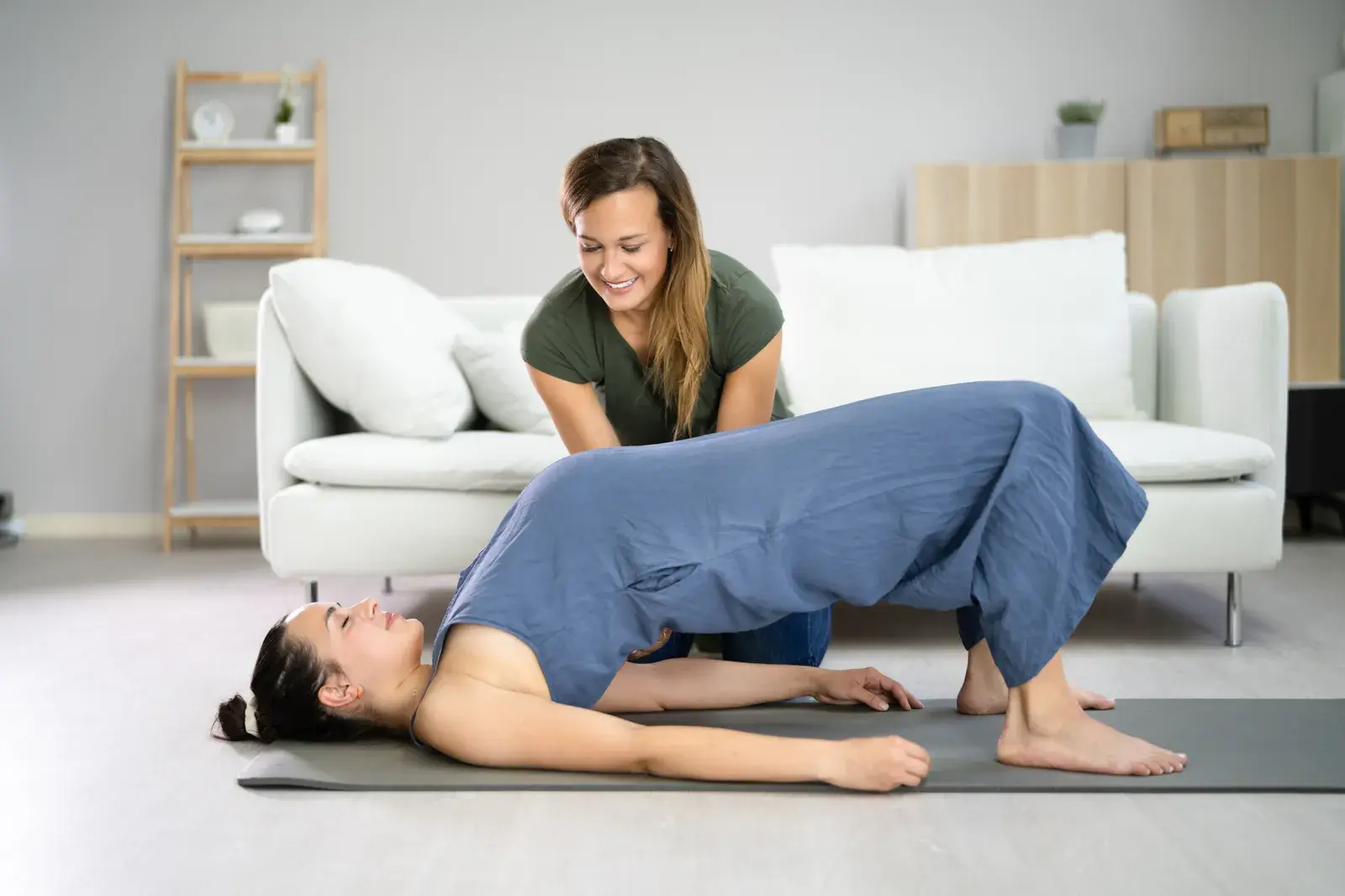 Urinary incontinencePelvic floor training, bladder retraining and urge control for leaks with coughing, exercise or sudden urgency, in women and men.
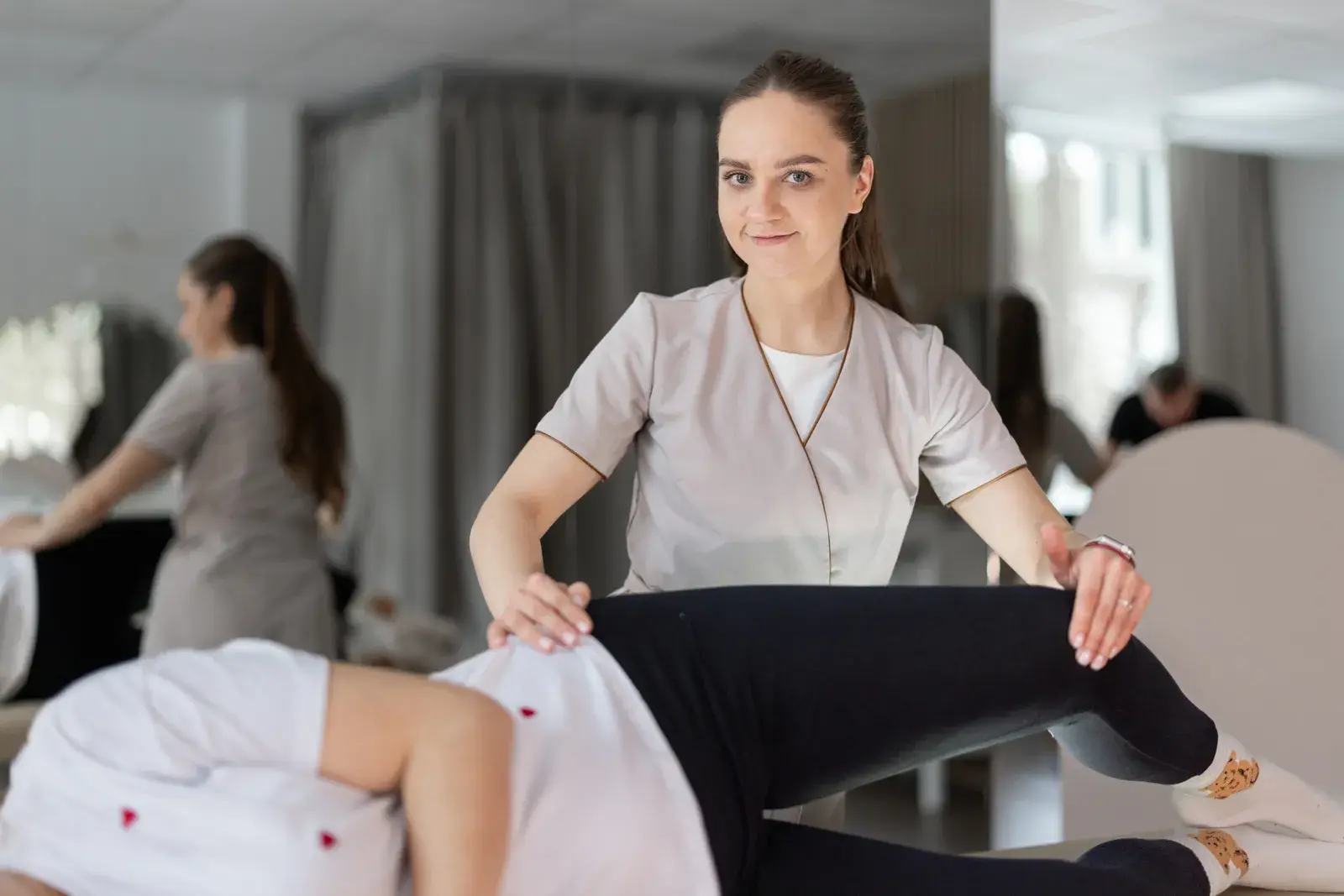
 Postpartum recoveryRecovery after vaginal or cesarean birth: abdominal separation, pelvic floor, scar care and a graded return to exercise.
 Pregnancy back painExercise and movement strategies for low back and pelvic girdle pain during pregnancy, coordinated with your prenatal care.
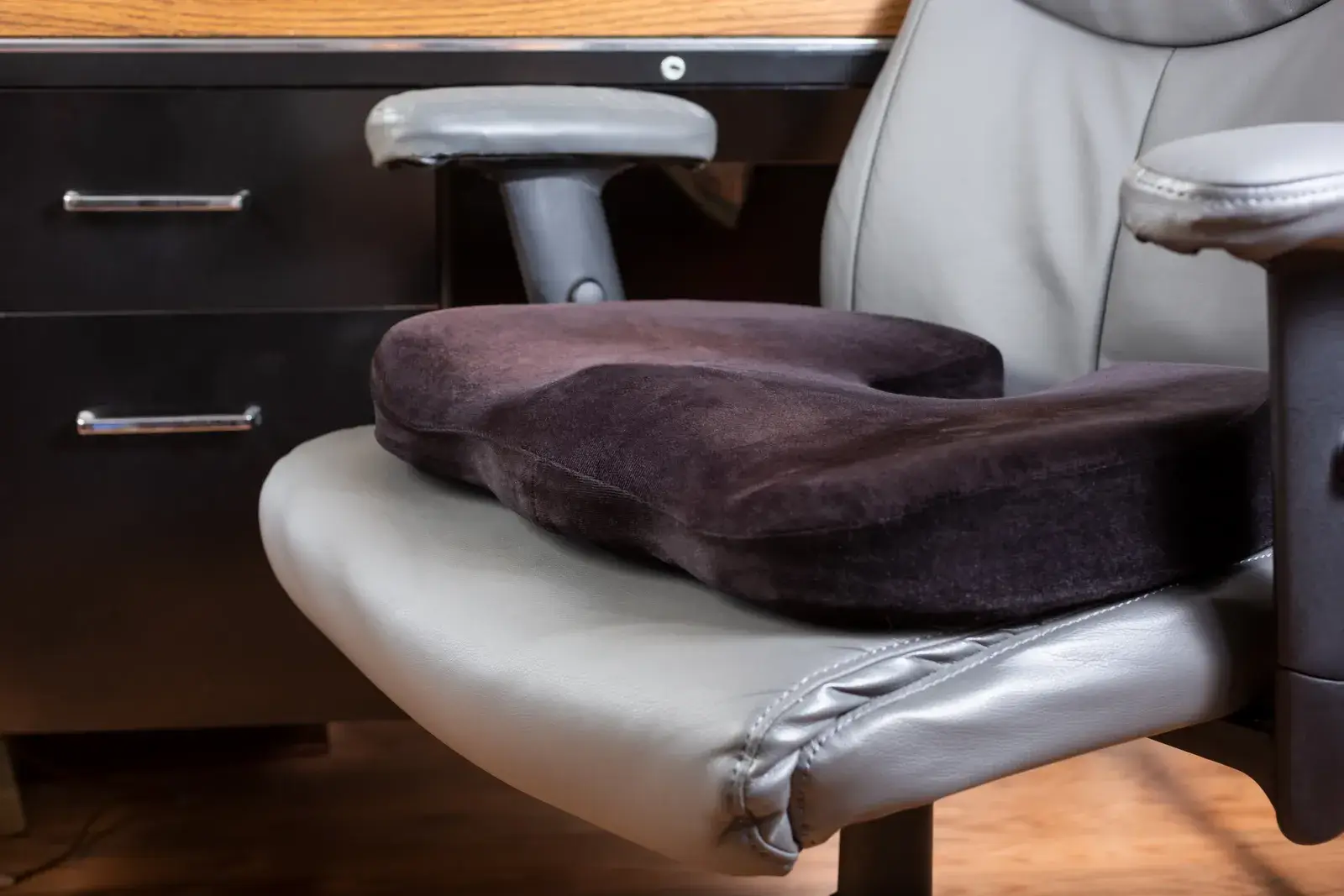 Tailbone painSitting strategies, muscle relaxation and strength work for coccydynia after a fall, childbirth or long hours in a chair.
Two-minute assessment
Not sure which therapist is right for you?
Answer a few questions about what hurts, how long it has been going on and what you want to get back to. Our matching team reads every answer and proposes a licensed physical therapist in the network whose focus, schedule and coverage fit. Two minutes, no obligation.
- No referral needed to start in Indiana (first 42 days)
- We check which therapists work with your plan before you book
- One-on-one care in a private suite at Carmel City Center
Questions
About pelvic floor physical therapy
Information on this website is general education, not medical advice, a diagnosis or a treatment plan. Only a licensed clinician who examines you can advise on your condition. If you may be having a medical emergency, call 911.
Something we did not cover? Ask the matching team or ring (888) 353-9975.
Can pelvic floor therapy help leaks during weightlifting or CrossFit-style workouts?
Often, yes. Leaking under heavy lifts, jumping rope or box jumps is common, and a therapist can work on pressure management, breathing and pelvic floor timing so you can keep training while symptoms improve.
Do men have pelvic floor physical therapy?
Yes. Men see pelvic health therapists for leaks after prostate surgery, pelvic pain and urgency, and the training principles are similar.
How long does pelvic floor therapy take?
Strengthening for stress leaks usually needs at least three months of regular practice, though visits may be spaced out. Pelvic pain often takes longer and varies widely between people.
Can I start pelvic floor therapy during pregnancy?
Often yes, with your obstetric provider’s agreement. Many people start in pregnancy to manage back or pelvic girdle pain and to prepare for recovery after birth.
How soon after giving birth can I see a pelvic health therapist?
Many people start once their obstetric provider has seen them for a postpartum check and agrees, or sooner if that provider recommends it. Leaks or pain that continue after birth are worth raising at that visit.
Is pelvic floor physical therapy covered by insurance?
Many health plans cover it as outpatient physical therapy when it is medically necessary, but rules vary. The therapist’s office confirms your benefits before the first visit, and the cost and insurance page explains the general picture.
Do I have to have an internal exam?
No. An internal exam is offered only with your informed consent, you can decline or stop it at any time, and treatment can begin without it.
Google reviews
What guests say about FlexWerk
These are live Google reviews of FlexWerk at Carmel City Center, the private-suite facility where therapists in the network practise.
Continue
Related services
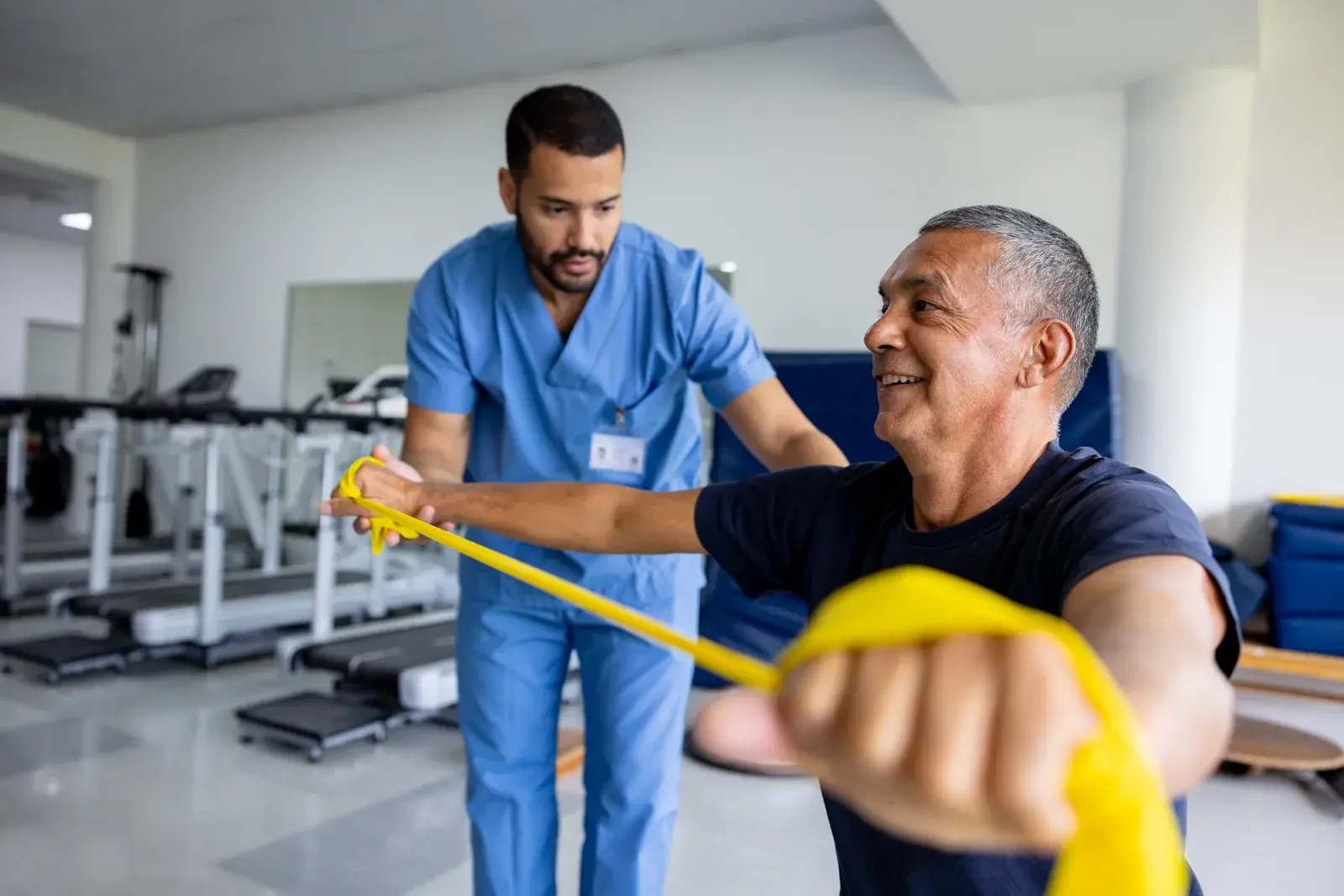 Orthopedic physical therapyExercise-led care for back, neck, shoulder, hip, knee and ankle problems, delivered one-on-one in a private suite.
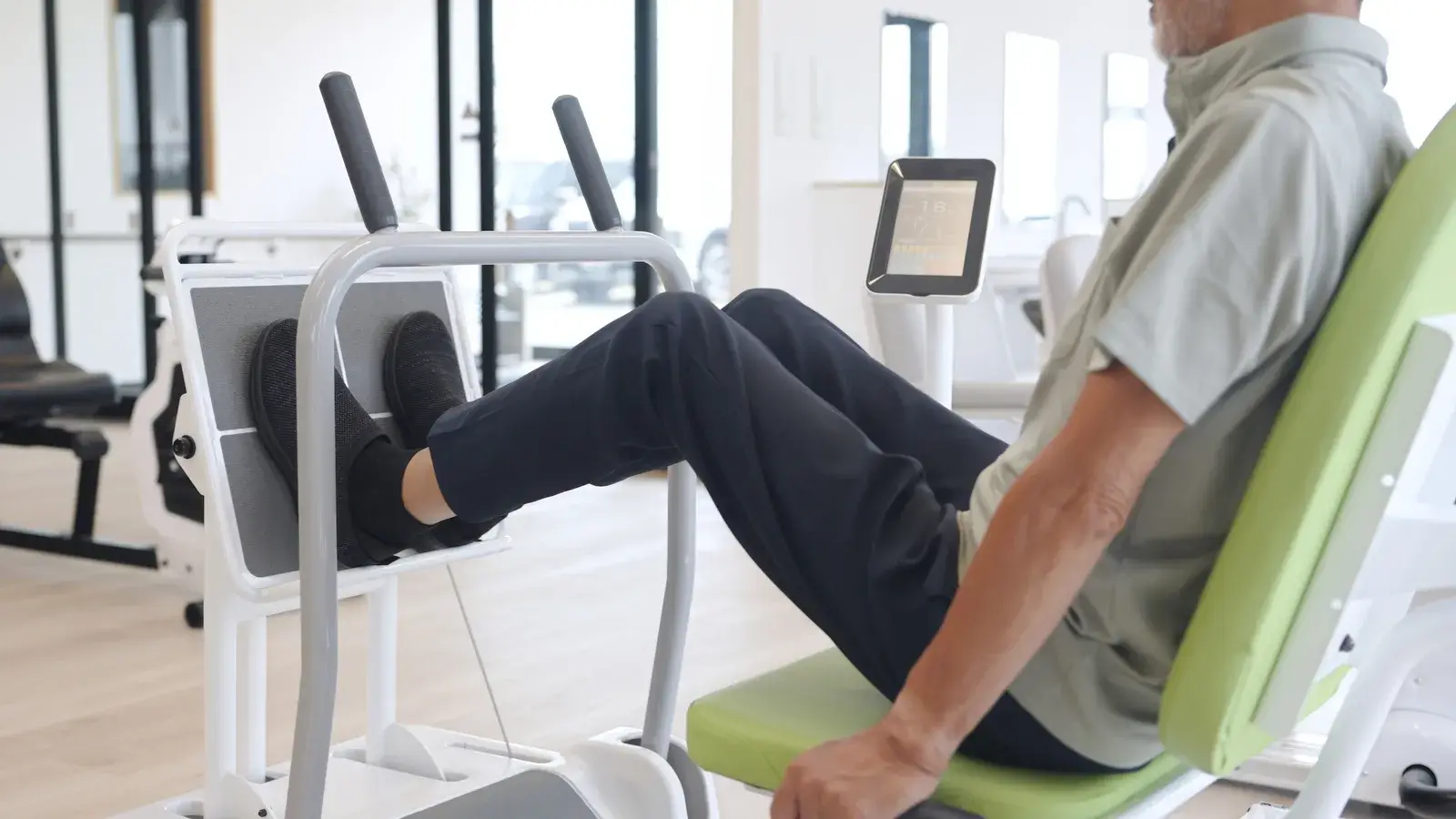 Post-surgical rehabilitationProtocol-led rehab after joint replacement, ligament, tendon and spine surgery, in a quiet private room instead of a crowded gym.
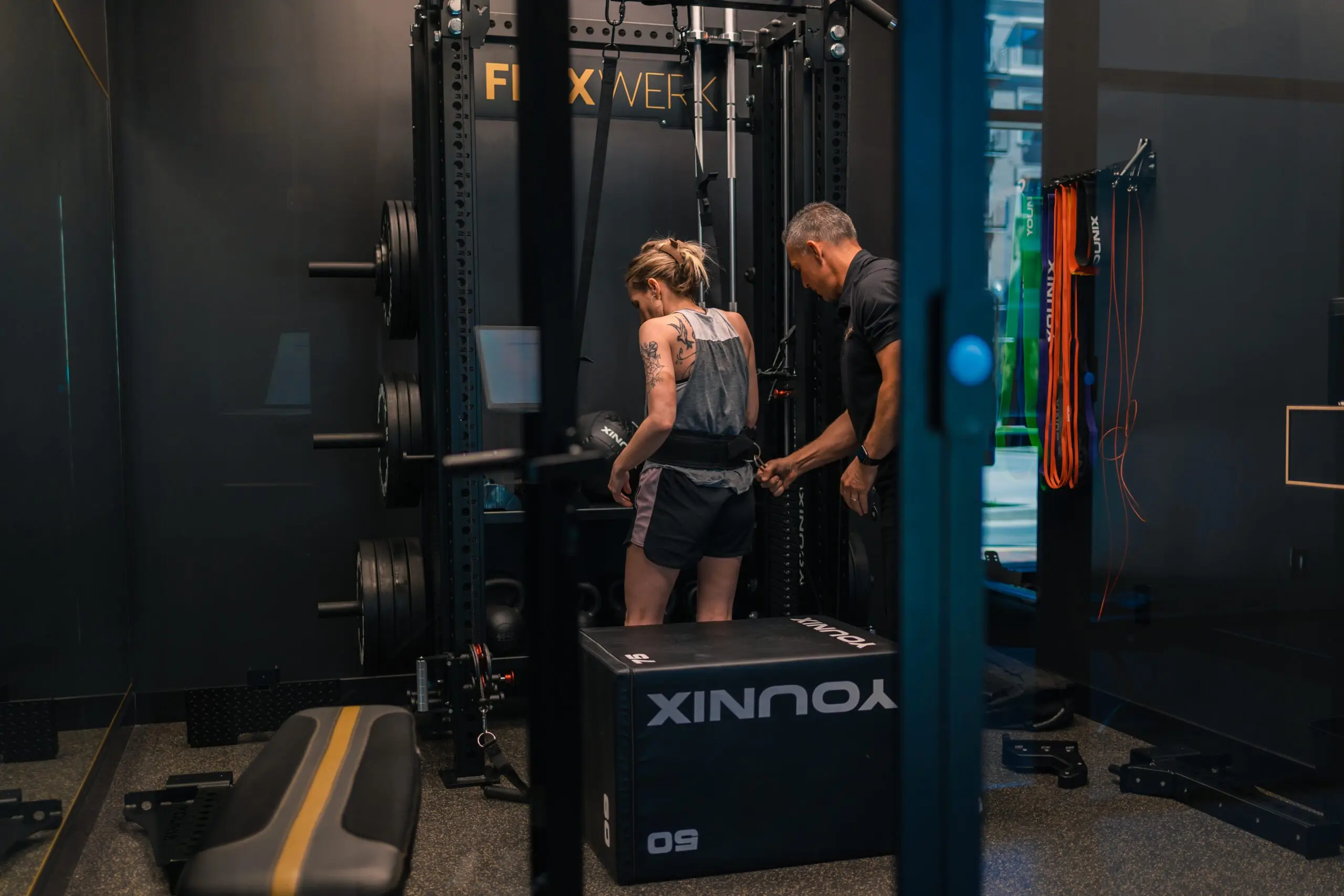 Post-rehab strength trainingThe bridge from discharge to lasting strength: a written handoff from your therapist to a FlexWerk coach in the same building.
Page reviewed By the Monon Therapy Collective editorial team

Carmel City Center · Carmel, Indiana
Start with a conversation
Tell us what hurts and what you want to get back to. We will tell you honestly whether a therapist in the network is likely a good fit for what you describe, and match you with an independent, licensed therapist who is. Only that therapist can assess what will help.
885 Monon Green Blvd, Suite 120, Carmel, IN 46032 · Monday to Friday 5 AM to 9 PM · Saturday and Sunday 7 AM to 4 PM