Tailbone pain physical therapy in Carmel, Indiana
Tailbone pain, or coccydynia, usually follows a fall onto the buttocks, childbirth or long hours of sitting, and most cases improve with conservative care. Physical therapy helps by changing how you sit, relaxing tight pelvic muscles and strengthening the hips and trunk. Some approaches need pelvic health training; the matching team tells you honestly whether a therapist in the network currently offers that before anything is booked.
At a glance
Common signs of tailbone pain
Also called: Coccydynia, Coccygodynia, Coccyx pain, Bruised tailbone.
Why does my tailbone hurt so much when I sit down?
Sitting puts direct pressure on the coccyx, especially when you lean back, so a bruised, sprained or irritated tailbone hurts most in a chair. Standing up can bring a sharp jolt as the coccyx and surrounding muscles shift. Leaning forward onto the thighs usually takes pressure off it.
Common causes include a backward fall onto a hard surface (icy Indiana driveways and parking lots in January are a classic setting), childbirth, long drives or desk days on firm seats, and cycling on a poorly fitted saddle. Sometimes no clear cause is found.
The NHS lists pregnancy and childbirth, falls, repeated or prolonged strain, poor posture and joint hypermobility among the causes. The pelvic floor muscles attach to the coccyx, so when they tighten or spasm they can keep the area sore well after the original bruise should have healed.
Do I need an X-ray for tailbone pain after a fall?
You need a physician’s assessment, and sometimes an X-ray, if the fall was hard, the pain is severe, or there is bruising and swelling that make a fracture possible. A fractured coccyx is usually managed without surgery, but knowing about it guides how quickly sitting and exercise are progressed.
Sitting and standing X-rays are sometimes used to show whether the coccyx moves too much or too little when you sit. That information can matter when pain lasts beyond a couple of months. Your physician decides whether imaging is needed.
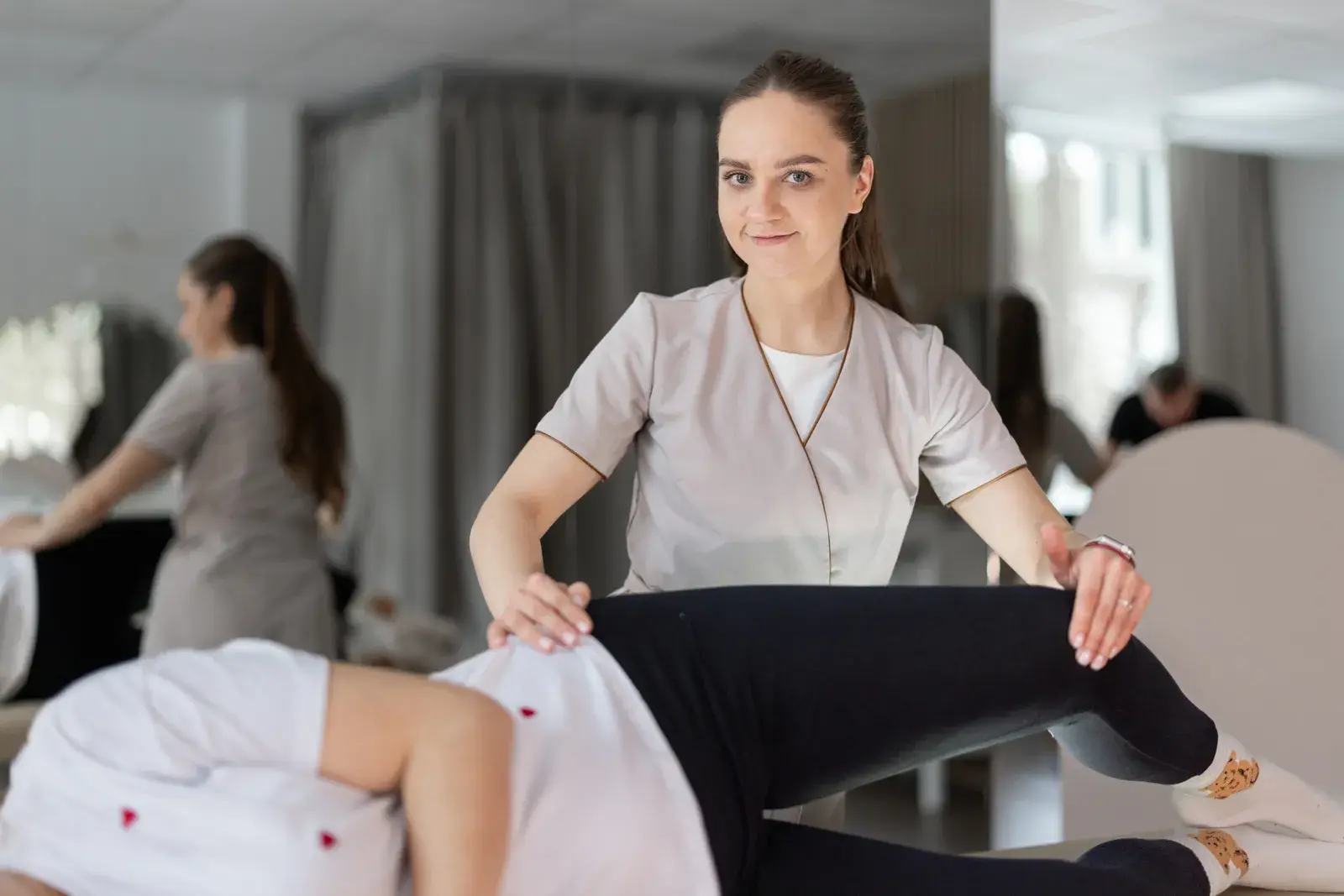
At a physical therapy visit, the therapist checks sitting tolerance, posture, lower back and hip movement, and the gluteal muscles, and asks about bowel, bladder and pelvic symptoms. Some assessment of the pelvic floor and coccyx may involve an internal exam, which requires specific pelvic health training and your consent.
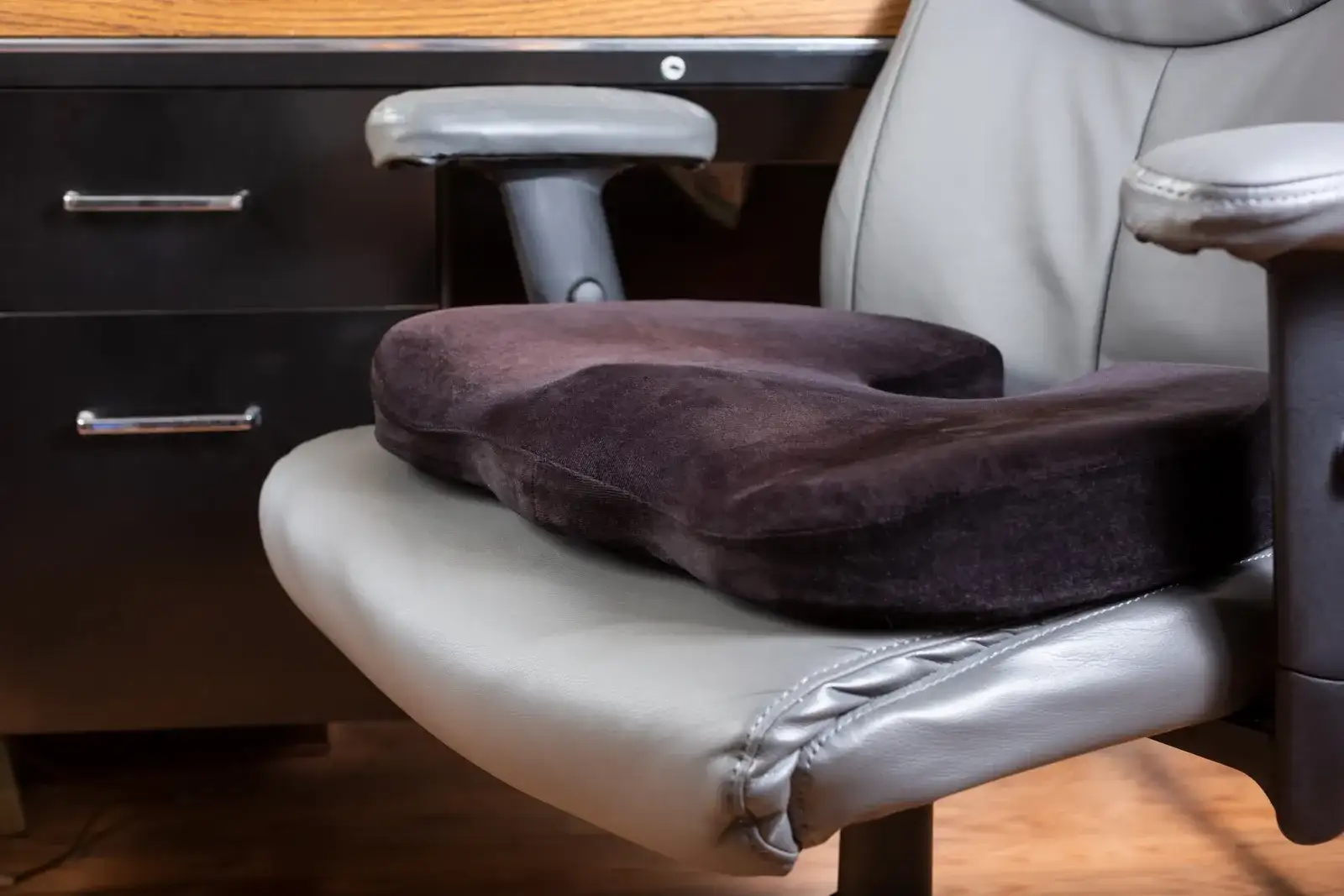
What does a wedge cushion do for coccydynia, and how should I sit?
A wedge cushion with a cut-out at the back takes pressure off the tailbone while you sit, and many people find it the single most helpful change. Pair it with sitting slightly forward with your weight on your thighs and sit bones, and avoid slumping back onto the coccyx.
Break up sitting time, especially at a desk or on long drives up US-31 or I-69. Standing for phone calls, using a sit-stand desk and taking short walks all help. When you must sit for a long event, bring the cushion. Cyclists may need a saddle with a central cut-out or a different bike fit, as discussed on the physical therapy for cyclists page.
Car seats deserve attention as well. Many slope backward, which tips weight onto the tailbone; a cut-out cushion or a folded towel under the thighs can level the seat. On longer trips, plan a stop every hour or so to stand and walk for a few minutes.
A cushion made for the coccyx, which is also what the NHS recommends, tends to give more consistent relief than a soft seat: softer chairs feel better at first but let you sink back onto the tailbone. Ice or heat can help short term.
- Wedge cushion with a rear cut-out
- Lean forward slightly onto the thighs
- Stand or walk every 20 to 30 minutes
- Stand for calls and short meetings
- Check bike saddle shape and fit if you ride
How long does tailbone pain usually last?
Tailbone pain often improves within a few weeks with simple measures like cushions, posture changes and time, though the NHS notes it can sometimes last longer. A bruise tends to settle sooner than a fracture, which takes longer to knit. The NHS advises seeing a physician if the pain has not improved after a few weeks of home care or is affecting daily life, and persistent pain is worth a fuller assessment.
Recovery is often slower when sitting cannot be avoided, such as for long-haul drivers or people who work all day at a desk, because the area keeps getting pressure. Those are the people for whom cushions, desk changes and planned breaks matter most, and where an early assessment can save weeks of discomfort.
Physical therapy usually focuses on relaxing overactive pelvic and gluteal muscles, improving hip and lower back movement, and strengthening the trunk and hips so sitting and standing transitions become easier. Many plans last 6 to 8 weeks.
For persistent cases, physicians may offer injections, and surgery to remove the coccyx is a rare last resort. A physician guides those options, and physical therapy often continues alongside them.
When is pelvic floor therapy part of treating tailbone pain?
Pelvic floor therapy becomes part of treatment when tight or spasming pelvic floor muscles are keeping the tailbone painful, which is common in chronic coccydynia and after childbirth. Techniques may include external and internal muscle release and gentle mobilization of the coccyx, performed by a therapist with specific pelvic health training.
Pelvic health is a specialty that requires extra training beyond general physical therapy. Whether a therapist in the network offers it depends on who is in the network at the time; the matching team will tell you honestly before anything is booked and point you elsewhere if no one does. The pelvic floor physical therapy page explains what that care involves and how to choose a provider.
If you are pregnant or recently postpartum, mention it in the questionnaire. Tailbone pain during pregnancy and after delivery has its own considerations, and the pregnancy back pain page covers the overlap with pelvic girdle pain.
Even without internal work, a general orthopedic therapist can help with sitting strategies, breathing and relaxation, hip and glute strength, and lower back mobility. To get started, the two-minute questionnaire lets you describe your symptoms so the matching team can propose a fit.
When to see a physician or go to the ER first
Physical therapy is the right start for most tailbone pain. These symptoms are different and need medical attention before, or instead of, a physical therapy visit:
- Severe tailbone pain after a significant fall or crash
- Fever, swelling, redness or drainage near the tailbone, which may be a pilonidal cyst or infection
- Pain with unexplained weight loss or a history of cancer
- New bladder or bowel changes or saddle numbness
- Pain that keeps worsening without any injury
- Rectal bleeding or a change in bowel habits
If you think it is an emergency, call 911.
Two-minute assessment
Get your tailbone pain looked at
Tell us how your tailbone pain started, how long it has been going on and what it is stopping you from doing. The matching team proposes a therapist in the network who focuses on it, and you hear back, usually within one business day.
- No referral needed to start in Indiana (first 42 days)
- We check which therapists work with your plan before you book
- One-on-one care in a private suite at Carmel City Center
How therapists treat it
Kinds of care used for tailbone pain
- Pelvic floor physical therapyCare for leaks, pelvic pain and postpartum recovery from a therapist with pelvic health training, with a private, consent-led exam.
- Orthopedic physical therapyExercise-led care for back, neck, shoulder, hip, knee and ankle problems, delivered one-on-one in a private suite.
Questions
Tailbone pain: what people ask
Information on this website is general education, not medical advice, a diagnosis or a treatment plan. Only a licensed clinician who examines you can advise on your condition. If you may be having a medical emergency, call 911.
Something we did not cover? Ask the matching team or ring (888) 353-9975.
Can I exercise with tailbone pain?
Usually yes. Walking, standing exercises and many strength moves are fine. Rowing machines, sit-ups and some bike seats may need changing for a while.
Which exercises tend to aggravate tailbone pain?
Sit-ups and crunches on a hard floor, rowing machines, spin bikes with narrow saddles and seated leg presses can all press on the coccyx. Standing or side-lying alternatives usually keep training going while it settles, and a therapist can suggest swaps.
Why does tailbone pain hurt more when standing up?
The coccyx and pelvic floor muscles shift as you rise from sitting, which can cause a sharp twinge. Leaning forward and pushing up through your legs often helps.
Is tailbone pain after childbirth normal?
It is common and often improves within weeks. Pain that persists or affects bladder, bowel or sexual function is worth discussing with your physician or a pelvic health therapist.
Should I see a physical therapist or a physician first?
After a hard fall, see a physician first. For gradual pain without red flags, Indiana allows you to start with a physical therapist without a referral for up to 42 days.
Can a tailbone injury affect bowel movements?
Pain during or after a bowel movement is fairly common with coccydynia, since the pelvic floor muscles attached to the coccyx move during that process. Avoiding straining and constipation helps; any bleeding or change in bowel habits should be checked by a physician.
Do cushions really make a difference?
For many people, a cut-out wedge cushion is one of the most helpful changes. It reduces pressure on the coccyx during sitting.
Can tailbone pain come from the lower back?
Sometimes. Pain from the lower back or pelvic joints can be felt near the tailbone, which is why the therapist checks those areas too. The page on sit bone pain when sitting covers a nearby pattern.
Google reviews
What guests say about FlexWerk
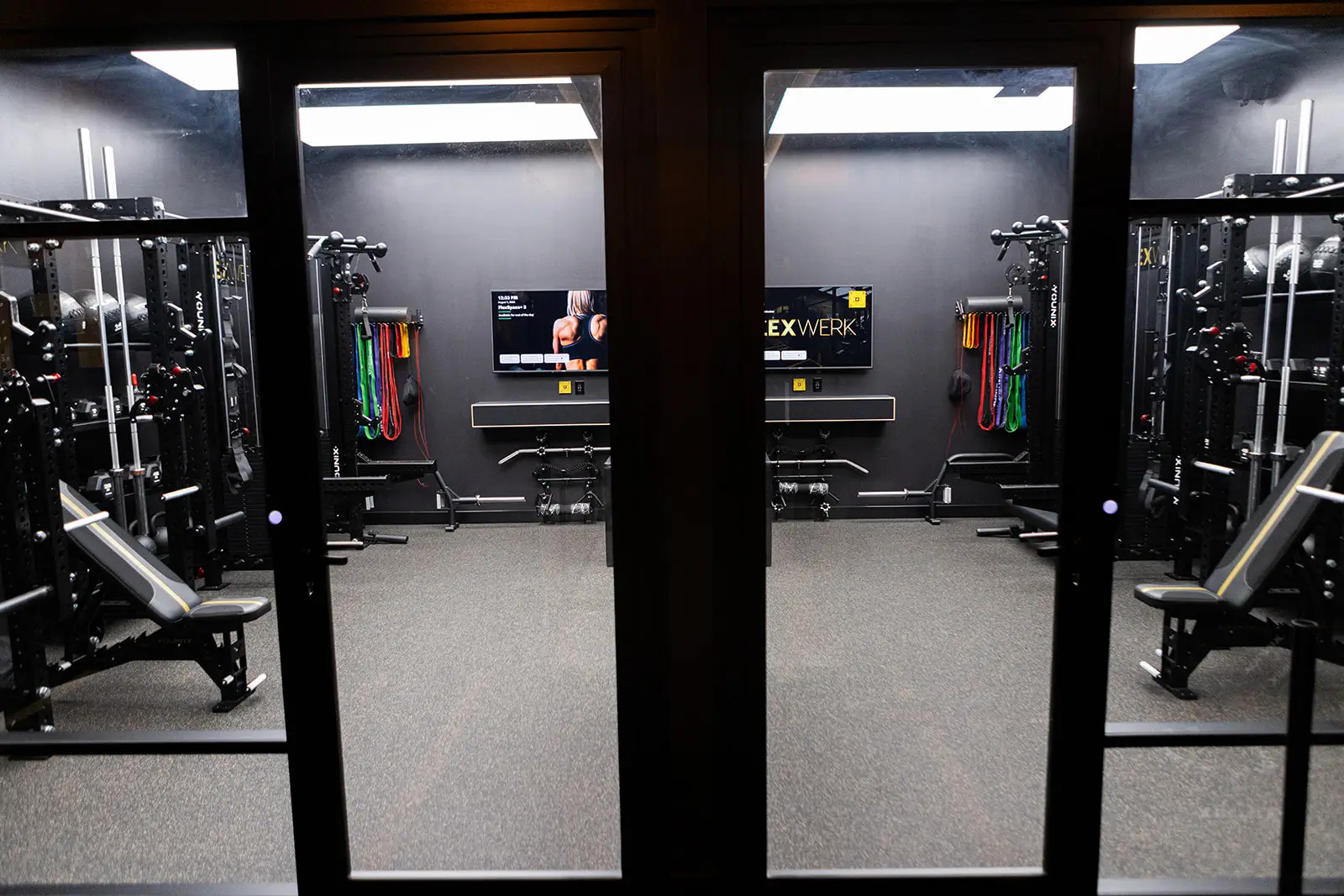
These are live Google reviews of FlexWerk at Carmel City Center, the private-suite facility where therapists in the network practise.
Related
Conditions that travel together
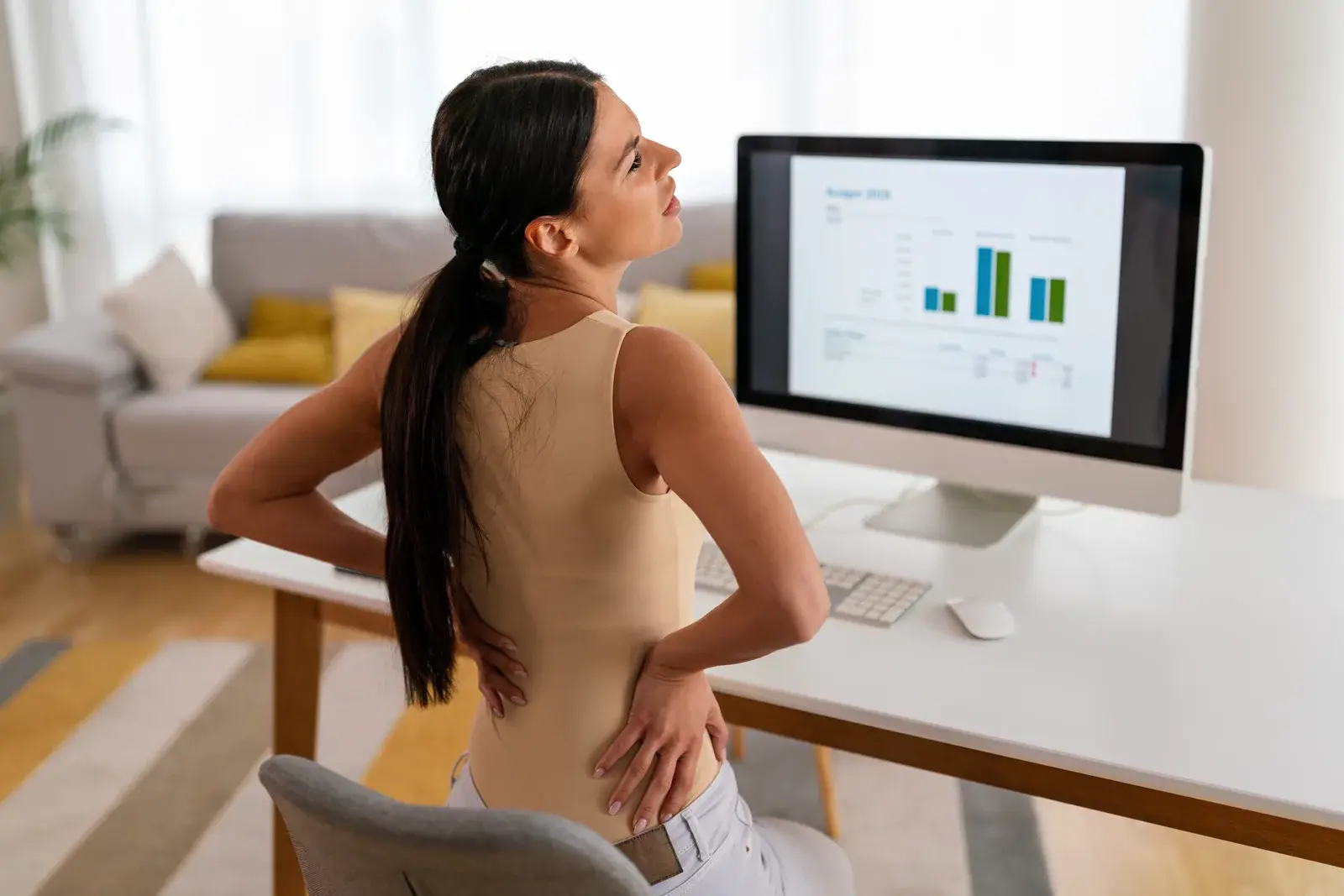 Low back painActive, one-on-one care for new or long-running low back pain, from first flare-up to confident lifting.
 SI joint painTesting and strengthening for one-sided pain below the belt line from the sacroiliac joint.
 Pregnancy back painExercise and movement strategies for low back and pelvic girdle pain during pregnancy, coordinated with your prenatal care.
Page reviewed By the Monon Therapy Collective editorial team

Carmel City Center · Carmel, Indiana
Start with a conversation
Tell us what hurts and what you want to get back to. We will tell you honestly whether a therapist in the network is likely a good fit for what you describe, and match you with an independent, licensed therapist who is. Only that therapist can assess what will help.
885 Monon Green Blvd, Suite 120, Carmel, IN 46032 · Monday to Friday 5 AM to 9 PM · Saturday and Sunday 7 AM to 4 PM