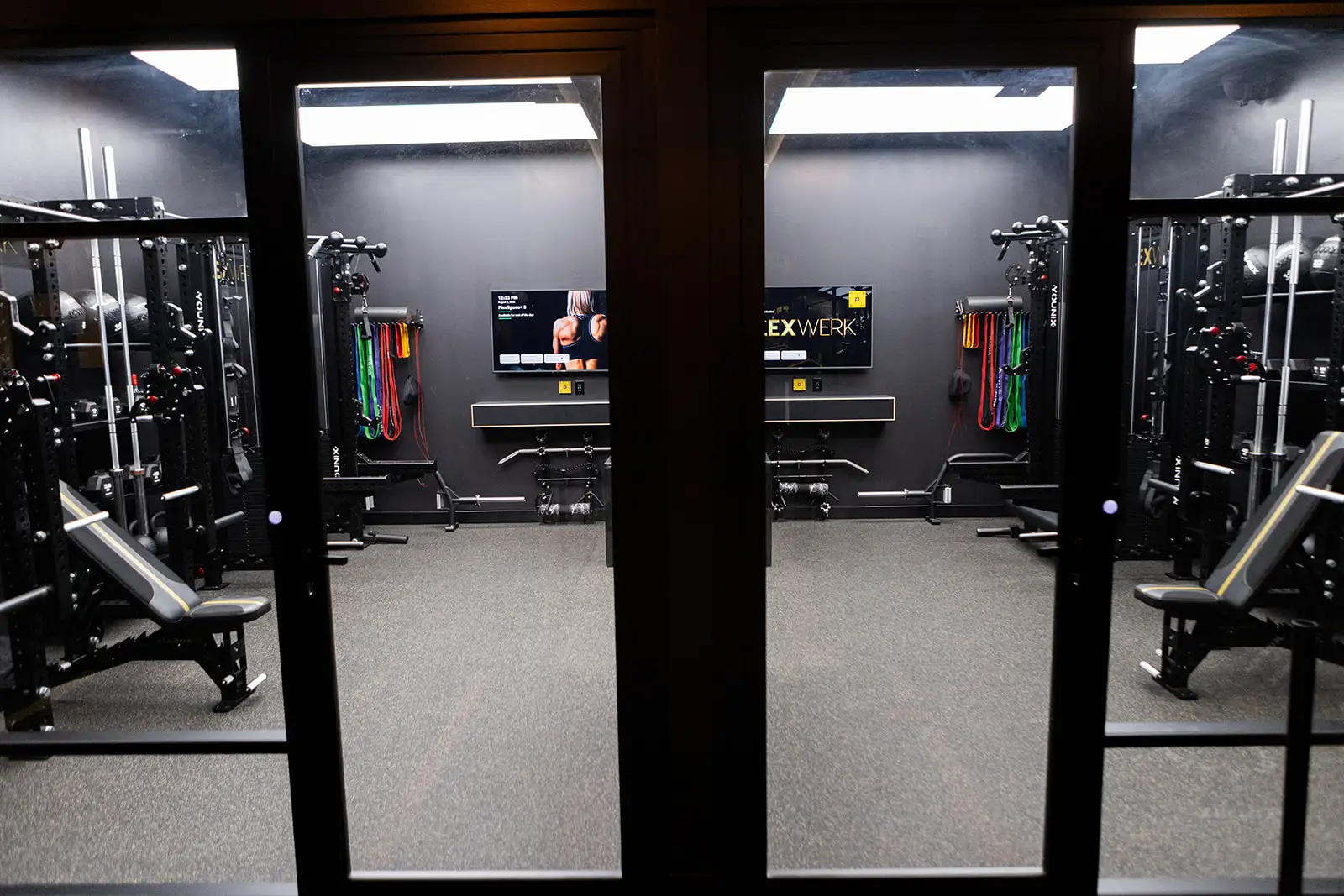
SI joint pain physical therapy in Carmel, Indiana
SI joint pain is felt low on one side of the back, just below the belt line, and physical therapy is a common first treatment. A licensed therapist in the network uses a cluster of provocation tests to judge whether the sacroiliac joint is the likely source, then builds hip and trunk strength so the pelvis handles single-leg loads again. Care happens one-on-one in a private suite at Carmel City Center.
At a glance
Common signs of si joint pain
Also called: Sacroiliac joint dysfunction, Sacroiliitis, SIJ pain, Pelvic girdle pain.
Where exactly is SI joint pain felt, and what sets it off?
SI joint pain is usually felt in a small area on one side, just below the belt line, often right over the dimple at the back of the pelvis. Many people point to it with one finger. It may spread into the buttock or back of the thigh but seldom travels below the knee, which helps separate it from disc-related nerve pain.
The sacroiliac joints connect the base of the spine to the pelvis and move only a few degrees. They handle large forces whenever you stand on one leg, climb stairs or twist. Pain often follows asymmetric load: a fall onto one buttock on winter ice, a misstep off a curb, or a season of golf where the same side drives every swing. Runners who suddenly add hills or long cambered roads can provoke it too, as can heavy single-leg work in the gym.
Pregnancy and the months after childbirth are another common trigger, as hormones loosen ligaments while the body’s load changes. If that is your situation, the pregnancy back pain page covers what is different during and after pregnancy.
Which tests point to the sacroiliac joint rather than the lower back or hip?
No single test is reliable, so a therapist uses a cluster of provocation tests that stress the joint from different angles. In the research behind this approach, three or more positive tests out of six reproduced the familiar pain of a confirmed SI joint source in most cases, and when none of the six tests provoked that pain the joint could be ruled out. A positive cluster, with the lumbar spine ruled out as the main driver, makes the SI joint the likely source.
The cluster includes a thigh thrust (pressure down through a bent hip), distraction and compression of the pelvis while you lie on your back or side, a sacral thrust, and a test that twists the pelvis by hanging one leg off the table, done on each side. Before these, the therapist checks the lower back with repeated movements, since disc pain can masquerade as SI pain.
The hip joint is examined too, because hip problems can refer pain into the same area. Single-leg stance, a step-down and a hop (if appropriate) show how your pelvis behaves under load. The page on lower back pain on one side lists other possible causes worth ruling out.
- Thigh thrust: pressure along the bent thigh toward the table
- Distraction: pressure on the front of both pelvic bones
- Compression: pressure down through the pelvis lying on your side
- Sacral thrust: pressure on the sacrum lying face down
- Gaenslen’s test, on each side: one leg hangs off the table while the other hugs the chest
What strengthening calms an irritated SI joint?
Strengthening the glutes, deep abdominals and the muscles that cross the pelvis calms most irritated SI joints, because those muscles compress the joint and make it more stable when you stand on one leg. Early exercises are often low-load: side-lying hip work, the glute bridge and the clamshell.
Progressions move toward standing, single-leg tasks: step-ups, split squats, single-leg deadlifts and cable rotations, all of which the equipment in the private suites supports. Golfers and pickleball players usually finish with rotation drills that match their sport. Adductor strength gets attention too, through exercises like the Copenhagen plank.
Some therapists use a pelvic belt for short-term relief during flare-ups, especially postpartum. Hands-on techniques may ease pain as well; note that in Indiana, spinal manipulation by a physical therapist requires an order or referral from a qualifying provider, and whether a given therapist in the network uses manipulation depends on that therapist.
- Side-lying hip abduction and clamshells
- Bridges, then single-leg bridges
- Split squats and step-ups with dumbbells
- Cable rotation and anti-rotation presses
- Adductor strengthening such as Copenhagen planks
How quickly does sacroiliac pain usually settle with treatment?
Many people with SI joint pain notice improvement within 2 to 6 weeks once the right exercises and activity adjustments are in place, and a full course of care often lasts 6 to 10 weeks. Postpartum pelvic girdle pain may take longer and often fluctuates with sleep and childcare demands.
Recovery tends to be faster when the trigger is clear and modifiable, such as a sudden jump in running mileage, and slower when pain has persisted for many months or overlaps with other back problems. Your therapist uses simple measures to track progress: stair comfort, single-leg standing time and sleep disturbance.
Return to sport follows the same logic. A golfer might move from putting and chipping to half swings, then a range session, then nine holes. A runner might start with flat loops on the Monon Trail before adding hills. Each step continues only if the joint stays quiet the next morning.
If pain persists despite good care, physicians sometimes use a diagnostic injection into the joint to confirm the source, and occasionally discuss other procedures. That is a physician’s territory. The orthopedic physical therapy page explains how therapists in the network coordinate with your other clinicians.
How should I sleep, sit and walk while my SI joint is sore?
Keep things symmetrical and avoid long periods on one leg. Sleep on your side with a pillow between your knees, roll over with your knees together, and get out of a car by swiveling both legs out at once. Standing evenly, rather than hip-hanging on one side, takes load off the painful joint.
When sitting, keep both feet flat and avoid crossing your legs. On the stairs, lead with the stronger leg going up and the sore side going down for a short while. Walking is usually good, though shorter strides on the Monon Trail may feel better than long ones at first.
If the pain keeps returning or has lasted a few weeks, the back and pelvis questionnaire tells the matching team what is happening, and they will propose a licensed therapist in the network whose experience fits. Indiana allows you to start without a referral for up to 42 days.
When to see a physician or go to the ER first
Physical therapy is the right start for most si joint pain. These symptoms are different and need medical attention before, or instead of, a physical therapy visit:
- Pelvic or back pain after a significant fall or car crash
- Fever, chills or feeling unwell with pain in the pelvis
- Bladder or bowel changes or saddle numbness
- Persistent morning stiffness lasting over an hour in a younger adult, which may suggest inflammatory arthritis
- Severe pain in pregnancy with bleeding, contractions or fluid loss
- Leg weakness or numbness spreading below the knee
If you think it is an emergency, call 911.
Two-minute assessment
Get your si joint pain looked at
Tell us how your si joint pain started, how long it has been going on and what it is stopping you from doing. The matching team proposes a therapist in the network who focuses on it, and you hear back, usually within one business day.
- No referral needed to start in Indiana (first 42 days)
- We check which therapists work with your plan before you book
- One-on-one care in a private suite at Carmel City Center
How therapists treat it
Kinds of care used for si joint pain
- Orthopedic physical therapyExercise-led care for back, neck, shoulder, hip, knee and ankle problems, delivered one-on-one in a private suite.
- Manual therapyHands-on joint and soft-tissue treatment that eases stiffness so the exercise part of your plan can do its job.
- Running injury physical therapyFor Monon Trail regulars and race trainees: load management, strength and gait observation that keep you running while you heal.
Questions
SI joint pain: what people ask
Information on this website is general education, not medical advice, a diagnosis or a treatment plan. Only a licensed clinician who examines you can advise on your condition. If you may be having a medical emergency, call 911.
Something we did not cover? Ask the matching team or ring (888) 353-9975.
Can SI joint pain feel like sciatica?
Yes. It can ache into the buttock and back of the thigh, but true sciatica usually travels below the knee and comes with nerve signs such as numbness.
Can I keep lifting weights with SI joint pain?
Usually, with changes. Bilateral lifts such as trap-bar deadlifts and goblet squats are often tolerated before split stances and lunges, which load one side more.
Is my SI joint out of place?
Probably not. The joint moves only a few degrees, and the idea of it slipping out is not supported by imaging. Pain usually reflects irritation, not dislocation.
Should I wear an SI belt?
A belt can reduce pain during flare-ups or late pregnancy. It is most useful as a short-term aid alongside strengthening, not a permanent fix.
Can SI joint pain be inflammatory?
Sometimes. Conditions such as ankylosing spondylitis inflame the SI joints and are managed with a rheumatologist alongside exercise.
Does running make SI joint pain worse?
It can during a flare. Many runners reduce volume, avoid steep cambers, and add single-leg strength before building back up.
Why does my SI joint hurt more after sitting cross-legged?
Crossing one leg over the other twists the pelvis and loads one joint unevenly for a long time. Sitting with both feet flat and changing position often usually eases this pattern.
Google reviews
What guests say about FlexWerk
These are live Google reviews of FlexWerk at Carmel City Center, the private-suite facility where therapists in the network practise.
Related
Conditions that travel together
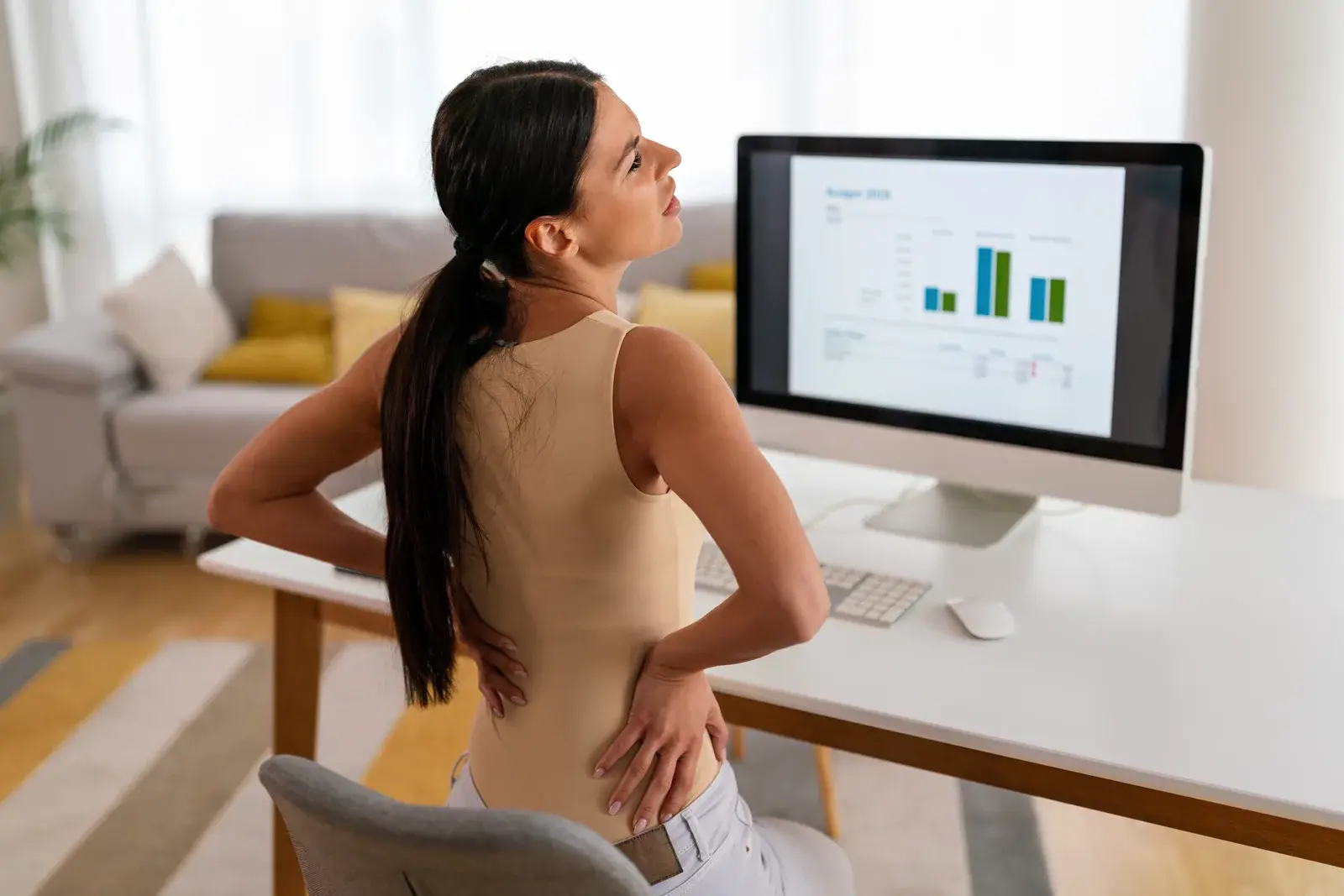 Low back painActive, one-on-one care for new or long-running low back pain, from first flare-up to confident lifting.
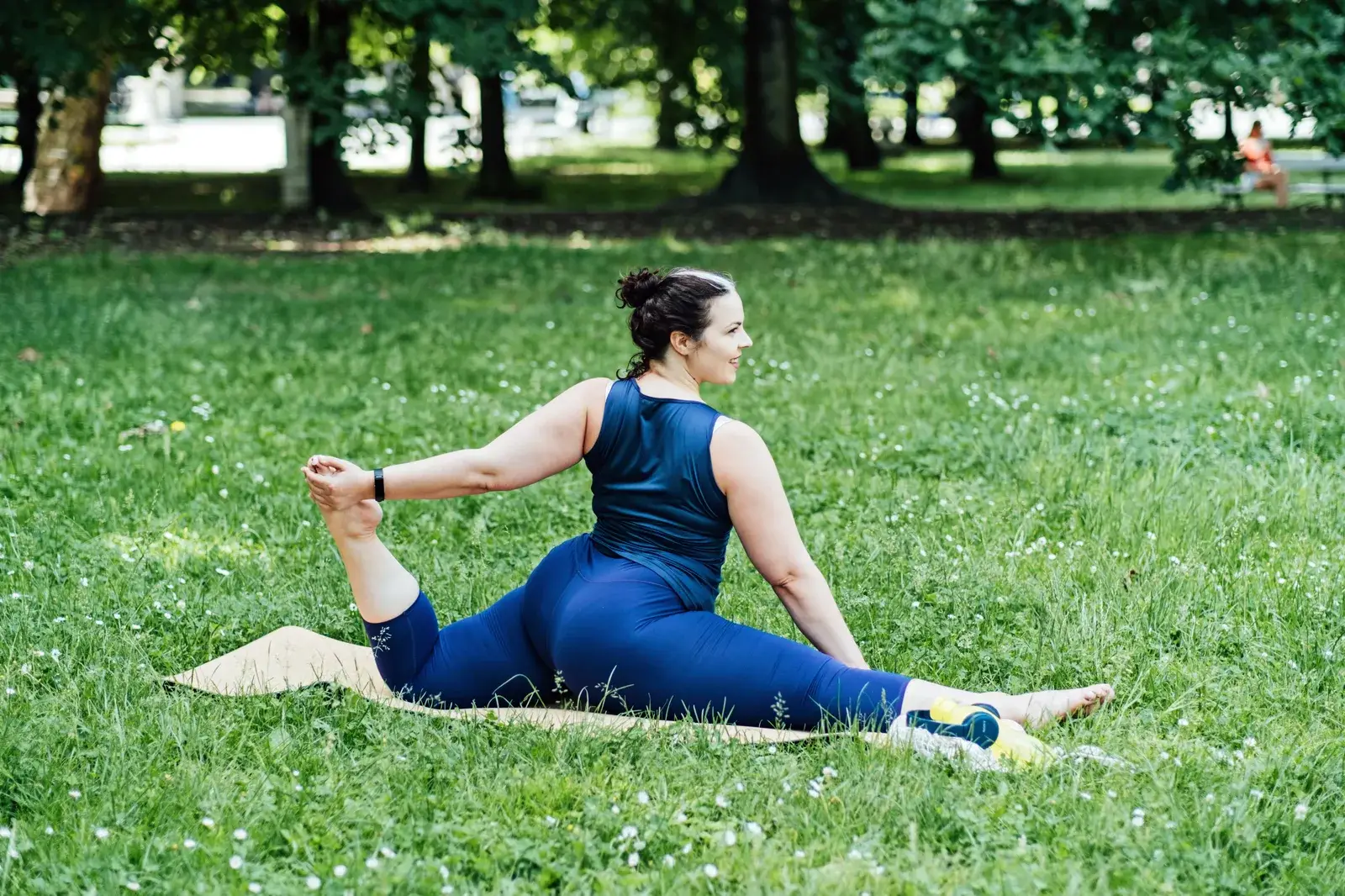 Hip painCare for outer hip pain often called bursitis, hip impingement, hip osteoarthritis and hip flexor strains.
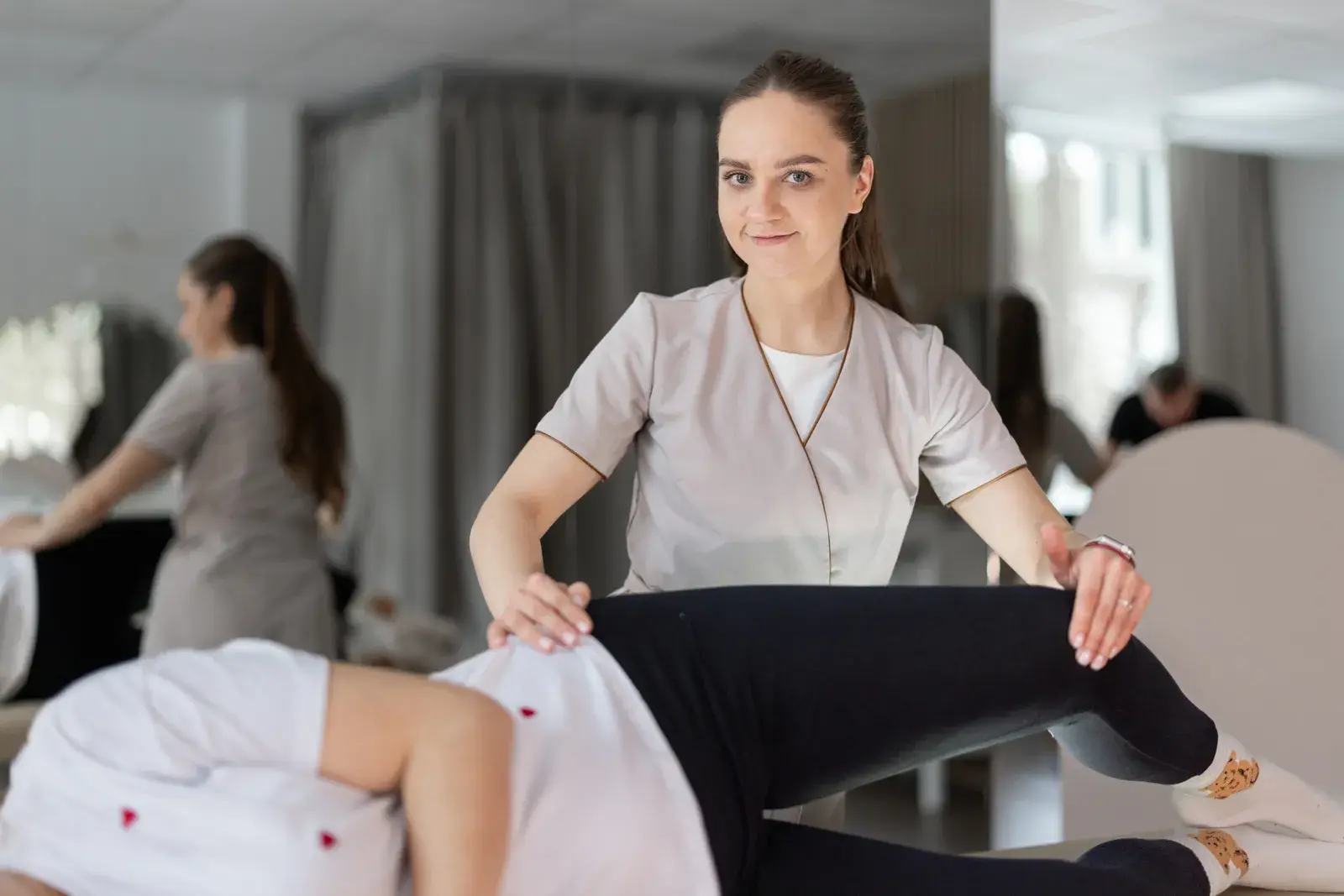 Pregnancy back painExercise and movement strategies for low back and pelvic girdle pain during pregnancy, coordinated with your prenatal care.
Page reviewed By the Monon Therapy Collective editorial team

Carmel City Center · Carmel, Indiana
Start with a conversation
Tell us what hurts and what you want to get back to. We will tell you honestly whether a therapist in the network is likely a good fit for what you describe, and match you with an independent, licensed therapist who is. Only that therapist can assess what will help.
885 Monon Green Blvd, Suite 120, Carmel, IN 46032 · Monday to Friday 5 AM to 9 PM · Saturday and Sunday 7 AM to 4 PM