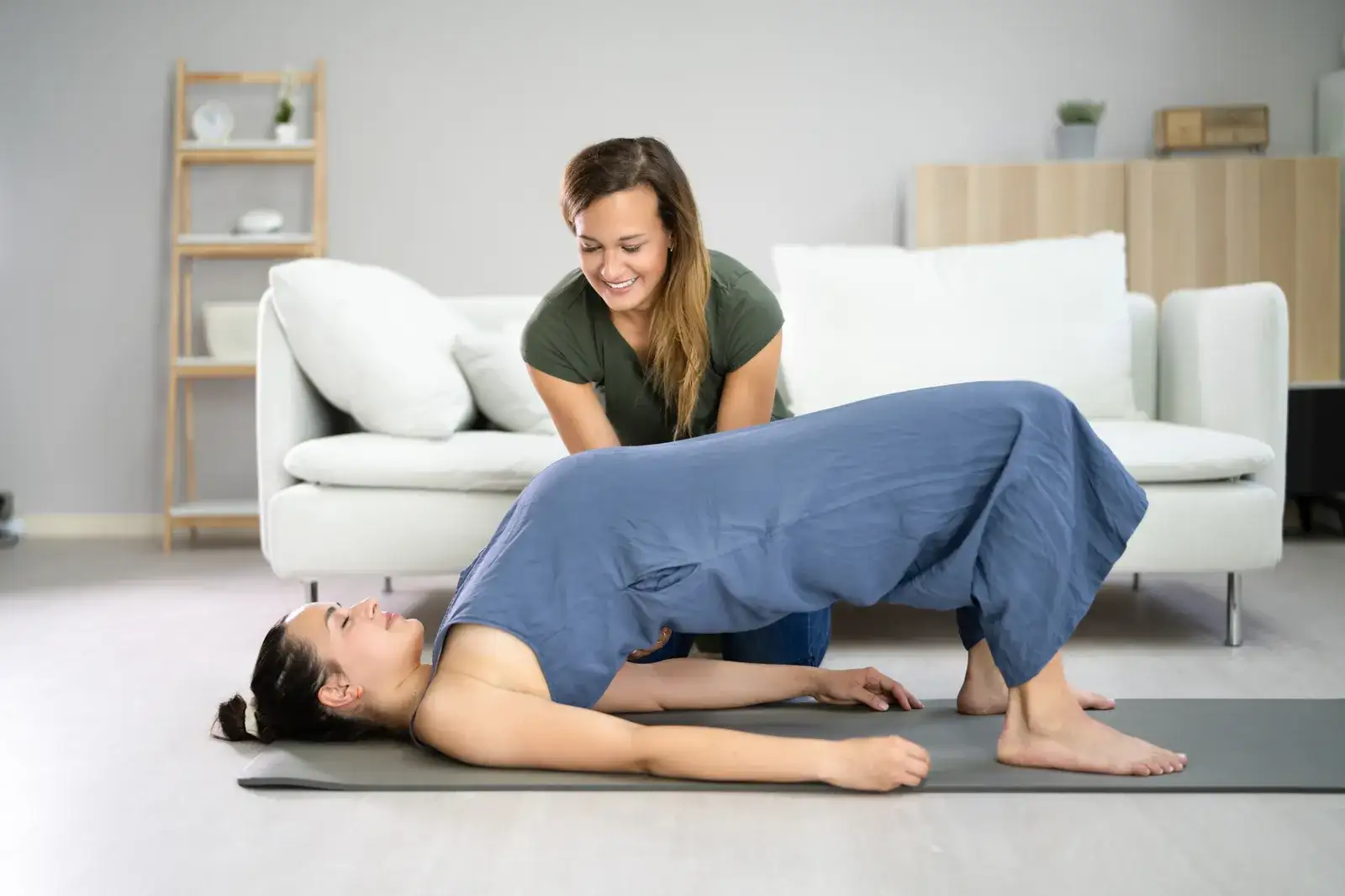
Urinary incontinence physical therapy in Carmel, Indiana
Supervised pelvic floor muscle training for at least three months is the first-line treatment for stress and mixed urinary incontinence under the UK’s NICE guideline, and physical therapists trained in pelvic health deliver it. Care also includes bladder retraining and urge-control techniques for sudden urgency, plus strategies for leaks during running, jumping or lifting. Near Carmel, the matching team confirms honestly before booking whether a therapist in the network currently offers pelvic health care.
At a glance
Common signs of urinary incontinence
Also called: Stress urinary incontinence, Urge incontinence, Overactive bladder, Bladder leakage, Mixed urinary incontinence.
What type of bladder leakage do I have, stress or urge?
Leaks during effort, such as a cough, sneeze, jump or heavy lift, point toward stress incontinence, where pressure from above overwhelms the pelvic floor and urethral support. Leaks that follow a sudden, hard-to-defer urge point toward urge incontinence, often part of overactive bladder. Many people have both, which is called mixed incontinence.
A smaller group leak because the bladder does not empty fully and overflows, often with a weak stream or a sense of incomplete emptying. That pattern, called overflow incontinence, needs a physician’s assessment first, because blockage or nerve problems may be involved.
The difference matters because the training differs. Stress leaks respond to stronger, faster, better-timed pelvic floor contractions. Urge leaks respond to calming the bladder’s signals and gradually stretching the time between bathroom trips. A therapist sorts out the mix with a history and a bladder diary before deciding where to start.
Incontinence is not limited to new mothers. It affects athletes, people after menopause, and men after prostate surgery. Postpartum-specific recovery, including abdominal separation, is covered on the postpartum physical therapy page.
Why does a therapist ask me to keep a bladder diary?
A bladder diary turns vague impressions into numbers that guide treatment. For two or three days you record what you drink and when, each time you urinate, roughly how much, any leaks and what you were doing at the time. Patterns jump out: lots of coffee before a morning run, trips every hour “just in case”, or leaks clustered late in the day when muscles tire.
The physical examination looks at posture, breathing, hip and abdominal strength, and the pelvic floor itself. An internal exam gives the most precise read of strength, endurance and coordination; it is optional, explained first and done only with consent. Some therapists also use biofeedback, a sensor that shows on a screen when the muscles contract and relax.
A urine infection, blood in the urine or problems emptying should be checked by a physician first, and your therapist will ask about them.
Medications and other health conditions are reviewed as well. Diuretics, constipation, a chronic cough, diabetes and nerve conditions can all add to leaking, and a therapist will flag anything that should go back to your physician. Simple changes, such as treating constipation, can noticeably ease pressure on the pelvic floor.
How does pelvic floor training stop leaks during exercise?
It builds a pelvic floor that is strong enough, fast enough and well timed enough to hold against sudden pressure. NICE recommends at least eight contractions three times a day as part of a supervised program, continued beyond three months if it is helping. Supervision matters because many people squeeze the wrong muscles or hold their breath without realizing it.
Training then moves from lying down to standing, lifting and impact. A technique often called “the knack”, a quick pelvic floor contraction just before a cough or lift, is practised until it becomes automatic. For runners on the Monon Trail or players on pickleball courts, the plan rehearses landing, cutting and hopping with the pelvic floor ready.
Gym lifters often need to look at breathing and bracing as well. Holding the breath hard through every heavy squat or deadlift drives pressure down onto the pelvic floor, and some people leak only at near-maximal loads. A therapist may adjust how you exhale, how you brace and how quickly you add weight, without telling you to stop lifting.
Urge control uses different tools: a few quick pelvic floor squeezes, standing still and slow breathing to let an urge pass, then gradually lengthening intervals between voids. Cutting back on bladder irritants such as caffeine is often part of it. More on the specialty is on the pelvic floor physical therapy page.
- Correct pelvic floor contraction, checked with biofeedback or exam
- Strength, endurance and quick-contraction sets
- The knack before coughs, sneezes and lifts
- Impact and lifting rehearsal for sport and gym work
- Urge suppression and scheduled voiding
- Fluid and caffeine adjustments from the bladder diary
How long does pelvic floor training take to reduce leaking?
Expect a few months. NICE sets three months of supervised training as the minimum trial before deciding it has not worked, because muscle strength and new habits take that long to build. Many people notice fewer leaks within several weeks, while full benefit often takes longer, especially for leaks during high-impact sport.
Visits are usually spaced out, with most of the work done at home. Leakage types tend to differ in focus and pace like this.
- Stress incontinence: strength, quick contractions and the knack; many people see fewer leaks within several weeks, with a full trial of at least three months.
- Urge incontinence: bladder diary, urge suppression and gradually longer intervals between voids; NICE recommends bladder training for a minimum of six weeks as first-line care.
- Mixed incontinence: the more bothersome type is often addressed first, then the plan widens to cover both.
- Leaking only with high-impact sport: strength plus rehearsal of landing, jumping and lifting, which can take longer because the demand is so high.
- After prostate surgery: training often begins before the operation and continues for several months afterwards.
Is pelvic floor therapy for bladder leaks available near Carmel?
Pelvic health care depends on which therapists are in the network at the time. Tell the matching team about leaking on the two-minute questionnaire; they will tell you plainly whether a therapist in the network offers pelvic floor care now, and if not, point you toward a qualified provider before anything is booked.
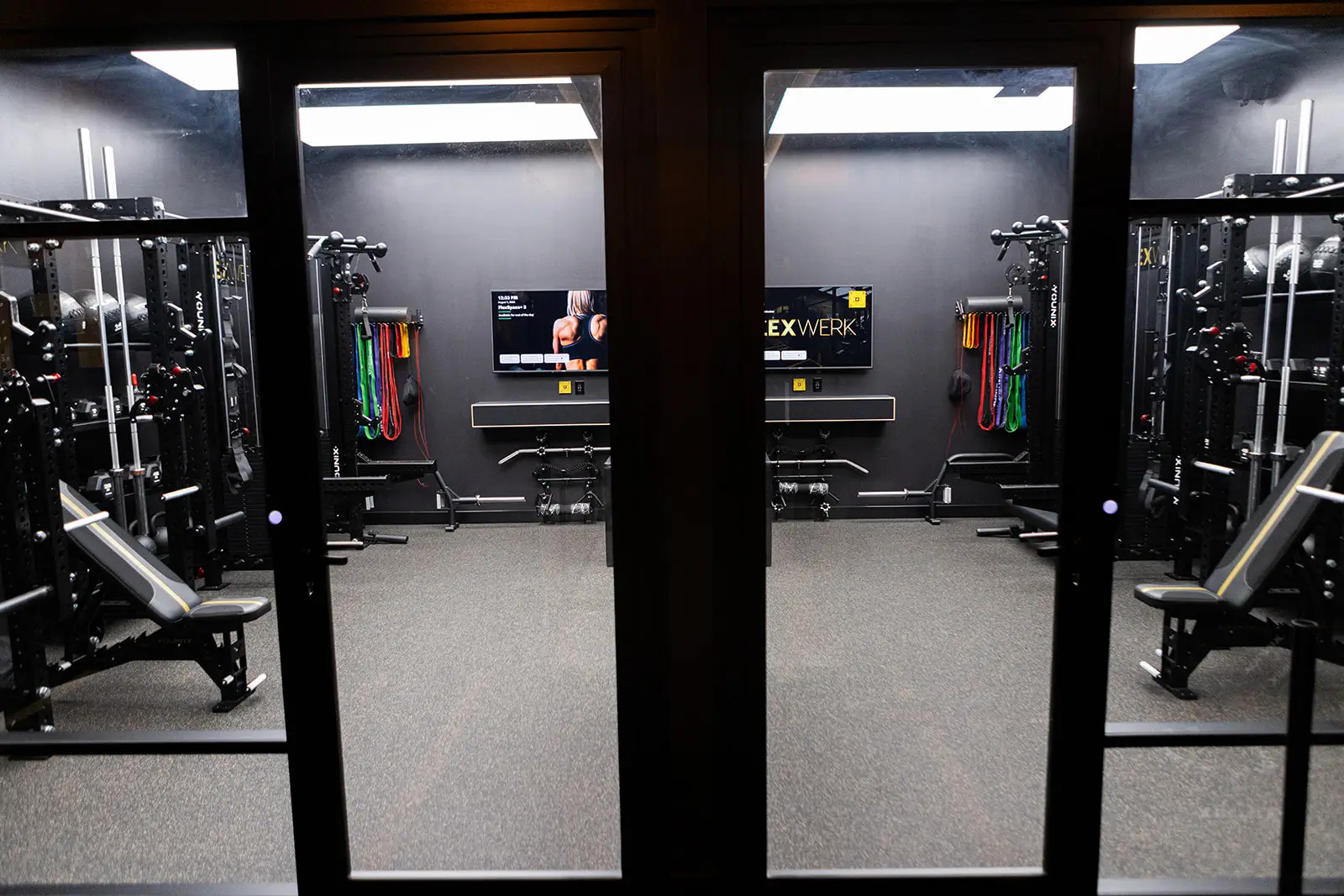
Look for post-graduate pelvic health training, such as APTA Pelvic Health coursework or pelvic and women’s health board certification from the American Board of Physical Therapy Specialties, and ask whether the therapist treats men if that applies to you. The guide to choosing a physical therapist lists more questions. If a match is available, sessions take place one-on-one behind a closed door in a private suite.
Indiana direct access means a physical therapist can usually begin without a referral for up to 42 calendar days, though some insurance plans still require one for pelvic health visits. Check your plan before the first appointment.
When to see a physician or go to the ER first
Physical therapy is the right start for most urinary incontinence. These symptoms are different and need medical attention before, or instead of, a physical therapy visit:
- Blood in the urine
- Burning, fever or cloudy, strong-smelling urine (possible infection)
- Being unable to pass urine, or a constant dribble from an overfull bladder
- New leaking with numbness between the legs or leg weakness (seek emergency care)
- Sudden incontinence with confusion, weakness or speech changes
- Pelvic pain with unexplained weight loss
If you think it is an emergency, call 911.
Two-minute assessment
Get your urinary incontinence looked at
Tell us how your urinary incontinence started, how long it has been going on and what it is stopping you from doing. The matching team proposes a therapist in the network who focuses on it, and you hear back, usually within one business day.
- No referral needed to start in Indiana (first 42 days)
- We check which therapists work with your plan before you book
- One-on-one care in a private suite at Carmel City Center
How therapists treat it
Kinds of care used for urinary incontinence
- Pelvic floor physical therapyCare for leaks, pelvic pain and postpartum recovery from a therapist with pelvic health training, with a private, consent-led exam.
- Running injury physical therapyFor Monon Trail regulars and race trainees: load management, strength and gait observation that keep you running while you heal.
Questions
Urinary incontinence: what people ask
Information on this website is general education, not medical advice, a diagnosis or a treatment plan. Only a licensed clinician who examines you can advise on your condition. If you may be having a medical emergency, call 911.
Something we did not cover? Ask the matching team or ring (888) 353-9975.
Are Kegels enough to fix urinary incontinence?
Sometimes, if they are done correctly and progressed. Many people contract the wrong muscles or never progress the load, which is why NICE recommends supervised training rather than a handout.
Can men get physical therapy for incontinence?
Yes. Pelvic floor training is commonly used for leaking after prostate surgery, and some therapists start it before the operation.
Should I drink less water to stop leaking?
Usually not. Very concentrated urine can irritate the bladder; adjusting the timing of drinks and cutting back on caffeine tend to help more than restricting fluids.
Is leaking during running or jumping normal for athletes?
It is common in runners, CrossFit athletes and court sport players, including people who have never had children, but common does not mean you have to accept it. It often responds to targeted training.
Do I need a urologist before seeing a physical therapist for leaks?
Not usually for uncomplicated stress or urge leaks, but blood in the urine, infection symptoms, trouble emptying or pelvic pain should be checked by a physician first.
Can incontinence physical therapy help after menopause?
Yes. Lower estrogen after menopause can affect pelvic tissues, and pelvic floor training remains a first-line option. Some people also discuss vaginal estrogen with their physician, which can complement training.
Google reviews
What guests say about FlexWerk
These are live Google reviews of FlexWerk at Carmel City Center, the private-suite facility where therapists in the network practise.
Related
Conditions that travel together
 Postpartum recoveryRecovery after vaginal or cesarean birth: abdominal separation, pelvic floor, scar care and a graded return to exercise.
 Pregnancy back painExercise and movement strategies for low back and pelvic girdle pain during pregnancy, coordinated with your prenatal care.
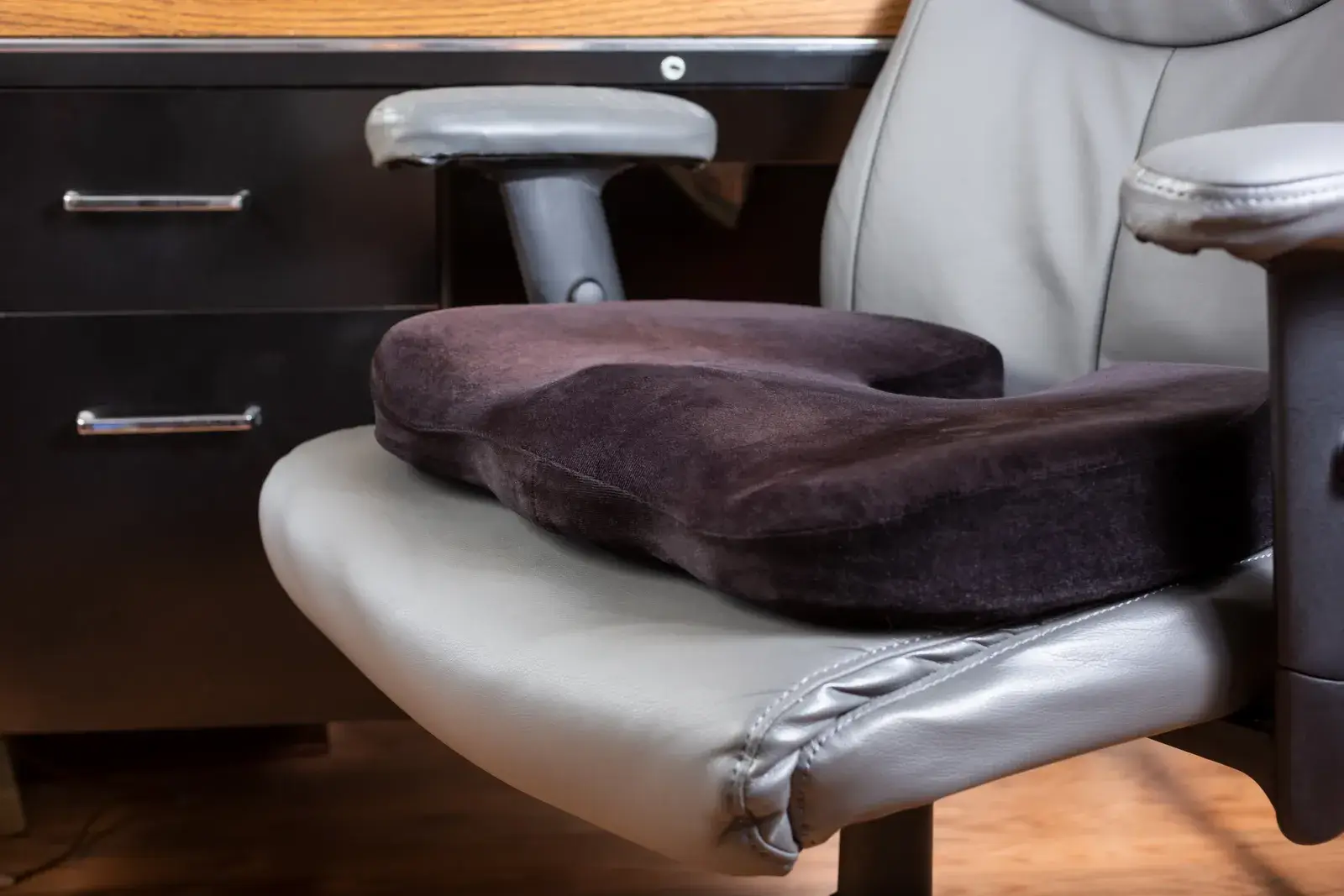 Tailbone painSitting strategies, muscle relaxation and strength work for coccydynia after a fall, childbirth or long hours in a chair.
Page reviewed By the Monon Therapy Collective editorial team

Carmel City Center · Carmel, Indiana
Start with a conversation
Tell us what hurts and what you want to get back to. We will tell you honestly whether a therapist in the network is likely a good fit for what you describe, and match you with an independent, licensed therapist who is. Only that therapist can assess what will help.
885 Monon Green Blvd, Suite 120, Carmel, IN 46032 · Monday to Friday 5 AM to 9 PM · Saturday and Sunday 7 AM to 4 PM