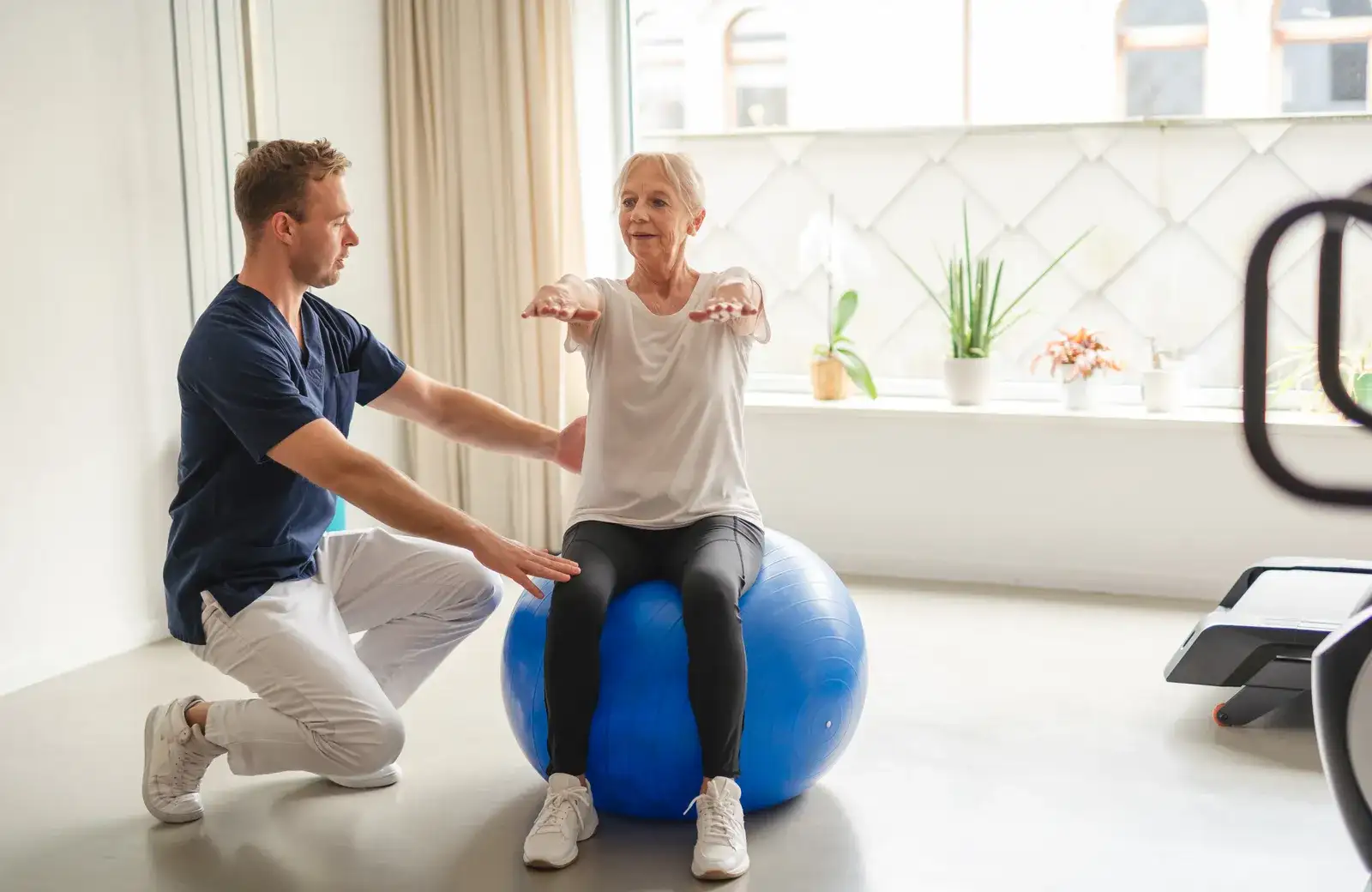
Tendinitis physical therapy in Carmel, Indiana
Tendinitis, which clinicians now usually call tendinopathy, is a painful tendon that has been loaded beyond what it can currently tolerate, and it usually responds to carefully increased load rather than rest alone. Physical therapy for tendon pain in Carmel typically starts with exercises that calm the tendon, builds to slow, heavy strengthening and finishes with the springy, fast work your sport or job needs. Tendons adapt slowly, and pain often lasts three months or longer even with early treatment, so patience and steady progression matter.
At a glance
Common signs of tendinitis
Also called: Tendinopathy, Tendonitis, Tendinosis, Overuse tendon injury.
Is tendinitis really inflammation, and why does the name matter?
In most long-lasting tendon problems, inflammation is not the main issue, which is why many clinicians now use the word tendinopathy. The tendon has changed its structure in response to load it could not handle, and its pain system has become more sensitive. The name matters because it points toward treatment: building tendon capacity rather than only trying to calm inflammation.
Tendons connect muscle to bone and store and release energy, like a spring. They adapt to load slowly, much more slowly than muscle. That mismatch explains many cases: a runner adds mileage for the Carmel Marathon, a new pickleball player plays daily, or someone returns to the gym and lifts as they did years ago. The muscles cope but the tendon has not caught up.
Some medicines and health factors also matter. Fluoroquinolone antibiotics such as ciprofloxacin carry an FDA warning because they raise the risk of tendinitis and tendon rupture during treatment and for several months afterward, and conditions such as diabetes and high cholesterol are associated with tendon pain. Tell your therapist about recent antibiotics and your general health.
Which tendons are most often affected, and how is each one examined?
The tendons most often affected are the Achilles at the back of the ankle, the patellar tendon below the kneecap, the rotator cuff in the shoulder, the gluteal tendons on the outside of the hip and the forearm tendons at the elbow. Each is examined by pressing on the tendon, loading it with a specific task and watching how pain behaves.
Tendon pain tends to be closely tied to load: it is usually worse with energy-storing activities like hopping or jumping and better with steady, slow movement. A physical therapist might ask you to do single-leg heel raises for the Achilles, a decline squat for the patellar tendon, gripping tasks for the elbow or standing on one leg for the hip, and rate the pain each time.
The rest of the exam checks strength, flexibility and the training or work changes that came before. Each body area has its own page if you want more detail on a specific tendon: Achilles tendinitis, patellar tendinitis and tennis elbow are common ones.
- Achilles tendon: single-leg heel raises and hops
- Patellar tendon: decline squats and jumps
- Rotator cuff: resisted rotation and reaching overhead
- Gluteal tendons: single-leg stance and side-lying load
- Elbow tendons: gripping and wrist extension
What does a progressive tendon loading program look like?
A progressive tendon loading program moves through stages, each one adding a new type of load once the tendon tolerates the previous one. It usually starts with isometric holds, where you push against resistance without moving, which many people find eases pain, then moves to slow, heavy strength work, then adds speed and spring.
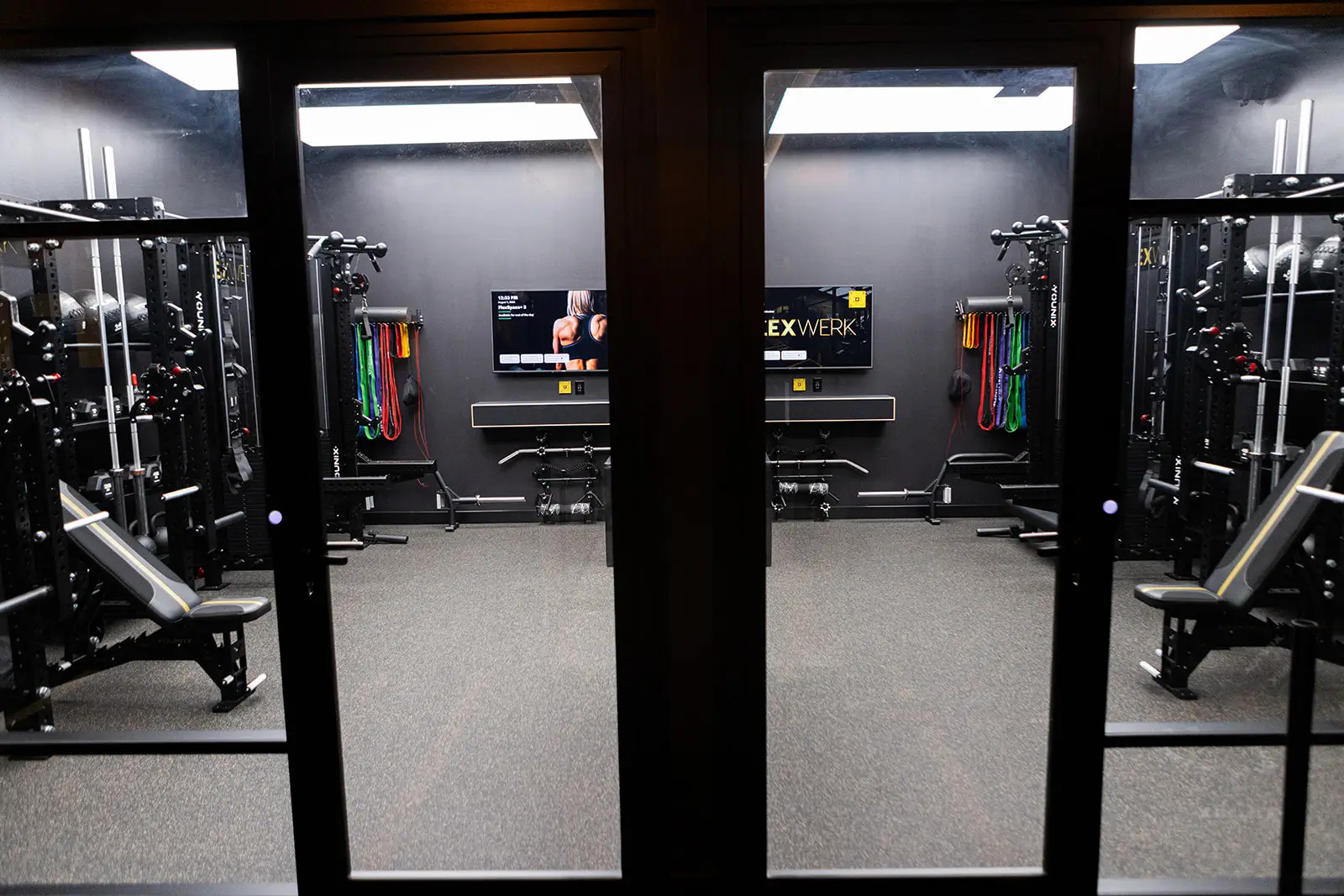
Heavy slow resistance, such as slow calf raises with a weighted bar for the Achilles or slow leg presses for the patellar tendon, is often the core of the middle stage. A private suite with a rack, cable system and dumbbells allows those loads to progress over weeks. Later, hopping, bounding, throwing or sport drills retrain the tendon’s spring function so it is ready for running, jumping or court sports.
Pain is used as a guide rather than an enemy. A common rule is that pain during exercise can be mild, and should settle back to your usual level by the next morning. If it is worse the next day, the load is reduced. The prp injection or physical therapy for tendon pain answer covers how injections fit alongside this kind of program.
- Stage 1: isometric holds to ease pain
- Stage 2: slow, heavy strength through range
- Stage 3: faster loading and energy storage
- Stage 4: sport or job-specific drills
- Throughout: a 24-hour pain check to adjust load
Why does tendon pain often take three months or more to settle?
Tendon pain often takes three months or more to settle because tendon tissue adapts slowly to load, and the pain system needs time to calm down too. AAOS OrthoInfo notes that Achilles tendon pain can last longer than three months even with early treatment. Many people notice early improvement within a few weeks of starting isometrics and load management, but meaningful change in capacity usually takes longer.
Long-standing tendon pain can take six months or more, particularly in the Achilles and the outer hip. Progress is rarely smooth; a busy week, a new shoe or a hilly run can cause a flare. That does not mean you are back at the start, but it is a signal to reduce load for a few days.
Rest alone tends to make pain ease and then return when activity resumes, because the tendon has lost capacity rather than gained it. Corticosteroid injections can give short-term relief for some tendons but may not help in the long run and can weaken some tendons, so they are a discussion to have with your physician.
Your therapist will usually track a simple measure of tendon capacity, such as how many single-leg heel raises you can do or how far you can hop before pain rises, and repeat it every few weeks. Seeing that number climb is often more encouraging, and more reliable, than judging progress by how the tendon feels on a given morning.
How do I keep training while a tendon settles?
You can usually keep training while a tendon settles by reducing the activities that load it most, especially fast, springy movements, and keeping the rest of your fitness going. A runner might swap some runs for cycling, a court player might drill without jumping, and a lifter might change grips or ranges to stay comfortable.
Plan training load across the week rather than in single sessions, and avoid big jumps in volume. Local seasons create predictable risks: spring races such as the Carmel Marathon and Indy Mini, summer pickleball leagues and fall golf can all bring a sudden rise in tendon load. The running injury physical therapy page covers how runners manage this.
Shoes, surfaces and equipment can be adjusted too. A small heel lift can ease an irritated Achilles for a few weeks, a slightly lower saddle may help a sore patellar tendon on the bike, and a thicker racket grip can reduce strain on the elbow. These are temporary helpers while capacity builds, not a replacement for loading.
If a tendon has been painful for more than a few weeks, start the physical therapy questionnaire and tell the matching team which tendon and sport or job is involved. They will get back to you about a therapist in the network whose focus fits.
When to see a physician or go to the ER first
Physical therapy is the right start for most tendinitis. These symptoms are different and need medical attention before, or instead of, a physical therapy visit:
- A sudden pop with immediate weakness, which can mean a tendon rupture
- Inability to push off, lift or grip after an injury
- A hot, red, swollen area with fever
- Tendon pain starting soon after a course of fluoroquinolone antibiotics
- Widespread joint pain and swelling in several places
If you think it is an emergency, call 911.
Two-minute assessment
Get your tendinitis looked at
Tell us how your tendinitis started, how long it has been going on and what it is stopping you from doing. The matching team proposes a therapist in the network who focuses on it, and you hear back, usually within one business day.
- No referral needed to start in Indiana (first 42 days)
- We check which therapists work with your plan before you book
- One-on-one care in a private suite at Carmel City Center
How therapists treat it
Kinds of care used for tendinitis
- Sports physical therapyRehab for active adults that goes past pain relief to the strength, power and movement your sport actually demands.
- Running injury physical therapyFor Monon Trail regulars and race trainees: load management, strength and gait observation that keep you running while you heal.
- Orthopedic physical therapyExercise-led care for back, neck, shoulder, hip, knee and ankle problems, delivered one-on-one in a private suite.
Questions
Tendinitis: what people ask
Information on this website is general education, not medical advice, a diagnosis or a treatment plan. Only a licensed clinician who examines you can advise on your condition. If you may be having a medical emergency, call 911.
Something we did not cover? Ask the matching team or ring (888) 353-9975.
Should I rest a sore tendon completely?
Complete rest usually eases pain for a while but leaves the tendon less prepared for load. Reducing aggravating activity while continuing carefully planned exercise tends to work better.
Is it tendinitis or tendinosis?
Tendinitis suggests inflammation, tendinosis suggests structural change. Most clinicians now use tendinopathy for both, because the rehab approach of graded loading is similar.
Do anti-inflammatory medicines help tendon pain?
They may ease pain in the short term, but the evidence for long-term benefit is limited. Ask your physician or pharmacist about medication; physical therapists do not prescribe.
Can stretching fix tendinitis?
Stretching some tendons, such as the Achilles or gluteal tendons, can compress and irritate them. Strength-based loading is generally more helpful than stretching.
Does a sore tendon mean I should stop running?
Not always. Many runners keep running at reduced volume and pace if pain stays mild and settles overnight. The is it okay to run with knee pain answer covers similar judgment calls.
Google reviews
What guests say about FlexWerk
These are live Google reviews of FlexWerk at Carmel City Center, the private-suite facility where therapists in the network practise.
Related
Conditions that travel together
 Achilles tendinitisMid-portion and insertional Achilles pain in runners and walkers, treated with progressive calf and tendon loading.
- Patellar tendinitisStaged tendon loading for pain just below the kneecap in jumping athletes, from isometric holds to heavy squats and back to landing drills.
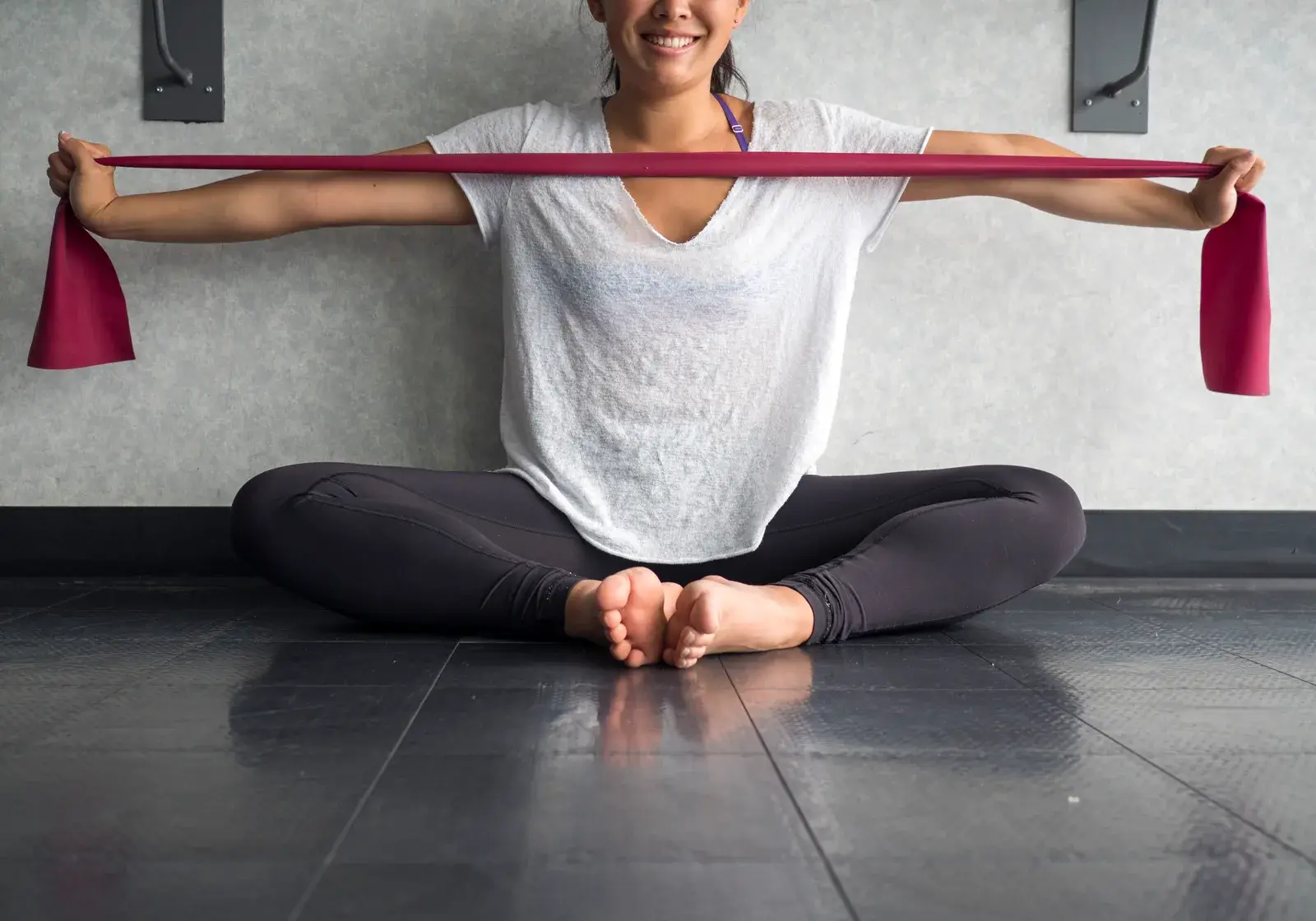 Tennis elbowTendon loading rehab for outer elbow pain from pickleball, tennis, golf, tools and desk work.
Page reviewed By the Monon Therapy Collective editorial team

Carmel City Center · Carmel, Indiana
Start with a conversation
Tell us what hurts and what you want to get back to. We will tell you honestly whether a therapist in the network is likely a good fit for what you describe, and match you with an independent, licensed therapist who is. Only that therapist can assess what will help.
885 Monon Green Blvd, Suite 120, Carmel, IN 46032 · Monday to Friday 5 AM to 9 PM · Saturday and Sunday 7 AM to 4 PM