For most tendon pain, a progressive loading program guided by a physical therapist is the starting point, because tendons adapt to load over weeks to months. Platelet-rich plasma (PRP) injections have some supporting evidence for tennis elbow, but AAOS OrthoInfo describes the results for Achilles and patellar tendon problems as promising yet inconclusive, and few insurance plans pay for PRP. If you do have an injection, rehab usually follows it, so the two are less rivals than possible partners.
Last reviewed By the Monon Therapy Collective editorial team
What is a PRP injection, and how is it supposed to help a tendon?
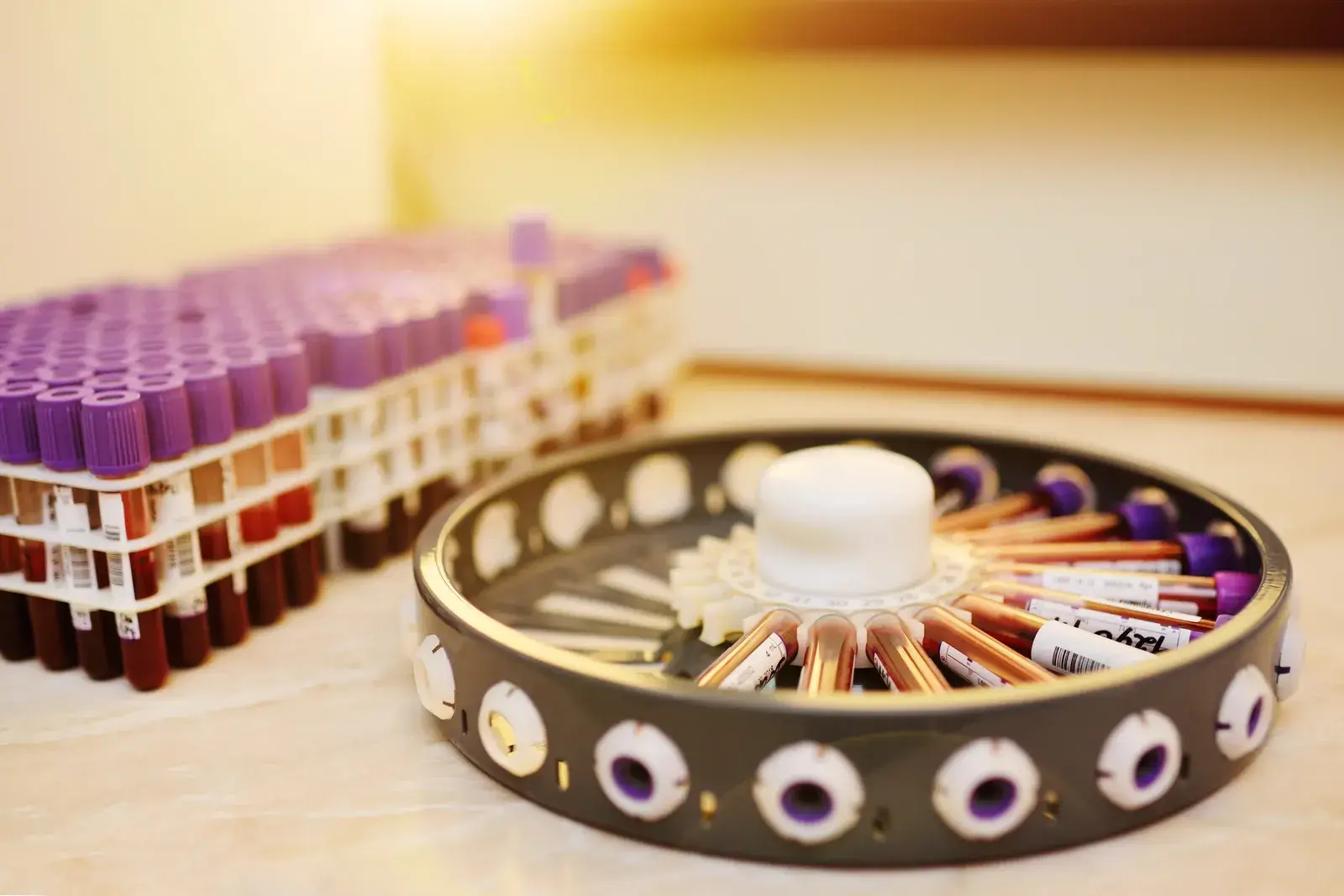
Platelet-rich plasma is made from your own blood. A sample is drawn and spun in a centrifuge to concentrate the platelets, which OrthoInfo describes as about five to ten times the usual concentration, and the concentrate is injected into or around the painful tendon. Platelets carry growth factors, and the idea is that delivering more of them to a sluggish tendon stimulates repair.
OrthoInfo describes the risks as minimal, since the material comes from your own blood, and says that infection, tissue damage and nerve injury appear no more common than after a cortisone injection, though soreness after the injection is common. Preparations vary a great deal between systems and clinics, which is one reason studies are hard to compare. The injection itself is usually done in a physician’s office, often with ultrasound guidance, and many physicians ask you to limit heavy use of the tendon for a short period afterward before rehab resumes.
For which tendons does PRP have the most evidence?
Lateral elbow pain, known as tennis elbow, has the most support. OrthoInfo states that research has shown PRP to be effective for this condition. For the Achilles and patellar tendons, the same source calls the results promising but notes it is difficult to say PRP is more effective than traditional treatment.
Evidence for the rotator cuff, the hamstring tendon near the sit bone and the plantar fascia is still developing and mixed. Results also depend on how long the tendon has been sore and what else is done alongside the injection. If you are offered PRP, ask the physician which studies support it for your specific tendon. The tennis elbow page and the Achilles tendinitis page describe the rehab side for two of the most common problems.
Why is tendon loading the usual first step for tendon pain?
Tendons respond to mechanical load: they become stiffer and more tolerant when they are loaded progressively, and they become irritable when load spikes or disappears. Most tendon pain, whether in the elbow of a weekend pickleball player or the knee of a volleyball player at Grand Park, follows a change in load, so the treatment is a carefully managed return of load.
A typical plan starts with exercises the tendon tolerates, sometimes holds that calm pain, then slow, heavy strengthening, then faster and springier work that matches your sport or job. Progress is often measured in weeks and months rather than days, and a little discomfort during the exercise is commonly acceptable as long as it settles by the next day and the tendon is not getting steadily worse. The tendinitis physical therapy page explains why the term tendinopathy is now preferred and what each stage involves.
- Reduce, but do not eliminate, the activities that aggravate the tendon
- Start strengthening at a level that leaves pain settled by the next morning
- Increase load gradually over several weeks
- Add speed and spring once strength is restored, then return to sport
Does insurance pay for PRP, and how does that compare with therapy?
Usually not. OrthoInfo notes that few insurance plans, including workers’ compensation plans, provide even partial reimbursement for PRP, so it is commonly an out-of-pocket cost. Prices vary by clinic and by whether ultrasound guidance is included, so ask for the full cost in writing before you agree to it.
Physical therapy for a tendon problem is commonly covered by health plans when it is medically necessary, subject to your deductible, copay or coinsurance and any visit limits. Before you book, the matching team checks which therapists in the network work with your plan, and the therapist’s office verifies your benefits. The cost and insurance page explains what is checked.
If you have PRP, how should physical therapy fit around it?
PRP is not a shortcut around rehab. After the injection, physicians commonly recommend a brief period of relative rest, followed by a graded return to loading, which is the same tendon program a therapist would have used anyway, adjusted for the injection timeline. Ask your physician for written instructions on what to avoid and for how long.
Tell your therapist the date of the injection and any restrictions, so the program restarts at the right level. If you have tried a well-run loading program for several months without progress, that history is useful to the physician deciding whether an injection makes sense. To start with the loading side, the two-minute questionnaire lets the matching team propose a therapist in the network whose focus fits your tendon.
Related questions
How long does PRP take to work on a tendon?
Physicians generally describe any benefit as gradual, over weeks to months rather than days. It is usually combined with a return to strengthening.
Is PRP better than a cortisone shot for tendon pain?
They work differently. Cortisone can calm pain quickly but has drawbacks for tendons with repeated use; the cortisone or physical therapy answer explains the tradeoffs.
Can I exercise after a PRP injection?
Most physicians ask for a short period of reduced load on the injected tendon, then a gradual return. Follow the specific instructions from the physician who performed it.
What other treatments do people try for stubborn tendon pain?
Some people hear about shockwave therapy or dry needling. The shockwave therapy page explains that option and why availability depends on the therapists in the network.
How long should I try tendon rehab before considering an injection?
Tendons are slow to change, so many clinicians suggest giving a well-run, progressively loaded program around three months before judging it. A program that never increased the load is not a fair trial.
Keep reading
- Cortisone shot or physical therapy: which is better?
- How long does tennis elbow last?
- Should I exercise through pain?
- Tendinitis physical therapy in Carmel
- Patellar tendinitis physical therapy
- Tennis elbow physical therapy
Sources
This page is general education, not medical advice. A physical therapist can only advise on your situation after an examination.
