After a broken wrist is fixed with a plate and screws, therapy often starts within days to weeks, beginning with finger and forearm motion and moving to wrist strength once the surgeon allows. The American Academy of Orthopaedic Surgeons says light activities often return within one to two months of surgery, more demanding ones in three to six months, and full recovery takes at least a year. Around Carmel, the matching team can suggest an independent, licensed therapist, and will tell you plainly whether one with hand experience is practicing in the network at the time.
Last reviewed By the Monon Therapy Collective editorial team
- Finger motion
- As soon as possible after surgery (AAOS)
- Light activity
- Often 1 to 2 months after surgery
- Demanding activity
- Often 3 to 6 months after the injury
- Full recovery
- At least 1 year; stiffness may improve for 2 years
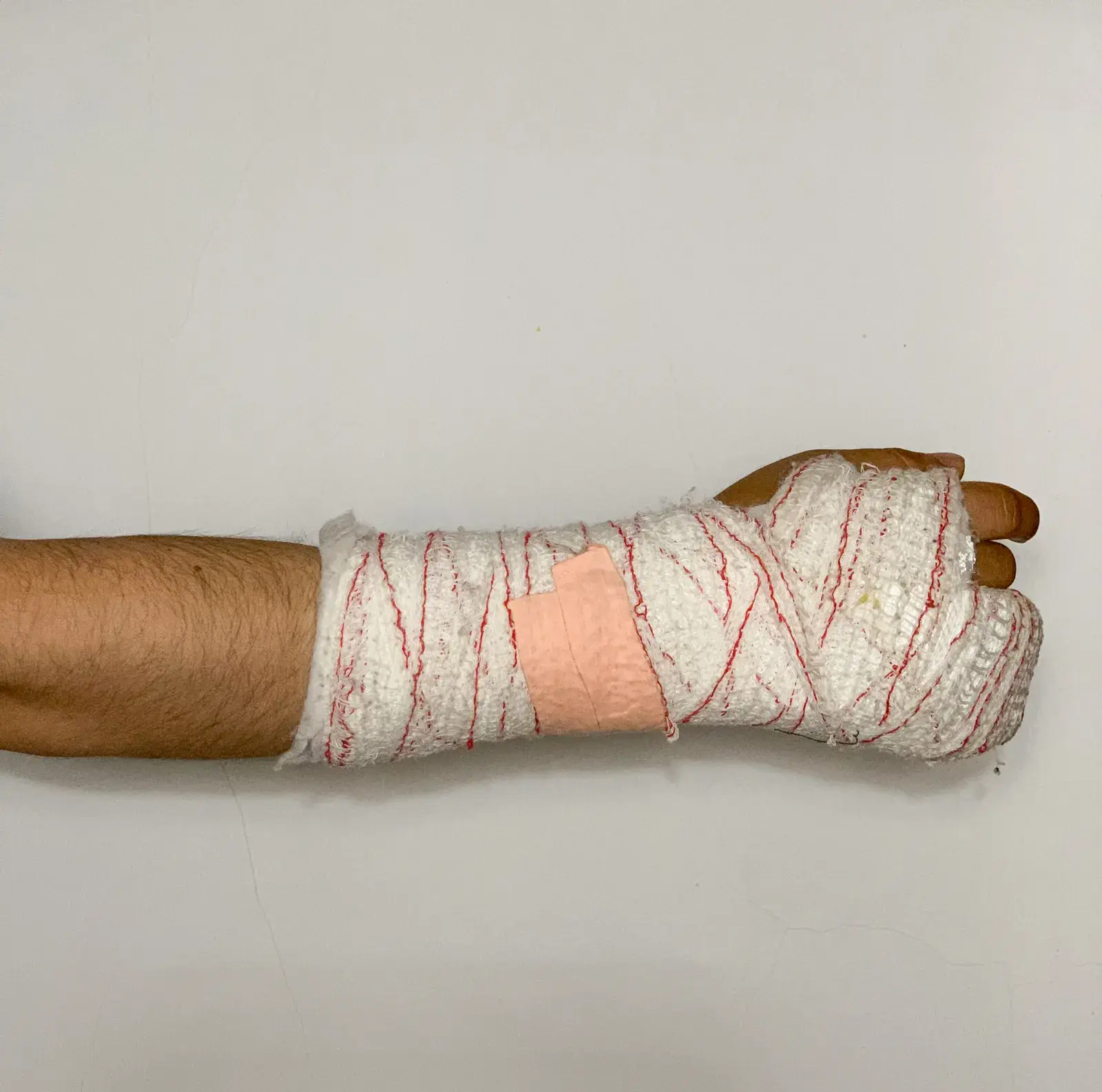
Why does wrist fracture rehab start with the fingers, not the wrist?
It starts with the fingers because finger stiffness after a broken wrist is common, hard to reverse later, and preventable early. OrthoInfo advises moving the fingers as soon as possible after surgery and says not being able to move them fully within 24 hours warrants a call to the doctor.
A distal radius fracture is a break of the larger forearm bone close to the wrist, and OrthoInfo says about 1 in 6 broken bones treated in emergency rooms is one. Surgery with a plate and screws is usually chosen when the bone is badly out of place or the break extends into the joint. A stable plate often allows earlier movement than a cast would, which is one reason therapy may begin within days.
In the first weeks, expect to bend and straighten every finger fully several times a day, touch the thumb to each fingertip, keep the hand raised above the heart to limit swelling, and move the elbow and shoulder so they do not stiffen while the arm rests.
What are the stages of rehab after a distal radius fracture is plated?
The stages run from swelling control and finger motion, to wrist and forearm motion, to strength and weight bearing through the hand. Your surgeon’s instructions and the stability of the fixation set the actual timing.
| Time after surgery | Goals | Typical milestones |
|---|---|---|
| 0 to 2 weeks | Swelling control, full finger motion | Splint; hand elevated; finger, thumb, elbow and shoulder movement many times daily |
| 2 to 6 weeks | Gentle wrist and forearm motion | Removable splint; active wrist bending and forearm turning; light tasks such as eating and typing |
| 6 to 10 weeks | Strength begins | Grip work, light weights for the wrist and forearm; splint usually weaned |
| 10 weeks to 6 months | Heavier use and weight bearing | Carrying, pushing up from chairs, gradual planks or push-ups; return to demanding sport as cleared |
| 6 months to 2 years | Late gains | Motion and strength can keep improving slowly, according to OrthoInfo |
Why is turning the palm up so hard after a broken wrist?
Turning the palm up, called supination, depends on the two forearm bones rolling around each other at the wrist and elbow, and that rotation is often the stiffest motion after a distal radius fracture. It is the movement you need to accept change in your palm, carry a plate, turn a key or wash your face.
A therapist measures supination and pronation (palm down) with the elbow at your side so the shoulder cannot cheat, then uses active practice, light weighted rotations with a hammer or dumbbell held at one end, and sometimes gentle hands-on stretching once the surgeon allows. Short, frequent sessions through the day usually work better than one long stretch.
Weight bearing through the hand is the other late skill: pushing up from a chair, a plank, a push-up, or leaning on handlebars. Our page on wrist pain during push-ups explains why that position is demanding and how it is usually built back in stages.
Golf and pickleball bring their own demands. A golf swing asks the lead wrist to hinge and release under load, and a pickleball volley needs a firm wrist at impact. Both usually return with short sessions first, chipping or dinking before full swings or drives, once grip strength is close to the other side.
- Finger and thumb motion, many times a day
- Wrist bending and straightening, side to side tilts
- Forearm turning with the elbow tucked in
- Grip and pinch strength
- Graded weight bearing through the palm
Which wrist fracture decisions stay with the surgeon?
The surgeon decides when the splint can come off, when you may lift and how much, when you may put weight through the hand, and whether the plate ever needs to be removed. Plates are usually left in unless they irritate the tendons.
Bring your operative note and the protocol to the first therapy visit. If a hand therapist rather than a physical therapist is recommended, that is a common choice after wrist surgery; our answer on a hand therapist or a physical therapist explains the difference. Whether a therapist in the network has hand therapy experience depends on who is practicing at the time, and the matching team tells you honestly before anything is booked and points you elsewhere if needed.
Should a broken wrist from a simple fall lead to a bone density check?
For many adults over about 50, yes, it is worth raising with your doctor. A wrist fracture from a fall from standing height can be an early sign of low bone density, and finding it then gives time to act before a spine or hip fracture.
Many wrist fractures in Carmel come from a fall on an outstretched hand: a slip on an icy sidewalk in January, a stumble on the Monon Trail, a tumble from a bike. Our guides to preventing falls on winter ice and osteoporosis-safe exercise cover what you can do about both the fall and the bone.
What can you do in the weeks before wrist surgery and right after it?
Wrist fractures that need surgery are usually fixed soon after the injury, so prehab is short and practical: keep the fingers, elbow and shoulder moving within your splint, set up one-handed routines at home and work, and plan help with driving, since most surgeons advise against driving with a splint or while taking strong pain medicine.
After surgery, the swelling and finger work above are your prehab for the strength phase. When you are ready for outpatient visits, the two-minute questionnaire tells the matching team your surgery date and limits so they can propose a therapist whose hours fit, including early weekday sessions from 5 AM.
Call your surgeon promptly after wrist surgery if you notice
- You cannot move your fingers fully within 24 hours, or they are pale, blue or cold
- Numbness or tingling in the thumb, index and middle fingers that is new or worsening
- Burning pain, shiny or discolored skin and swelling out of proportion to the injury
- Wound redness, drainage or fever, or pain that keeps climbing despite rest and medicine
If you think it is an emergency, call 911.
