Wrist sprain physical therapy in Carmel, Indiana
A wrist sprain is a stretch or tear of the ligaments that hold the small wrist bones together, usually from a fall onto an outstretched hand. After a fracture has been ruled out, physical therapy restores motion, then grip strength and the ability to bear weight through the hand for push-ups, yoga or getting up off the floor. A licensed therapist in the network can assess the wrist in Carmel and tell you when a physician or imaging should come first.
At a glance
Common signs of wrist sprain
Also called: Wrist ligament sprain, Sprained wrist, Scapholunate ligament sprain, TFCC sprain.
Could my sprained wrist actually be a broken bone?
Yes, and that is the first thing to rule out. A fall onto an outstretched hand can break the end of the forearm bone (the distal radius) or the scaphoid, a small bone at the base of the thumb. Scaphoid fractures are notorious for looking like a sprain and sometimes not showing on the first X-ray.
Tenderness in the hollow at the base of the thumb on the back of the wrist, called the anatomical snuffbox, is a warning sign. If it is sore after a fall, a physician will usually order an X-ray, and may put you in a splint or cast for 2 to 3 weeks and then repeat the X-ray if the first one is clear. Missing a scaphoid fracture can lead to poor healing, so this step should not be skipped.
Falls on ice are a common cause each winter in central Indiana, alongside cycling and scooter spills, skateboarding, basketball, and slips while running on wet leaves along the Monon Trail in autumn. If a fracture is found, the rehab path is different; our wrist fracture rehab page covers it.
How are wrist ligament sprains graded and examined?
Sprains are graded by how much the ligament is damaged: grade 1 is a stretch, grade 2 a partial tear, and grade 3 a complete tear that may make the wrist bones move abnormally. A physical therapist grades the injury using your history, swelling, tenderness, motion and specific stability tests.
Two ligament areas get special attention. The scapholunate ligament, between two wrist bones on the thumb side, can tear in a fall and lead to instability if missed; the Watson test, where the therapist presses on the scaphoid while moving the wrist, may produce a painful clunk. On the little finger side, the triangular fibrocartilage complex (TFCC) cushions the joint and is often strained by twisting or a fall; pain there is covered on our page about wrist pain on the pinky side.
Signs of a significant ligament tear, such as clunking, marked weakness or a wrist that stays very painful after several weeks, usually mean a referral to a hand surgeon and possibly an MRI.
- Grade 1: mild pain and swelling, full stability.
- Grade 2: more swelling and bruising, painful motion, some weakness.
- Grade 3: marked pain, possible clunking or instability; physician review needed.
What does rehab for a sprained wrist involve after the swelling settles?
Rehab moves in stages: protect and calm the wrist, restore motion, build strength, then return to weight-bearing and sport. A splint may be used for a short period for comfort or protection, but long immobilization for a simple sprain tends to leave the wrist stiff.
Early sessions focus on gentle active motion in all directions, swelling control, and keeping the fingers, elbow and shoulder moving. As pain settles, your therapist adds isometric holds, then wrist curls and extensions with light dumbbells, forearm rotation with a hammer, and grip work. Proprioception drills, such as rolling a ball on a wall or holding a bodyblade, retrain the wrist’s sense of position.
Weight-bearing is often the last thing to come back. In a private suite your therapist can progress you from pressing into a wall, to a bench, to the floor on fists or handles, and finally to full push-ups, planks, yoga poses or burpees.
- Gentle active wrist motion and finger exercises
- Isometrics, then light dumbbell curls and extensions
- Forearm rotation and grip strengthening
- Wall, bench and floor weight-bearing progressions
- Sport or work-specific drills such as catching or tool use
How many weeks until a sprained wrist can bear weight again?
Mild sprains often recover fully over several weeks, with weight-bearing exercises like push-ups returning toward the end of that time. For moderate and severe sprains, AAOS notes the ligament usually heals in 8 to 12 weeks, but full recovery can take 6 to 12 months. Tears that need surgery follow the surgeon’s plan.
Your therapist uses milestones rather than the calendar: near-full motion, grip strength close to the other hand, and weight-bearing through the palm without pain. Lingering pain after several weeks, especially on the thumb side or with clicking, is a reason to go back to a physician to check for a missed fracture or a significant ligament tear.
Recovery is often slower in people who need the wrist heavily for work, such as nurses, tradespeople and parents of small children, simply because the joint gets less rest.
A sprain on the dominant side also tends to feel slower, because you notice it with every door handle, coffee pot and keyboard. Short, frequent bouts of the home exercises through the day, rather than one long session, usually suit a sore wrist better and keep stiffness from building between visits.
How should I look after a sprained wrist in the first week?
Elevate the hand, use ice for up to 20 minutes at a time, and keep the fingers moving. Wear a splint if a physician has advised one. Avoid pushing up from chairs with that hand, carrying heavy bags and any activity that loads the wrist with it bent back.
Get the wrist checked if there is tenderness at the base of the thumb, the wrist looks deformed, swelling is severe, or pain is not easing after a few days. Indiana lets you see a physical therapist without a referral, and a therapist will refer you on if imaging is needed.
Once a fracture is ruled out, the two-minute questionnaire tells the matching team what happened and what you need the wrist for. For winter fall prevention, the guide to staying upright on ice has practical tips.
When to see a physician or go to the ER first
Physical therapy is the right start for most wrist sprain. These symptoms are different and need medical attention before, or instead of, a physical therapy visit:
- Tenderness in the hollow at the base of the thumb after a fall (possible scaphoid fracture)
- A visibly deformed wrist or forearm
- Numbness, tingling or pale, cold fingers after the injury
- Severe swelling or pain that is getting worse rather than better
- A clunk or giving way in the wrist with gripping
- A wrist injury from a fall in an older adult, which may signal low bone density
If you think it is an emergency, call 911.
Two-minute assessment
Get your wrist sprain looked at
Tell us how your wrist sprain started, how long it has been going on and what it is stopping you from doing. The matching team proposes a therapist in the network who focuses on it, and you hear back, usually within one business day.
- No referral needed to start in Indiana (first 42 days)
- We check which therapists work with your plan before you book
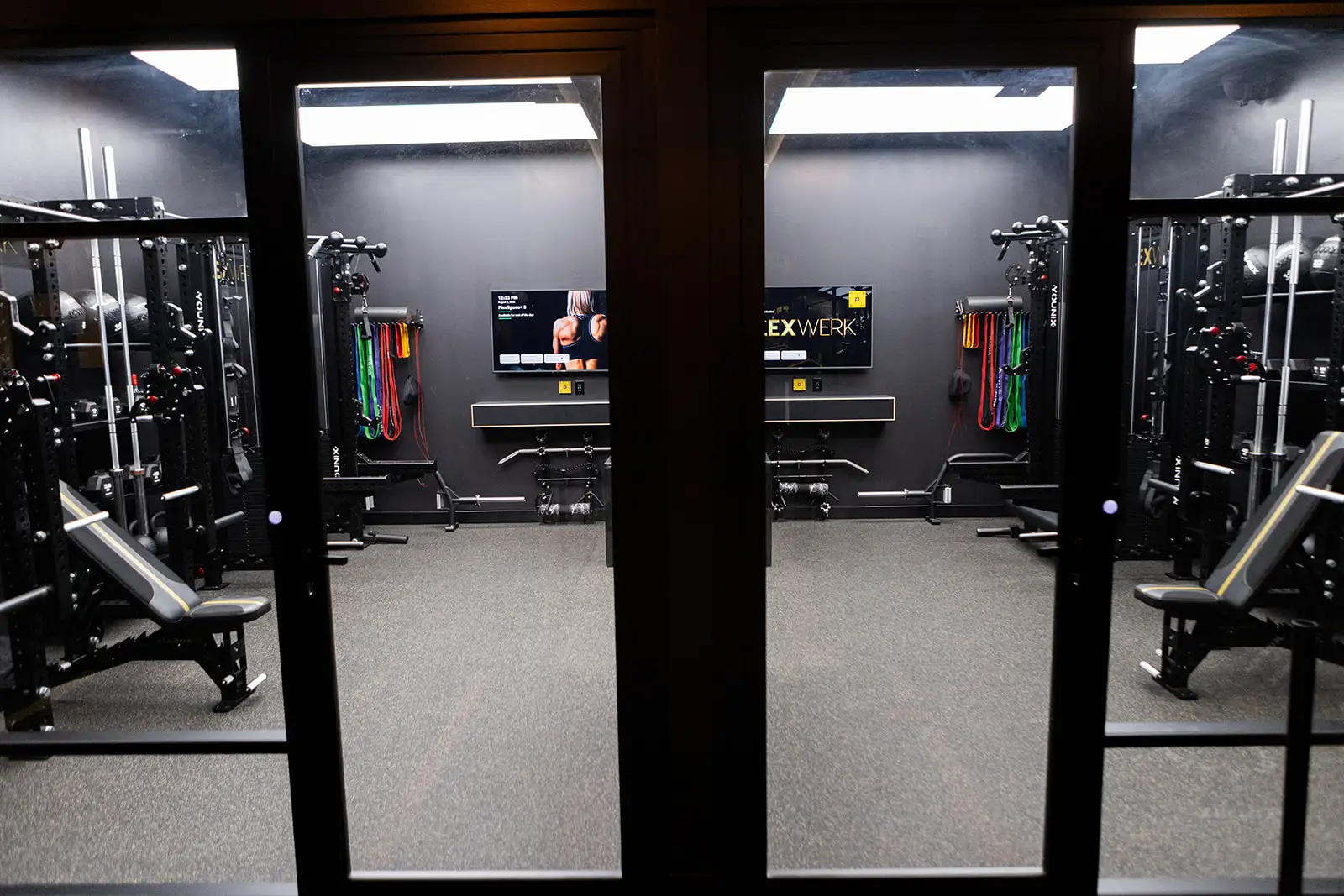
- One-on-one care in a private suite at Carmel City Center
How therapists treat it
Kinds of care used for wrist sprain
- Hand therapyRehab for the hand, wrist and elbow after fractures, tendon repairs and nerve problems, from a clinician with hand-specific training.
- Sports physical therapyRehab for active adults that goes past pain relief to the strength, power and movement your sport actually demands.
- Orthopedic physical therapyExercise-led care for back, neck, shoulder, hip, knee and ankle problems, delivered one-on-one in a private suite.
Questions
Wrist sprain: what people ask
Information on this website is general education, not medical advice, a diagnosis or a treatment plan. Only a licensed clinician who examines you can advise on your condition. If you may be having a medical emergency, call 911.
Something we did not cover? Ask the matching team or ring (888) 353-9975.
Should I wear a wrist brace for a sprain?
A brace can help for a short period, usually days to a couple of weeks for a mild sprain. Long-term bracing without exercise often leads to stiffness.
Why does my wrist still hurt doing push-ups weeks later?
Weight-bearing with the wrist bent back is one of the last things to recover. Using handles or fists and progressing gradually usually helps; see wrist pain during push-ups.
Can a wrist sprain heal without physical therapy?
Mild sprains often recover with sensible self-care. Therapy helps when stiffness, weakness or pain linger, or when you need the wrist for sport or work.
Is heat or ice better for a sprained wrist?
Ice is usually more comfortable in the first few days while the wrist is swollen. Later, warmth before exercise can ease stiffness; use whichever helps you move more comfortably.
Do I need an MRI for a wrist sprain?
Not usually. An MRI is considered by a physician when a significant ligament tear or hidden fracture is suspected.
Does a fall on the wrist mean I have weak bones?
Not necessarily, but a wrist fracture from a simple fall in an adult over 50 can be a sign of osteoporosis and is worth discussing with your physician. Read more on osteoporosis.
When can I go back to climbing or gymnastics?
Sports that load the wrist heavily usually come back last, after full strength and painless weight-bearing. Your therapist can test this before you return.
Google reviews
What guests say about FlexWerk
These are live Google reviews of FlexWerk at Carmel City Center, the private-suite facility where therapists in the network practise.
Related
Conditions that travel together
 Skier’s thumbRehab for a sprained thumb ligament after a fall on a ski pole, a ball or ice, with a clear path to a surgeon when needed.
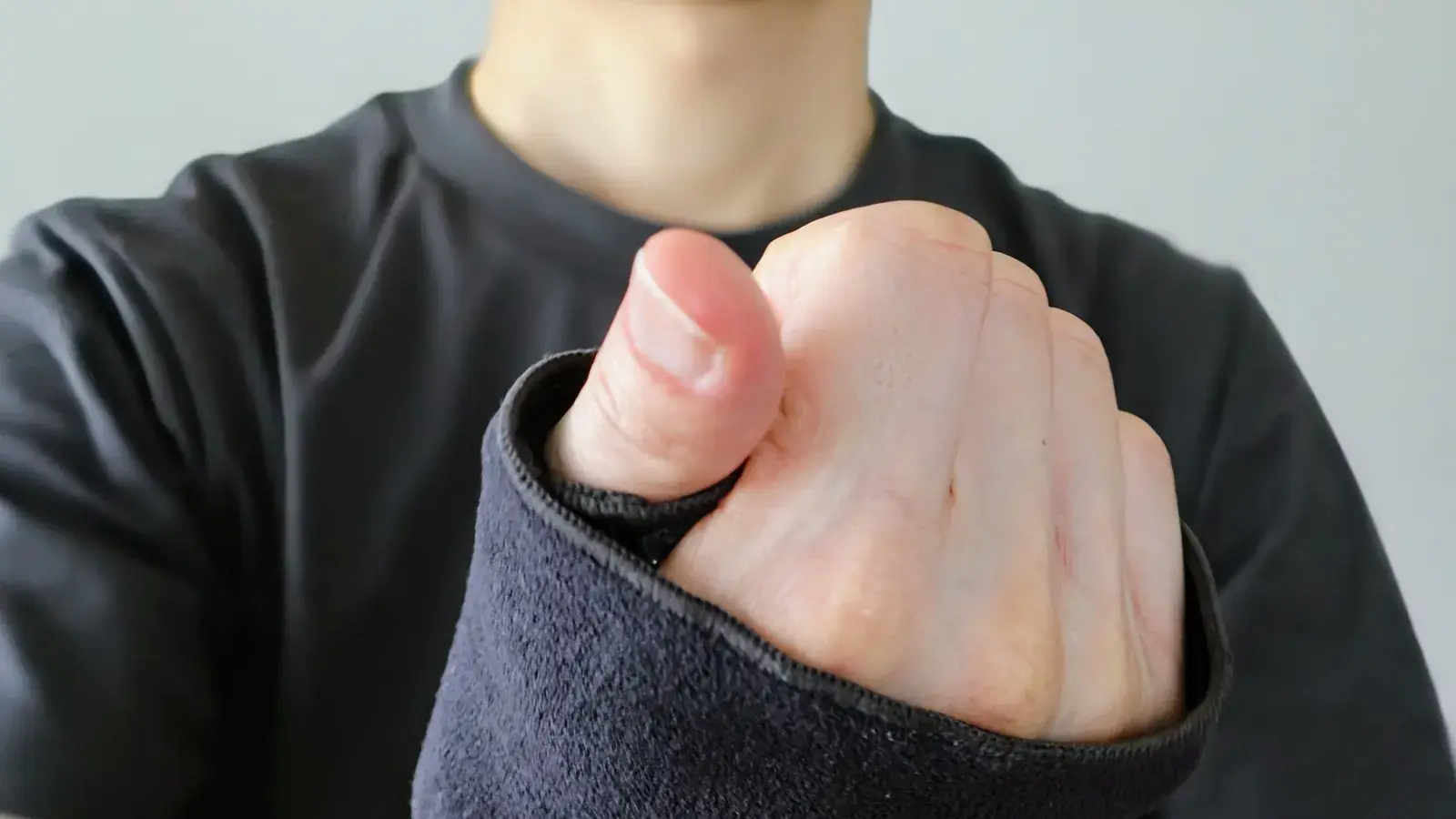 Wrist tendinitisRelief and rebuilding for tendon pain at the wrist, especially De Quervain’s on the thumb side, common in new parents.
 OsteoporosisSupervised strength, balance and safe-movement training for people with low bone density or osteoporosis.
Page reviewed By the Monon Therapy Collective editorial team

Carmel City Center · Carmel, Indiana
Start with a conversation
Tell us what hurts and what you want to get back to. We will tell you honestly whether a therapist in the network is likely a good fit for what you describe, and match you with an independent, licensed therapist who is. Only that therapist can assess what will help.
885 Monon Green Blvd, Suite 120, Carmel, IN 46032 · Monday to Friday 5 AM to 9 PM · Saturday and Sunday 7 AM to 4 PM