Skier’s thumb physical therapy in Carmel, Indiana
Skier’s thumb is a sprain or tear of the ulnar collateral ligament (UCL) on the inner side of the thumb’s knuckle, usually from a fall with the thumb bent backward and outward, often while holding a ski pole. Partial tears are usually treated with a cast or splint for several weeks followed by physical therapy to restore motion and pinch strength. Complete tears, especially those with a Stener lesion, usually need a hand surgeon soon after injury, so a quick assessment matters.
At a glance
Common signs of skier’s thumb
Also called: Thumb ulnar collateral ligament sprain, Gamekeeper’s thumb, Thumb UCL tear, Stener lesion.
How does a fall on a ski pole injure the thumb ligament?
When you fall with a ski pole strap around your hand, the pole levers the thumb backward and away from the hand. That stresses the ulnar collateral ligament, which runs along the inner side of the thumb knuckle (the metacarpophalangeal joint) and stops the thumb from bending sideways.
Skiing is the classic setting, which is why Indiana skiers often bring the injury home from a trip west or north. But the same mechanism happens with a fall on ice, a basketball or volleyball jammed into the thumb, a goalkeeper’s save, a bike crash on the handlebars, or a missed catch in softball. The older name, gamekeeper’s thumb, described a chronic loosening of the same ligament from repeated strain.
Sometimes a small piece of bone is pulled off with the ligament, called an avulsion fracture. That changes the treatment and is one reason an X-ray is often ordered after a thumb injury. A displaced fragment usually needs a surgeon, while a small fragment that stays in place may heal in a cast much like a partial tear.
What is a Stener lesion, and why does it change the plan?
A Stener lesion happens when a completely torn UCL flips over a nearby band of tissue (the adductor aponeurosis), so the torn end ends up on the wrong side and cannot heal back to the bone on its own. It often feels like a small lump on the inner side of the thumb knuckle.
Because a Stener lesion will not heal in a cast, it usually needs surgical repair, and repair is generally easier and more reliable in the first few weeks after injury than later. That is why a thumb that is very loose when stressed, or has a lump, should be seen by a hand surgeon promptly rather than waiting to see if it settles.
A physical therapist examining a fresh thumb injury will check stability gently, compare it with the other thumb, and refer on quickly if a complete tear is suspected. Ultrasound or MRI ordered by a physician can help confirm it.
Timing is the practical lesson. A thumb injured on a ski trip in February should be looked at on return rather than after the next trip, and a jammed thumb from a weekend basketball game is worth checking that week. A short delay is fine; several weeks of waiting can narrow the options.
How is a partial UCL tear treated with casting and therapy?
Partial tears and stable injuries are usually treated by holding the thumb still in a thumb spica cast or splint for several weeks, with the rest of the hand free; the physician sets the length. The goal is to let the ligament heal at the right length so the thumb is stable for pinching.
Physical therapy usually starts with gentle motion once the physician allows, while the thumb is still protected by a removable splint between exercises. Stress on the healing ligament, such as hard pinching or pulling the thumb sideways, is avoided at first.
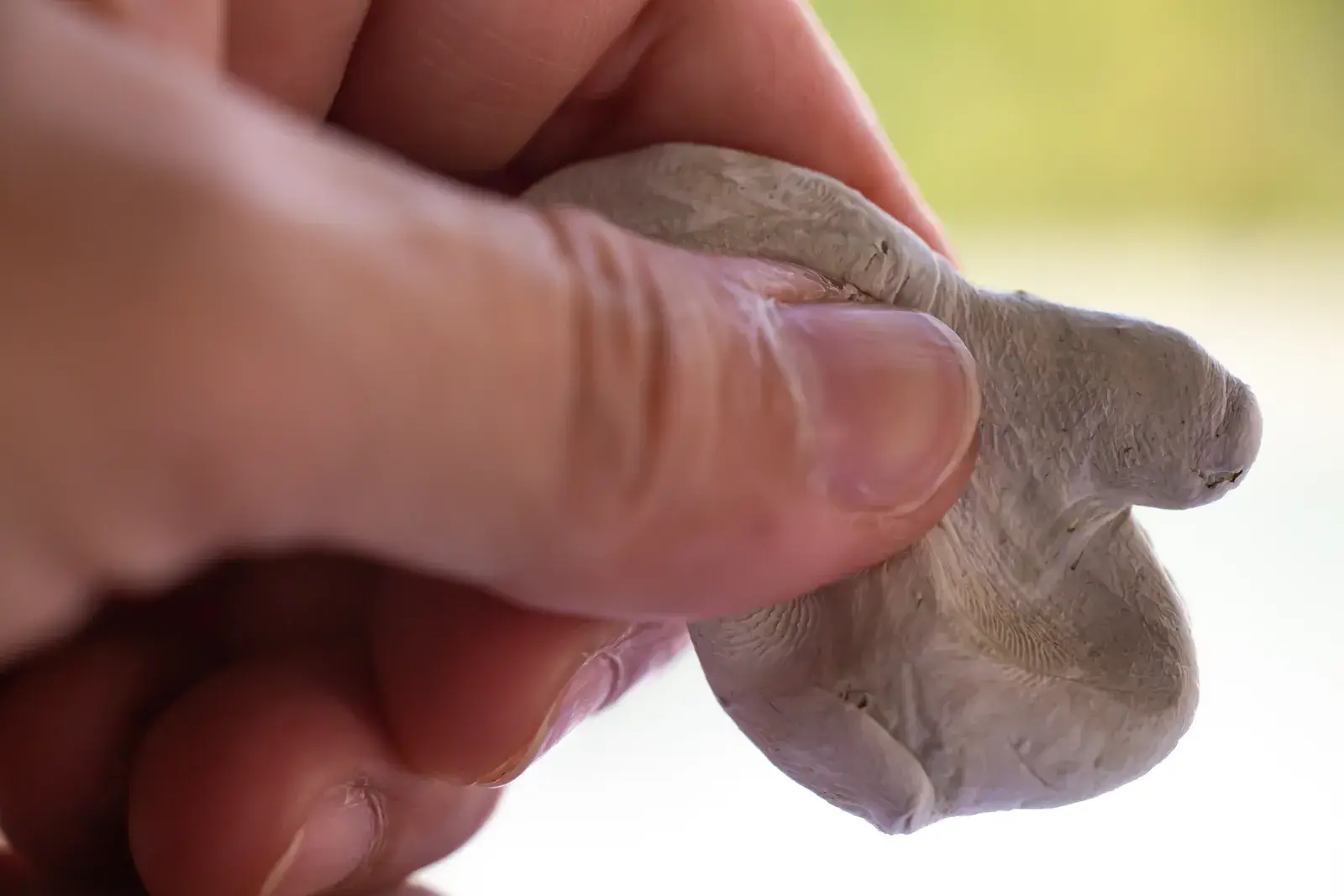
Later, therapy builds pinch and grip strength with putty, clothespins and light weights, then progresses to sport and work demands: catching, gripping a pole or racket, holding tools. Some therapists use a small orthosis or taping when you return to sport.
Throughout, the rest of the arm is kept strong. Shoulder, elbow and forearm work can continue in the suite with the thumb protected, so that when the splint comes off you are only rebuilding the thumb, not the whole upper limb. Cardio and lower-body training usually carry on almost as normal.
- Protection: cast or splint for several weeks, finger and wrist motion kept up.
- Early motion: gentle thumb motion out of the splint once the physician allows.
- Strengthening: pinch and grip work, with the splint coming off for daily tasks.
- Return: unrestricted use and sport once the thumb is stable and strong, often with protective taping.
When can I ski, catch a ball or grip a racket again after a thumb sprain?
After a partial tear, many people return to most activities within a few months, with contact or ball sports sometimes later. After surgical repair, AAOS notes a short arm cast or splint is usually worn for 6 to 12 weeks to protect the ligament, and the surgeon decides when unrestricted use can begin.
Your therapist will look for a stable, pain-free thumb, near-normal motion, and pinch and grip strength close to the other hand. For skiers, holding poles without wrist straps, or using poles designed to release, can lower the risk of re-injury. For ball sports, buddy taping or a thumb splint may be used for the rest of the season.
If the thumb stays loose or painful after this period, a hand surgeon may need to review whether the ligament has healed.
Stiffness is a common leftover, particularly in bending the thumb knuckle fully. It usually improves with steady motion work over the following months. A thumb that is stiff but stable generally functions well, while a thumb that remains unstable tends to weaken pinch and can lead to arthritis later, which is why stability is checked so carefully before you are discharged.
What should I do in the first days after jamming my thumb?
Ice the thumb, keep the hand raised, and avoid pinching or gripping with it. Do not try to test how loose the thumb is by pulling on it. Arrange an assessment within a few days, especially if the thumb feels unstable, has a lump on the inner side, or bruises heavily.
Indiana allows you to see a physical therapist first, and a therapist can help sort out whether you need a physician or hand surgeon urgently. For other wrist injuries from the same fall, compare with wrist sprain.
Once the urgent questions are answered, the online assessment form lets the matching team look for a therapist whose focus suits hand injuries, and tell you honestly if none in the network does; read hand therapy in Carmel for how hand-specialist care is matched.
When to see a physician or go to the ER first
Physical therapy is the right start for most skier’s thumb. These symptoms are different and need medical attention before, or instead of, a physical therapy visit:
- A thumb that feels very loose or wobbly when you pinch
- A lump on the inner side of the thumb knuckle after the injury
- Deformity of the thumb or wrist
- Numbness or a pale, cold thumb
- Severe pain and swelling after a fall that does not ease in a day or two
If you think it is an emergency, call 911.
Two-minute assessment
Get your skier’s thumb looked at
Tell us how your skier’s thumb started, how long it has been going on and what it is stopping you from doing. The matching team proposes a therapist in the network who focuses on it, and you hear back, usually within one business day.
- No referral needed to start in Indiana (first 42 days)
- We check which therapists work with your plan before you book
- One-on-one care in a private suite at Carmel City Center
How therapists treat it
Kinds of care used for skier’s thumb
- Hand therapyRehab for the hand, wrist and elbow after fractures, tendon repairs and nerve problems, from a clinician with hand-specific training.
- Sports physical therapyRehab for active adults that goes past pain relief to the strength, power and movement your sport actually demands.
- Return-to-sport testingCriteria-based testing of strength, hopping, movement and confidence, so your return to sport rests on evidence, not the calendar.
Questions
Skier’s thumb: what people ask
Information on this website is general education, not medical advice, a diagnosis or a treatment plan. Only a licensed clinician who examines you can advise on your condition. If you may be having a medical emergency, call 911.
Something we did not cover? Ask the matching team or ring (888) 353-9975.
Why is it called gamekeeper’s thumb?
The name came from chronic loosening of the same ligament in gamekeepers from repeated strain. Skier’s thumb usually refers to a sudden injury.
Can I ski with a sprained thumb?
Not until it is stable and strong. When you return, a protective splint and poles without straps can lower the risk of re-injury.
Does skier’s thumb always need surgery?
No. Partial tears usually heal in a cast or splint. Complete tears, displaced bone fragments and Stener lesions usually need surgical repair.
Can I keep working while my thumb is in a cast?
Many people can, depending on the job. Desk work is usually manageable; jobs that need two strong hands, such as nursing, trades or warehouse work, may need modified duties for several weeks.
Will my thumb be weak after a UCL injury?
Pinch strength often lags for a while. Targeted strengthening usually brings it back close to the other side over several months.
How soon should I get my thumb checked?
Within a few days, and sooner if the thumb is unstable. Delaying the diagnosis of a complete tear can make treatment harder. See how soon to see a physical therapist after an injury.
Google reviews
What guests say about FlexWerk
These are live Google reviews of FlexWerk at Carmel City Center, the private-suite facility where therapists in the network practise.
Related
Conditions that travel together
 Wrist sprainRehab after a fall on the hand: making sure nothing is broken, then motion, grip and weight-bearing.
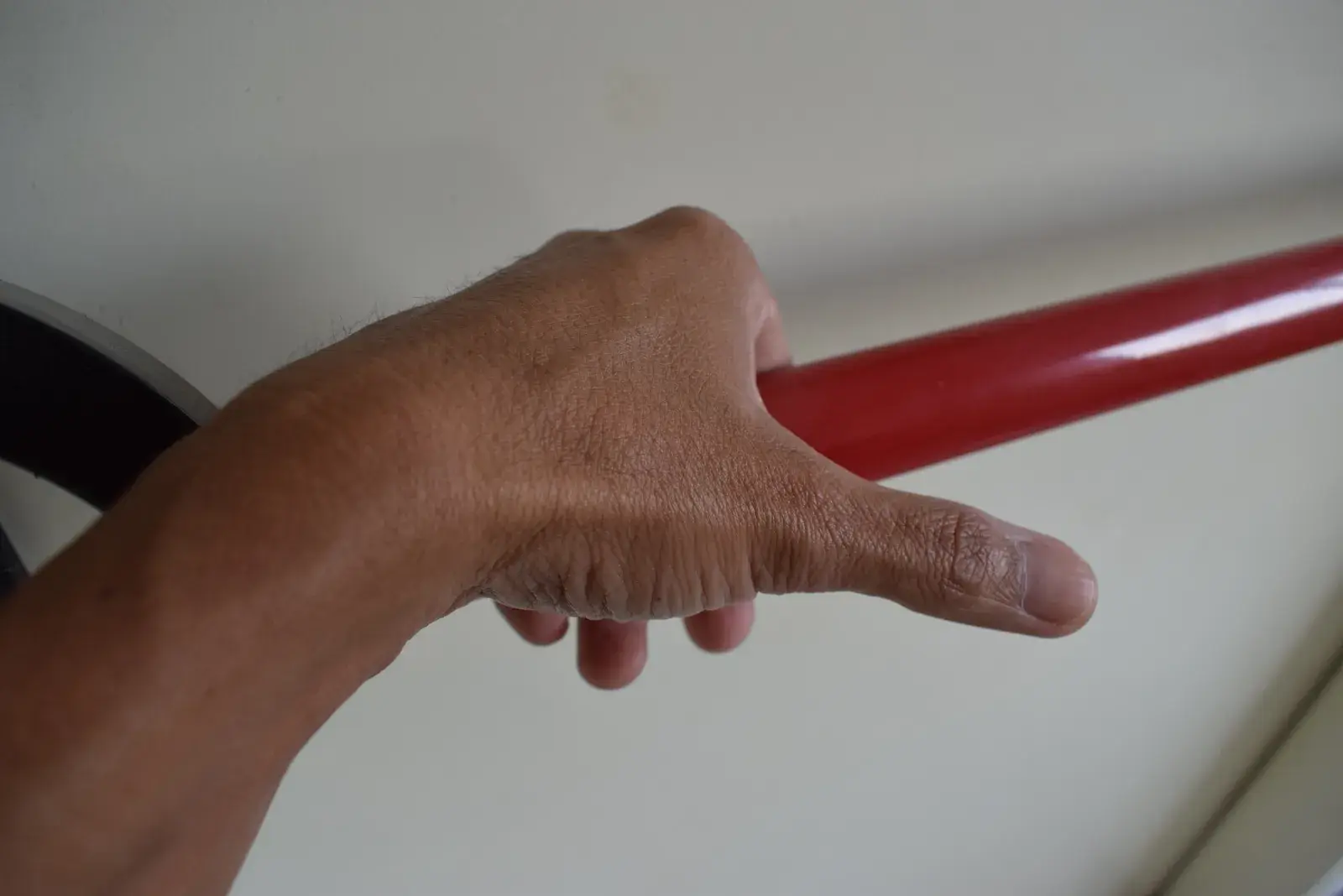
 Thumb arthritisSplints, joint protection and stabilizing exercises for an aching base of the thumb.
 Trigger fingerSplinting, gliding exercises and grip changes for a finger or thumb that catches, clicks or locks.
Page reviewed By the Monon Therapy Collective editorial team

Carmel City Center · Carmel, Indiana
Start with a conversation
Tell us what hurts and what you want to get back to. We will tell you honestly whether a therapist in the network is likely a good fit for what you describe, and match you with an independent, licensed therapist who is. Only that therapist can assess what will help.
885 Monon Green Blvd, Suite 120, Carmel, IN 46032 · Monday to Friday 5 AM to 9 PM · Saturday and Sunday 7 AM to 4 PM