Knee clicking and popping on its own, with no pain or swelling, is very common and usually harmless; the medical term is crepitus. Noise matters when it comes with pain, swelling, catching, locking or the knee giving way, which can point to a meniscus tear, kneecap irritation or osteoarthritis. A single loud pop at the moment of an injury is different again and should be examined.
Last reviewed By the Monon Therapy Collective editorial team
- Painless clicking
- Usually no cause for concern
- Noise plus locking
- Get examined
- Pop at injury
- Get examined promptly
Is it normal for knees to click when you squat?
Yes, painless clicks and cracks when you squat, kneel or stand up are normal for many people, at every age. Gas bubbles in joint fluid and tendons sliding over bone can both make noise without any damage.
The useful question is not whether the knee makes a noise but whether anything else comes with it. A knee that crackles on the way out of a chair but feels strong, does not swell and lets you walk the Monon Trail comfortably does not need treatment for the sound alone.
What kind of knee noise suggests a problem?
Noise that comes with pain, swelling, catching, locking or giving way suggests a structural cause. Each pattern points somewhere slightly different, and the table below sets out the usual links.
OrthoInfo notes that an arthritic knee may creak, click, snap or grind, and that loose fragments can make it stick. It describes popping or crackling on stairs or standing up as a feature of patellofemoral pain, and a pop at the moment of injury, followed by stiffness, swelling and catching, as typical of a meniscus tear.
| Likely cause | What it tends to feel like | Where to read more |
|---|---|---|
| Harmless crepitus | Clicks or cracks with no pain, swelling or weakness | Knee pain physical therapy |
| Patellofemoral pain | Crackling behind the kneecap with an ache on stairs or after sitting | Runner’s knee |
| Meniscus tear | Click or catch with twisting, joint-line pain, occasional locking | Meniscus tear |
| Knee osteoarthritis | Grinding through the whole bend, stiffness after rest | Knee osteoarthritis |
| Kneecap instability | A clunk as the kneecap shifts, with a sudden sense of the knee going | Patellar dislocation |
What is the difference between catching and true locking?
Catching is a brief hitch that you can move through; true locking is when the knee gets stuck, usually slightly bent, and cannot be straightened until you wiggle it free. True locking suggests something mechanical, such as a torn flap of meniscus or a loose fragment, getting caught in the joint.
A knee that is stuck and will not straighten needs a physician’s examination rather than exercise. Occasional catching without swelling is common and is often assessed and managed by a physical therapist first, with a referral for imaging if the signs suggest a tear.
What does a therapist do about a noisy knee?
A therapist first decides whether the noise matters, by testing the meniscus, ligaments and kneecap tracking and noting whether the noise reproduces your pain. If the knee is otherwise healthy, the visit may end with reassurance and a strengthening plan rather than ongoing treatment.
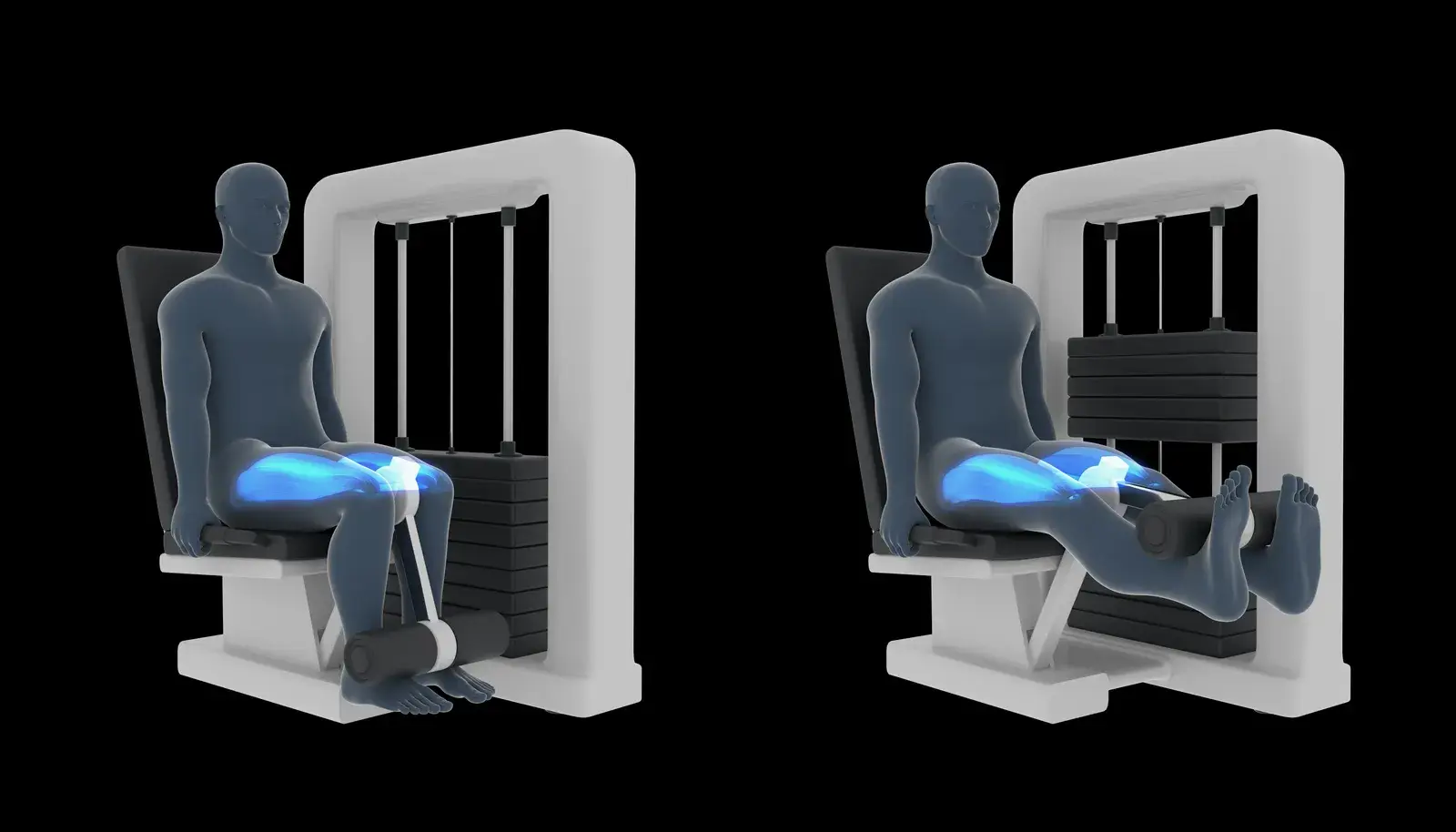
When noise comes with pain, the plan targets the cause: quadriceps and hip strength for kneecap pain, graded loading and range of motion for arthritis, and a period of modified twisting for a suspected meniscus tear. Strength work such as terminal knee extension is often part of the early program. Sounds sometimes quiet down as strength improves, but the goal is function and comfort, not silence.
What can I do at home for a knee that clicks and also aches?
Keep moving, but trim the activities that bring on both the noise and the ache, such as deep squats, kneeling and long stair sessions, for a couple of weeks. Gentle cycling, flat walking and straight-leg strength work usually remain comfortable.
Keep a short note of which movements click, which hurt, and whether the knee swells afterward, because that pattern is exactly what an examiner wants to know. If the ache persists beyond two or three weeks, or the knee catches more often, describe it in the two-minute questionnaire; a person on the matching team reads it and proposes a therapist in the network whose focus fits.
Get a knee noise checked promptly if
- You heard or felt a pop during a twist or landing and the knee swelled within hours.
- The knee locks and you cannot straighten it.
- The kneecap shifted out of place, even if it went back by itself.
- Noise comes with redness, warmth or fever.
If you think it is an emergency, call 911.
