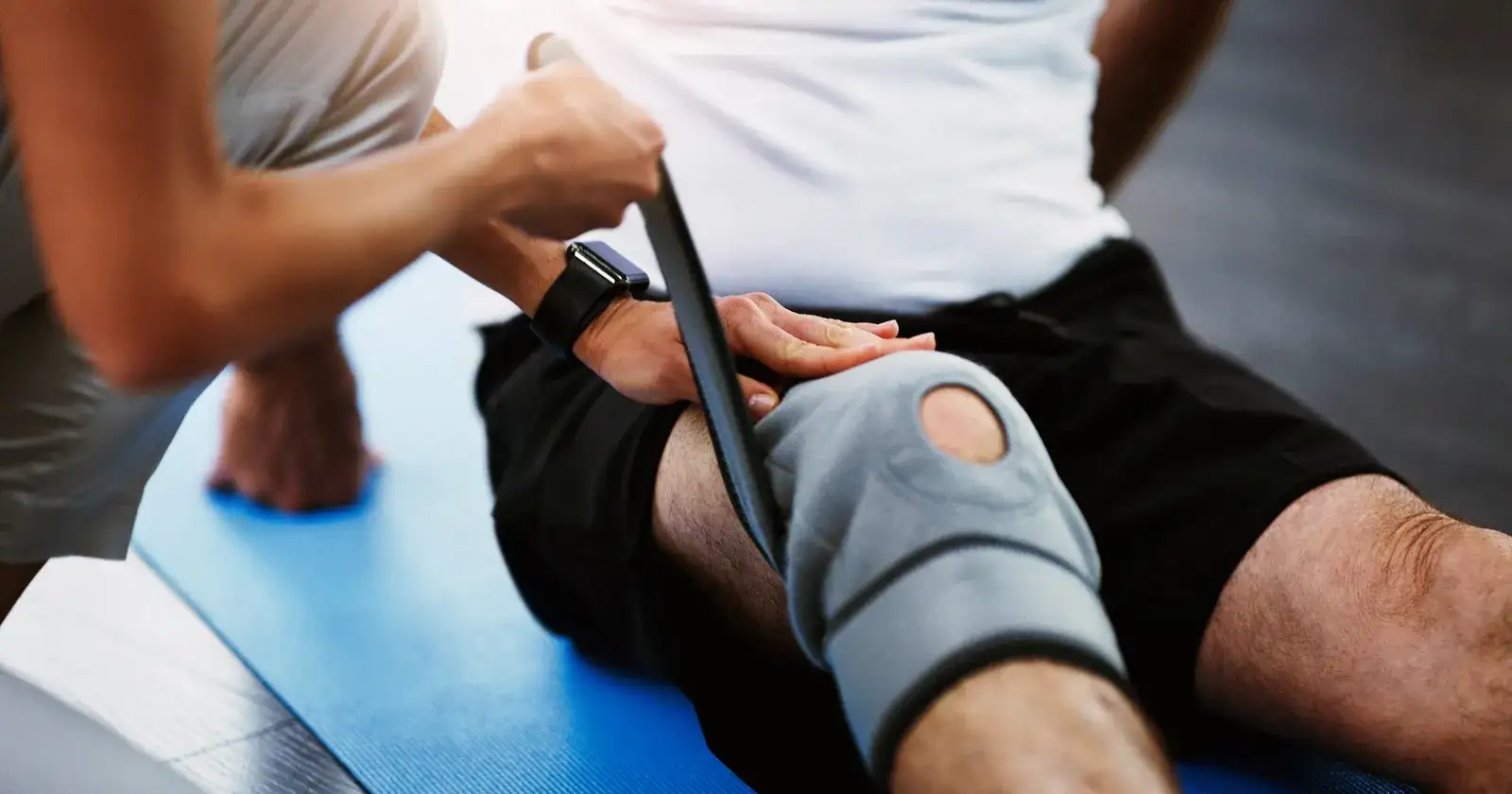
Patellar dislocation physical therapy in Carmel, Indiana
After a first kneecap dislocation, most people are treated without surgery, and physical therapy is the core of that care: settling swelling, restoring motion, and building quadriceps and hip strength so the kneecap tracks more securely. A licensed physical therapist in the network in Carmel follows your physician’s bracing instructions and progresses you, one-on-one, toward the pivoting and landing that caused the injury.
At a glance
Common signs of patellar dislocation
Also called: Dislocated kneecap, Patellar instability, Patellar subluxation, Kneecap slipped out.
Why does a kneecap slip out of its groove?
The kneecap (patella) normally glides in a groove at the end of the thigh bone, held on the inner side by a ligament called the MPFL (medial patellofemoral ligament). A dislocation happens when the knee twists while the foot is planted, often with the knee slightly bent, and the kneecap is pulled out toward the outside. It sometimes pops back on its own as the leg straightens.
Anatomy plays a large part. A shallow groove, a kneecap that sits high, loose ligaments, or a knee that angles inward all make dislocation more likely. That is why it is common in teenagers and young adults, particularly in basketball, volleyball, dance and gymnastics, and why some people dislocate more than once.
The first dislocation almost always tears or stretches the MPFL. It can also chip cartilage from the kneecap or the thigh bone, which is the main reason a physician often orders an X-ray or MRI after the first episode.
- Trochlear dysplasia: a shallow or flat groove that gives the kneecap little to sit in.
- Patella alta: a kneecap that rides high and engages the groove late as the knee bends.
- Generalized looseness: joints that bend further than usual, sometimes running in families.
- A previous dislocation: a stretched MPFL holds the kneecap less firmly the next time.
What happens at the first physical therapy visit after a dislocation?
The first visit is about protection and measurement. A therapist confirms what your physician has advised about bracing and weight bearing, measures swelling and motion, checks whether you can lift the straight leg without the knee sagging, and gently assesses how the kneecap moves. They will not repeatedly test whether it slips again, because that apprehension is the point.
They will also look beyond the knee: hip strength, how the knee moves when you squat or step down, ankle mobility and general joint looseness. Those factors shape how the plan is built. If you have locking or catching, the therapist will ask your physician whether a loose cartilage fragment has been excluded, because that needs surgical attention.
Expect a plain explanation of the risk factors the therapist sees in your knee, which ones exercise can change, and a short home routine for the days between visits. Groove shape cannot be trained, but strength, control and confidence can.
If you have had several dislocations or partial slips over the years, bring whatever imaging reports you have. Measurements such as how high the kneecap sits or how shallow the groove is help your therapist and physician judge whether rehab alone is a reasonable plan or whether a surgical opinion makes sense first.
Which exercises keep a kneecap tracking after it has dislocated?
Quadriceps strength, especially through the ranges where the kneecap sits in the groove, plus hip strength that keeps the knee from collapsing inward, form the backbone of rehab. Early work includes quad sets, straight-leg raises in the brace, and short-arc knee extensions. Once the physician allows more bend, leg presses, wall sits, step-ups and the step-down exercise come in.
Hip work gets real attention: side-lying raises, banded walks, single-leg bridges and controlled lunges. Later stages train the exact moment of injury, with cutting, pivoting and landing drills done slowly first, then faster, with the knee kept over the foot. The private suite at FlexWerk has room for lateral shuffles and the rack for heavier strength work.
Some people benefit from a patellar stabilizing brace or taping during the return to sport. Those are supports, not substitutes for the strength work, and their use is a conversation between you, your physician and your therapist. Volleyball and basketball players, who land and pivot hundreds of times a week, are often the people for whom that extra support is discussed.
- Quad activation and straight-leg raises without a lag
- Leg presses and wall sits in a range the physician permits
- Hip abductor and rotator strengthening
- Single-leg balance and step-down control
- Landing, cutting and pivot drills before returning to sport
How long is recovery from a first-time kneecap dislocation?
Many people return to normal daily activities within roughly 1 to 3 months after a first dislocation managed without surgery, according to AAOS guidance, with pivoting sports often taking longer. The range depends on swelling, cartilage damage, how well strength returns, and your sport.
Recurrence is the main concern. A first dislocation managed with rehab has a relatively low chance of repeating for many people, but the risk is higher in young athletes with anatomical risk factors. When the kneecap dislocates again, or imaging shows a loose fragment, an orthopedic surgeon may discuss stabilization surgery such as MPFL reconstruction, and the plan becomes post-surgical rehabilitation.
- First 2 weeks: brace as prescribed, swelling control, quad activation, walking.
- Weeks 2 to 6: bend returning within limits, leg press, hip work, balance.
- Weeks 6 to 12: heavier strength, jogging, lateral movement, early landing drills.
- After that: cutting and sport rehearsal, and return to sport testing before full play.
When should I see a surgeon instead of starting rehab?
See a physician first if the kneecap is still out of place, the knee is locked, swelling came on fast, or you cannot bear weight. Those findings need an exam and usually imaging. If your kneecap has dislocated two or more times, ask about an orthopedic opinion, because repeated dislocations damage cartilage over time.
Waiting weeks to start is rarely helpful, because the quadriceps weaken quickly after any knee injury and a stiff, weak knee is harder to stabilize. For a first episode that has been examined and cleared for rehab, the knee questionnaire is the quickest way to reach the matching team, who propose a therapist in the network suited to knee instability. Under-18s need a parent or guardian to complete the form and attend; the teen athletes page explains how that works and what the matching team can and cannot confirm.
If you are cleared and nervous about returning, that is common. Gradually exposing the knee to the movements you fear, with a therapist watching, rebuilds confidence alongside strength. Many athletes find that rehearsing their sport’s exact pivot, such as a basketball crossover or a volleyball block landing, at half speed before practice removes much of the hesitation.
When to see a physician or go to the ER first
Physical therapy is the right start for most patellar dislocation. These symptoms are different and need medical attention before, or instead of, a physical therapy visit:
- The kneecap is still visibly out of place
- The knee is locked and will not straighten
- Large swelling within a few hours, which can mean bleeding or a cartilage fracture
- Inability to bear weight on the leg
- Numbness or color change in the foot
If you think it is an emergency, call 911.
Two-minute assessment
Get your patellar dislocation looked at
Tell us how your patellar dislocation started, how long it has been going on and what it is stopping you from doing. The matching team proposes a therapist in the network who focuses on it, and you hear back, usually within one business day.
- No referral needed to start in Indiana (first 42 days)
- We check which therapists work with your plan before you book
- One-on-one care in a private suite at Carmel City Center
How therapists treat it
Kinds of care used for patellar dislocation
- Sports physical therapyRehab for active adults that goes past pain relief to the strength, power and movement your sport actually demands.
- Post-surgical rehabilitationProtocol-led rehab after joint replacement, ligament, tendon and spine surgery, in a quiet private room instead of a crowded gym.
- Return-to-sport testingCriteria-based testing of strength, hopping, movement and confidence, so your return to sport rests on evidence, not the calendar.
Questions
Patellar dislocation: what people ask
Information on this website is general education, not medical advice, a diagnosis or a treatment plan. Only a licensed clinician who examines you can advise on your condition. If you may be having a medical emergency, call 911.
Something we did not cover? Ask the matching team or ring (888) 353-9975.
Should I try to put my kneecap back in myself?
No. If it has not gone back on its own, keep the leg still and seek urgent care or emergency help. A physician confirms there is no fracture and reduces it safely.
How long will I wear a brace after a dislocated kneecap?
It varies with your physician’s approach, from a short period for comfort to several weeks, sometimes locked straight at first and then unlocked. Your therapist works within whatever is prescribed and helps you build strength so the brace can come off on schedule.
Is a partial slip, a subluxation, treated the same way?
The rehab principles are similar: strength, hip control and confidence. Repeated subluxations still deserve a physician’s opinion about anatomy.
Can I squat after a patellar dislocation?
Yes, as rehab progresses. Depth is usually built gradually, starting with box squats and wall sits, and squats are an important part of rebuilding quad strength around the kneecap.
Will my kneecap dislocate again?
Nobody can promise it will not. Strengthening reduces risk for many people, but anatomy matters too, and a surgeon can discuss options if it recurs. Keeping up a short strength routine after discharge is one of the few things fully under your control.
Google reviews
What guests say about FlexWerk
These are live Google reviews of FlexWerk at Carmel City Center, the private-suite facility where therapists in the network practise.
Related
Conditions that travel together
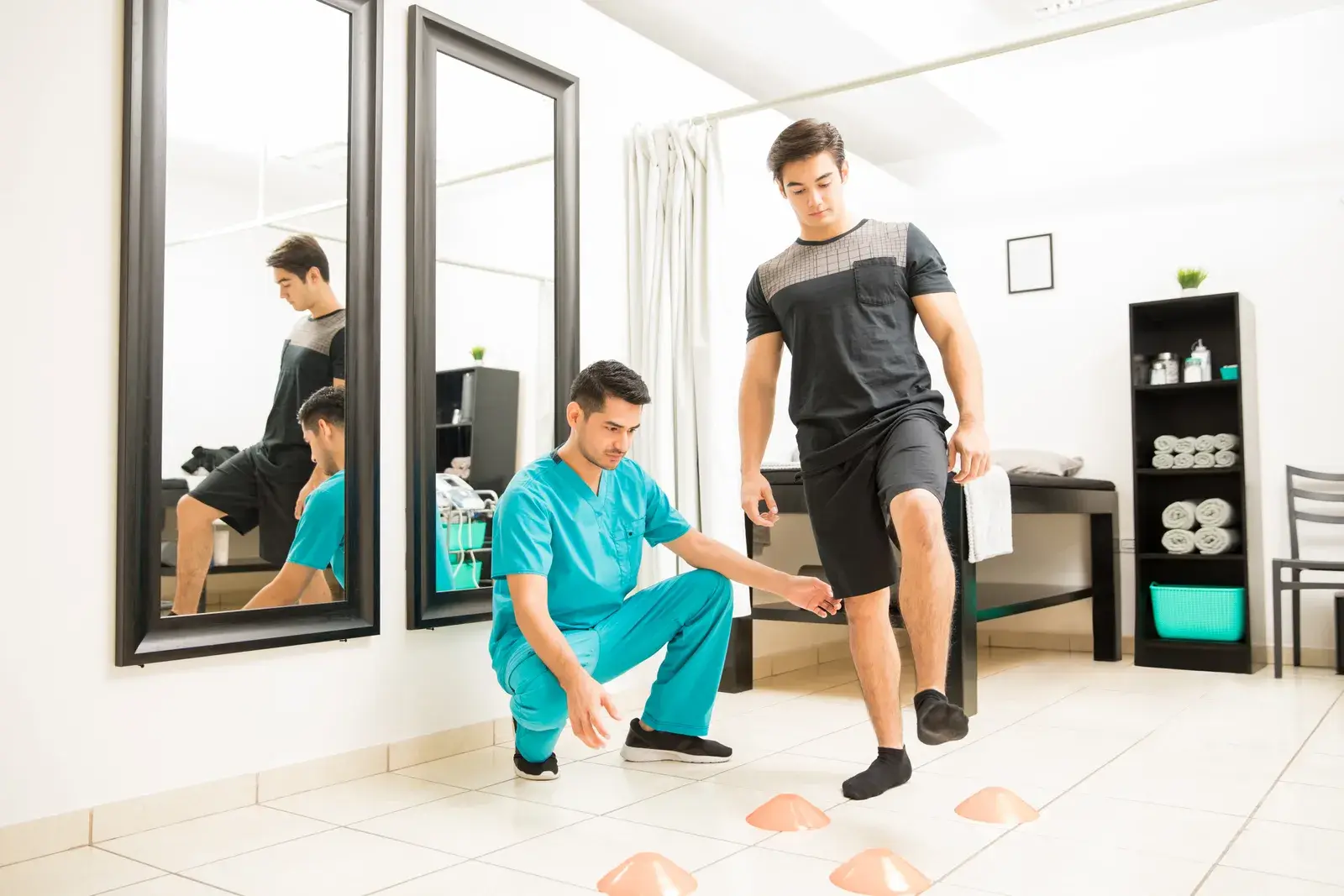 Runner’s kneeHip and quadriceps strengthening plus a smarter mileage plan for an ache around the kneecap that flares on stairs, hills and long sits.
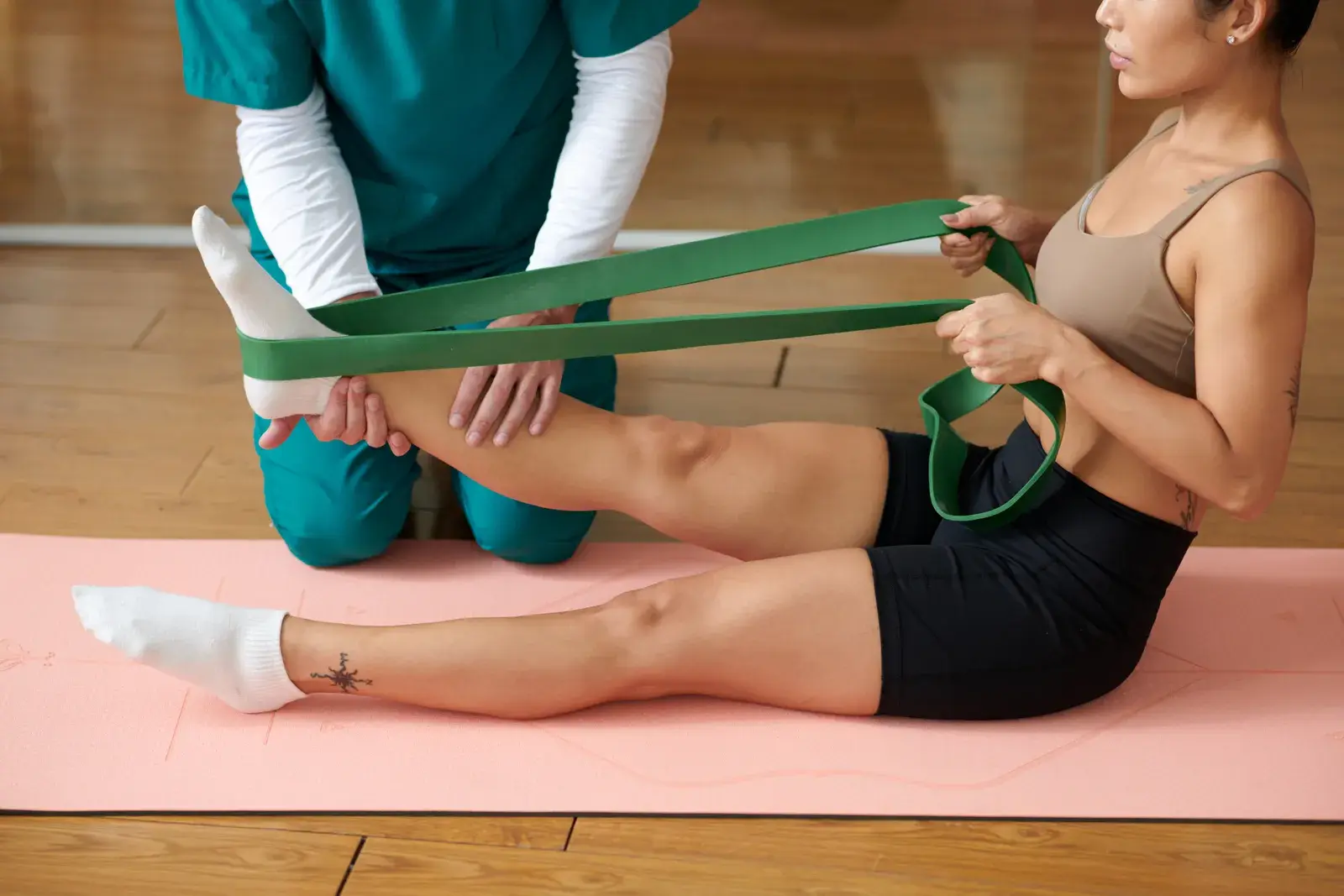 Joint hypermobilityStrength, control and pacing for flexible joints that ache, slip or tire easily.
 Knee painHelp for runner’s knee, meniscus irritation, tendon pain and arthritis flares, built on progressive strength work.
Page reviewed By the Monon Therapy Collective editorial team

Carmel City Center · Carmel, Indiana
Start with a conversation
Tell us what hurts and what you want to get back to. We will tell you honestly whether a therapist in the network is likely a good fit for what you describe, and match you with an independent, licensed therapist who is. Only that therapist can assess what will help.
885 Monon Green Blvd, Suite 120, Carmel, IN 46032 · Monday to Friday 5 AM to 9 PM · Saturday and Sunday 7 AM to 4 PM