
Neurological physical therapy in Carmel, Indiana
Neurological physical therapy is rehabilitation for conditions of the brain, spinal cord and nerves, such as stroke, Parkinson’s disease, multiple sclerosis and peripheral neuropathy. It relies on repeated, task-specific practice of walking, balance, transfers and arm use, measured with standard tests such as the Berg Balance Scale and the 10 Meter Walk Test. For people in and around Carmel, Indiana, whether a neurologically trained therapist is in the network depends on who is practising at the time, and the matching team answers that honestly before you book.
Which neurological conditions does neuro physical therapy address?
Neurological physical therapy addresses movement problems caused by damage or disease in the nervous system, rather than in muscles and joints. The most common reasons adults seek it out are listed below. Each condition behaves differently, so the plan for a progressive disease looks quite unlike the plan after a single event such as a stroke.
Some people arrive straight from a hospital or inpatient rehab unit, while others come years after diagnosis because walking or balance has slipped. Both are reasonable times to start, and is it too late to start physical therapy explains why.
Dizziness and unsteadiness that come from the inner ear, or that linger after a concussion, usually fall under vestibular rehabilitation, a closely related area described on the vestibular therapy page.
- Stroke recovery, from weakness on one side to walking and arm use
- Parkinson’s disease, including shuffling steps, freezing and small movements
- Multiple sclerosis, with fatigue, heat sensitivity and balance changes
- Peripheral neuropathy affecting feeling and balance in the feet
- Recovery after a concussion or a spinal cord injury
How neuro rehab differs from rehab for a sore joint
Neuro rehab trains the nervous system to control movement again, so it leans on high numbers of repetitions of real tasks rather than isolated strengthening alone. Practising sit-to-stand, stepping over obstacles or reaching for a cup many times over helps the brain relearn or find new routes for the skill.
Each condition also brings its own rules. People with MS often need sessions paced around fatigue and kept cool. People with Parkinson’s commonly practise big, deliberate movements and strategies to break a freeze. After a stroke, the therapist guards closely while you work at the edge of your balance, because safe challenge is what drives progress. Fall prevention runs through all of it, and balance and fall prevention therapy covers the overlap.
Which balance and walking tests track neurological progress?
A 2018 clinical practice guideline from the Academy of Neurologic Physical Therapy recommends a core set of outcome measures for adults with neurological conditions, so progress is tracked with the same tests across clinics. Your therapist picks the ones that match your goals and repeats them at intervals.
These numbers matter outside the clinic as well. Gait speed relates to how safely someone can cross a street before the light changes, and balance confidence shapes whether a person keeps walking the neighborhood or stays home. Ask for your scores, because seeing them change can be motivating when daily progress feels slow.
- Berg Balance Scale: static and dynamic balance in sitting and standing
- Functional Gait Assessment: balance while walking, turning and stepping
- 10 Meter Walk Test: walking speed
- 6-Minute Walk Test: walking distance and endurance
- Activities-specific Balance Confidence Scale: how confident you feel doing daily tasks
What training prepares a physical therapist for neurological cases?
Every licensed physical therapist learns neurological rehab in school, and many build further skill through continuing education and experience. The formal specialist route is board certification as a Neurologic Clinical Specialist through the American Board of Physical Therapy Specialties.
To sit that exam, a therapist needs either 2,000 hours of direct patient care in the specialty within the last ten years, with 500 of those in the last three, or completion of an accredited neurologic residency. Not every capable neuro therapist holds the credential, so it is also fair to ask how much of their current caseload involves your condition and which outcome measures they use.
Setting neuro rehab goals around real life in Carmel
Good neurological rehab goals describe something you want to do in your own life, not just a test score. Examples might be walking from a parking garage to a restaurant at Carmel City Center without stopping, managing the stairs at a grandchild’s house, getting up from the floor safely, or returning to a short loop of the Monon Trail with a partner.
Clear goals let the therapist choose the right practice. Walking outdoors on uneven paths, turning in tight spaces and carrying something while you walk each train slightly different skills, so a plan aimed at the garage walk will look different from one aimed at stairs.
Plans also look ahead to what happens after discharge. For a progressive condition, that often means a home program and a schedule for periodic rechecks. Some people continue with supervised exercise, and independent FlexWerk coaches work in the same building through post-rehab strength training, with written guidance from the therapist about what to keep building.
Is a private outpatient suite the right setting for neurological rehab?
An outpatient suite suits people who can travel to appointments and move around with the help of one person or a walking aid. The suites at Carmel City Center are private rooms with a rack, cables and dumbbells, and an indoor turf corridor runs outside them, which is useful space for walking practice. People who need two helpers for transfers, or cannot leave home easily, are usually better served by home health or an inpatient program, as covered in home health vs outpatient physical therapy.
Neurological physical therapy may or may not be available through the network, because it depends on whether a therapist with that focus is practising at the time. Describe the diagnosis and your goals in the balance and walking questionnaire, and the matching team will say plainly whether there is a fit, or suggest where else to turn. A family member or caregiver is welcome to complete it with you.
Who it helps
Neurological physical therapy may help if
- Walking has become slower, shorter or less steady since a neurological diagnosis
- You have finished inpatient rehab after a stroke and want to keep improving
- Freezing, shuffling or small steps are making daily tasks harder
- Numb feet are affecting your balance on uneven ground or in the dark
- A caregiver wants to learn safer ways to help with transfers and walking
Conditions
Problems this kind of care treats
 Stroke recoveryOutpatient stroke rehab focused on walking intensity, balance, arm and leg use and family training, after hospital or home health care.
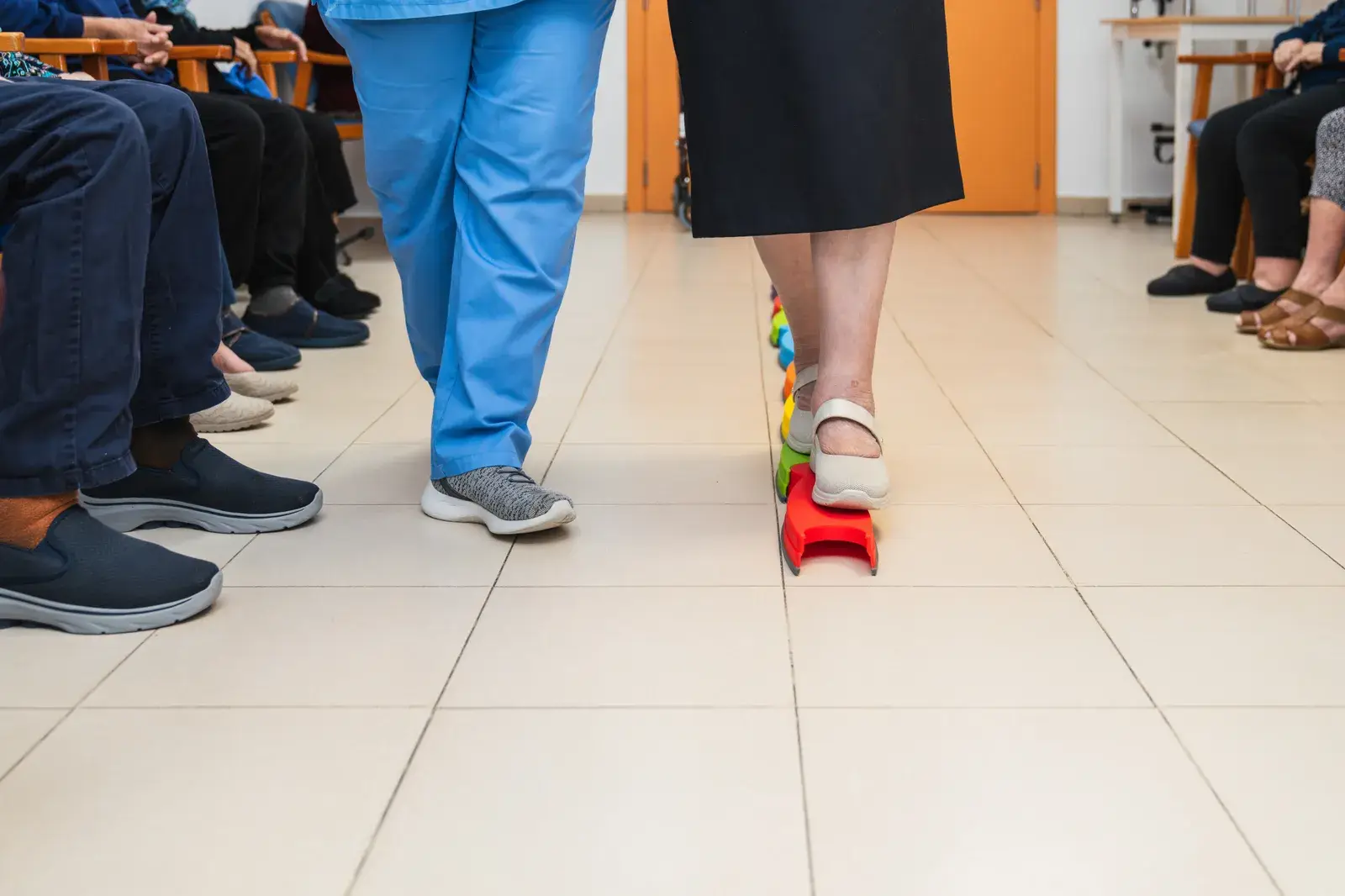 Parkinson’s diseaseExercise-based care for walking, balance, freezing and fall risk in Parkinson’s, with periodic re-checks as needs change.
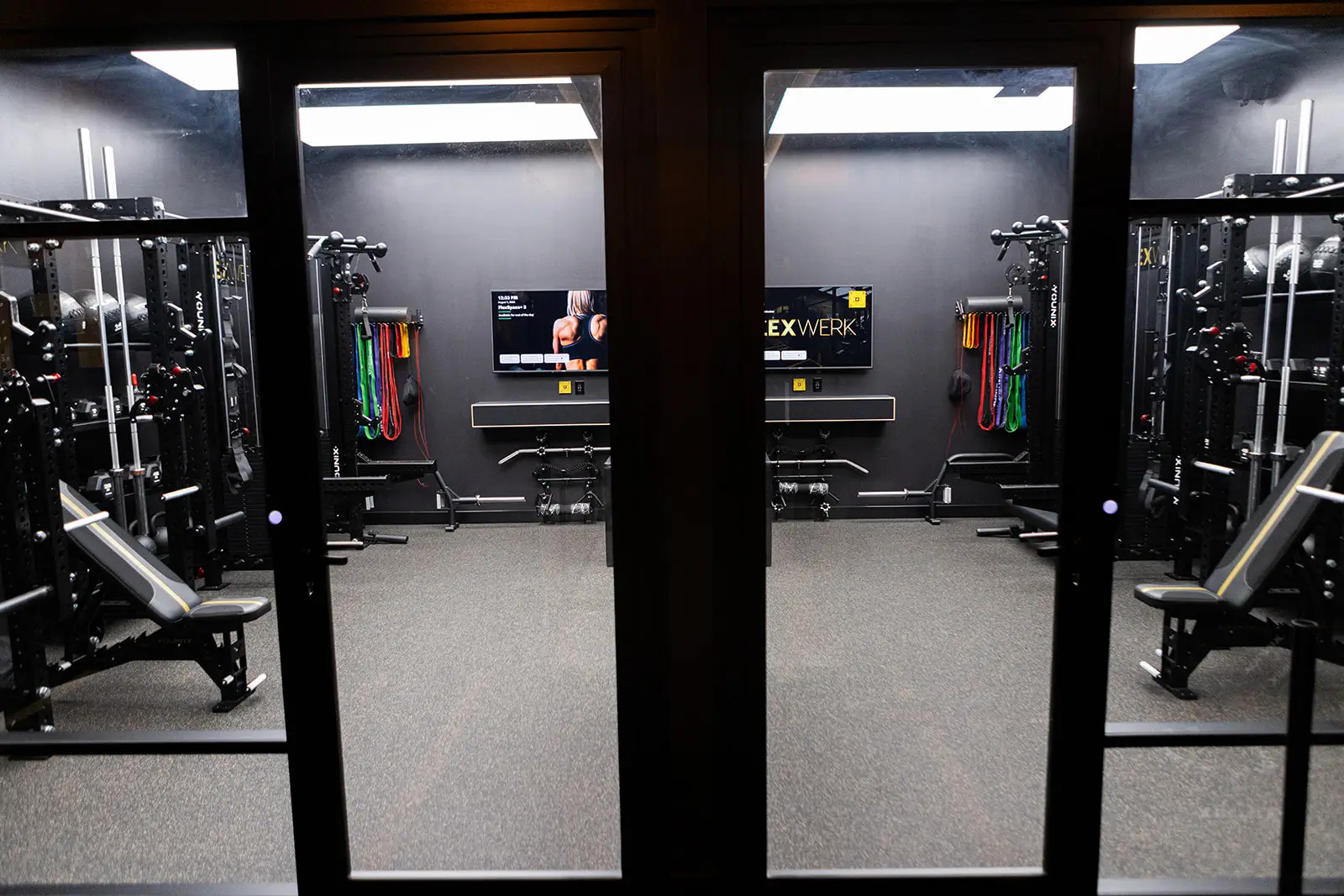 Multiple sclerosisPaced exercise for walking, balance, fatigue and spasticity in MS, with strategies for heat sensitivity and recovery after relapses.
 Peripheral neuropathyBalance, strength and foot-safety training for numb, tingling or weak feet from nerve damage.
Two-minute assessment
Not sure which therapist is right for you?
Answer a few questions about what hurts, how long it has been going on and what you want to get back to. Our matching team reads every answer and proposes a licensed physical therapist in the network whose focus, schedule and coverage fit. Two minutes, no obligation.
- No referral needed to start in Indiana (first 42 days)
- We check which therapists work with your plan before you book
- One-on-one care in a private suite at Carmel City Center
Questions
About neurological physical therapy
Information on this website is general education, not medical advice, a diagnosis or a treatment plan. Only a licensed clinician who examines you can advise on your condition. If you may be having a medical emergency, call 911.
Something we did not cover? Ask the matching team or ring (888) 353-9975.
Do I need a neurologist’s referral for neurological physical therapy?
Indiana allows a physical therapist to evaluate and treat without a referral for up to 42 calendar days, but many people with neurological conditions already have a physician involved who will want to coordinate. Your insurer may also have its own rules.
Can physical therapy help years after a stroke?
Many people still make functional gains long after a stroke with focused, repeated practice. The size of the change varies, and a therapist sets goals based on testing rather than on time since the stroke.
Should a family member come to neuro therapy sessions?
It often helps, especially for learning safe ways to assist at home. Ask your therapist which sessions would be most useful for them to attend.
Is exercise safe with multiple sclerosis?
Exercise is widely encouraged for people with MS when it is paced and adapted to fatigue and heat sensitivity. A therapist adjusts intensity and rest breaks to suit how you feel on the day.
What should I bring to a first neuro physical therapy visit?
Bring a list of medicines, any walking aid or brace you use, recent hospital or rehab discharge notes, and comfortable shoes. More general tips are in what to expect at your first visit.
How often are neuro physical therapy sessions usually scheduled?
Frequency is set by the therapist after testing and often starts at one or two visits a week, with home practice on the other days. For progressive conditions, some people move to occasional check-ins once a home routine is in place.
Google reviews
What guests say about FlexWerk
These are live Google reviews of FlexWerk at Carmel City Center, the private-suite facility where therapists in the network practise.
Continue
Related services
 Balance and fall preventionStrength, walking and balance training for older adults who feel unsteady, have fallen, or want to stay confident on their feet.
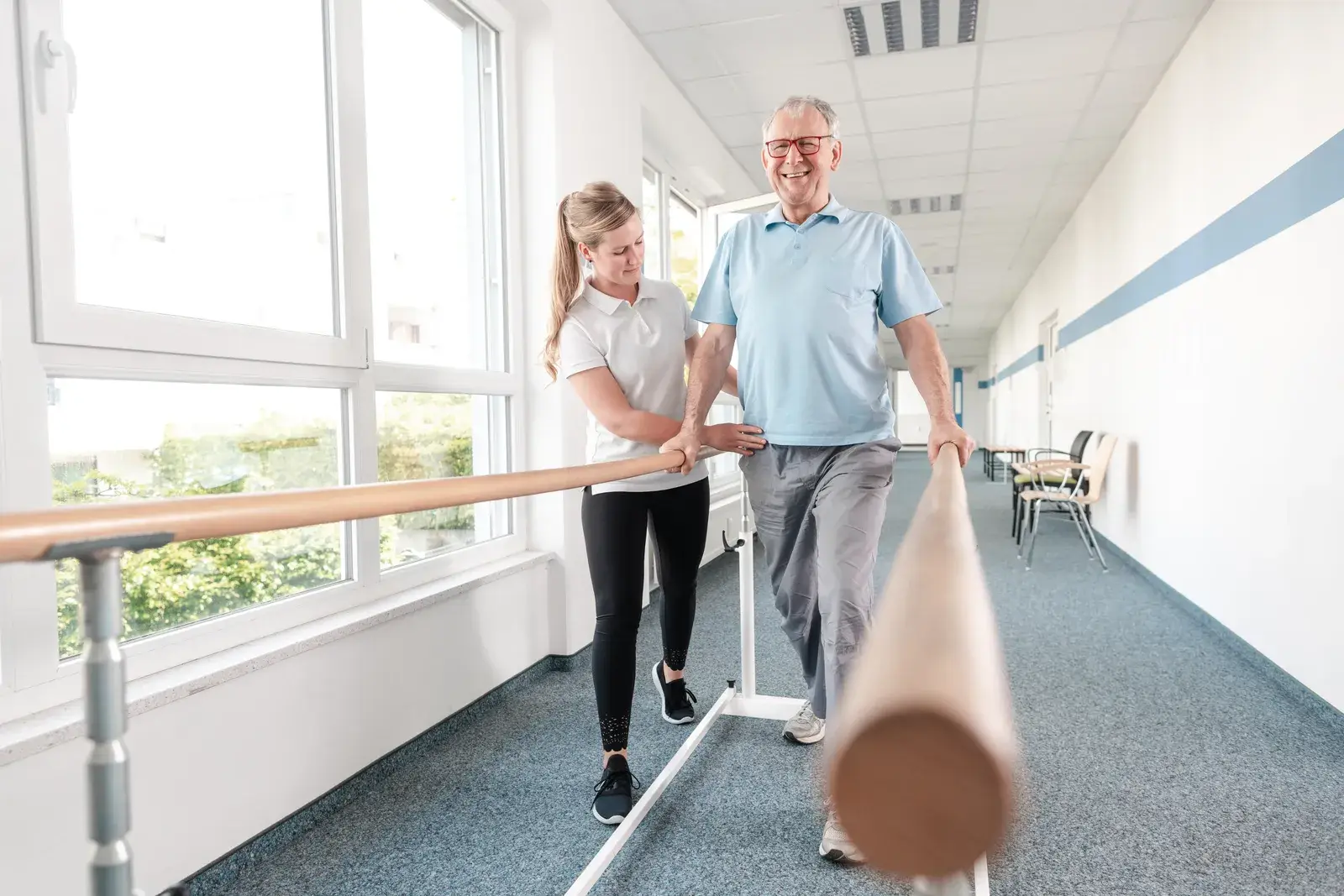 Gait trainingWalking-focused rehab that measures speed and balance, then practises the steps, turns, stairs and surfaces you need for daily life.
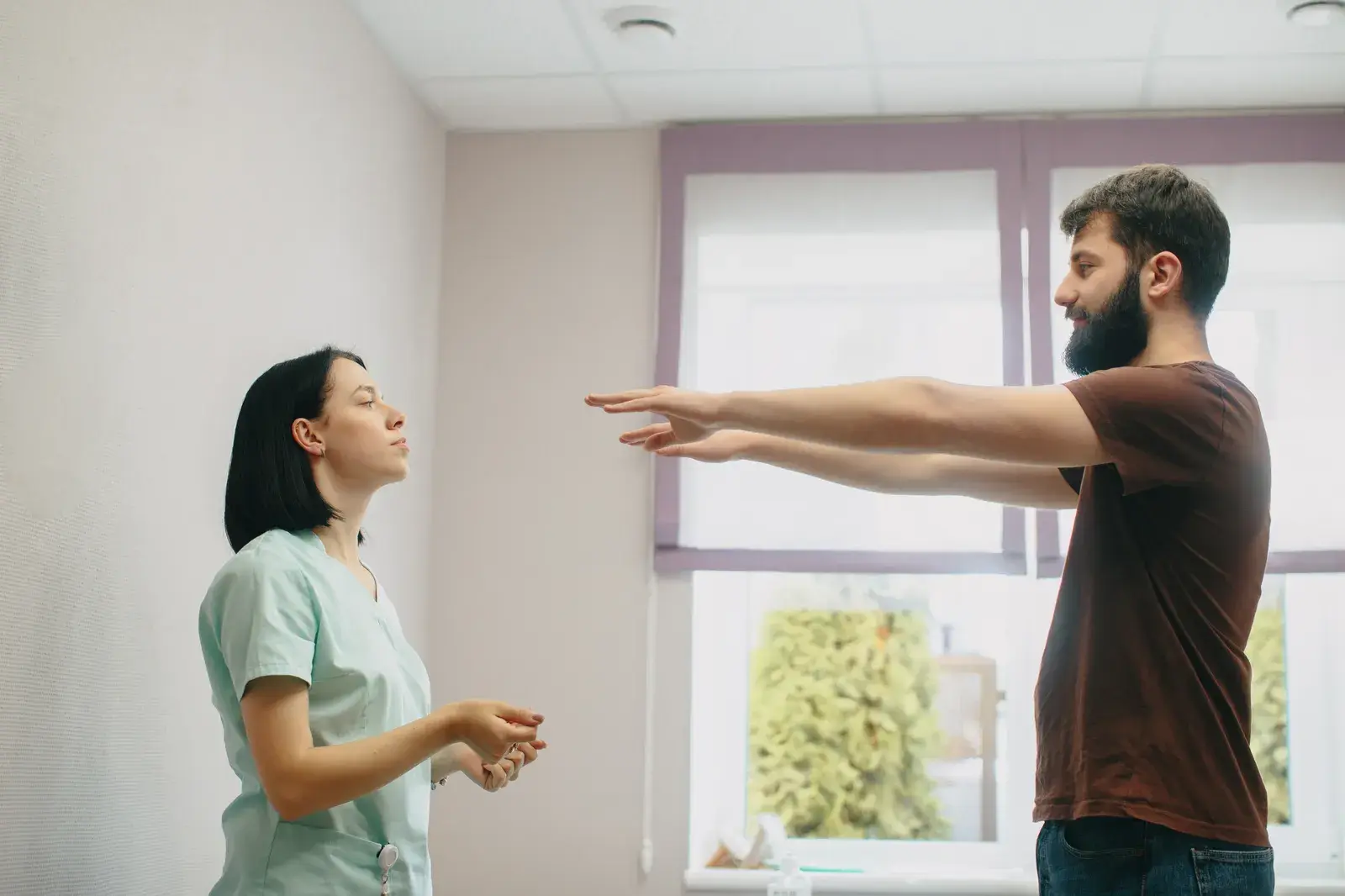 Vestibular therapyExercise-based care for vertigo and dizziness, including repositioning for BPPV, from a therapist with vestibular training.
Page reviewed By the Monon Therapy Collective editorial team

Carmel City Center · Carmel, Indiana
Start with a conversation
Tell us what hurts and what you want to get back to. We will tell you honestly whether a therapist in the network is likely a good fit for what you describe, and match you with an independent, licensed therapist who is. Only that therapist can assess what will help.
885 Monon Green Blvd, Suite 120, Carmel, IN 46032 · Monday to Friday 5 AM to 9 PM · Saturday and Sunday 7 AM to 4 PM