Vestibular therapy in Carmel, Indiana
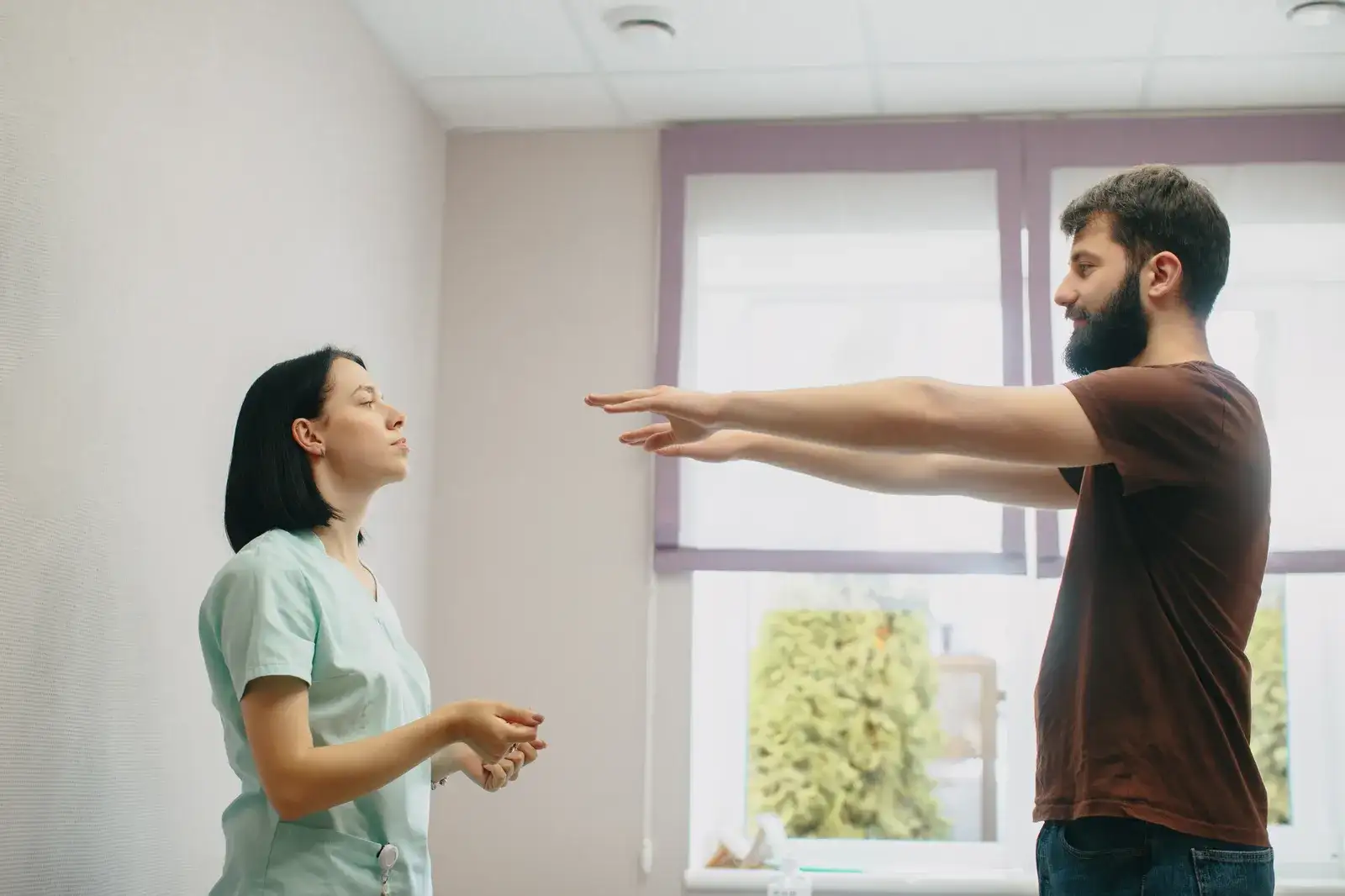
Vestibular therapy is exercise-based treatment for dizziness, vertigo and imbalance caused by problems in the inner ear balance system or the way the brain processes its signals. A physical therapist trained in vestibular rehabilitation tests your eyes, head movements and balance, may use repositioning maneuvers for positional vertigo (BPPV), and teaches gaze, habituation and balance exercises. Near Carmel, Indiana, it is available only when a therapist in the network has that training, and the matching team checks before anything is booked.
Which kinds of dizziness can vestibular rehabilitation help?
Vestibular rehabilitation helps dizziness and imbalance that come from the inner ear or from how the brain adapts to it. Cleveland Clinic lists benign paroxysmal positional vertigo (BPPV), vestibular neuritis, labyrinthitis, Ménière’s disease, migraine, traumatic brain injury and stroke among the conditions it can address, along with a raised risk of falling.
BPPV is the classic example. MedlinePlus explains that it happens when small calcium crystals, called canaliths, break loose and drift into one of the inner ear’s fluid-filled canals. Rolling over in bed, looking up to a high shelf or bending forward then brings on a short, intense spin. Other problems feel different: vestibular neuritis tends to cause days of constant vertigo after a viral illness, followed by weeks of unsteadiness with quick head turns.
Dizziness that needs 911 or a physician before therapy
Some dizziness is a medical emergency rather than an inner ear problem. Call 911 if dizziness comes with sudden weakness or numbness, slurred speech, a drooping face, double vision or loss of vision, a severe new headache, chest pain or fainting, because these can be signs of a stroke or a heart problem.
See a physician before vestibular therapy if dizziness arrives with sudden hearing loss, new ringing or fullness in one ear, ear discharge, or after a head injury. A physician or audiologist may arrange hearing and vestibular tests. Once dangerous causes are ruled out, a vestibular-trained therapist can take over the rehab.
What a vestibular examination involves
A vestibular examination looks at how your eyes, head and balance work together, because the inner ear controls eye movements as well as balance. Your therapist takes a careful history of what the dizziness feels like, how long episodes last and what sets them off, since those three details narrow the cause more than any single test.
For suspected BPPV, the Dix-Hallpike test moves you quickly from sitting to lying with the head turned and slightly extended while the therapist watches your eyes for a characteristic flicker, called nystagmus. Other tests check how steady your gaze stays during quick head turns, how well you stand on a firm or soft surface with eyes open and closed, and how you walk while turning your head. Wear comfortable clothes, and consider having someone drive you home after the first visit in case testing stirs up symptoms.
A little preparation makes the first visit more useful. Bring a list of your medicines, the date the dizziness started, and a short diary of recent episodes: what you were doing, how long the spinning or unsteadiness lasted, and whether your hearing changed. Note any earlier tests from a physician, audiologist or emergency department, because results from a hearing test or scan can save time and repetition.
Repositioning maneuvers, gaze exercises and balance training
Treatment depends on the cause. BPPV is usually treated with a canalith repositioning maneuver, such as the Epley maneuver, a series of head and body positions that guides the loose crystals back out of the canal. It takes only minutes in the treatment room, and MedlinePlus notes that BPPV can come back without warning, so you may be shown what to do if it returns.
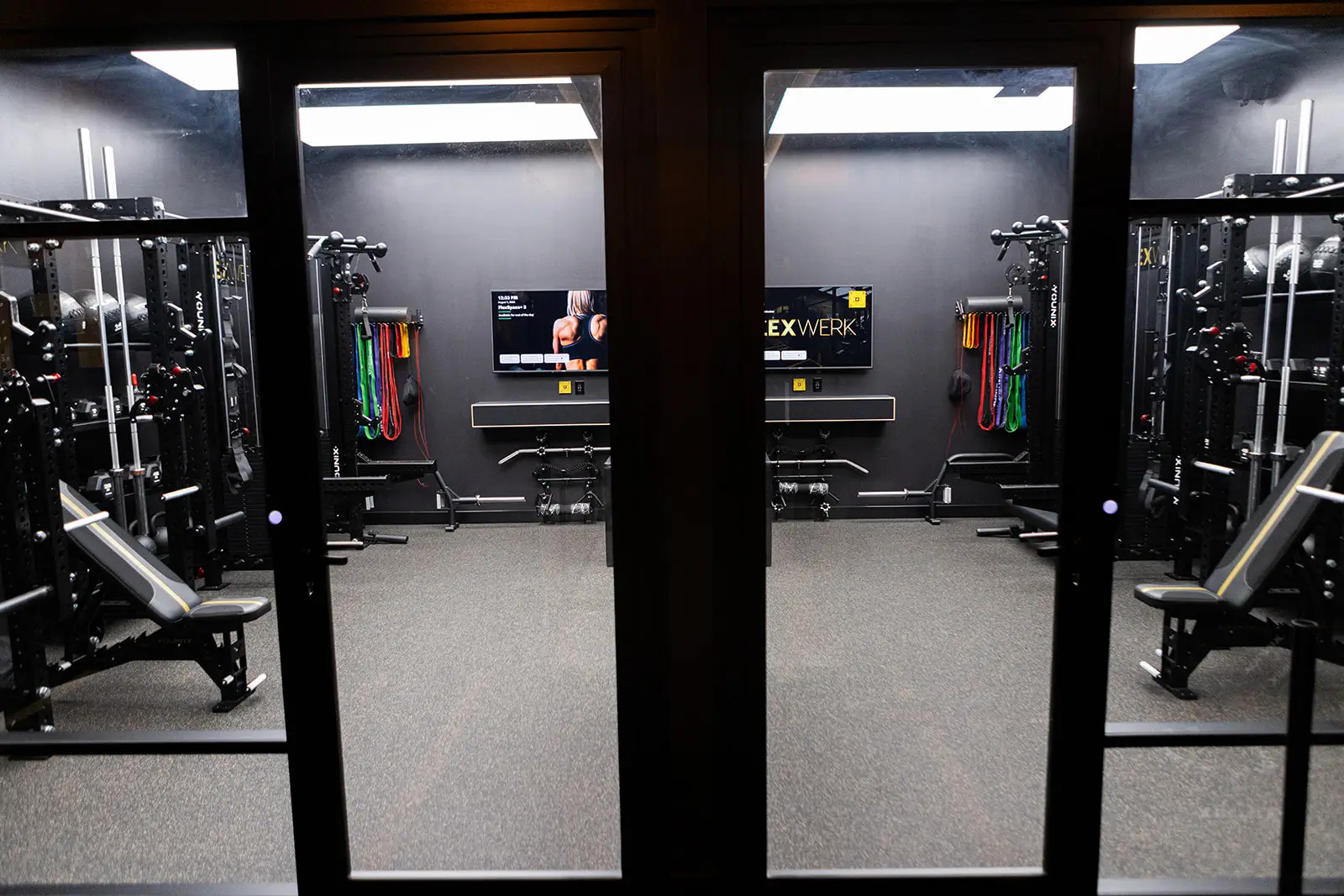
Other vestibular problems are treated with exercises that retrain the brain. Gaze stabilization means keeping your eyes on a target, such as a letter on a card, while moving your head. Habituation means repeating, in small doses, the movements that provoke mild dizziness until they stop doing so. Balance training progresses from standing with feet together to single-leg stance and walking with head turns, and the indoor turf corridor outside the suites gives room to practise safely. Cleveland Clinic notes that most people have six to eight weekly sessions, some need only one or two, and others need several months.
- Canalith repositioning for BPPV, matched to the canal involved
- Gaze stabilization with a target card, progressed in speed and background
- Habituation to the head and body movements that bring on symptoms
- Static and walking balance, including firm and soft surfaces
- A graded return to driving, exercise and busy places such as stores
How the matching team handles a request for vertigo treatment
Vestibular rehabilitation needs specific training beyond general orthopedic physical therapy, and not every therapist has it. When you mention dizziness or vertigo on the questionnaire for balance problems, the matching team checks whether a therapist in the network currently has vestibular training. If none does, they tell you so and suggest you look for a vestibular-trained physical therapist elsewhere.
If unsteadiness rather than spinning is the main problem, especially in older adults, the balance and fall prevention service may be the right starting point. Dizziness that followed a head knock is covered on the concussion page, and neck-related dizziness after a collision often overlaps with whiplash rehab.
Returning to everyday driving is often the last goal people reach. Carmel is known for its many roundabouts, and each one asks for quick head turns to check traffic from the left, which can be exactly the movement that still unsettles someone recovering from vertigo. A vestibular plan can build toward those head turns in stages, from seated drills in the suite to walking with head turns along the turf corridor, before you take on a busy roundabout on Range Line Road again.
Who it helps
Vestibular therapy may be appropriate if
- Brief spins come on when you roll over in bed, look up or bend down
- You feel unsteady or “behind” your head movements weeks after a bout of vertigo
- Busy stores, scrolling screens or car rides make you dizzy
- A physician has diagnosed BPPV, vestibular neuritis or a similar inner ear problem
- Dizziness after a concussion has not settled with rest
- Fear of dizziness is stopping you from walking, driving or exercising
Conditions
Problems this kind of care treats
 ConcussionHelp for dizziness, headaches, neck pain and exercise intolerance that linger after a concussion, with a stepwise return to sport.
 WhiplashRestoring neck movement and confidence after a rear-end crash or sudden jolt, with early graded activity.
- Cervicogenic headachePhysical therapy for one-sided headaches that start in the upper neck and flare with posture or movement.
Two-minute assessment
Not sure which therapist is right for you?
Answer a few questions about what hurts, how long it has been going on and what you want to get back to. Our matching team reads every answer and proposes a licensed physical therapist in the network whose focus, schedule and coverage fit. Two minutes, no obligation.
- No referral needed to start in Indiana (first 42 days)
- We check which therapists work with your plan before you book
- One-on-one care in a private suite at Carmel City Center
Questions
About vestibular therapy
Information on this website is general education, not medical advice, a diagnosis or a treatment plan. Only a licensed clinician who examines you can advise on your condition. If you may be having a medical emergency, call 911.
Something we did not cover? Ask the matching team or ring (888) 353-9975.
Will vestibular exercises make me dizzy?
Often a little, on purpose. Many exercises bring on mild, short-lived symptoms because that is how the brain adapts, and your therapist sets the dose so symptoms settle within minutes.
How quickly does vestibular therapy help?
BPPV often eases soon after a correct repositioning maneuver. Recovery from vestibular neuritis or concussion-related dizziness is more gradual, typically measured in weeks of daily home exercises.
Can I do the Epley maneuver at home?
Some people are taught a home version after a therapist or physician has confirmed which ear and canal are involved. Trying it without that confirmation can target the wrong side, so get assessed first.
What is the difference between vertigo and dizziness?
Vertigo is a false sense that you or the room are spinning or moving. Dizziness is a broader word that can also mean lightheadedness or unsteadiness, and telling your therapist which one you feel helps narrow the cause.
Can vertigo come back after successful treatment?
Yes. BPPV in particular can return months or years later. Many people are taught to recognize the pattern so they can seek treatment quickly, and a recurrence is not a sign the first treatment failed.
Is it safe to drive with vertigo?
Not during active spinning or if quick head turns make you unsteady. Ask someone to drive you to the first visit, and talk with your therapist or physician about when driving is reasonable.
Do I need a referral for vestibular therapy in Indiana?
Indiana’s direct access rule lets a physical therapist evaluate and treat without a referral for a limited time, but dizziness often deserves a physician’s check first, and some plans require a referral for payment.
Google reviews
What guests say about FlexWerk
These are live Google reviews of FlexWerk at Carmel City Center, the private-suite facility where therapists in the network practise.
Continue
Related services
 Balance and fall preventionStrength, walking and balance training for older adults who feel unsteady, have fallen, or want to stay confident on their feet.
 Neurological physical therapyTask-focused rehab for stroke, Parkinson’s, MS and nerve conditions, tracked with standard balance and walking tests.
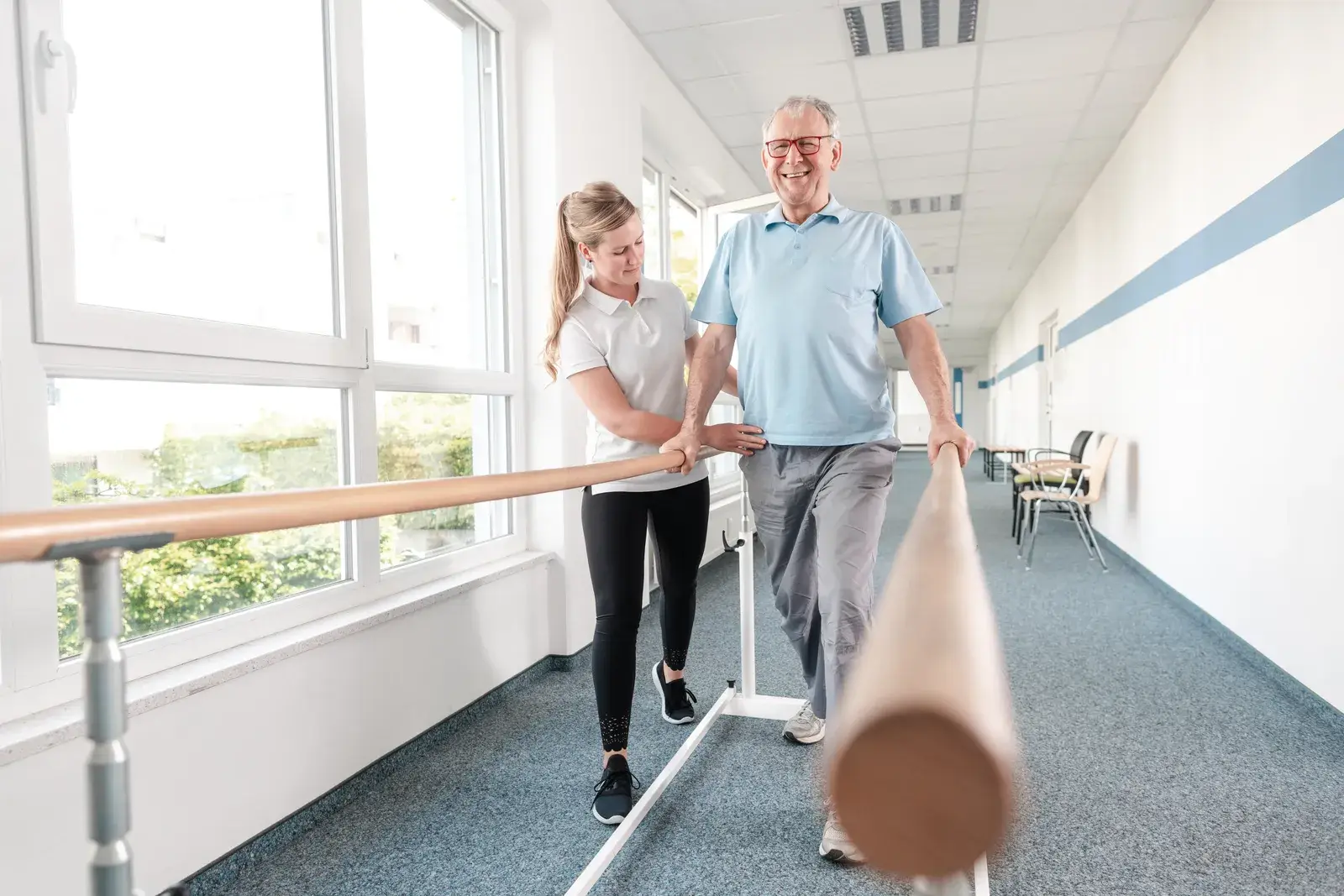 Gait trainingWalking-focused rehab that measures speed and balance, then practises the steps, turns, stairs and surfaces you need for daily life.
Page reviewed By the Monon Therapy Collective editorial team

Carmel City Center · Carmel, Indiana
Start with a conversation
Tell us what hurts and what you want to get back to. We will tell you honestly whether a therapist in the network is likely a good fit for what you describe, and match you with an independent, licensed therapist who is. Only that therapist can assess what will help.
885 Monon Green Blvd, Suite 120, Carmel, IN 46032 · Monday to Friday 5 AM to 9 PM · Saturday and Sunday 7 AM to 4 PM