
Whiplash physical therapy in Carmel, Indiana
Whiplash is a neck injury from a sudden back-and-forth movement, most often a rear-end car crash, and early, gentle activity guided by a physical therapist helps most people recover. Once a physician has ruled out a fracture where needed, a licensed therapist in the network restores neck movement, calms pain and rebuilds strength in one-on-one sessions at Carmel City Center. The NHS notes whiplash usually improves within 2 to 3 months.
At a glance
Common signs of whiplash
Also called: Whiplash-associated disorder, WAD, Neck sprain, Neck strain from a car accident, Acceleration-deceleration injury.
What happens to the neck in a rear-end collision?
In a rear-end collision the seat pushes your body forward before the head follows, so the neck briefly bends into an S-shape and then whips back and forth. That rapid motion can strain muscles, ligaments and the small facet joints of the neck. Symptoms often start hours later, or the next morning, rather than at the scene.
Low-speed crashes cause whiplash too. Stop-and-go traffic on US-31 or Keystone Parkway and the approach to a busy roundabout are typical settings. Other causes include falls on ice, contact sports, amusement rides and being thrown about on a trampoline. The mechanism matters more than the damage to the car.
Clinicians often describe whiplash by what the examination shows, using categories that trace back to the Quebec Task Force on whiplash-associated disorders: neck pain and stiffness with nothing to find on examination; reduced movement and tender points; added nerve signs such as numbness or weakness; or a fracture or dislocation, which is a medical emergency. Most people fall into the first two categories, which is why the NHS advises against resting the neck for long periods and against collars.
Do I need an X-ray before starting physical therapy after a car accident?
You need one only if a physician or emergency clinician decides your symptoms meet criteria for imaging, for example being 65 or older, numbness in the arms, a dangerous crash mechanism or being unable to turn your head 45 degrees each way. Emergency departments use decision rules for exactly this question, and most people with whiplash do not need imaging.
If you went to an emergency department or urgent care after the crash, bring any paperwork to your first therapy visit. If you did not and your neck pain is severe, you have numbness or weakness, or you hit your head, see a physician first. A blow to the head adds the possibility of concussion, covered on the concussion physical therapy page.
Many people also wonder whether to wait and see. Gentle activity from the first days is helpful whether or not you start formal therapy, and an early assessment can be reassuring when pain is high or you are worried about what the crash did.
At the first therapy visit, the therapist screens for these red flags again, then examines neck movement, tender areas, strength of the deep neck muscles, arm nerves, balance and eye-head coordination. Questions about sleep, mood and how worried you feel matter too, because those factors shape recovery after a crash.
Should I wear a neck collar after whiplash?
Generally no. Soft collars were once routine, but resting the neck in a collar tends to slow recovery compared with staying gently active. Most guidance now favors continuing normal activities as far as pain allows, moving the neck regularly through a comfortable range, and using simple pain relief as advised by a pharmacist or physician.
A physical therapist turns that general advice into a specific plan. Early sessions usually include gentle range-of-motion exercises, deep neck flexor activation, shoulder blade work and a walking routine. Hands-on techniques may ease muscle guarding; the manual therapy page explains what that involves and its supporting role.
As pain calms, the plan shifts toward strength and endurance for the neck and upper back, then toward the tasks you need: checking blind spots while driving, looking up at a whiteboard, carrying a child, or getting back to the gym. Persistent dizziness may need specific eye and balance training.
- Gentle rotation and side-bending within comfort, several times a day
- Chin nods to activate the deep neck flexors
- Shoulder blade setting and rows
- Walking and light aerobic exercise
- Gradual return to driving, work and sport
How long does whiplash take to heal, and why do some people take longer?
Most people with whiplash improve within 2 to 3 months, according to the NHS, and many feel much better within a few weeks. A smaller group has symptoms that last longer. The answer on how long whiplash lasts explores this in more depth.
Factors linked with a slower recovery include high pain intensity early on, significant distress after the crash, widespread pain and sensitivity, and dizziness or nerve symptoms. These are not character flaws; they are signs the nervous system is on high alert. Therapists address them with clear education, graded activity and, when needed, coordination with your physician or a counselor.
Early reassurance matters. Being told that whiplash is common, that most people recover, and that movement is safe often lowers fear and helps people return to normal routines sooner. Your therapist will explain what the exam found in plain terms and what to expect in the next few weeks.
A typical outpatient course for whiplash runs about 4 to 8 weeks, longer for grade III injuries or when dizziness is involved. Your therapist will track measurable change, such as degrees of rotation and a neck disability score, and will tell you honestly if progress stalls.
How do insurance and paperwork work for physical therapy after a crash?
Coverage after a crash depends on your auto policy, your health plan and who was at fault, so check before your first visit. Indiana auto policies may include medical payments coverage, and health insurance often pays for therapy with the auto insurer settling later. The therapist’s office, not the network, handles billing and records.
Keep copies of any emergency or urgent care notes, the crash report number and your claim number. The pages on auto insurance and physical therapy and auto accident physical therapy explain the general process. Whether a particular therapist in the network bills an auto claim directly is something the matching team confirms before booking.
To get started, the neck questionnaire takes about two minutes. A person on the matching team reads it, proposes a licensed therapist in the network whose schedule fits, and will flag anything you mention, such as head injury symptoms, that should be seen by a physician first.
When to see a physician or go to the ER first
Physical therapy is the right start for most whiplash. These symptoms are different and need medical attention before, or instead of, a physical therapy visit:
- Inability to turn the head 45 degrees to each side after a crash
- Numbness, tingling or weakness in the arms or legs
- Severe headache, confusion, vomiting or loss of consciousness
- Midline neck tenderness right over the spine
- Trouble walking, swallowing or speaking
- Pain that is getting rapidly worse rather than better
If you think it is an emergency, call 911.
Two-minute assessment
Get your whiplash looked at
Tell us how your whiplash started, how long it has been going on and what it is stopping you from doing. The matching team proposes a therapist in the network who focuses on it, and you hear back, usually within one business day.
- No referral needed to start in Indiana (first 42 days)
- We check which therapists work with your plan before you book
- One-on-one care in a private suite at Carmel City Center
How therapists treat it
Kinds of care used for whiplash
- Auto accident physical therapyRehab after a car crash for whiplash, back strain and shoulder injuries, started once a physician has ruled out emergencies.
- Manual therapyHands-on joint and soft-tissue treatment that eases stiffness so the exercise part of your plan can do its job.
- Orthopedic physical therapyExercise-led care for back, neck, shoulder, hip, knee and ankle problems, delivered one-on-one in a private suite.
Questions
Whiplash: what people ask
Information on this website is general education, not medical advice, a diagnosis or a treatment plan. Only a licensed clinician who examines you can advise on your condition. If you may be having a medical emergency, call 911.
Something we did not cover? Ask the matching team or ring (888) 353-9975.
Why did my neck feel fine at the scene and hurt the next day?
Muscle guarding and inflammation build over hours, and adrenaline after a crash can mask pain. Delayed onset is common and not a sign of a hidden serious injury on its own.
Can I go back to work with whiplash?
Most people can continue working, sometimes with adjustments like more frequent breaks or a raised screen. Staying engaged with normal routines tends to help recovery.
Is it safe to exercise at the gym after whiplash?
Light aerobic exercise and lower-body work are usually fine early. Heavy overhead lifting and contact sports wait until neck strength and range return.
Should I use heat or ice for whiplash?
Either can be used for comfort. Many people find heat helps tight neck muscles after the first day or two. The answer on heat or ice covers the details.
When can I drive again after whiplash?
Driving is reasonable once you can turn your head far enough to check blind spots and react quickly without sharp pain. Carmel’s many roundabouts demand frequent shoulder checks, so practise turning in a parked car first.
Is it normal to feel anxious about driving after a crash?
Yes. Nervousness behind the wheel is common after a collision and usually fades with time. If it persists or affects sleep, mention it to your physician, since support for that is part of a good recovery.
Can whiplash cause headaches?
Yes. Headaches starting at the base of the skull are common after whiplash and often improve as neck movement and strength return.
Google reviews
What guests say about FlexWerk
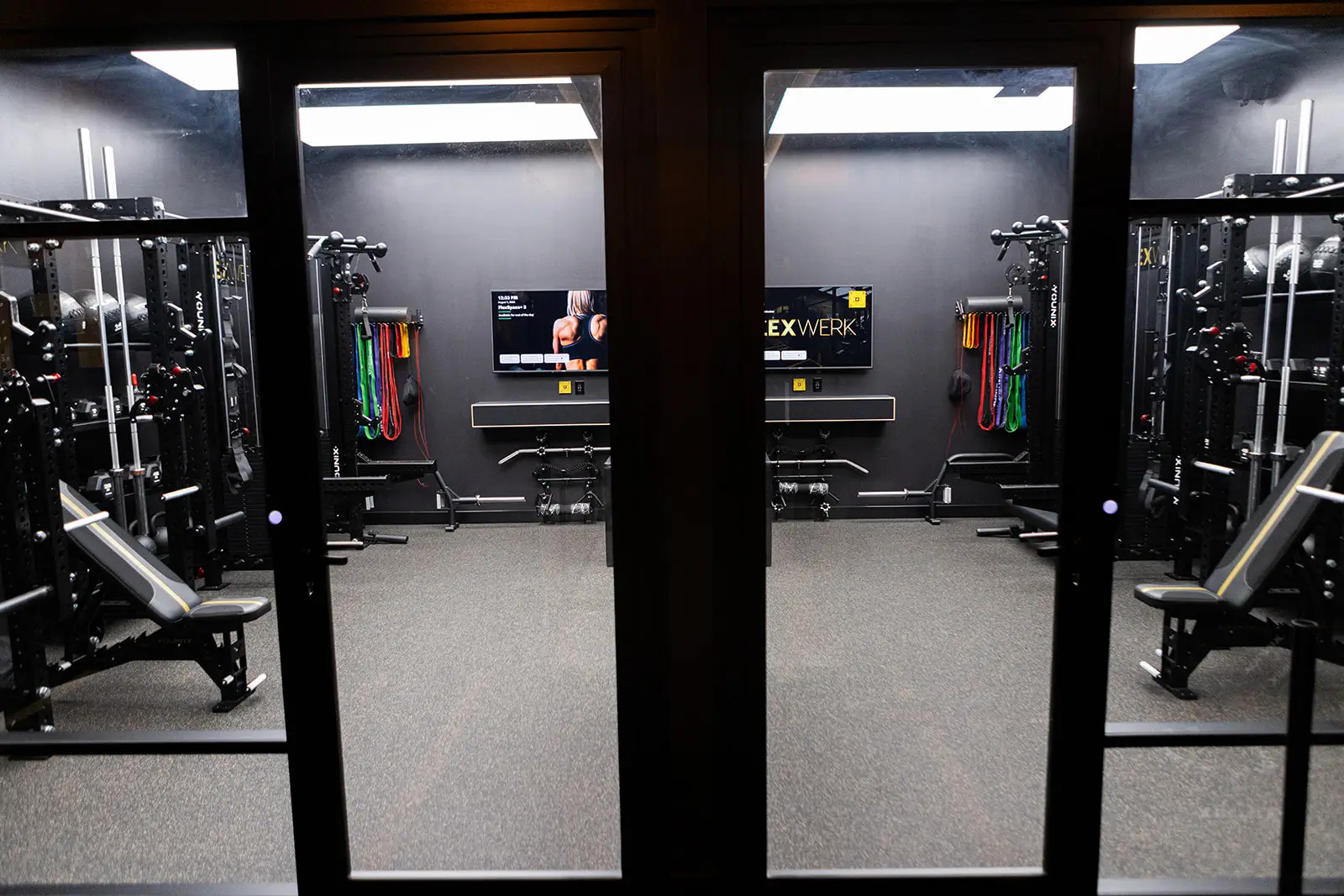
These are live Google reviews of FlexWerk at Carmel City Center, the private-suite facility where therapists in the network practise.
Related
Conditions that travel together
 Neck painHelp for stiff, aching necks, neck-related headaches and arm symptoms that start at the neck.
 Cervicogenic headachePhysical therapy for one-sided headaches that start in the upper neck and flare with posture or movement.
- ConcussionHelp for dizziness, headaches, neck pain and exercise intolerance that linger after a concussion, with a stepwise return to sport.
Page reviewed By the Monon Therapy Collective editorial team

Carmel City Center · Carmel, Indiana
Start with a conversation
Tell us what hurts and what you want to get back to. We will tell you honestly whether a therapist in the network is likely a good fit for what you describe, and match you with an independent, licensed therapist who is. Only that therapist can assess what will help.
885 Monon Green Blvd, Suite 120, Carmel, IN 46032 · Monday to Friday 5 AM to 9 PM · Saturday and Sunday 7 AM to 4 PM