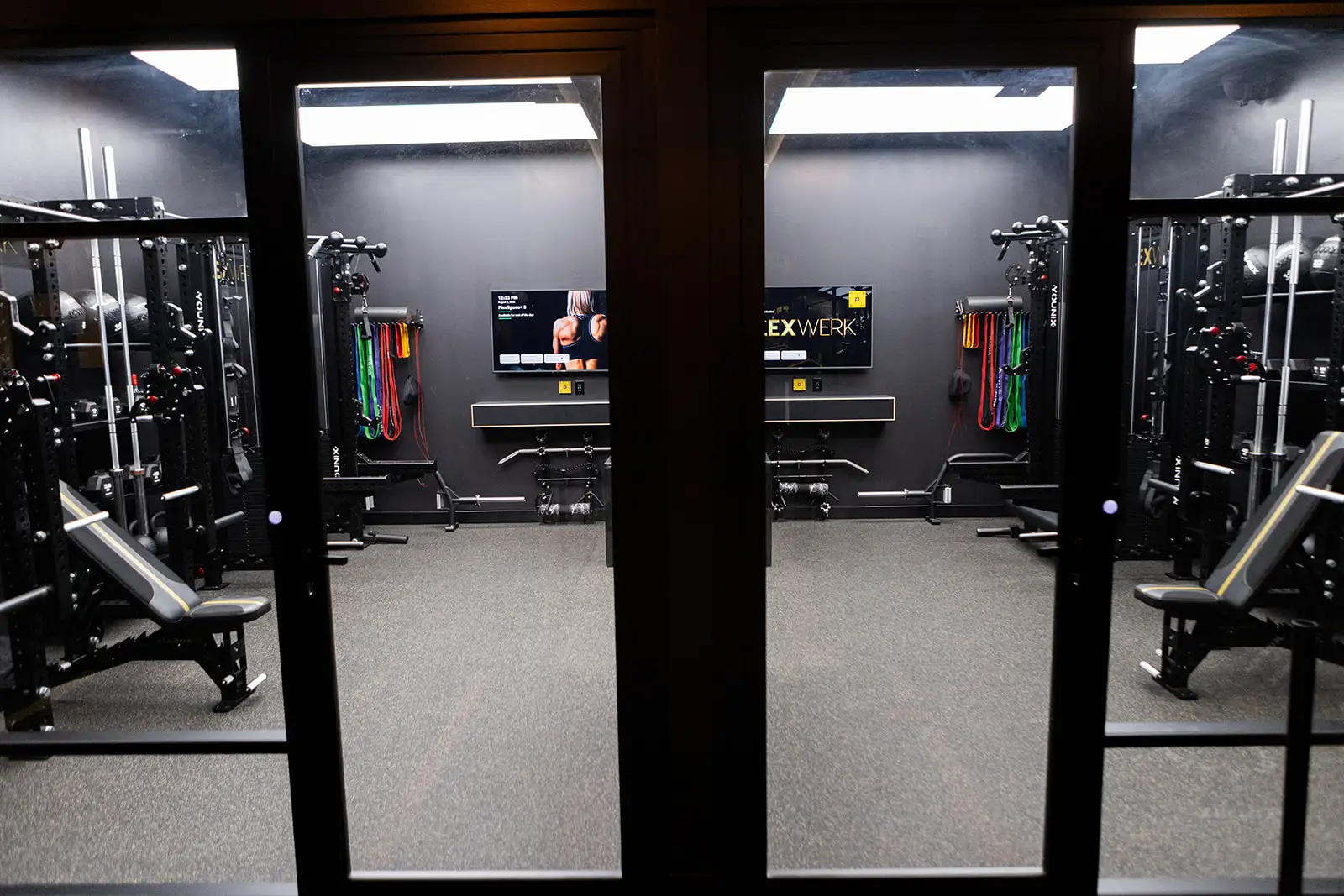
Cervicogenic headache physical therapy in Carmel, Indiana
A cervicogenic headache is a headache that comes from the neck, usually one-sided and triggered by neck postures or movements, and physical therapy is a recommended treatment. A licensed therapist in the network checks the upper neck joints and deep neck muscles, then combines hands-on techniques with targeted exercise in one-on-one sessions at Carmel City Center. New or severe headaches need a physician first.
At a glance
Common signs of cervicogenic headache
Also called: Neck headache, Headache from the neck, Occipital headache, Posture headache.
How is a cervicogenic headache different from a migraine or tension headache?
A cervicogenic headache starts in the neck and is usually one-sided and side-locked, meaning it always occurs on the same side. It is often triggered by neck movement or sustained postures, comes with reduced neck movement, and begins at the base of the skull before spreading toward the forehead or eye.
Migraine tends to be throbbing, often includes light and sound sensitivity or nausea, can switch sides, and may have triggers like sleep loss or hormonal shifts. Tension-type headache usually feels like a band of pressure on both sides. The categories can overlap: someone with migraines can also have a neck-driven headache, and treating the neck may reduce one without changing the other.
Cervicogenic headache is common in people whose days involve long fixed postures: software and finance staff in the Carmel office parks, dental hygienists, musicians and long-haul drivers. It also follows neck injuries. It tends to come and go over months, with flares after busy work weeks or poor sleep.
Because these distinctions matter, it helps to keep a headache diary for two weeks before your visit: when headaches start, which side, what you were doing, how long they last and what helps. The pattern often makes the source clearer than any single test.
What tests show that a headache is coming from the upper neck?
The most useful single test is the flexion-rotation test, which measures how far your head turns when your neck is fully bent forward. That isolates the C1 to C2 joint, and a clear restriction on one side is common in cervicogenic headache. Pressure on specific upper neck joints that reproduces your familiar headache adds weight.
The craniocervical flexion test checks the endurance of the deep neck flexors, small muscles at the front of the neck that support the head. These often switch off in people with neck-driven headaches, with larger muscles taking over. The therapist also screens neck movement overall, posture, shoulder blade control and the jaw.
Jaw problems can feed headaches too. If you clench, grind or have jaw clicking, the TMJ pain page explains that overlap. Throughout the exam, the therapist keeps watching for signs that a physician should assess the headache instead.
- Flexion-rotation test for C1 to C2 movement
- Manual pressure on upper neck joints
- Craniocervical flexion test for deep neck flexor endurance
- Neck range of motion and shoulder blade control
- Jaw and posture screening
Which combination of treatments works for neck-related headaches?
The 2017 neck pain clinical practice guideline from the Orthopaedic Section of the American Physical Therapy Association, published in the Journal of Orthopaedic and Sports Physical Therapy, treats neck pain with headache as its own category, and physical therapists commonly combine manual therapy with exercise for it rather than relying on either alone. In practice, that means joint mobilization of the upper neck alongside deep neck flexor training and shoulder blade strengthening.
Exercise starts with the chin tuck, often done lying down with a small towel under the head, then progressing to sitting and standing with longer holds. Rows, external rotation and thoracic mobility follow. In Indiana, manipulation of the spine by a physical therapist needs an order or referral, so any thrust techniques depend on that and on the individual therapist.
Endurance is the goal rather than strength alone. Deep neck flexor holds usually start at a few seconds and build toward ten-second holds repeated ten times, with the therapist checking that the larger muscles at the front of the neck stay relaxed. Shoulder blade work targets the lower trapezius and serratus, which help hold the head over the trunk during long tasks.
Habits matter as much as exercises. Many headaches build over a long day of screen work in the same position, so short breaks with gentle neck movements often reduce frequency. Some therapists use a simple rule: change position before the headache starts, not after.
How soon do neck-related headaches ease with physical therapy?
Many people notice fewer or milder headaches within 4 to 6 weeks of starting a combined plan, though the time varies with how long headaches have been present. A typical course of care runs 6 to 8 weeks, with a home program continuing after discharge to keep gains.
The most useful measures of progress are frequency, intensity and duration from your headache diary, along with the flexion-rotation test and deep neck flexor endurance. If headaches are not changing after several weeks, the therapist should say so and talk about other options, including a review with a physician or headache specialist.
Expect some sessions to feel slower than others. Headaches respond to more than neck mechanics, so a week of poor sleep, travel or a deadline can bring a flare even while the neck itself is improving. The pattern over a month says more than any single week.
Headaches can also follow whiplash or a concussion. If yours began after a crash or a blow to the head, the whiplash physical therapy page explains what is different about recovery in that setting.
What can I change at my desk today to reduce neck headaches?
Raise your screen so your eyes meet its upper third, bring it close enough to read without leaning forward, and use a headset for long calls. These reduce the hours your upper neck spends bent back to look at a screen, a common trigger for desk workers along the Meridian Street business corridor.
Set a timer to stand or move every 30 minutes, and use those breaks for a few chin nods, shoulder rolls and gentle neck turns. The page on neck pain when looking down covers phone and laptop posture in more detail.
If headaches are frequent and fit the neck-driven pattern, the neck questionnaire takes about two minutes. The matching team reads your answers, proposes a licensed therapist in the network, and will flag anything that should be seen by a physician first.
- Screen at eye level and an arm’s length away
- Laptop on a stand with a separate keyboard
- Breaks every 30 minutes with gentle neck movement
- A pillow that keeps the neck level at night
When to see a physician or go to the ER first
Physical therapy is the right start for most cervicogenic headache. These symptoms are different and need medical attention before, or instead of, a physical therapy visit:
- A sudden, severe headache that peaks within a minute (thunderclap)
- The worst headache of your life
- Headache with fever, stiff neck, rash or confusion
- New headache after age 50, or a change in a long-standing pattern
- Headache with weakness, numbness, vision loss or trouble speaking
- Headache after a head injury, especially with vomiting or drowsiness
If you think it is an emergency, call 911.
Two-minute assessment
Get your cervicogenic headache looked at
Tell us how your cervicogenic headache started, how long it has been going on and what it is stopping you from doing. The matching team proposes a therapist in the network who focuses on it, and you hear back, usually within one business day.
- No referral needed to start in Indiana (first 42 days)
- We check which therapists work with your plan before you book
- One-on-one care in a private suite at Carmel City Center
How therapists treat it
Kinds of care used for cervicogenic headache
Questions
Cervicogenic headache: what people ask
Information on this website is general education, not medical advice, a diagnosis or a treatment plan. Only a licensed clinician who examines you can advise on your condition. If you may be having a medical emergency, call 911.
Something we did not cover? Ask the matching team or ring (888) 353-9975.
Why is my headache always on the same side?
A side-locked headache that starts at the base of the skull is typical of a neck source, often a stiff upper neck joint on that side. It is still worth a physician’s review if the pattern is new or changing.
Can poor posture cause headaches?
Sustained postures can provoke neck-driven headaches, but no single posture is wrong. Changing position often matters more than finding a perfect one.
Will massage help a cervicogenic headache?
Massage may ease muscle tension briefly. Lasting change usually comes from combining hands-on work with specific exercise.
Should I keep taking pain medication for neck headaches?
Talk to your physician or pharmacist. Taking headache medication on many days a month can itself cause rebound headaches, so a clear plan matters.
Do I need imaging for a neck-related headache?
Usually not. Imaging is reserved for red flags or headaches that do not fit a typical pattern, and a physician orders it.
Can physical therapy help migraines?
It may help if neck problems are a contributing trigger, but migraine itself is managed by a physician. Some people do well with both.
How many sessions are typical for neck-related headaches?
Many plans spread a handful of visits over several weeks, adjusted to your progress. Visit frequency is set by the therapist after the first evaluation.
Google reviews
What guests say about FlexWerk
These are live Google reviews of FlexWerk at Carmel City Center, the private-suite facility where therapists in the network practise.
Related
Conditions that travel together
 Neck painHelp for stiff, aching necks, neck-related headaches and arm symptoms that start at the neck.
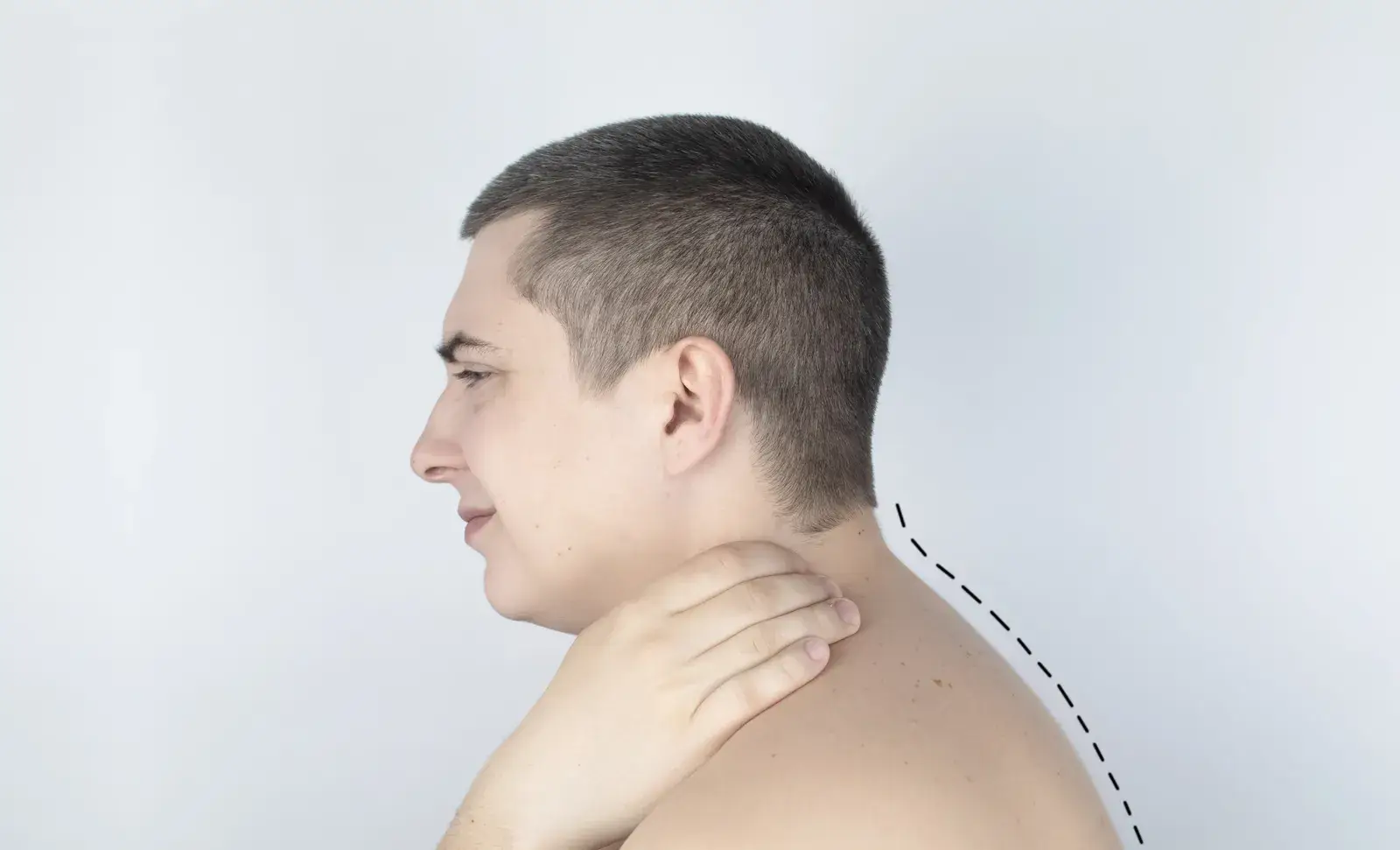 WhiplashRestoring neck movement and confidence after a rear-end crash or sudden jolt, with early graded activity.
 TMJ painConservative care for jaw pain, clicking and limited opening, including the neck and habit factors that keep TMD going.
Page reviewed By the Monon Therapy Collective editorial team

Carmel City Center · Carmel, Indiana
Start with a conversation
Tell us what hurts and what you want to get back to. We will tell you honestly whether a therapist in the network is likely a good fit for what you describe, and match you with an independent, licensed therapist who is. Only that therapist can assess what will help.
885 Monon Green Blvd, Suite 120, Carmel, IN 46032 · Monday to Friday 5 AM to 9 PM · Saturday and Sunday 7 AM to 4 PM