TMJ pain physical therapy in Carmel, Indiana
Physical therapy is one of the conservative, reversible treatments the National Institute of Dental and Craniofacial Research (NIDCR) recommends trying first for temporomandibular disorders (TMD), ahead of anything that permanently changes the jaw joints, teeth or bite. A physical therapist with training in the jaw and neck examines how your mouth opens, how the joint tracks and how your neck and posture contribute, then uses education, gentle jaw exercises, manual techniques and habit changes. Near Carmel, the matching team tells you before anything is booked whether a therapist in the network currently treats the jaw.
At a glance
Common signs of tmj pain
Also called: Temporomandibular disorder, TMD, TMJ dysfunction, Jaw joint pain, Myofascial jaw pain.
Is my jaw pain the joint itself or the chewing muscles?
It can be either, and often it is both. TMD is an umbrella term for problems in the temporomandibular joint (the hinge-and-slide joint just in front of each ear), the small disc inside it, and the muscles that close the jaw, chiefly the masseter at the angle of the jaw and the temporalis at the temple. Muscle-dominant pain feels like a broad ache that worsens with chewing or clenching; joint-dominant pain is sharper and sits right in front of the ear.
Clicking on its own is common and is usually not a problem if it does not hurt or limit opening. It typically means the disc is shifting a little as the jaw opens. A jaw that clicks and then one day stops clicking but will not open fully is a different story, because the disc may no longer be returning to place. That change deserves a prompt look from a dentist, oral surgeon or a therapist experienced with the jaw.
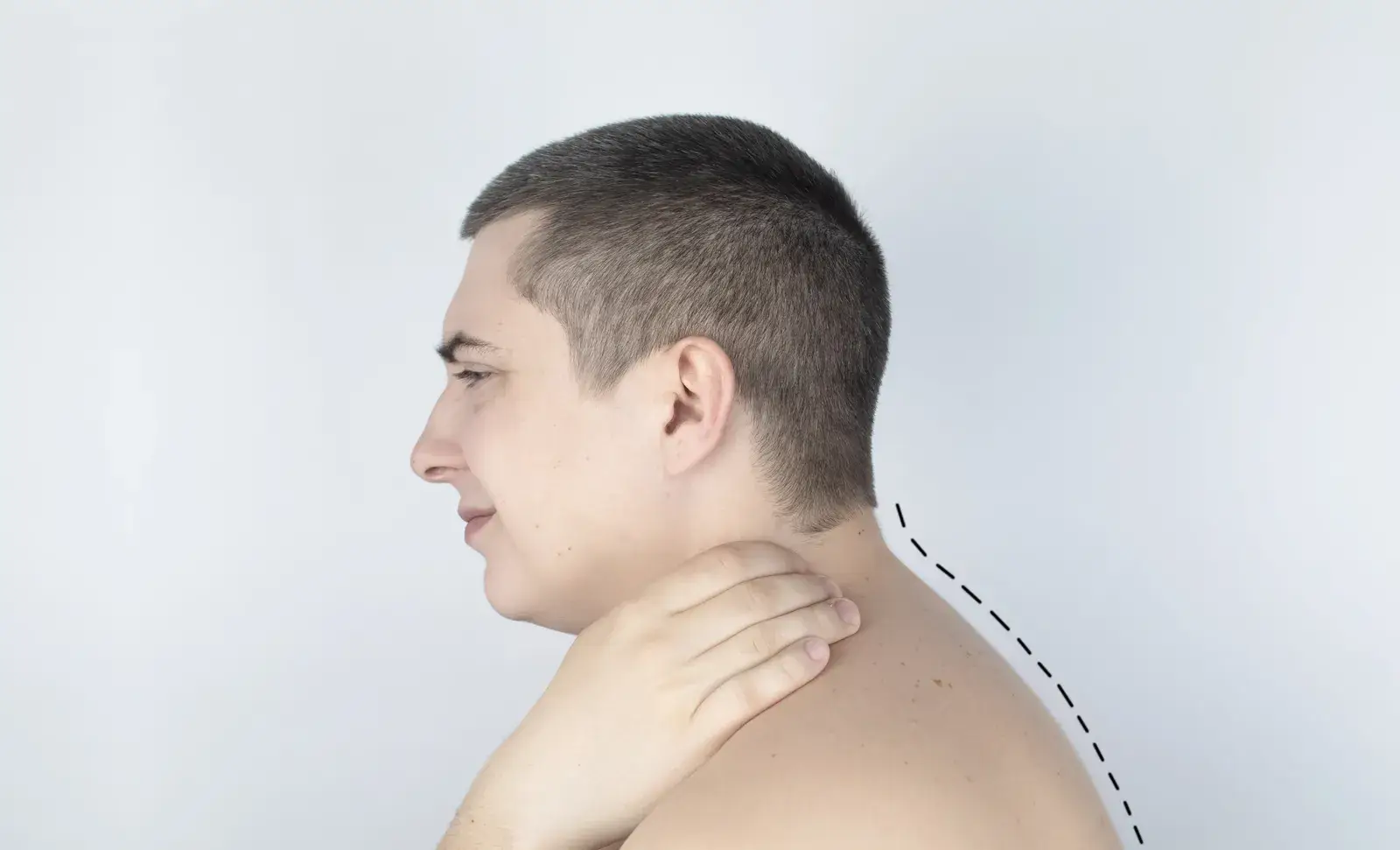
Jaw pain also travels. The upper neck shares nerve pathways with the face, so a stiff neck can feed temple headaches and jaw tension, and the reverse is true. That overlap is why a jaw-focused therapist almost always examines the neck, and why cervicogenic headache sometimes travels alongside TMD.
What does a jaw examination by a physical therapist involve?
Expect a hands-on, low-tech examination focused on how the jaw moves. The therapist measures how wide you can open, usually with a small ruler between your front teeth, watches whether the jaw swings to one side as it opens, listens and feels for clicks, and gently presses the chewing muscles and the joint to see what reproduces your pain.
Questions matter as much as the tests: when the pain is worst, whether you wake with a sore jaw, whether you clench at the steering wheel on Keystone Parkway or at the keyboard, how you sleep, how much gum you chew, and whether you have had recent dental work that kept your mouth open for a long time. Stress, poor sleep and long screen days are common amplifiers.
The neck and upper back are checked too, because a forward-head posture changes the resting position of the jaw. If something suggests a dental cause, a bite problem, an infection or an inflammatory joint condition, the therapist should send you back to your dentist or physician first. The neck pain physical therapy page explains how that part of the exam usually runs.
Which jaw exercises and hands-on techniques does TMD care use?
Care is deliberately gentle and reversible. Most plans start with education: resting the jaw with lips together and teeth apart, tongue resting lightly on the roof of the mouth, softer foods for a while, smaller bites and no gum. That alone settles many flare-ups, which fits the NIDCR advice to start with the simplest treatments first, since many TMDs last only a short time and go away on their own.
Controlled opening drills teach the jaw to open straight without drifting, and gentle stretches restore range when opening is limited. Therapists trained in the area may use soft tissue work to the masseter and temporalis, light joint mobilization, and techniques for the upper neck, as described on the manual therapy page. Posture and breathing work help people who clench under stress.
Jaw care sits beside, not instead of, what your dentist provides. If you grind at night, an oral appliance (night guard) from a dentist is a common partner to exercise. A physical therapist does not adjust your bite or recommend irreversible dental changes. These are the elements a plan most often combines.
- Jaw rest position and habit awareness (clenching, gum, nail biting)
- Controlled, straight-line opening drills in front of a mirror
- Gentle stretching for a jaw that will not open fully
- Soft tissue work to the chewing and neck muscles
- Upper neck mobility and posture training for desk days
- Relaxed breathing and sleep habits that reduce night clenching
How long do TMD flare-ups usually take to settle?
Many flare-ups ease within a few weeks of simple self-care, and the NIDCR notes that signs and symptoms of TMD go away without treatment for many people. When physical therapy is added, people often notice easier opening and less chewing pain over several weeks, with a small number of visits spread out so you can practise at home.
Longer-standing pain, a disc that no longer reduces, and TMD mixed with headaches, poor sleep or high stress usually take longer and benefit from a team that includes a dentist. These ranges describe what is typical, not what anyone can promise.
- First 1 to 2 weeks: jaw rest position, softer foods, heat or cold, and noticing clenching triggers such as screens and driving.
- Weeks 2 to 6: controlled opening drills, neck mobility and soft tissue work; opening width and chewing comfort usually start to improve.
- Weeks 6 to 12: fewer visits, firmer foods reintroduced, and a short daily routine to keep the jaw and neck moving well.
- Beyond 3 months: persistent or locking cases are reviewed with a dentist or orofacial pain specialist.
Who in the Carmel area treats TMJ, and how do I check their training?
No single license covers jaw care: dentists, oral and maxillofacial surgeons, orofacial pain specialists and physical therapists all play a part. For the physical therapy piece, look for a therapist who has completed post-graduate coursework in craniofacial and cervical treatment and who treats jaws regularly, not occasionally. Ask how many jaw patients they see and how they coordinate with dentists.
Jaw care is a specialty, so it depends on which therapists are in the network at the time. When you mention jaw pain on the two-minute questionnaire, the matching team tells you honestly whether a therapist in the network currently treats TMD. If not, they say so before anything is booked and suggest the kind of provider to look for instead. The guide on how to choose a physical therapist lists further questions to ask.
Indiana direct access means a physical therapist can usually see you without a referral for up to 42 calendar days, though your dental or medical plan may still want one for coverage.
When to see a physician or go to the ER first
Physical therapy is the right start for most tmj pain. These symptoms are different and need medical attention before, or instead of, a physical therapy visit:
- Jaw locked closed or open that you cannot release
- Facial swelling, fever or a hot, red area over the jaw
- Jaw or face pain that comes with chest pain, shortness of breath or sweating
- New numbness of the face or tongue
- A jaw that no longer lines up after a fall or a blow
- Severe temple pain with scalp tenderness or vision changes, especially over age 50
If you think it is an emergency, call 911.
Two-minute assessment
Get your tmj pain looked at
Tell us how your tmj pain started, how long it has been going on and what it is stopping you from doing. The matching team proposes a therapist in the network who focuses on it, and you hear back, usually within one business day.
- No referral needed to start in Indiana (first 42 days)
- We check which therapists work with your plan before you book
- One-on-one care in a private suite at Carmel City Center
How therapists treat it
Kinds of care used for tmj pain
Questions
TMJ pain: what people ask
Information on this website is general education, not medical advice, a diagnosis or a treatment plan. Only a licensed clinician who examines you can advise on your condition. If you may be having a medical emergency, call 911.
Something we did not cover? Ask the matching team or ring (888) 353-9975.
Should I see a dentist or a physical therapist first for TMJ pain?
If you have tooth pain, a cracked filling, a bite that suddenly feels wrong or swelling, see your dentist first. For a muscular ache, clicking or limited opening without dental symptoms, a therapist experienced with the jaw is a reasonable first step and will refer you on if needed.
Is jaw clicking a sign of damage?
Painless clicking is common and usually harmless. It becomes worth checking when it comes with pain, catching or a jaw that cannot open as far as it used to.
Can neck posture really cause jaw pain?
It can contribute. A forward-head posture changes how the jaw rests and loads the muscles under the chin, and the upper neck can refer pain into the face, so treating the neck is often part of jaw care.
Will a night guard fix my TMJ?
A night guard from a dentist can protect teeth and reduce strain from grinding, but it rarely solves daytime clenching or a stiff neck. Many people do well combining one with exercise and habit changes.
Does TMJ physical therapy hurt?
It should not be painful. Jaw exercises are small and slow, and soft tissue work is kept within what you can comfortably tolerate, because pushing a sensitive jaw too hard usually backfires.
Google reviews
What guests say about FlexWerk
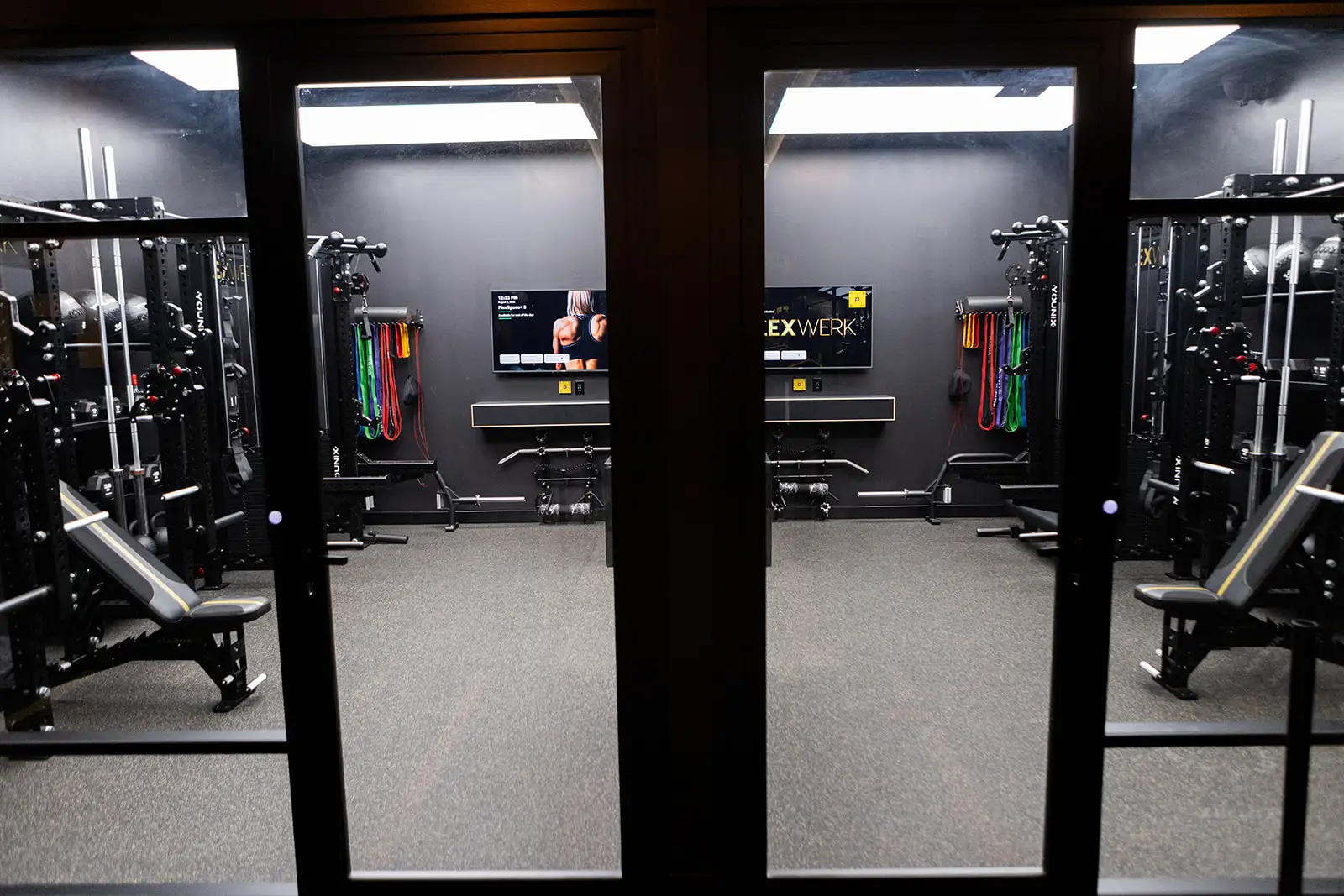
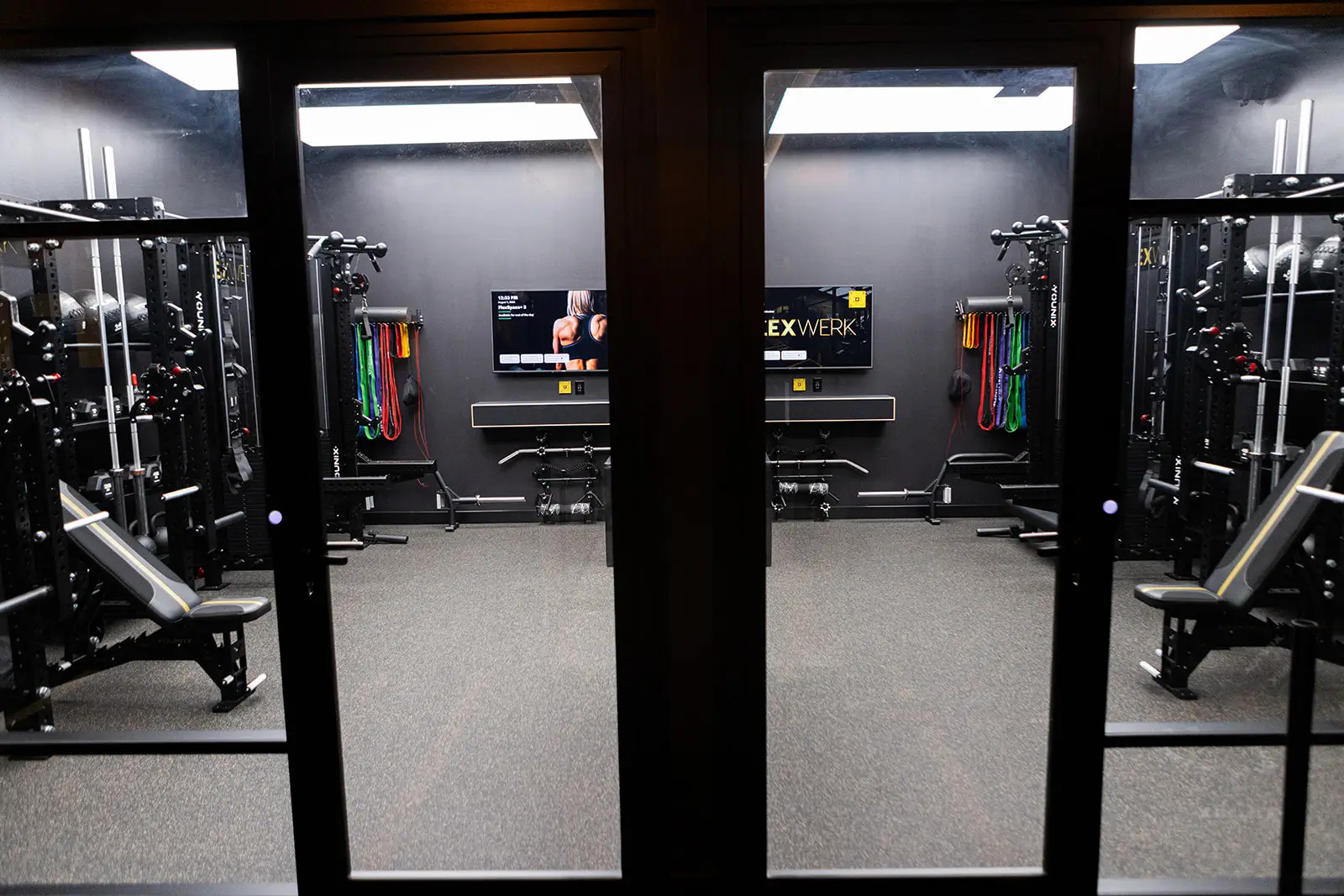
These are live Google reviews of FlexWerk at Carmel City Center, the private-suite facility where therapists in the network practise.
Related
Conditions that travel together
 Neck painHelp for stiff, aching necks, neck-related headaches and arm symptoms that start at the neck.
 Cervicogenic headachePhysical therapy for one-sided headaches that start in the upper neck and flare with posture or movement.
 WhiplashRestoring neck movement and confidence after a rear-end crash or sudden jolt, with early graded activity.
Page reviewed By the Monon Therapy Collective editorial team

Carmel City Center · Carmel, Indiana
Start with a conversation
Tell us what hurts and what you want to get back to. We will tell you honestly whether a therapist in the network is likely a good fit for what you describe, and match you with an independent, licensed therapist who is. Only that therapist can assess what will help.
885 Monon Green Blvd, Suite 120, Carmel, IN 46032 · Monday to Friday 5 AM to 9 PM · Saturday and Sunday 7 AM to 4 PM