Concussion physical therapy in Carmel, Indiana
Most people recover from a concussion within a few weeks (the CDC gives two to four weeks for children), but when dizziness, headaches, neck pain or exercise intolerance linger, physical therapy is a guideline-supported next step. A therapist trained in concussion and vestibular care tests your balance, eye and head movement control, neck and tolerance for exercise, then guides a graded return to activity. Near Carmel, the matching team tells you up front whether a therapist in the network currently offers concussion care.
At a glance
Common signs of concussion
Also called: Post-concussion syndrome, Mild traumatic brain injury, mTBI, Persisting post-concussive symptoms.
Why do some concussion symptoms last weeks instead of days?
Lingering symptoms usually come from several systems that were jolted at once, not from one ongoing injury. The same blow that shakes the brain also strains the neck, can disturb the inner ear balance organs, and can unsettle how the eyes and head coordinate. Each of those can produce headache, dizziness and fatigue, and each responds to a different kind of rehabilitation.
The CDC notes that some people have symptoms for months, and that a previous concussion, more severe symptoms right after the injury, migraines, sleep problems and mental health conditions are linked with a slower course. Lying in a dark room for weeks is no longer the advice: the CDC suggests limiting screens and physically or mentally demanding activity for the first one to two days, then light physical activity such as walking, even with mild symptoms.
Whiplash often rides along with a concussion after a car crash or a hard tackle, so neck-driven headache is common. The whiplash physical therapy page covers that piece in more depth.
Sleep, stress and screen time also shape recovery. Poor sleep magnifies headache and fog, and long stretches on a laptop can provoke eye strain and dizziness. Short, regular screen breaks, a consistent bedtime and steady daily movement give the nervous system a calmer background against which rehab can work.
What tests does a concussion-trained therapist run at the first visit?
The examination separates the possible drivers so treatment can target them. Expect a detailed history of the injury and your symptoms, a symptom checklist, and screening for anything that needs a physician first, such as worsening headache or new neurological signs.
The physical tests usually include eye tracking and focusing while the head moves, positional tests for the type of vertigo that comes from loose inner ear crystals, standing balance on firm and soft surfaces with eyes open and closed, neck range of motion and strength, and often a carefully monitored exercise test on a bike or treadmill. That test, modeled on approaches such as the Buffalo Concussion Treadmill Test, finds the heart rate at which symptoms climb, which then sets a safe exercise target.
Results are explained in terms you can use at home: which system is driving your symptoms, the heart rate to stay under for now, and which daily activities to keep, trim or pause. Many people find it reassuring simply to learn that their dizziness has an identifiable, trainable cause.
APTA’s 2020 clinical practice guideline on physical therapy after concussion, published in the Journal of Orthopaedic and Sports Physical Therapy, is built around this kind of thorough, multi-system evaluation rather than a single test.
How do graded exercise and vestibular drills speed concussion recovery?
They retrain the systems that are lagging while keeping symptoms in a manageable zone. Sub-symptom aerobic exercise, usually brisk walking or cycling at a heart rate set from the exercise test, is raised gradually as tolerance improves. The aim is a mild, short-lived rise in symptoms at most, never a crash that lasts into the next day.
Gaze stability drills (keeping your eyes on a target while you turn your head), habituation exercises for motion sensitivity, balance progressions and repositioning maneuvers for inner ear crystals are typical vestibular therapy tools. Neck-driven headache gets mobility work, deep neck flexor training and manual techniques.
For athletes the plan ends with a stepwise return to play, adding sport-specific drills, then non-contact practice, then full contact, each step only after the last one passes without symptoms. A standardized check, like the testing described on the return-to-sport testing page, helps make that call objectively.
- Sub-symptom threshold aerobic exercise with a heart rate target
- Gaze stability and eye-tracking drills
- Habituation for dizziness triggered by busy visual scenes
- Repositioning maneuvers when positional vertigo is found
- Neck mobility and strength for cervicogenic headache
- Stepwise return to school, work, driving and sport
What does a stepwise return to sport look like after a concussion?
Return to play moves through stages, typically with at least 24 hours at each step, and only advances when the current step causes no return of symptoms. Return to school or work usually comes first. The usual stages run as listed below; the treating clinician and, for school athletes, the clearing provider make the final decision.
Indiana law (IC 20-34-7) requires an interscholastic student athlete in grades 5 through 12 who is suspected of a concussion to be removed from play at the time of injury, and bars a return until a licensed health care provider trained in the evaluation and management of concussions gives written clearance and at least 24 hours have passed since the injury. Grand Park tournaments and Carmel’s busy youth seasons mean this comes up often for families. The teen athlete page covers youth-specific steps.
- Stage 1: back to regular activities such as school, with the health care provider’s approval to begin the progression.
- Stage 2: light aerobic work, about 5 to 10 minutes on a stationary bike, walking or light jogging.
- Stage 3: moderate activity such as jogging, running or weightlifting at reduced intensity.
- Stage 4: heavy non-contact activity: sprinting, hard cycling and sport-specific drills.
- Stage 5: practice with full contact once medically cleared.
- Stage 6: return to competition.
Where can I find concussion rehab near Carmel City Center?
Start by describing your symptoms on the online assessment. Concussion care calls for vestibular and concussion training, so whether it is available depends on which therapists are in the network at the time. The matching team checks and tells you plainly, before any booking, whether a therapist in the network offers it, and if not, points you toward the kind of program to look for.
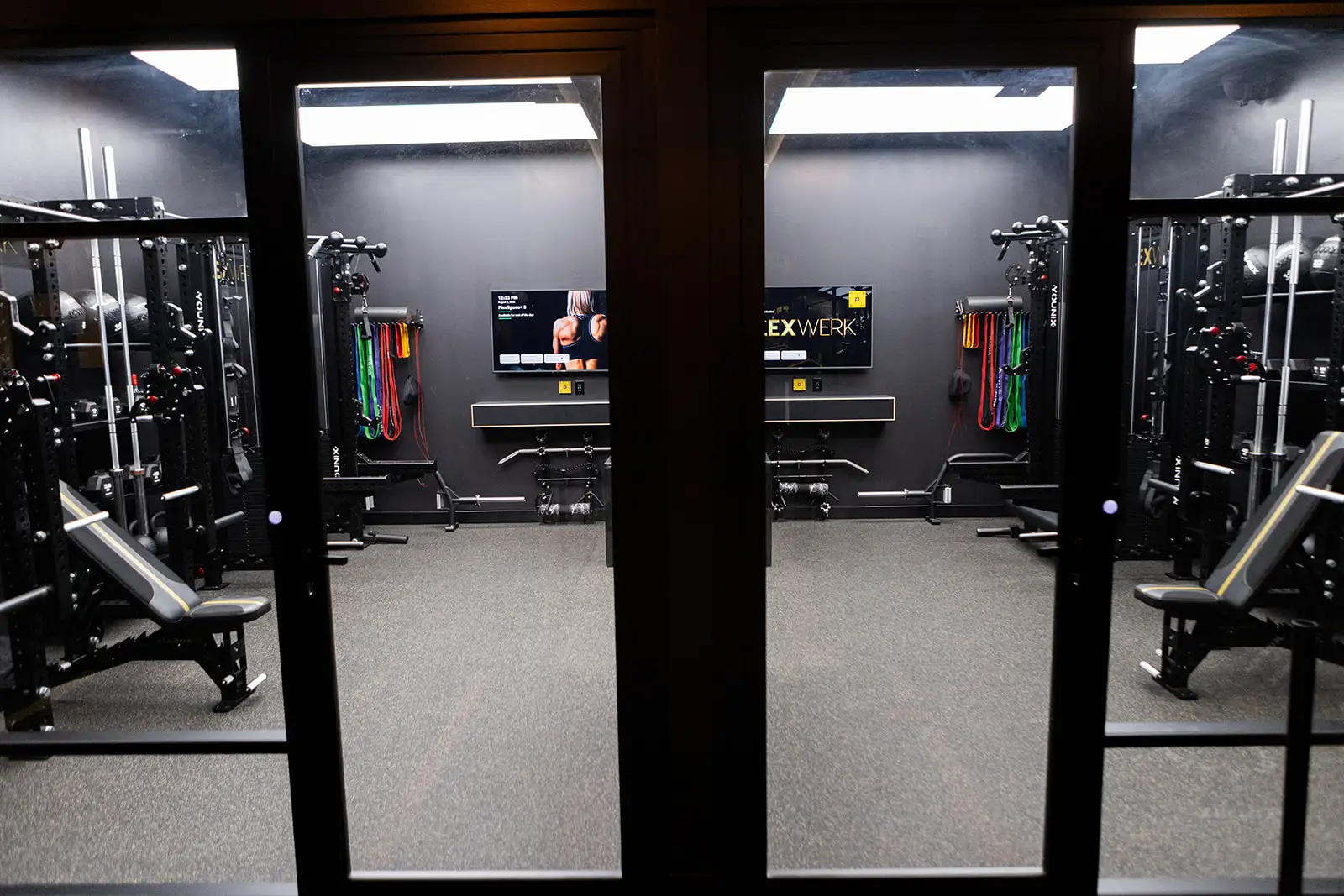
Ask any provider how they test exertion tolerance, whether they assess the eyes and inner ear as well as the neck, and how they coordinate with your physician or athletic trainer. If a therapist in the network does offer it, visits are one-on-one in a private suite with controllable lighting and music, which helps when bright, noisy spaces still trigger symptoms.
When to see a physician or go to the ER first
Physical therapy is the right start for most concussion. These symptoms are different and need medical attention before, or instead of, a physical therapy visit:
- A headache that gets worse and does not go away
- Repeated vomiting, a seizure, or slurred speech
- Increasing drowsiness, confusion or difficulty waking
- One pupil larger than the other
- Weakness, numbness or loss of coordination in an arm or leg
- Any head injury while taking a blood thinner, or loss of consciousness
If you think it is an emergency, call 911.
Two-minute assessment
Get your concussion looked at
Tell us how your concussion started, how long it has been going on and what it is stopping you from doing. The matching team proposes a therapist in the network who focuses on it, and you hear back, usually within one business day.
- No referral needed to start in Indiana (first 42 days)
- We check which therapists work with your plan before you book
- One-on-one care in a private suite at Carmel City Center
How therapists treat it
Kinds of care used for concussion
- Vestibular therapyExercise-based care for vertigo and dizziness, including repositioning for BPPV, from a therapist with vestibular training.
- Return-to-sport testingCriteria-based testing of strength, hopping, movement and confidence, so your return to sport rests on evidence, not the calendar.
- Sports physical therapyRehab for active adults that goes past pain relief to the strength, power and movement your sport actually demands.
Questions
Concussion: what people ask
Information on this website is general education, not medical advice, a diagnosis or a treatment plan. Only a licensed clinician who examines you can advise on your condition. If you may be having a medical emergency, call 911.
Something we did not cover? Ask the matching team or ring (888) 353-9975.
Should I rest in a dark room until my concussion symptoms are gone?
Not for long. A day or two of relative rest is reasonable, then current guidance favors light activity that does not make symptoms much worse, because prolonged strict rest can slow recovery.
When should I see a physical therapist after a concussion?
If dizziness, neck pain, headaches or exercise intolerance are still limiting you after roughly two weeks, or earlier if dizziness is severe, it is reasonable to ask about rehab once a physician has ruled out a more serious brain injury.
Can a neck injury cause the headaches I have after a concussion?
Yes. The force that causes a concussion often strains the neck, and the upper neck can refer pain into the head, which is why the neck is examined and treated as part of concussion care.
Is it safe to exercise with concussion symptoms?
Light aerobic exercise below the level that clearly worsens symptoms is generally encouraged after the first few days. An exercise test helps set that level so you are not guessing.
Do I need a doctor’s note before concussion physical therapy?
Indiana direct access lets a therapist evaluate without a referral, but a physician should see any head injury first to rule out bleeding or fracture, and school athletes in grades 5 to 12 need written clearance before returning to play.
Can I drive after a concussion?
Hold off until your physician says it is safe and you can turn your head quickly, focus on mirrors and react without dizziness or fog. Short, quiet drives in daylight are a sensible first test, well before a rush-hour trip on US-31.
Google reviews
What guests say about FlexWerk
These are live Google reviews of FlexWerk at Carmel City Center, the private-suite facility where therapists in the network practise.
Related
Conditions that travel together
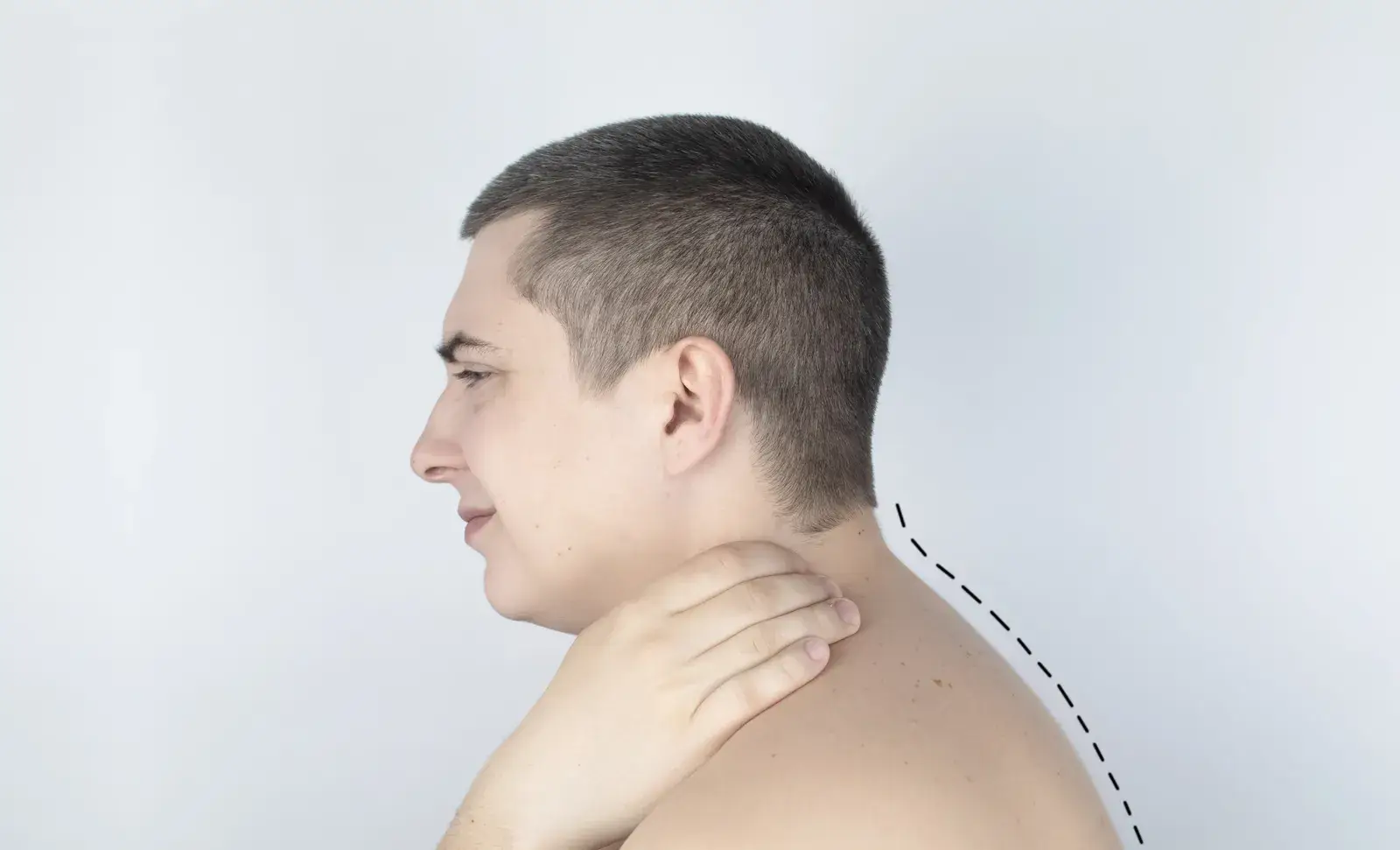 WhiplashRestoring neck movement and confidence after a rear-end crash or sudden jolt, with early graded activity.
 Cervicogenic headachePhysical therapy for one-sided headaches that start in the upper neck and flare with posture or movement.
 Neck painHelp for stiff, aching necks, neck-related headaches and arm symptoms that start at the neck.
Page reviewed By the Monon Therapy Collective editorial team

Carmel City Center · Carmel, Indiana
Start with a conversation
Tell us what hurts and what you want to get back to. We will tell you honestly whether a therapist in the network is likely a good fit for what you describe, and match you with an independent, licensed therapist who is. Only that therapist can assess what will help.
885 Monon Green Blvd, Suite 120, Carmel, IN 46032 · Monday to Friday 5 AM to 9 PM · Saturday and Sunday 7 AM to 4 PM