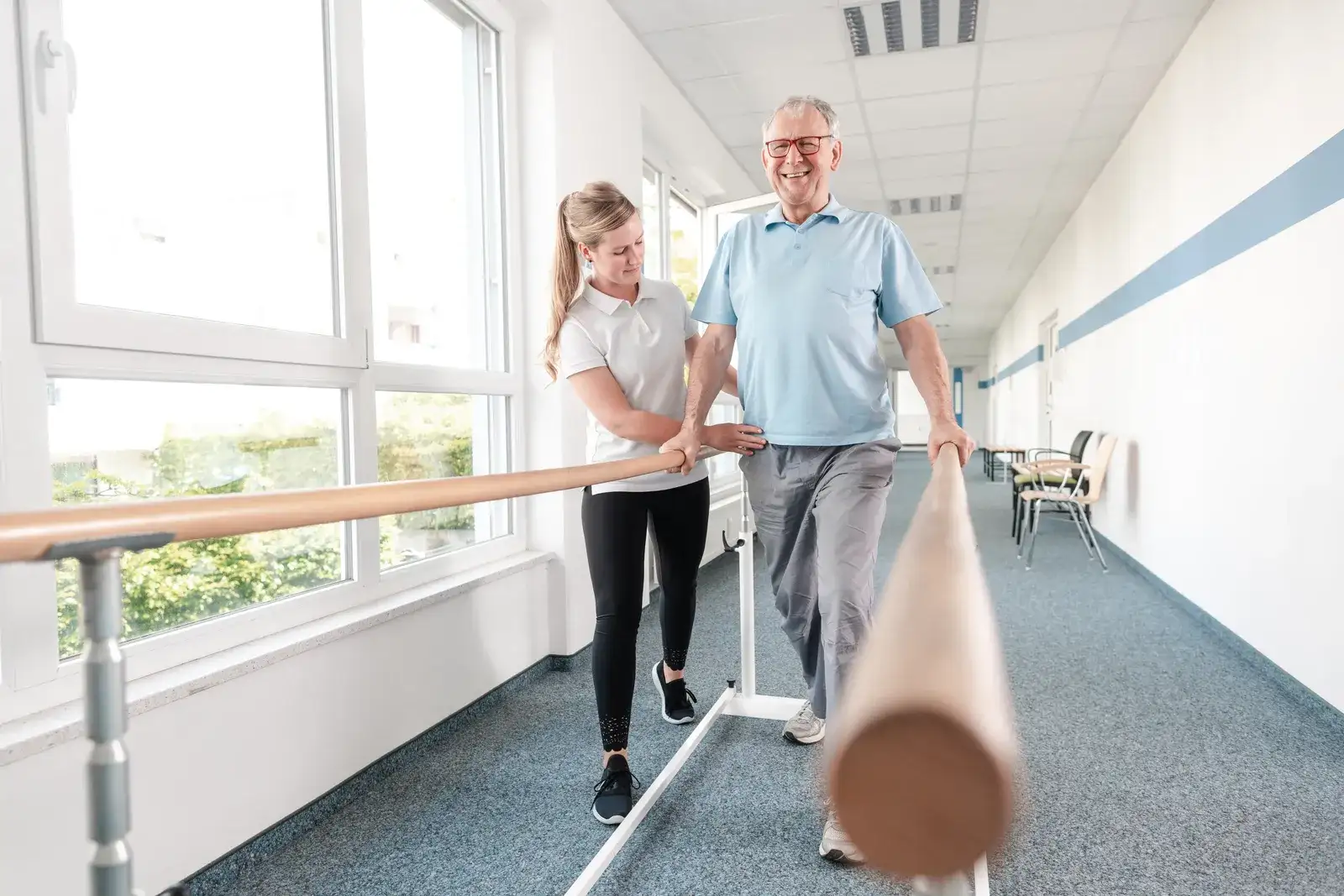
Gait training in Carmel, Indiana
Gait training is physical therapy aimed at how you walk: your speed, step length, balance, endurance and confidence on real surfaces such as stairs, curbs and uneven ground. A licensed physical therapist measures your walking, finds what is limiting it, such as hip weakness, a stiff ankle or fear of falling, and then practises the specific skills you need. In Carmel, Indiana, therapists in the network work one-on-one in a private suite with an indoor turf corridor outside the door, which gives room to walk, turn and step over obstacles.
Who usually needs gait training, and why walking changes
Gait training helps anyone whose walking has become slower, shorter, less steady or more effortful than it should be. The most common reasons are recovery from a leg or hip operation, a long hospital stay, an ankle or foot fracture, joint arthritis, and a period of inactivity that has left the legs weak. Some people simply notice they now hold the rail on every stair, or that they avoid the Monon Trail because they worry about keeping up.
After a total knee replacement or hip replacement, people often keep the limp they used to protect the painful joint long after the pain has gone. After an ankle fracture or a spell on crutches, the calf and ankle stiffen and the step on that side shortens. Neurological conditions such as stroke, Parkinson’s disease or peripheral neuropathy change gait in their own ways and usually need a therapist with neurological experience, which the matching team checks for before proposing anyone.
How a therapist measures your walking
Measurement starts with walking speed, timed over a short, marked distance. Researchers in geriatric and neurological physical therapy have called walking speed the “functional vital sign”, because it is simple, repeatable and tracks closely with overall function. Your therapist times a comfortable pace and often a fast one, so later visits can show real change.
Around that number, the therapist looks at quality and endurance. They watch step length on each side, how the foot strikes and pushes off, whether the trunk sways, and how you manage turns, a change of direction and a step over something on the floor. Strength and joint motion at the hip, knee and ankle explain much of what they see. A longer walking test shows endurance, and balance tests show how close to the edge you are when you stand on one leg or with your feet together.
- Comfortable and fast walking speed over a short, timed distance
- Step length and symmetry, heel strike and push-off on each side
- Turning, stopping, stepping over an obstacle and walking while talking
- Rising from a chair, stairs and curbs, with and without a rail
- Hip, knee and ankle strength and range of motion
- Endurance over a longer walk and how breathless or sore it leaves you
What gait training sessions involve in the suite and on the turf corridor
Sessions mix strength work with walking practice, because both are usually needed. Inside the private suite, a bench, dumbbells and cable system make it easy to load hip abductors, calves and quadriceps progressively, and to practise sit-to-stand repetitions from lower and lower seats. Outside it, the indoor turf corridor gives a long, even stretch to practise longer steps, quicker turns and walking with your head turning, as you would in a parking lot.
Your therapist adds challenge in small steps: a slightly faster pace, a narrower path, a step over a low object, carrying a bag in one hand. Cues such as walking to the beat of music, which you can play in the suite, help some people lengthen and steady their stride. Stairs and curbs are practised directly, with the rail first and then without, because those are often where people feel least confident at home.
Moving from a walker to a cane, and from a cane to nothing
You stop using a walking aid when you can walk safely and without a limp without it, not on a set date. Your therapist judges that from your balance, your strength on the weaker leg and how your gait looks with less support. Weaning too early tends to bring back a limp, which can create new aches in the back or the other hip.
Most people step down gradually: a walker to a cane, the cane used outdoors only, then indoors without it. The cane is held in the hand opposite the sore or weaker leg, which surprises many people. If your surgeon has set weight-bearing limits after an operation, those limits come first, and your therapist works within them. For outdoor goals, such as walking the Monon Trail again or crossing the Carmel City Center garage to the suites without stopping, the therapist builds distance in steady weekly steps.
- Stand and walk without a limp using the aid you have now
- Hold single-leg balance on the weaker side for a short, steady count
- Manage turns and a step over a low obstacle without catching your foot
- Try the next level of support indoors first, with your therapist close by
- Use the new level outdoors once indoor walking feels routine
Falls, winter footing and when a change in walking needs a physician
Gait training overlaps heavily with fall prevention, and people who have fallen, or feel close to it, often need both. Indiana winters add ice on driveways and parking lots, so practice on narrow bases and slower turns pays off in January. The balance and fall prevention service and the guide to walking safely on winter ice go deeper.
Some changes in walking need a physician before any therapy. A sudden drag of one foot, new weakness on one side, slurred speech or a facial droop is a medical emergency, so call 911. A gradual change in walking with new numbness, frequent tripping, memory changes or unexplained falls should be checked by your doctor. When it is safe to begin, the two-minute questionnaire tells the matching team what you are aiming for.
Who it helps
Gait training may help if
- You still limp weeks or months after a hip, knee, ankle or foot operation
- You want to move from a walker to a cane, or put the cane away
- Walking has slowed and you tire or get breathless sooner than you used to
- Stairs, curbs or uneven ground make you nervous or need a rail
- You have tripped or fallen, or feel unsteady when turning
- You have a walking goal, such as a section of the Monon Trail or a trip with a lot of walking
Conditions
Problems this kind of care treats
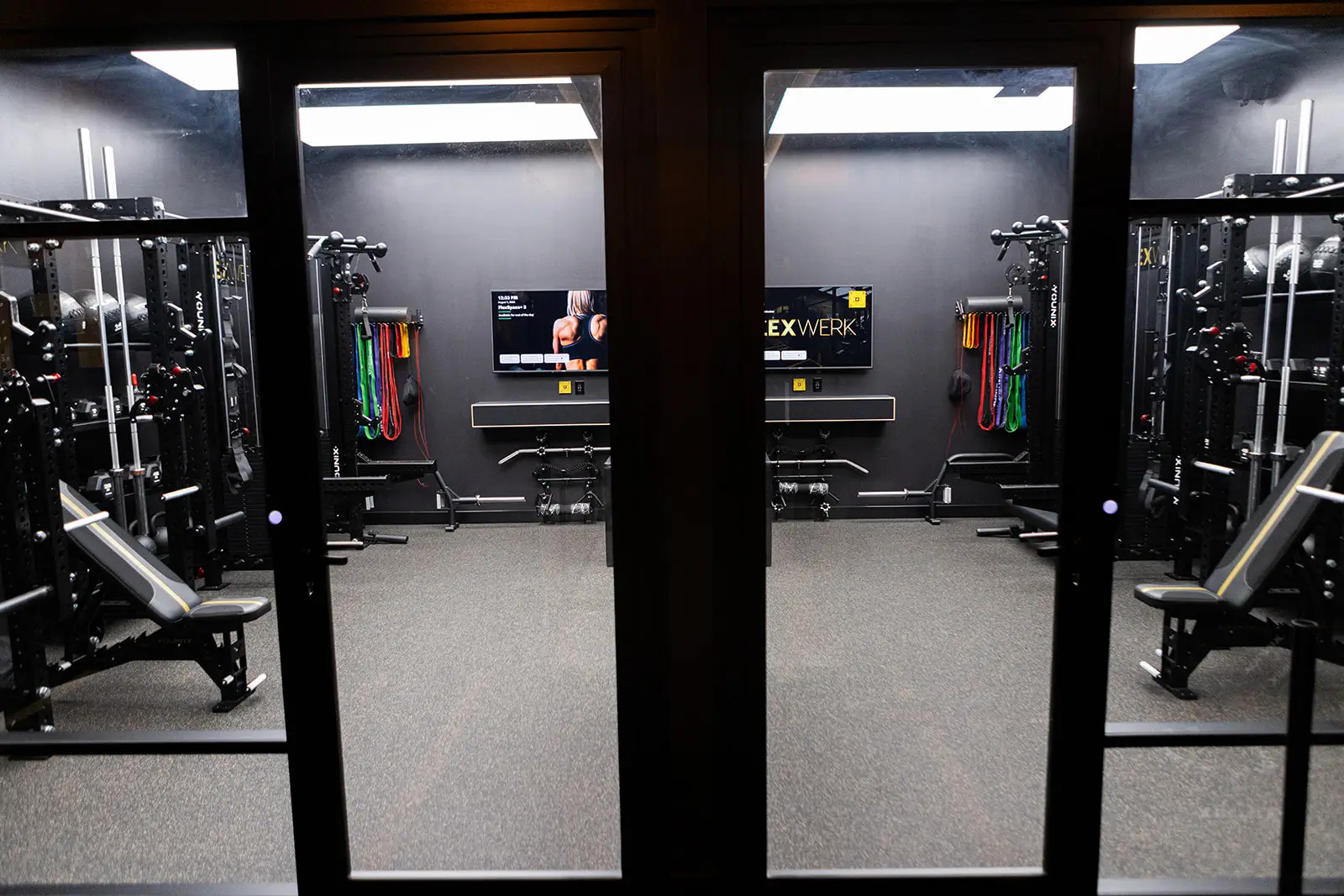 Knee osteoarthritisQuadriceps and hip strengthening, motion work and a walking plan for an arthritic knee, with guidance on braces, flares and surgery questions.
- Hip osteoarthritisStrength, mobility and pacing for an arthritic hip, aimed at easier walking, stairs and dressing, with honest guidance on when to see a surgeon.
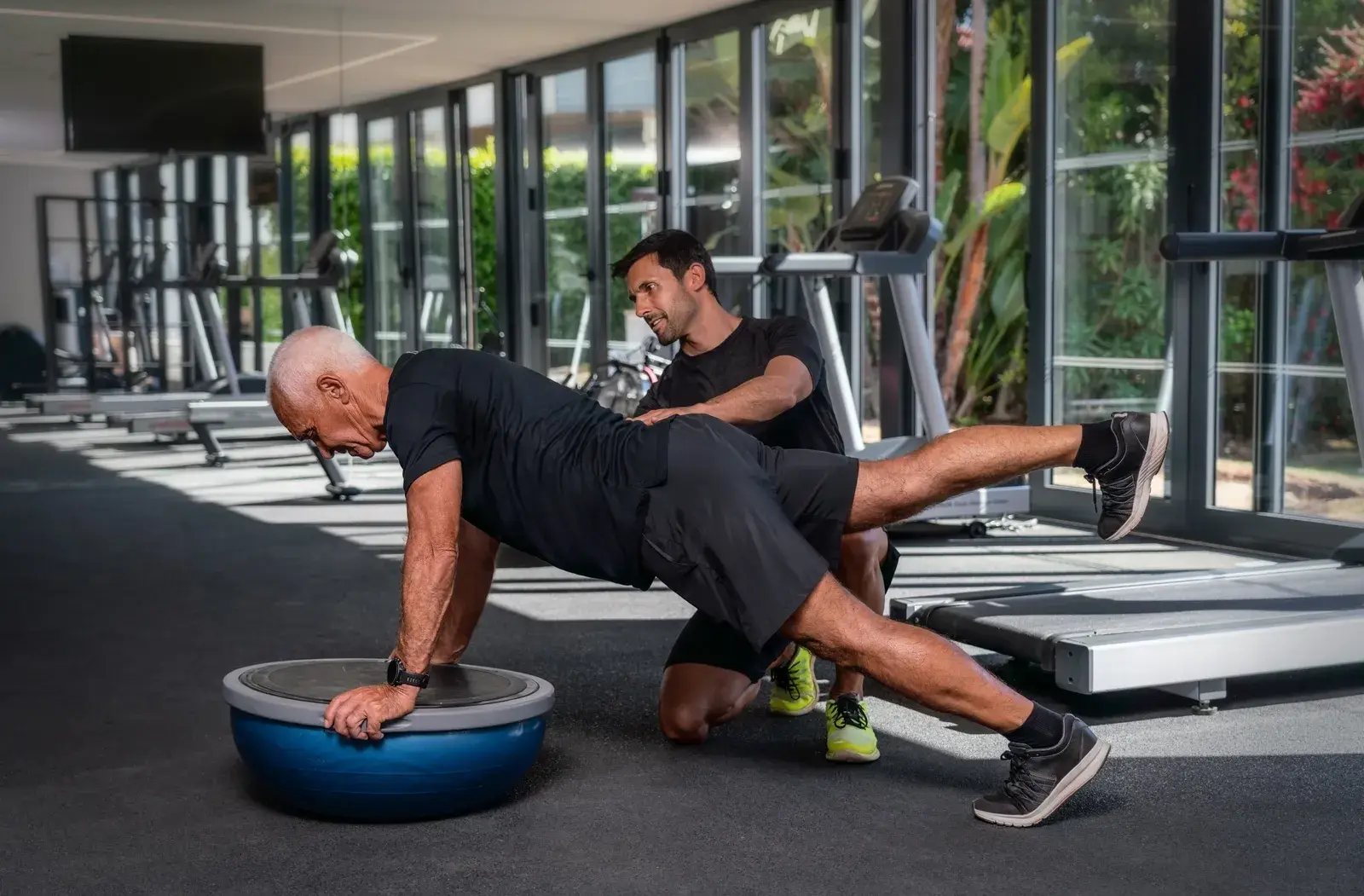 DeconditioningRebuilding strength, walking stamina and balance after a hospital stay, illness or long period of inactivity.
 Peripheral neuropathyBalance, strength and foot-safety training for numb, tingling or weak feet from nerve damage.
Two-minute assessment
Not sure which therapist is right for you?
Answer a few questions about what hurts, how long it has been going on and what you want to get back to. Our matching team reads every answer and proposes a licensed physical therapist in the network whose focus, schedule and coverage fit. Two minutes, no obligation.
- No referral needed to start in Indiana (first 42 days)
- We check which therapists work with your plan before you book
- One-on-one care in a private suite at Carmel City Center
Questions
About gait training
Information on this website is general education, not medical advice, a diagnosis or a treatment plan. Only a licensed clinician who examines you can advise on your condition. If you may be having a medical emergency, call 911.
Something we did not cover? Ask the matching team or ring (888) 353-9975.
How long does gait training take?
It varies with the cause. Someone with a limp after joint surgery often sees clear change within a few weeks of regular practice, while weakness after a long illness or a neurological condition can take several months.
Should I bring my walker or cane to the first visit?
Yes. Bring whatever you use at home and outdoors, plus the shoes you walk in most. Your therapist needs to see how you walk with them before deciding what to change.
Is a treadmill used in gait training?
Sometimes, though it is not essential. Overground walking practice on a long, flat surface, stairs and step-overs carries over well to daily life, and that is what the turf corridor outside the suites allows.
Can gait training help with knee osteoarthritis?
Often, yes. Strengthening the hip and thigh and practising a more even step can make walking easier with knee osteoarthritis, even though it does not change the arthritis itself.
What walking practice can I do at home between gait training visits?
Usually a short daily walk at a set pace, a few sit-to-stands and one balance drill near a counter. Your therapist picks the pieces that are safe for you to do alone and tells you which ones to save for supervised sessions.
Does Medicare cover gait training?
Medicare Part B covers medically necessary outpatient physical therapy, which can include gait training, under a plan of care certified by a physician or other qualified provider. The therapist’s office confirms your benefits before the first visit.
Google reviews
What guests say about FlexWerk
These are live Google reviews of FlexWerk at Carmel City Center, the private-suite facility where therapists in the network practise.
Continue
Related services
 Balance and fall preventionStrength, walking and balance training for older adults who feel unsteady, have fallen, or want to stay confident on their feet.
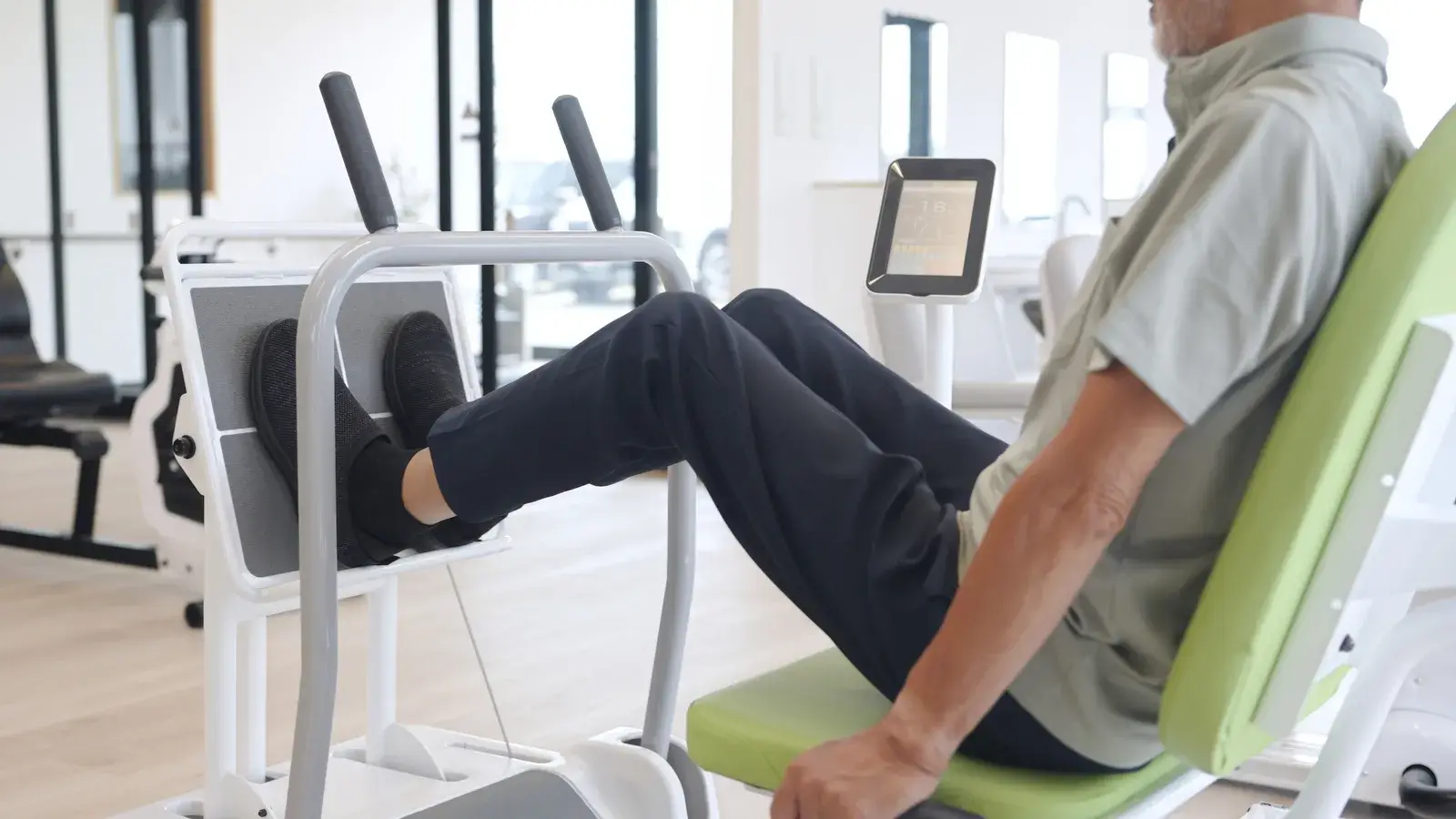 Post-surgical rehabilitationProtocol-led rehab after joint replacement, ligament, tendon and spine surgery, in a quiet private room instead of a crowded gym.
 Neurological physical therapyTask-focused rehab for stroke, Parkinson’s, MS and nerve conditions, tracked with standard balance and walking tests.
Page reviewed By the Monon Therapy Collective editorial team

Carmel City Center · Carmel, Indiana
Start with a conversation
Tell us what hurts and what you want to get back to. We will tell you honestly whether a therapist in the network is likely a good fit for what you describe, and match you with an independent, licensed therapist who is. Only that therapist can assess what will help.
885 Monon Green Blvd, Suite 120, Carmel, IN 46032 · Monday to Friday 5 AM to 9 PM · Saturday and Sunday 7 AM to 4 PM