
Peripheral neuropathy physical therapy in Carmel, Indiana
Peripheral neuropathy is damage to the nerves outside the brain and spinal cord, most often in the feet, causing numbness, tingling, burning or weakness. Physical therapy cannot repair the nerves, but it helps you stay steady and active by training balance, strengthening the ankles and hips, teaching foot protection and adjusting how you walk. In Carmel, a licensed physical therapist works alongside the physician who is treating the cause, such as diabetes or a vitamin deficiency.
At a glance
Common signs of peripheral neuropathy
Also called: Diabetic neuropathy, Polyneuropathy, Nerve damage in the feet, Peripheral nerve disorder.
What is happening in the nerves when my feet go numb?
When your feet go numb from peripheral neuropathy, the long nerves that carry feeling and movement signals between the feet and the spinal cord are damaged, so messages about touch, temperature and position get weaker or distorted. The longest nerves are usually affected first, which is why the feet often go first and symptoms may later appear in the hands.
Diabetes is the most common cause, according to the NIH’s MedlinePlus. Other causes include low B vitamin levels, including B12, heavy alcohol use, some chemotherapy drugs, kidney disease, thyroid problems, autoimmune conditions and inherited neuropathies. Sometimes no cause is found.
Finding and treating the cause is a physician’s job, often involving blood tests and sometimes nerve conduction studies. Physical therapy focuses on the effects: balance, strength, walking and protecting the feet.
Neuropathy usually develops gradually, so many people adapt without realizing it: they walk more slowly, widen their stance, look down at their feet or avoid evening walks. Those adaptations are sensible, but they can also shrink your world over time. Part of a therapist’s role is helping you keep doing the things you value with safer strategies, rather than quietly giving them up.
Why does neuropathy make balance worse, especially at night?
Neuropathy makes balance worse because the feet can no longer tell the brain precisely where they are and how the ground feels, so the body relies more on vision and the inner ear. In the dark, or with your eyes closed, one of those backups is lost and balance drops sharply.
That is why falls are more common at night, on uneven ground, in the shower when eyes are closed, or on icy Indiana sidewalks in winter. Weakness in the ankle and toe muscles, common in longer-standing neuropathy, adds to the problem by making it harder to recover from a stumble.
A physical therapist tests balance with eyes open and closed, on firm and soft surfaces, checks ankle strength and sensation, watches how you walk and turn, and may time a short walk. Those results show where the biggest risk lies. Burning or tingling limited to one sole may suggest tarsal tunnel syndrome instead, and your therapist will flag that.
- Balance with eyes open and closed
- Standing on firm and cushioned surfaces
- Ankle and toe strength
- Sensation and position sense in the feet
- Walking speed, turns and stepping over obstacles
Which exercises help people with peripheral neuropathy stay steady?
The exercises that help most with neuropathy combine balance training that gradually reduces support, strength work for the ankles, calves and hips, and walking practice that builds confidence on varied surfaces. Training the other balance systems, vision and the inner ear, also helps compensate for reduced feeling in the feet.
Practice happens in a safe setup, close to a counter or in a corner, with the therapist near enough to steady you. Drills are chosen to be challenging enough that you wobble a little, because balance improves when the system is asked to work, but never so hard that you are at real risk of falling.
Balance drills progress from standing with feet together to staggered and single-leg stances, then to turning the head, reaching and stepping. The single-leg balance exercise is a common building block, done near a counter for safety. Heel raises, toe raises, step-ups and sit-to-stands build leg strength. Walking practice may include stepping over objects, changing direction and walking on grass.
Aerobic exercise like walking or cycling also matters, especially for people with diabetes, since physical activity helps control blood sugar under your physician’s guidance. The balance and fall prevention therapy page describes how this work is usually structured.
Assistive devices are part of the conversation too. A cane or walking poles can add a useful point of contact on uneven ground, and the right shoe, with a firm heel, a thin enough sole to feel the ground and secure fastening, makes a noticeable difference. A therapist can help you decide what fits your situation rather than guessing.
- Balance drills that gradually reduce support
- Ankle, calf and hip strengthening
- Walking practice on varied surfaces
- Head turns and reaching while standing
- Regular aerobic activity such as walking or cycling
How much improvement can I expect from therapy for neuropathy?
Many people improve their balance, walking confidence and leg strength within 8 to 12 weeks of regular training, even if the numbness itself does not change. The aim is to reduce falls and keep you active, which is often achievable even when the nerve damage is permanent.
Results depend on the cause, how long symptoms have been present and how well the underlying condition is managed. Some neuropathies, such as those from B12 deficiency, can improve when the cause is treated; others are stable or slowly progressive. Your therapist cannot predict nerve recovery, but can track balance and walking measures to show whether training is helping.
Burning pain may need medical treatment; physical therapists do not prescribe medicine. Some people find that regular activity, footwear changes and staying warm help with discomfort. A specialized program may be helpful for complex nerve conditions, as outlined on the neurological physical therapy page; whether a therapist in the network currently offers that kind of care is something the matching team confirms before anything is booked.
How do I protect numb feet and avoid falls at home?
Protect numb feet by checking them every day for cuts, blisters or color changes, wearing well-fitting shoes indoors and out, and testing bath water with your hand or elbow. Small wounds can go unnoticed and become serious, especially with diabetes.
At home, light the route to the bathroom at night, remove loose rugs, add grab bars in the shower and keep a flashlight by the bed. Outdoors, choose even paths such as the paved Monon Trail, wear shoes with good grip and take extra care in winter. The balance exercises for seniors at home guide offers safe practice ideas.
If numbness or tingling is affecting your balance or walking, complete the physical therapy questionnaire and mention your neuropathy. The matching team reads it and contacts you about a therapist in the network with a focus on balance.
When to see a physician or go to the ER first
Physical therapy is the right start for most peripheral neuropathy. These symptoms are different and need medical attention before, or instead of, a physical therapy visit:
- Sudden weakness or numbness on one side of the body, which needs 911
- Numbness or weakness that spreads quickly over days
- Loss of bladder or bowel control
- A foot wound, blister or color change that does not heal
- A hot, swollen, red foot, which can signal infection or Charcot foot in people with diabetes
If you think it is an emergency, call 911.
Two-minute assessment
Get your peripheral neuropathy looked at
Tell us how your peripheral neuropathy started, how long it has been going on and what it is stopping you from doing. The matching team proposes a therapist in the network who focuses on it, and you hear back, usually within one business day.
- No referral needed to start in Indiana (first 42 days)
- We check which therapists work with your plan before you book
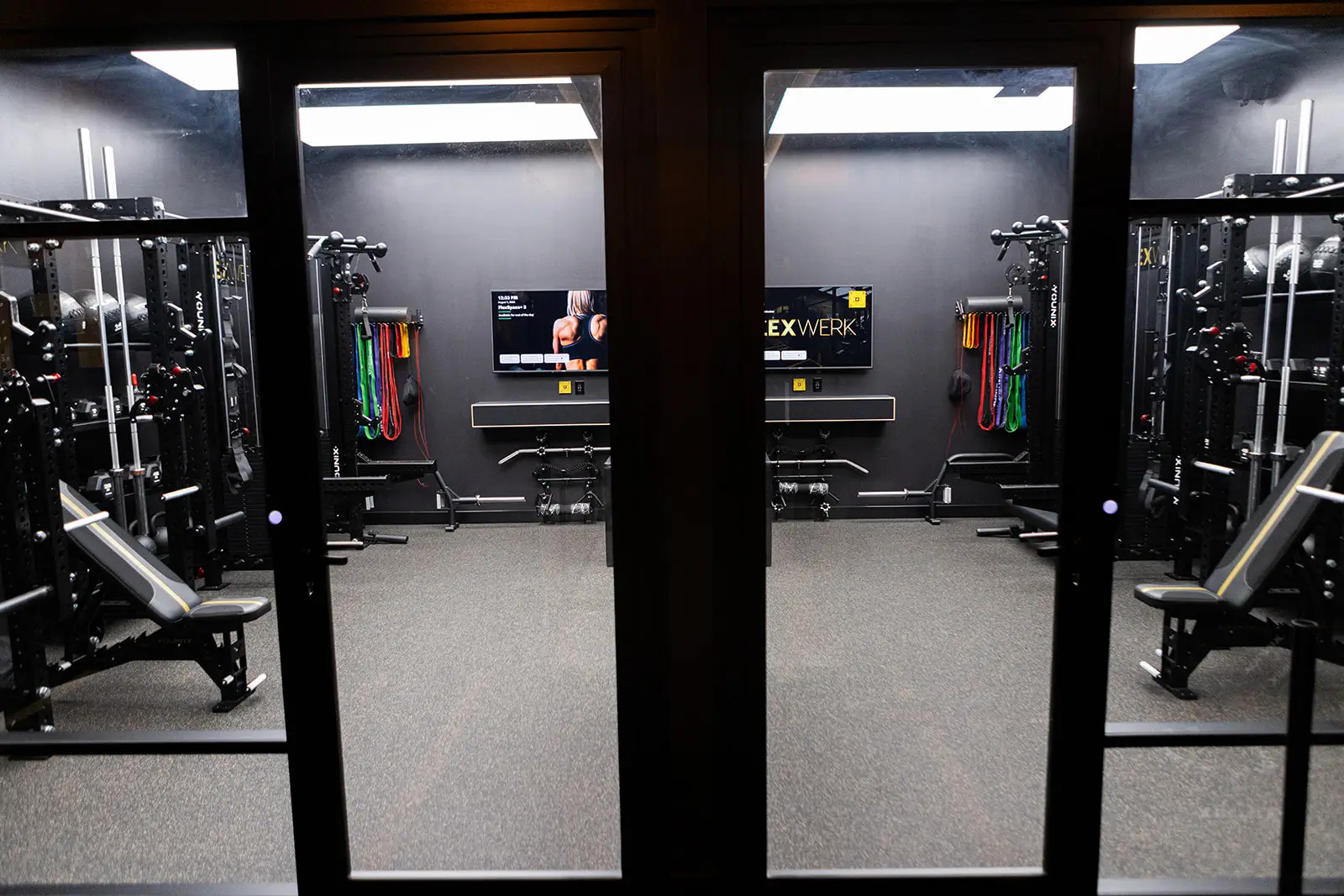
- One-on-one care in a private suite at Carmel City Center
How therapists treat it
Kinds of care used for peripheral neuropathy
- Balance and fall preventionStrength, walking and balance training for older adults who feel unsteady, have fallen, or want to stay confident on their feet.
- Gait trainingWalking-focused rehab that measures speed and balance, then practises the steps, turns, stairs and surfaces you need for daily life.
- Neurological physical therapyTask-focused rehab for stroke, Parkinson’s, MS and nerve conditions, tracked with standard balance and walking tests.
Questions
Peripheral neuropathy: what people ask
Information on this website is general education, not medical advice, a diagnosis or a treatment plan. Only a licensed clinician who examines you can advise on your condition. If you may be having a medical emergency, call 911.
Something we did not cover? Ask the matching team or ring (888) 353-9975.
Can physical therapy reverse neuropathy?
Physical therapy does not repair nerves, but it can improve balance, strength and walking. Treating the cause, which is a physician’s role, sometimes allows nerves to recover.
Is walking safe with numb feet?
For most people, yes, with good shoes, even surfaces and daily foot checks. A therapist can help you choose a safe walking plan and decide whether a cane would help.
Should people with neuropathy go barefoot?
Generally no. Without full sensation, cuts and blisters can go unnoticed. Wearing shoes or protective slippers indoors is usually advised.
Does exercise help diabetic neuropathy?
Regular exercise helps blood sugar control and fitness, and balance training lowers fall risk. Your physician guides the medical side of diabetes care, including any targets for blood sugar and how to adjust medicines around more activity.
Do I need a referral for neuropathy physical therapy?
Indiana allows a therapist to start without a referral for up to 42 days, though some insurance plans and Medicare have their own rules. See the Indiana referral guide.
Google reviews
What guests say about FlexWerk
These are live Google reviews of FlexWerk at Carmel City Center, the private-suite facility where therapists in the network practise.
Related
Conditions that travel together
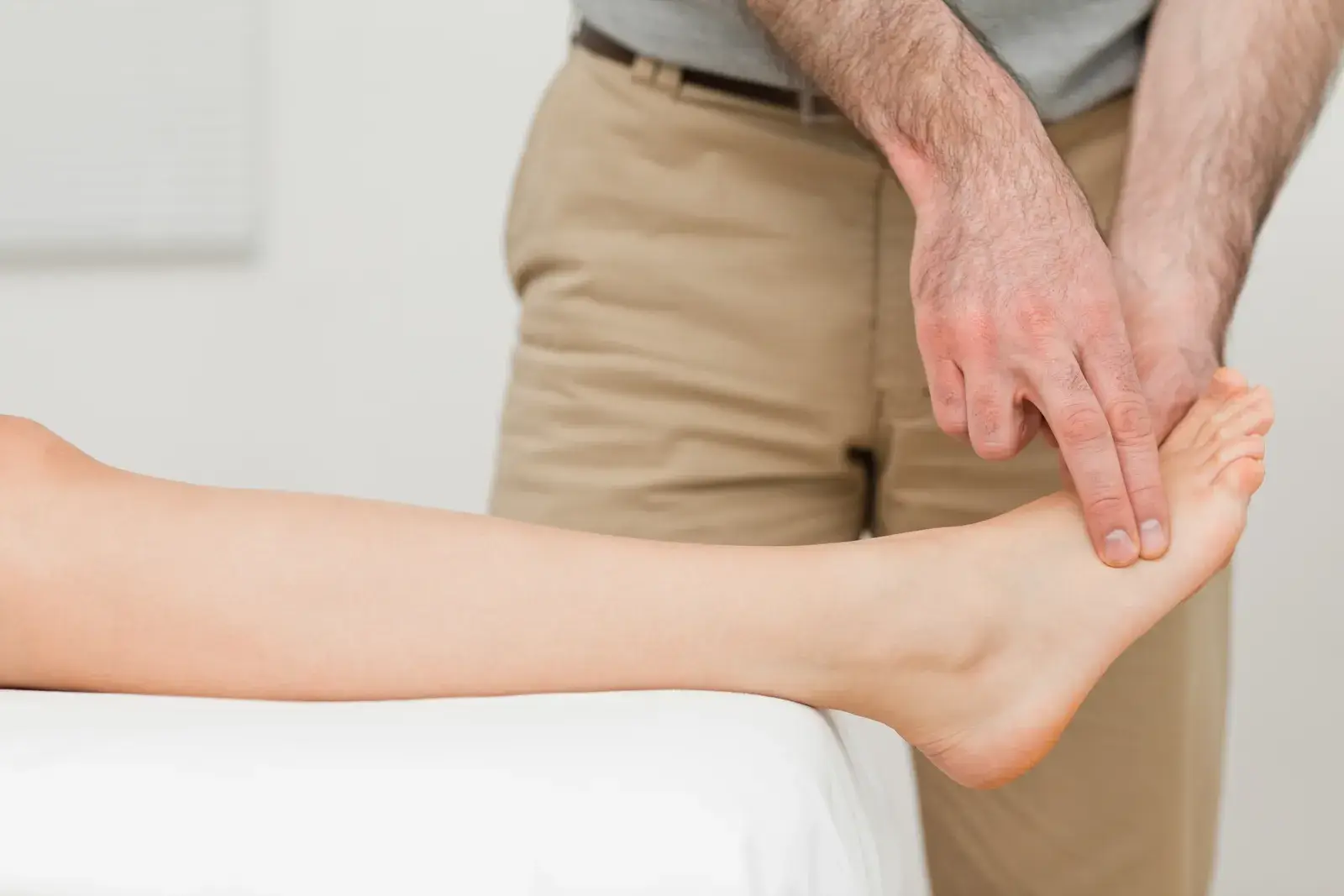 Tarsal tunnel syndromeCare for burning, tingling or numbness in the sole from an irritated nerve at the inner ankle.
 DeconditioningRebuilding strength, walking stamina and balance after a hospital stay, illness or long period of inactivity.
 Ankle arthritisHelp for a stiff, aching ankle, often years after a break or sprains, through strength, balance and smarter footwear.
Page reviewed By the Monon Therapy Collective editorial team

Carmel City Center · Carmel, Indiana
Start with a conversation
Tell us what hurts and what you want to get back to. We will tell you honestly whether a therapist in the network is likely a good fit for what you describe, and match you with an independent, licensed therapist who is. Only that therapist can assess what will help.
885 Monon Green Blvd, Suite 120, Carmel, IN 46032 · Monday to Friday 5 AM to 9 PM · Saturday and Sunday 7 AM to 4 PM